




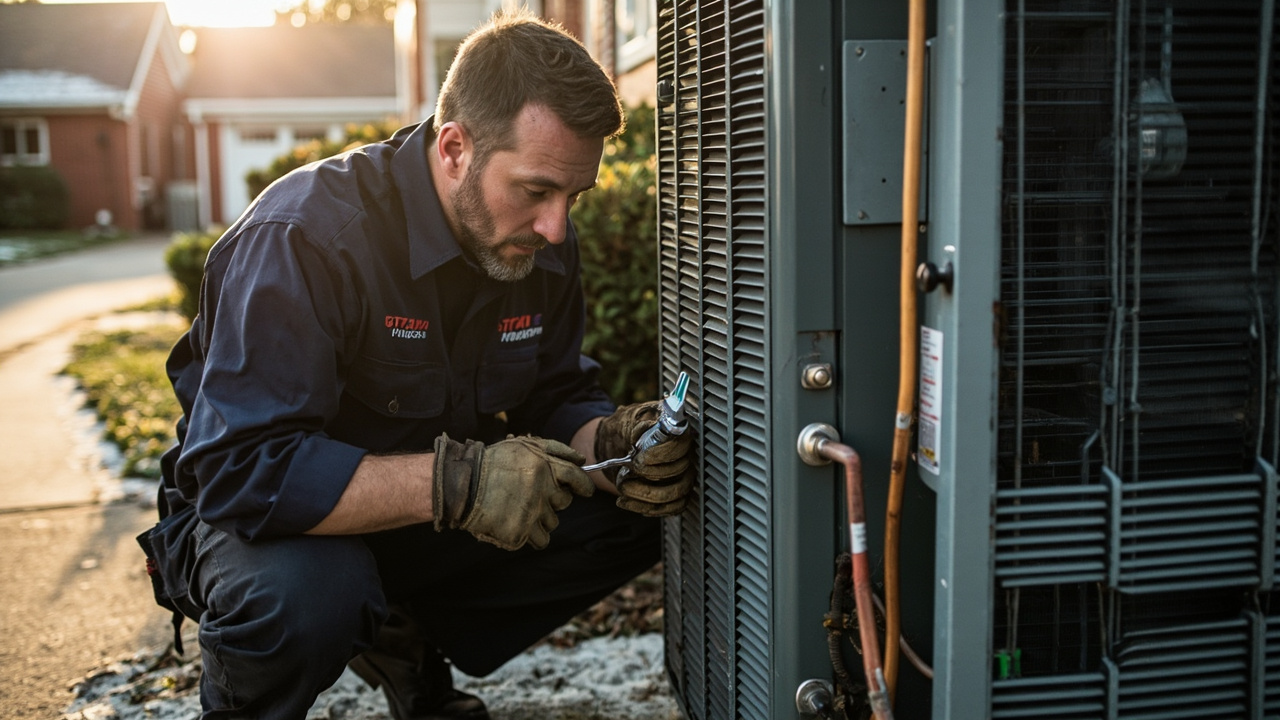
Boston's position on Massachusetts Bay creates corrosive conditions that accelerate equipment aging. Salt-laden air carries inland several miles from the waterfront, attacking metal components even in neighborhoods like Jamaica Plain and Roslindale. Copper refrigerant lines develop pinhole leaks, aluminum heat exchanger fins corrode through, and electrical connections oxidize faster than equipment operating in dry climates. Winter road salt compounds this effect. Preparing hvac for winter in coastal New England requires protective treatments and inspection protocols addressing corrosion that standard maintenance overlooks. Equipment located within two miles of the harbor needs annual corrosion inspection as routine practice.
Massachusetts enforces specific regulations for heating equipment through the Board of State Examiners of Plumbers and Gas Fitters. Technicians performing gas work must hold current licenses verifying competency in combustion safety and code compliance. Boston's building department requires permits for equipment replacement and major repairs, creating accountability that protects homeowners. Choosing properly licensed contractors ensures work meets legal standards and passes inspection. Local expertise matters because Boston's mix of historic and modern construction demands different approaches. Titan HVAC Boston maintains all required licenses and permit relationships, ensuring your winterization work complies with state and local requirements that protect your investment and safety.