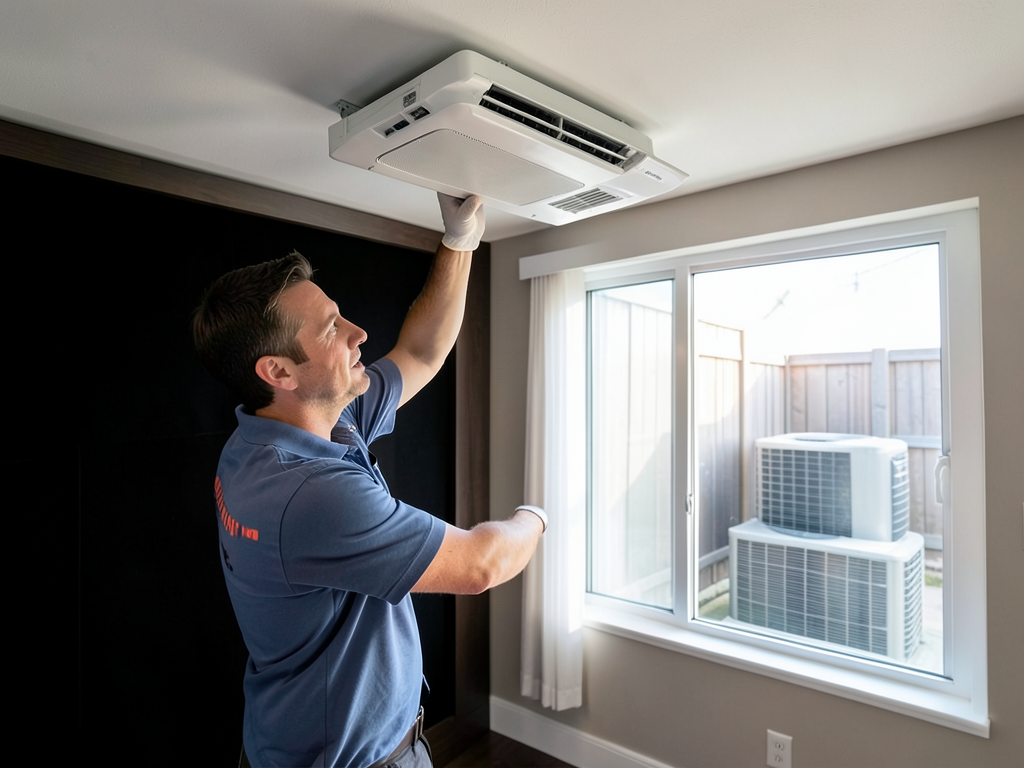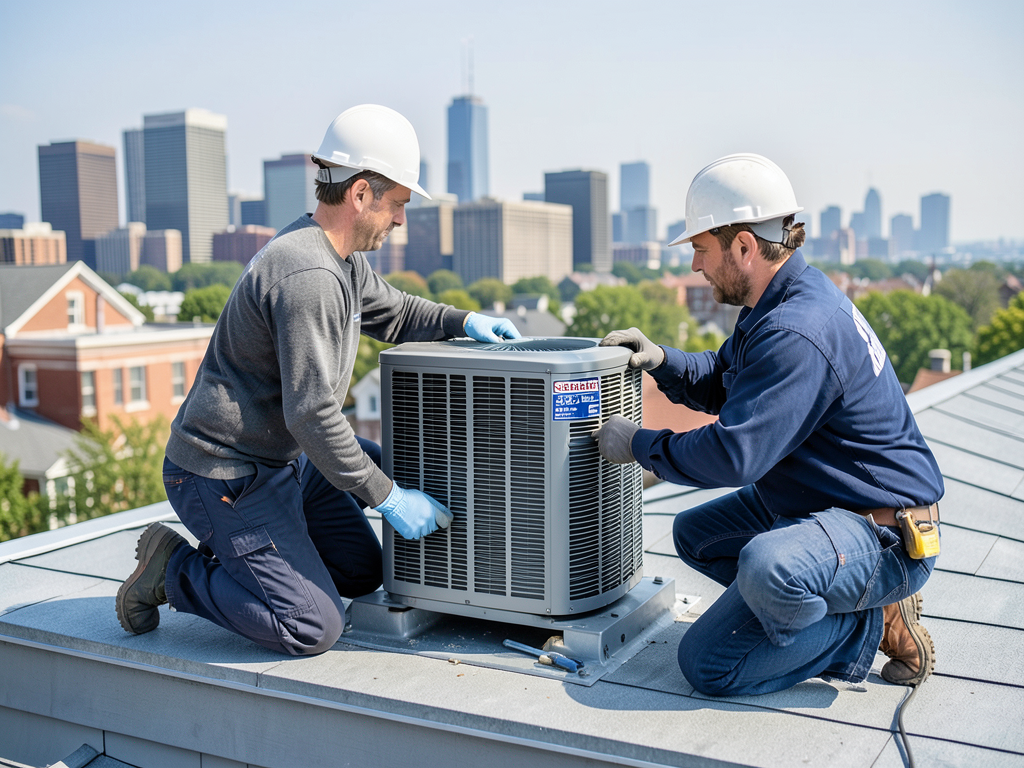








Boston's maritime climate creates year-round humidity challenges that affect commercial HVAC performance. Summer humidity regularly exceeds 70 percent, forcing VRF systems to handle latent load removal in addition to sensible cooling. Undersized indoor units cannot dehumidify effectively, leading to clammy air and mold growth in occupied spaces. We size air handlers with adequate coil surface area to condense moisture while maintaining comfortable temperatures. Winter presents the opposite problem. Outdoor units must operate in heating mode during sub-freezing conditions, requiring defrost cycles that temporarily reduce capacity. We select cold-climate VRF models with enhanced vapor injection compressors that maintain heating output down to negative 15 degrees.
Boston's building codes require compliance with the 9th Edition Massachusetts Building Code and the City of Boston's stretch energy code for new construction and major renovations. This mandates higher efficiency HVAC systems and stricter ventilation requirements than standard IECC provisions. We ensure VRF system installation meets these standards through proper equipment selection and third-party commissioning. Our work in the Seaport District, Financial District, and Fenway has established relationships with local inspectors who recognize our adherence to code. You avoid reinspections and delay penalties because we get installations right the first time.