




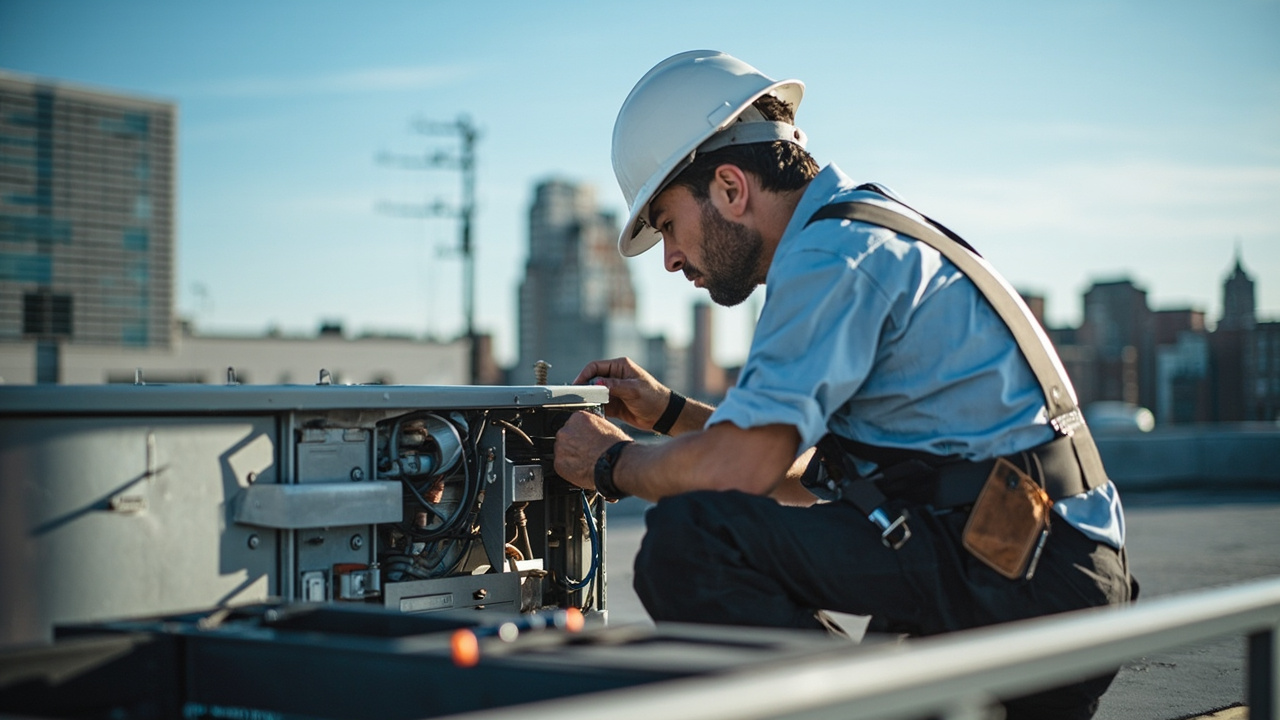
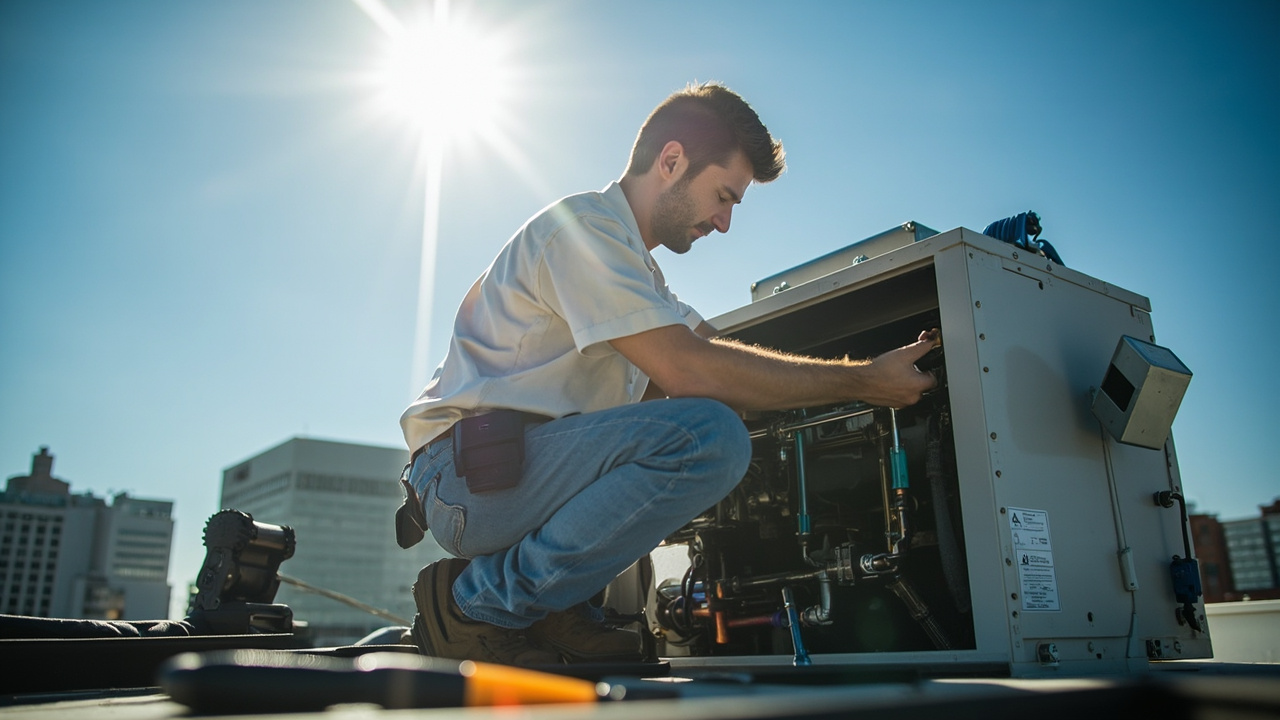
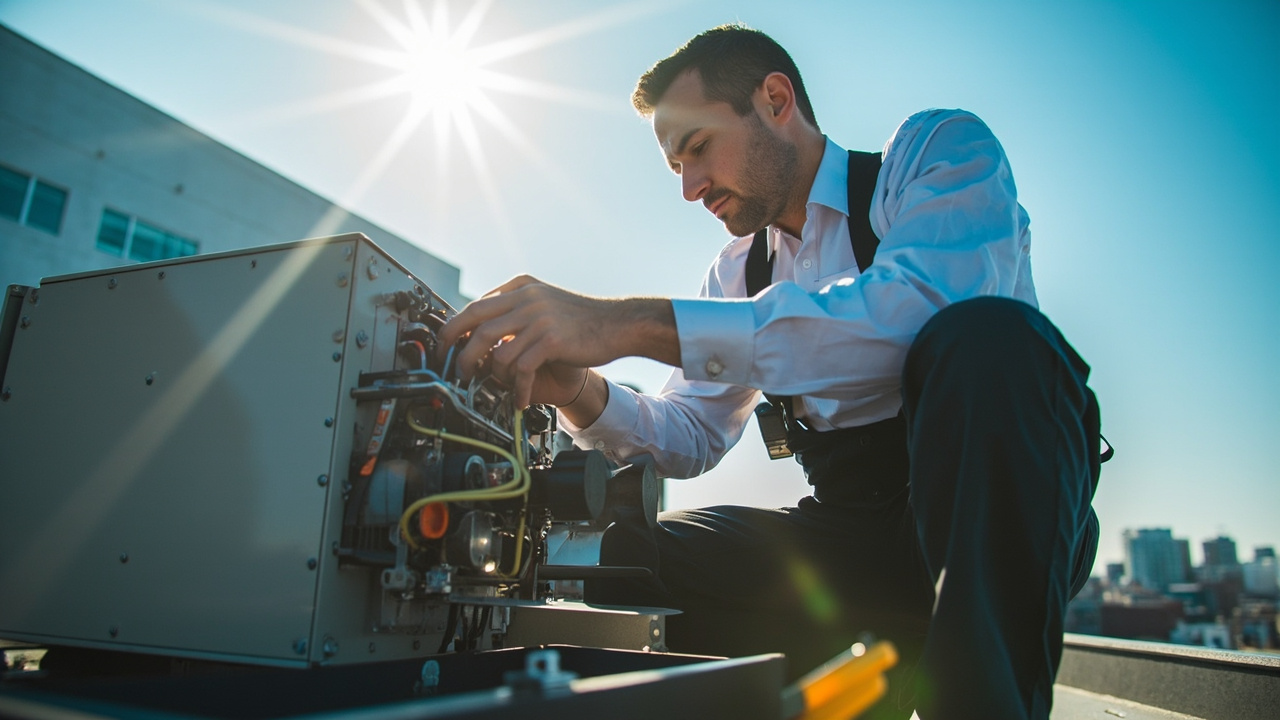
Boston's proximity to the harbor and its high humidity levels accelerate corrosion in rooftop MUA units. Salt air from Boston Harbor reaches inland neighborhoods, attacking heat exchangers, dampers, and electrical enclosures. Many facilities in the Seaport and East Boston experience premature component failure because their MUA units are not designed for marine environments. We recommend stainless steel or coated components for installations within three miles of the waterfront. Boston's winter wind chill also stresses MUA burners and ignition systems, causing more frequent service calls than in inland cities.
Boston's strict mechanical codes and active inspection enforcement mean that commercial MUA services must be performed by licensed contractors familiar with local requirements. The City of Boston ISD enforces NFPA 96 for commercial kitchens and requires interlocked make-up air for any Type I exhaust hood. Facilities in historic districts face additional scrutiny regarding rooftop equipment visibility and noise. Titan HVAC Boston navigates these local regulations daily. We maintain relationships with Boston mechanical inspectors and understand the documentation required for permit approvals and final inspections.