





Belmont sits in a climate zone that punishes HVAC equipment. Winter temperatures regularly drop below 20 degrees, forcing furnaces and heat pumps to run continuously for weeks. Summer humidity climbs above 70 percent, making air conditioners work overtime to manage moisture loads. This freeze-thaw cycle stresses every component in your heating and cooling system.
The town's housing stock adds another layer of complexity. Many Belmont homes date back to the early 1900s, built before modern insulation standards and zoning systems. Colonial and Victorian architecture creates uneven heating and cooling patterns, with second floors overheating in summer and basements staying cold in winter. Ductwork often runs through uninsulated attics or crawl spaces, losing efficiency with every foot of travel.
Local building codes require proper permits for HVAC installations and replacements, with inspections that verify refrigerant handling, electrical connections, and combustion safety. Systems must meet Massachusetts efficiency standards, which change periodically and affect equipment selection. Belmont homeowners near Fresh Pond or Rock Meadow also deal with higher water tables that can impact basement mechanical rooms and condensate drainage. Your HVAC system faces real demands here that generic solutions can't address.
We've spent years responding to HVAC emergencies across Belmont, from Wellington Hill to Payson Park. Our technicians know the housing stock, understand the climate stresses, and carry the parts that Belmont homes actually need. When your furnace quits at midnight or your air conditioner fails during a weekend heat wave, you need someone who answers the phone and shows up prepared.
Titan HVAC Boston operates differently than the big franchise companies that rotate technicians through your neighborhood. Our team stays local, builds relationships, and remembers your system. We don't upsell unnecessary replacements or push financing schemes. If your equipment can be repaired, we repair it. If replacement makes more sense, we explain why with specifics about efficiency, operating costs, and expected lifespan.
We maintain relationships with local suppliers, which means we get parts faster than companies ordering from warehouses two states away. Our trucks stock common components for the furnaces, air conditioners, and heat pumps installed throughout Belmont. When we commit to a same-day repair, we mean it.
Every technician carries proper licensing for refrigerant handling and electrical work. We pull permits when required, schedule inspections, and document everything for your records. If you're dealing with a home warranty company or insurance claim, we provide the documentation they need without the runaround. You get clear communication, honest assessments, and repairs that last because we stake our reputation on every service call in this town.

We dispatch technicians within hours of your call, not days. Our trucks stock the parts Belmont homes need, and we don't leave until your heating or cooling works. When you're without climate control, speed matters. We understand that and respond accordingly.

We tell you what's wrong, what it costs to fix, and how long the repair will last. No pressure tactics, no bait-and-switch pricing, no mystery fees added to the invoice. You get a written estimate before we start work and a detailed explanation of what we did when we finish.
Every technician holds current Massachusetts licenses for HVAC work, refrigerant handling, and electrical connections. We carry comprehensive liability insurance and worker's compensation coverage. When we work in your home, you're protected from start to finish.
We know Belmont's neighborhoods, housing types, and common HVAC problems. Our response times reflect local geography, and our parts inventory matches what we see in Belmont homes. You get technicians who understand your system and your town, not a rotating crew learning on the job.
Titan HVAC Boston handles every aspect of heating, cooling, and air quality for Belmont homes. We service all major brands of furnaces, air conditioners, heat pumps, and ductless mini-splits. Whether you need emergency repair at 3 a.m., routine maintenance before winter, or a full system replacement, we bring the same level of expertise and urgency.
Our service range covers emergency breakdowns, seasonal tune-ups, air quality improvements, and complete installations. We work on gas furnaces, oil furnaces, electric heat pumps, central air conditioning, and zone control systems. If it heats or cools your home, we repair it, maintain it, or replace it.
Each service category requires different skills and approaches. Emergency repairs demand fast diagnosis and immediate parts availability. Preventive maintenance follows manufacturer protocols and catches problems before they cause breakdowns. System replacements involve load calculations, ductwork evaluation, and permit coordination. We handle all three service types because Belmont homeowners need a single company they can trust for any HVAC situation. You shouldn't need one contractor for repairs, another for maintenance, and a third for installations.
When your furnace quits on a January night or your air conditioner fails during a heat wave, you need immediate help. We respond to emergency calls around the clock, diagnosing problems and making repairs the same day. Our trucks carry common replacement parts for Belmont's most popular HVAC brands, so we can fix most issues in one visit. We prioritize emergency calls based on safety and severity, focusing first on situations involving no heat in winter or vulnerable household members during extreme weather.
Regular maintenance extends equipment life and prevents emergency failures. Our seasonal service includes complete system inspection, cleaning, testing, and adjustment. We check refrigerant levels, test electrical connections, inspect heat exchangers for cracks, clean condensate drains, and replace filters. Spring air conditioning tune-ups prepare your cooling system for summer heat. Fall furnace service ensures safe, efficient heating before winter cold arrives. Maintenance customers get priority scheduling and discounted repair rates when problems arise between visits.
Old equipment eventually reaches the end of its service life. We perform load calculations to size new systems correctly for your home, evaluate existing ductwork for leaks or inadequate capacity, and recommend equipment that matches your budget and efficiency goals. Installation includes permit applications, proper refrigerant handling, electrical connections, condensate drainage, thermostat programming, and final inspection scheduling. We remove old equipment, dispose of it properly, and test new systems under load before we leave. Every installation comes with manufacturer warranties and our workmanship guarantee.
Belmont's climate and housing create predictable HVAC problems. We see the same issues every season because the town's weather patterns and building types stress heating and cooling equipment in consistent ways. Understanding these common problems helps homeowners recognize warning signs before minor issues become expensive emergencies.
Winter cold forces furnaces to run continuously, wearing out igniters, blower motors, and heat exchangers. Summer humidity overworks air conditioner compressors and clogs condensate drains. Spring and fall temperature swings confuse thermostats and cause short cycling. Older homes with original ductwork lose conditioned air through leaky connections, wasting energy and creating comfort problems.
These issues show up as higher utility bills, uneven room temperatures, strange noises, or complete system failures. Recognizing the warning signs means you can call for service before you're left without heat or air conditioning. Prevention costs less than emergency repair, and scheduled maintenance catches most problems while they're still fixable with minor adjustments or inexpensive parts.
Low refrigerant levels or restricted airflow cause evaporator coils to freeze solid, stopping cooling completely. You'll notice ice forming on refrigerant lines or poor airflow from vents. Dirty filters, blocked returns, or refrigerant leaks create the conditions for freezing. The system needs immediate shutdown, complete thawing, and repair of the underlying cause.
Years of heating and cooling cycles eventually crack furnace heat exchangers, creating dangerous carbon monoxide risks. Warning signs include soot buildup, yellow burner flames instead of blue, or your carbon monoxide detector alarming. Cracked heat exchangers require immediate furnace shutdown and replacement. This isn't repairable because the crack allows combustion gases to mix with breathing air.
Gaps and disconnections in ductwork waste 20 to 30 percent of conditioned air before it reaches living spaces. You'll notice rooms that never reach the temperature you set, high energy bills, or excessive dust. Older Belmont homes often have ductwork in unconditioned attics or crawl spaces where leaks hurt efficiency most. Sealing requires access to the full duct system and proper mastic application.
Air conditioners and high-efficiency furnaces produce condensation that must drain away from the unit. When condensate pumps fail or drain lines clog, water backs up and triggers safety shutoffs. You'll see water pooling around your furnace or air handler, or your system will stop running without explanation. Clearing drain lines and replacing pumps restores normal operation quickly.
We answer the phone when you call, not three days later after listening to voicemail. You talk to a real person who asks about your problem, schedules a service window, and gives you a realistic timeframe. Emergency calls get priority dispatch. Non-emergency service gets scheduled within 48 hours.
Our technician arrives in a marked truck with your service request already loaded. We confirm the problem, explain what we found, and give you a written estimate before we touch anything. If you approve the work, we start immediately. If you want to think about it, we leave you with the diagnosis and our recommendation.
Communication continues throughout the repair. We explain what went wrong, why it happened, and what you can do to prevent recurrence. When we finish, we test the system under normal operating conditions, show you how everything works, and clean up completely. You get an itemized invoice showing parts, labor, and any warranty coverage. Follow-up happens automatically. We call a week later to confirm everything still works correctly.
Your call goes straight to our scheduling desk, not an answering service in another state. We gather information about your HVAC problem, confirm your Belmont address, and dispatch the nearest available technician. Emergency calls get response within hours. Scheduled maintenance typically happens within two business days. You receive a text message with your technician's name, photo, and estimated arrival window. No surprises, no waiting around all day hoping someone shows up.
Our technician inspects your system thoroughly, tests components, and explains exactly what failed and why. You get a written estimate showing parts costs, labor hours, and total price before any repair work begins. We don't start work based on verbal approval or vague nods. You see the numbers, ask questions, and make an informed decision. If multiple repair options exist, we explain the differences in cost, longevity, and performance so you can choose what works for your situation.
Every repair comes with a workmanship guarantee and parts warranty. If something we fixed fails within the warranty period, we return and make it right at no additional charge. We don't disappear after cashing your check. Our follow-up call happens one week after service to confirm your system still operates correctly. If you report any issues, we schedule a return visit immediately. Your satisfaction determines our reputation in Belmont, so we make sure every job ends with working equipment and a satisfied customer.
HVAC repair doesn't need to be complicated. You call with a problem, we fix it, and your home becomes comfortable again. Three simple steps get you from breakdown to working system.
You describe your HVAC problem when you call. We ask questions to understand severity and dispatch a technician to your Belmont home. The technician inspects your system, runs diagnostic tests, and identifies the failed component. You get a clear explanation of what broke, why it happened, and what repair involves. We answer your questions until you understand the problem and solution completely.
Once you approve the written estimate, we start repairs immediately. Our truck carries common replacement parts for most Belmont HVAC systems, so we complete most repairs in one visit. We replace failed components, test all connections, verify proper operation, and monitor system performance under normal load. Your furnace or air conditioner runs through complete cycles before we consider the job finished.
We clean the work area, remove old parts, and review what we repaired with you. Your invoice itemizes all parts and labor with clear warranty terms. We program thermostats, show you any maintenance tasks you can handle yourself, and provide our direct number for follow-up questions. A week later, we call to confirm everything still works correctly. If any issues arise within the warranty period, we return and fix them at no charge.
Massachusetts enforces strict HVAC regulations through the state building code and specialized gas and plumbing codes. Every furnace installation, air conditioner replacement, or major repair that involves refrigerant or gas lines requires permits and inspections. These aren't bureaucratic hurdles. They protect homeowners from dangerous installations and ensure equipment operates safely and efficiently.
The Massachusetts fuel gas code governs all work on natural gas and propane furnaces, including combustion air requirements, venting specifications, and gas line sizing. Inspectors verify proper clearances from combustible materials, adequate makeup air for combustion, and correct draft pressure. Condensing furnaces need approved PVC venting materials and proper condensate drainage that won't freeze in winter.
Refrigerant handling falls under EPA Section 608 regulations, which require technician certification and proper recovery procedures. You can't legally vent refrigerant to atmosphere. Every system must be evacuated, recovered, and recharged using certified scales and manifold gauges. Massachusetts building inspectors check refrigerant line connections, evacuation procedures, and superheat calculations to verify correct charging.
Electrical work follows the National Electrical Code as adopted by Massachusetts, with specific requirements for disconnect switches, overcurrent protection, and emergency shutoffs. HVAC equipment needs dedicated circuits sized for the unit's maximum load, and all wiring must be protected in approved conduit or cable. Ground fault protection is required for outdoor condensing units.
Load calculations determine proper equipment sizing using Manual J methodology, which accounts for home square footage, insulation levels, window area, orientation, and local climate data. Oversized equipment short cycles and wastes energy. Undersized equipment runs continuously and never reaches set temperature. Proper sizing requires detailed measurements and calculations, not guesswork based on old equipment nameplate data.
The complexity of these requirements is why homeowners should verify their HVAC contractor pulls permits and schedules inspections. Unpermitted work creates liability issues, violates local ordinances, and can void equipment warranties. If you sell your home, building inspectors may red-flag unpermitted HVAC installations and require complete removal and reinstallation to current code.
Belmont requires permits for furnace replacements, air conditioner installations, and any work involving refrigerant or gas lines. The building department reviews permit applications, issues approval, and schedules inspections. Inspectors verify code compliance, proper installation, and safe operation before signing off. Skipping permits creates legal liability and may require expensive reinstallation to pass future home inspections during sales.
Massachusetts requires minimum efficiency ratings for new HVAC equipment. Furnaces must meet 95 percent AFUE or higher. Air conditioners need 14 SEER minimum. These standards reduce energy consumption and lower utility bills, but they also affect equipment cost and installation complexity. High-efficiency condensing furnaces require different venting and drainage than older models, which impacts installation pricing and timeline.
Correctly sized equipment matches your home's actual heating and cooling load. Manual J load calculations account for insulation, windows, orientation, and local weather patterns. Oversized systems waste energy and create humidity problems. Undersized systems run constantly and never reach comfortable temperatures. Professional contractors measure your home and calculate loads rather than guessing based on square footage or copying old equipment size.
Federal law requires EPA Section 608 certification for anyone handling refrigerant. This includes recovery, evacuation, charging, and leak repair. Certified technicians understand pressure-temperature relationships, superheat calculations, and proper evacuation procedures. Unlicensed refrigerant work violates environmental regulations, damages equipment, and creates safety hazards. Always verify your HVAC contractor holds current EPA certification before allowing refrigerant work on your system.
Educational video about HVAC repair, maintenance, and replacement for Belmont, Massachusetts homeowners. Covers common heating and cooling problems specific to Belmont's climate and housing, including furnace failures, air conditioner breakdowns, and system maintenance requirements. Explains local building codes, permit requirements, and proper HVAC sizing for New England homes. Provides guidance on selecting qualified contractors and understanding repair versus replacement decisions for residential heating and cooling systems.
Titan HVAC Boston provides heating and cooling service throughout Belmont, from the western neighborhoods near Waverley Square to the eastern areas along the Cambridge line. We respond to service calls in Belmont Hill, where larger historic homes often have complex zoning systems and aging boilers that need expert attention. The Cushing Square area sees regular calls for air conditioning repairs in the dense residential blocks where homes sit close together and share similar construction from the 1920s and 1930s.
Wellington Hill residents deal with exposure to northwest winds that stress heating systems during winter cold snaps. Homes in this area often have additions and renovations that created ductwork challenges requiring customized solutions. The Payson Park neighborhood has a mix of architectural styles, from compact ranch homes to sprawling colonials, each with different HVAC requirements. We've serviced systems in the Pleasant Street corridor and the neighborhoods surrounding the Belmont Country Club, where mature trees provide shade in summer but can restrict airflow around outdoor condensing units.
The area near Brighton Street and the Watertown line has seen significant renovation activity, with homeowners upgrading to high-efficiency systems and ductless mini-splits for addition spaces. Near the Belmont Center area, we service both residential and small commercial properties, handling everything from single-family furnaces to small office HVAC units. The Clay Pit Pond and Rock Meadow conservation areas influence local humidity levels, which affects air conditioning performance and condensate drainage requirements for nearby homes.
Our response time averages under two hours for emergency calls anywhere in Belmont because we position service vehicles strategically and know the fastest routes through town. We understand how Route 2 traffic patterns affect access to different neighborhoods during rush hour, and we plan dispatch accordingly. Whether you're near Fresh Pond Parkway or up by the McLean Hospital area, we reach your home quickly and arrive prepared with the parts Belmont HVAC systems typically need. Local knowledge matters when you're without heat in January or air conditioning in July.
The $5000 rule helps you decide between repair and replacement. If your system's age multiplied by the repair cost exceeds $5000, replacement makes more financial sense. For example, a 15-year-old unit needing $400 in repairs equals $6000, suggesting replacement. In Belmont, where many homes have older heating systems dealing with New England's freeze-thaw cycles, this rule guides smart investments. Factor in efficiency gains too. A new system can cut energy bills by 20-40%, offsetting replacement costs over time. Your contractor should walk you through this calculation during estimates.
HVAC job costs in Belmont vary widely based on scope. A simple furnace repair runs a few hundred dollars, while ductwork sealing or thermostat upgrades range higher. Full system replacements start in the mid-four figures and climb based on equipment efficiency, home size, and ductwork condition. Belmont's older housing stock sometimes requires additional modifications to meet current Massachusetts building codes. Emergency calls during winter cold snaps carry premium rates. Most reputable contractors offer free estimates. Get three written quotes comparing equipment brands, SEER ratings, and labor warranties before committing to major work.
For a 2000 square-foot Belmont home, expect total system replacement costs in the mid-to-upper four-figure range. The final price depends on equipment efficiency ratings, existing ductwork condition, and whether you need heating, cooling, or both. Belmont's mix of colonial and mid-century homes often requires duct modifications or zoning systems for even temperature distribution. Higher SEER-rated units cost more upfront but deliver better energy savings during humid Massachusetts summers. Two-stage or variable-speed systems improve comfort control. Financing options make upgrades manageable. Request detailed quotes comparing equipment tiers and installation scope.
The $5000 rule helps you decide between repair and replacement. If your system's age multiplied by the repair cost exceeds $5000, replacement makes more financial sense. For example, a 15-year-old unit needing $400 in repairs equals $6000, suggesting replacement. In Belmont, where many homes have older heating systems dealing with New England's freeze-thaw cycles, this rule guides smart investments. Factor in efficiency gains too. A new system can cut energy bills by 20-40%, offsetting replacement costs over time. Your contractor should walk you through this calculation during estimates.
HVAC job costs in Belmont vary widely based on scope. A simple furnace repair runs a few hundred dollars, while ductwork sealing or thermostat upgrades range higher. Full system replacements start in the mid-four figures and climb based on equipment efficiency, home size, and ductwork condition. Belmont's older housing stock sometimes requires additional modifications to meet current Massachusetts building codes. Emergency calls during winter cold snaps carry premium rates. Most reputable contractors offer free estimates. Get three written quotes comparing equipment brands, SEER ratings, and labor warranties before committing to major work.
For a 2000 square-foot Belmont home, expect total system replacement costs in the mid-to-upper four-figure range. The final price depends on equipment efficiency ratings, existing ductwork condition, and whether you need heating, cooling, or both. Belmont's mix of colonial and mid-century homes often requires duct modifications or zoning systems for even temperature distribution. Higher SEER-rated units cost more upfront but deliver better energy savings during humid Massachusetts summers. Two-stage or variable-speed systems improve comfort control. Financing options make upgrades manageable. Request detailed quotes comparing equipment tiers and installation scope.
A 1200 square-foot Belmont home typically needs a smaller tonnage system, reducing equipment costs compared to larger homes. Total replacement still depends on efficiency ratings, fuel type (gas, electric, heat pump), and ductwork condition. Belmont's compact ranch homes and small colonials may benefit from ductless mini-splits if existing ductwork is deteriorated or absent. These systems offer zone control and high efficiency. Installation complexity affects labor costs. Older homes near Belmont Center may have tight attic access, increasing installation time. Get multiple quotes specifying equipment models and SEER ratings for accurate comparisons.
Complete HVAC system replacement in Belmont starts in the mid-four figures for basic efficiency equipment and scales up for premium models. Total cost includes furnace or heat pump, air conditioner, thermostat, ductwork modifications, refrigerant lines, and labor. Belmont's climate demands reliable heating during sub-zero winter nights and efficient cooling through humid July weeks. Older homes may need electrical panel upgrades or gas line work. High-efficiency systems cost more upfront but qualify for Mass Save rebates and cut monthly utility bills. Expect installation to take one to three days depending on complexity.
The 3-minute rule prevents compressor damage after your AC cycles off. Wait at least three minutes before restarting your system. This allows refrigerant pressures to equalize inside the compressor. Restarting too quickly forces the compressor to work against high pressure, straining components and shortening lifespan. In Belmont's humid summers, homeowners tempted to fiddle with thermostats risk premature compressor failure. Modern thermostats include built-in delay timers for protection. If your system short-cycles (runs under 10 minutes per cycle), call a technician. Short-cycling wastes energy and indicates underlying problems like refrigerant leaks or oversized equipment.
Well-maintained HVAC systems in Belmont last 15-20 years for furnaces and 12-15 years for air conditioners. Heat pumps average 10-15 years. Belmont's temperature swings from below zero to 90-plus degrees stress equipment year-round, affecting longevity. Coastal humidity and road salt accelerate outdoor unit corrosion. Regular maintenance extends lifespan by catching small issues early. Replace filters every 90 days, schedule annual tune-ups, and keep outdoor units clear of snow and debris. Systems installed in the early 2000s are nearing replacement age. Efficiency improvements since then mean new systems deliver better comfort and lower bills.
Homeowners insurance in Belmont rarely covers standard HVAC repairs from normal wear and tear. Policies typically exclude maintenance items like aging compressors or worn blower motors. Insurance may cover HVAC damage from covered perils like lightning strikes, fallen trees, or fire. If a winter storm damages your outdoor condenser, file a claim with photos and repair estimates. Equipment breakdown endorsements add coverage for mechanical failures but carry deductibles. Review your policy specifics. Home warranties sometimes cover HVAC repairs but involve service fees and coverage limits. Regular maintenance prevents most failures, reducing surprise repair costs.
HVAC technician wages in Massachusetts range from entry-level apprentices earning less per hour to master technicians and specialists commanding significantly higher rates. Experienced techs in the Belmont area with EPA certifications and specialized training in heat pumps or commercial systems earn top-tier wages. The Boston metro market pays above national averages due to cost of living and demand for skilled trades. These wages reflect the technical expertise required for diagnosing complex systems, working in extreme temperatures, and meeting Massachusetts licensing requirements. Reputable companies invest in ongoing training, which translates to better service quality for you.
October and November offer the best HVAC buying opportunities in Belmont. Contractors face slower demand after cooling season ends and before winter emergencies begin. You gain leverage for better pricing and scheduling flexibility. Spring (April-May) also works as contractors prepare for summer rush. Avoid buying during July heat waves or January deep freezes when emergency demand spikes prices and limits availability. Off-season purchases let you research options without pressure, compare multiple quotes, and schedule installation when crews have time for quality work. Plan ahead before your existing system fails during peak demand.
A 1200 square-foot Belmont home typically needs a smaller tonnage system, reducing equipment costs compared to larger homes. Total replacement still depends on efficiency ratings, fuel type (gas, electric, heat pump), and ductwork condition. Belmont's compact ranch homes and small colonials may benefit from ductless mini-splits if existing ductwork is deteriorated or absent. These systems offer zone control and high efficiency. Installation complexity affects labor costs. Older homes near Belmont Center may have tight attic access, increasing installation time. Get multiple quotes specifying equipment models and SEER ratings for accurate comparisons.
Complete HVAC system replacement in Belmont starts in the mid-four figures for basic efficiency equipment and scales up for premium models. Total cost includes furnace or heat pump, air conditioner, thermostat, ductwork modifications, refrigerant lines, and labor. Belmont's climate demands reliable heating during sub-zero winter nights and efficient cooling through humid July weeks. Older homes may need electrical panel upgrades or gas line work. High-efficiency systems cost more upfront but qualify for Mass Save rebates and cut monthly utility bills. Expect installation to take one to three days depending on complexity.
The 3-minute rule prevents compressor damage after your AC cycles off. Wait at least three minutes before restarting your system. This allows refrigerant pressures to equalize inside the compressor. Restarting too quickly forces the compressor to work against high pressure, straining components and shortening lifespan. In Belmont's humid summers, homeowners tempted to fiddle with thermostats risk premature compressor failure. Modern thermostats include built-in delay timers for protection. If your system short-cycles (runs under 10 minutes per cycle), call a technician. Short-cycling wastes energy and indicates underlying problems like refrigerant leaks or oversized equipment.
Well-maintained HVAC systems in Belmont last 15-20 years for furnaces and 12-15 years for air conditioners. Heat pumps average 10-15 years. Belmont's temperature swings from below zero to 90-plus degrees stress equipment year-round, affecting longevity. Coastal humidity and road salt accelerate outdoor unit corrosion. Regular maintenance extends lifespan by catching small issues early. Replace filters every 90 days, schedule annual tune-ups, and keep outdoor units clear of snow and debris. Systems installed in the early 2000s are nearing replacement age. Efficiency improvements since then mean new systems deliver better comfort and lower bills.
Homeowners insurance in Belmont rarely covers standard HVAC repairs from normal wear and tear. Policies typically exclude maintenance items like aging compressors or worn blower motors. Insurance may cover HVAC damage from covered perils like lightning strikes, fallen trees, or fire. If a winter storm damages your outdoor condenser, file a claim with photos and repair estimates. Equipment breakdown endorsements add coverage for mechanical failures but carry deductibles. Review your policy specifics. Home warranties sometimes cover HVAC repairs but involve service fees and coverage limits. Regular maintenance prevents most failures, reducing surprise repair costs.
HVAC technician wages in Massachusetts range from entry-level apprentices earning less per hour to master technicians and specialists commanding significantly higher rates. Experienced techs in the Belmont area with EPA certifications and specialized training in heat pumps or commercial systems earn top-tier wages. The Boston metro market pays above national averages due to cost of living and demand for skilled trades. These wages reflect the technical expertise required for diagnosing complex systems, working in extreme temperatures, and meeting Massachusetts licensing requirements. Reputable companies invest in ongoing training, which translates to better service quality for you.
October and November offer the best HVAC buying opportunities in Belmont. Contractors face slower demand after cooling season ends and before winter emergencies begin. You gain leverage for better pricing and scheduling flexibility. Spring (April-May) also works as contractors prepare for summer rush. Avoid buying during July heat waves or January deep freezes when emergency demand spikes prices and limits availability. Off-season purchases let you research options without pressure, compare multiple quotes, and schedule installation when crews have time for quality work. Plan ahead before your existing system fails during peak demand.
We are proud to serve our valued clients across the entire region. Whether you're in the city center or a surrounding community, our dedicated team is ready to provide top-notch HVAC services right to your doorstep. You can locate our main office here, and we encourage you to reach out to schedule a service, explore our offerings, or discuss your heating and cooling needs with our expert team. We look forward to serving you!
Address:
Belmont, MA, 2478
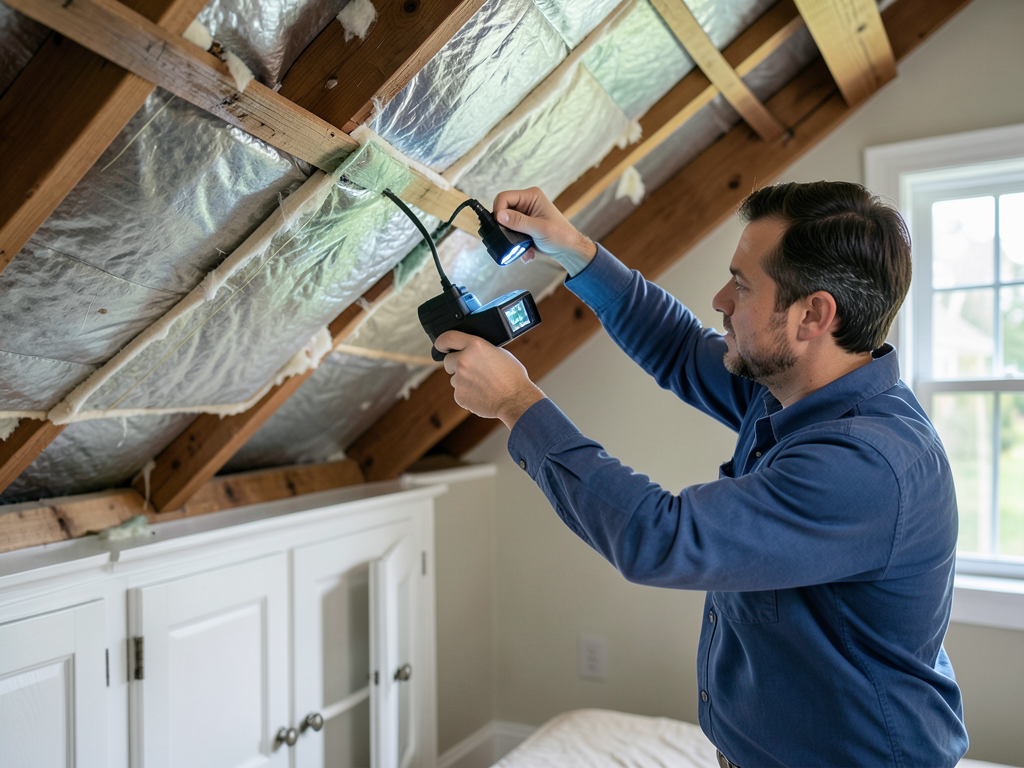
Why Your Saugus Home Needs Better Attic Insulation Before You Replace the Furnace Many Saugus homeowners rush to replace their furnace when energy bills spike, but the real culprit might be hiding above your head.…
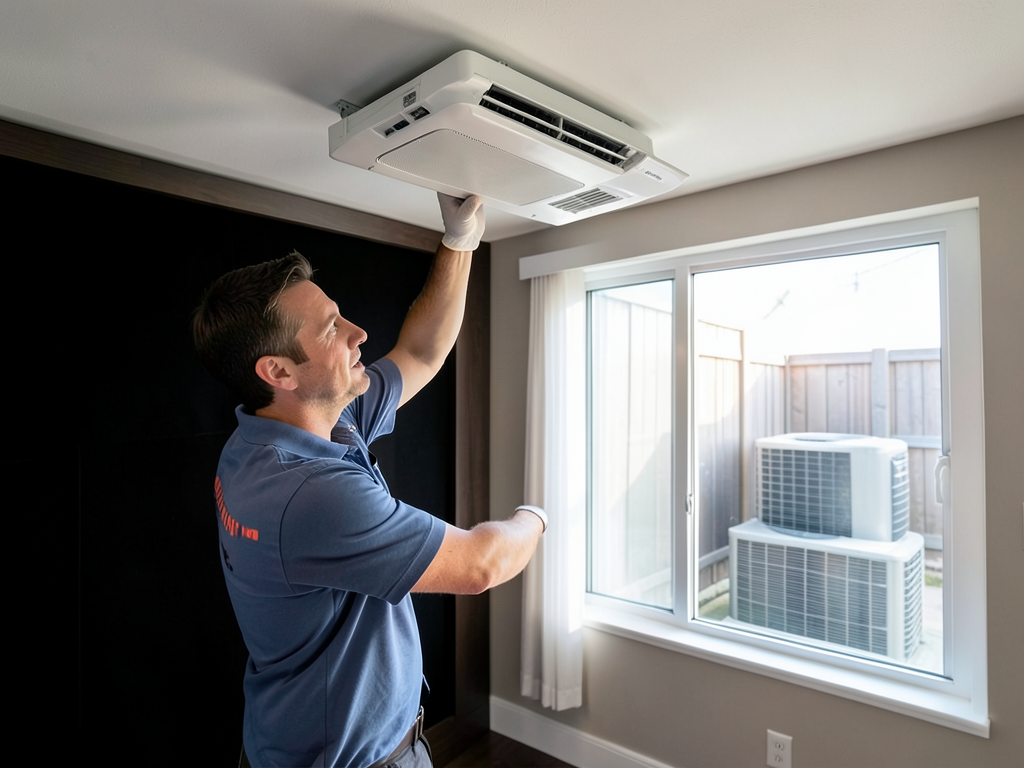
Finding a Silent HVAC Solution for Your Home Theater or Media Room in Wellesley If…
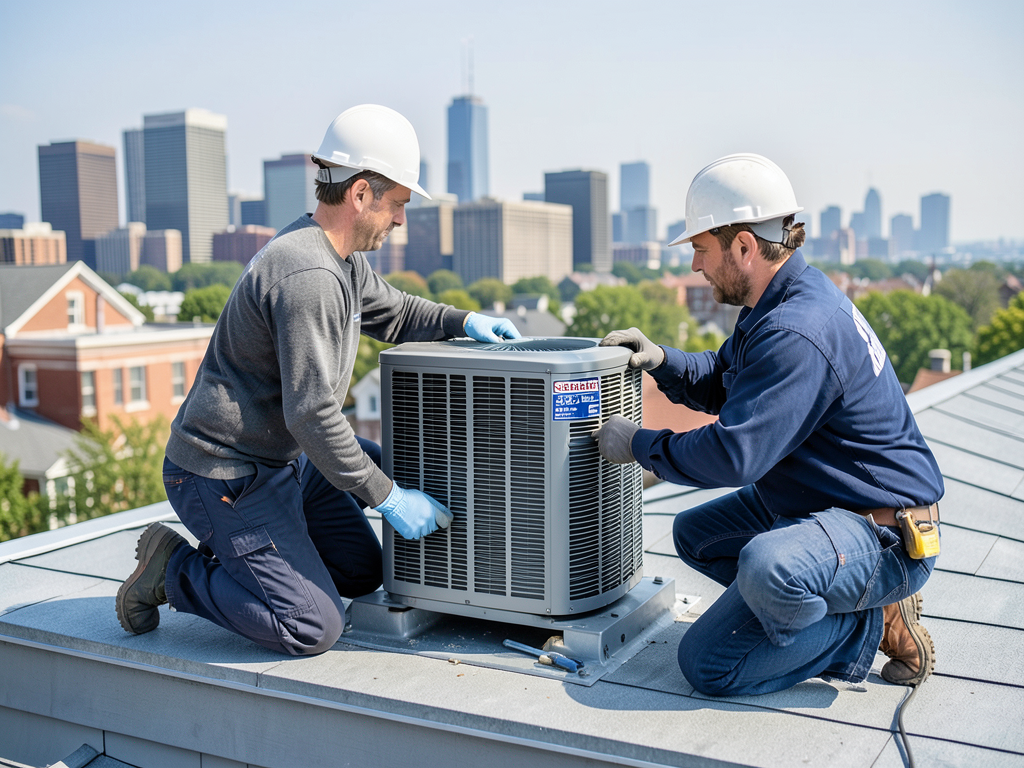
What the New SEER2 Efficiency Standards Mean for Your Next Boston AC Upgrade The Department…

Large multi-story homes in Newton often suffer from uneven temperatures where some rooms feel like…
Call Titan HVAC Boston now at (617) 758-1599 for immediate HVAC service in Belmont. Our technicians are ready to dispatch to your home, diagnose the problem, and restore your heating or cooling fast. Don't wait until discomfort becomes dangerous.