





Menu

Troubleshooting AC Issues in Boston – Expert Diagnostics That Pinpoint Problems Fast

When your air conditioner fails, you need accurate troubleshooting AC issues help that identifies the root cause without guesswork. Titan HVAC Boston delivers systematic diagnostics that save you time and money.

Slider Image 1
Slider Image 2
Slider Image 3
Slider Image 4
Slider Image 5
Slider Image 7
Slider Image 8
Slider Image 9
Slider Image 10
Slider Image 11

Why Air Conditioner Problems Hit Boston Homes Harder

Boston's short cooling season creates a false sense of security. Your air conditioner sits dormant for eight months, then you flip the switch in June and nothing happens. Or worse, it runs but delivers weak airflow and humid air that never seems to cool properly.

The problem is compounded by Boston's older housing stock. Triple-deckers in Dorchester and Cambridge brownstones were built before central air became standard. Retrofit installations often involve compromised ductwork, undersized electrical panels, and units mounted in challenging locations that make diagnosing air conditioner problems more complex.

Boston's extreme temperature swings add stress to every component. Your compressor battles 95-degree July humidity, then sits exposed to February freeze-thaw cycles. Salt air from the harbor corrodes condenser coils in neighborhoods like Charlestown and East Boston. These conditions accelerate wear patterns you would not see in milder climates.

When your system fails, you face a narrow window. HVAC system diagnostics must happen quickly because Boston summers are brief but brutal. A three-day heatwave with no cooling affects your sleep, your productivity, and your family's comfort. Proper central air troubleshooting requires understanding how Boston's climate and architecture create unique failure modes. Generic diagnostic checklists miss the specific issues that plague systems in this region.

Identifying AC faults starts with recognizing that Boston systems experience different stress patterns than units in consistent climates. Your troubleshooting needs to account for extended dormancy, corrosive salt exposure, and the thermal shock of rapid temperature changes.

Why Air Conditioner Problems Hit Boston Homes Harder
How Systematic Diagnostics Eliminate Guesswork

How Systematic Diagnostics Eliminate Guesswork

Effective HVAC system diagnostics follow a logical sequence that rules out variables methodically. You start at the thermostat and work outward, checking voltage, continuity, and mechanical function at each point in the system. This approach prevents the expensive mistake of replacing components that were never faulty.

We begin with electrical verification. Low voltage at the thermostat often signals a blown transformer or tripped breaker, not a failed compressor. Testing voltage at the condensing unit determines whether power is reaching your outdoor equipment. Many service calls end here when we find a tripped disconnect switch the homeowner did not know existed.

Refrigerant pressure testing comes next. Gauges connected to service ports reveal whether your system is overcharged, undercharged, or restricted. Low suction pressure with high superheat indicates a refrigerant leak or restriction in the metering device. High head pressure with normal subcooling suggests a dirty condenser coil or failing fan motor. These pressure signatures tell us exactly where the fault exists.

Airflow measurement completes the diagnostic picture. We measure static pressure across the blower and temperature differential across the evaporator coil. Insufficient airflow causes dozens of secondary problems. A dirty filter creates high static pressure that reduces system capacity and freezes the coil. Undersized ductwork in retrofit installations creates velocity problems that no amount of equipment replacement will fix.

Central air troubleshooting requires testing the entire system as a circuit, not just inspecting individual parts. Titan HVAC Boston uses digital manifolds, psychrometers, and amp meters to gather objective data. This eliminates the guesswork that leads to unnecessary repairs and callback visits.

What Happens During Your AC Diagnostic Visit

Troubleshooting AC Issues in Boston – Expert Diagnostics That Pinpoint Problems Fast
01

Initial System Assessment

We document your specific complaint and observe a complete cooling cycle. You explain when the problem occurs, what sounds you hear, and how long the issue has persisted. We check your thermostat settings, examine your air filter, and verify that all disconnect switches are engaged. This initial assessment often reveals simple issues like incorrect thermostat programming or closed supply registers that restrict airflow through the system.
02

Component Testing Protocol

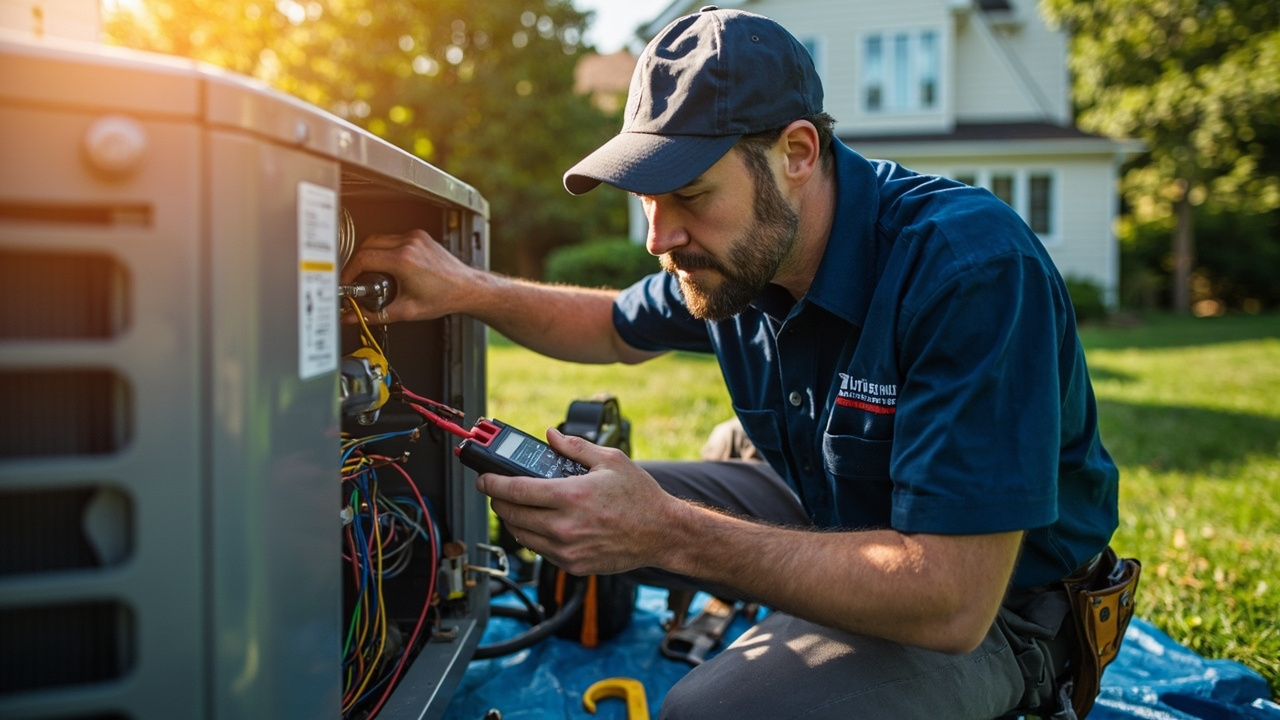
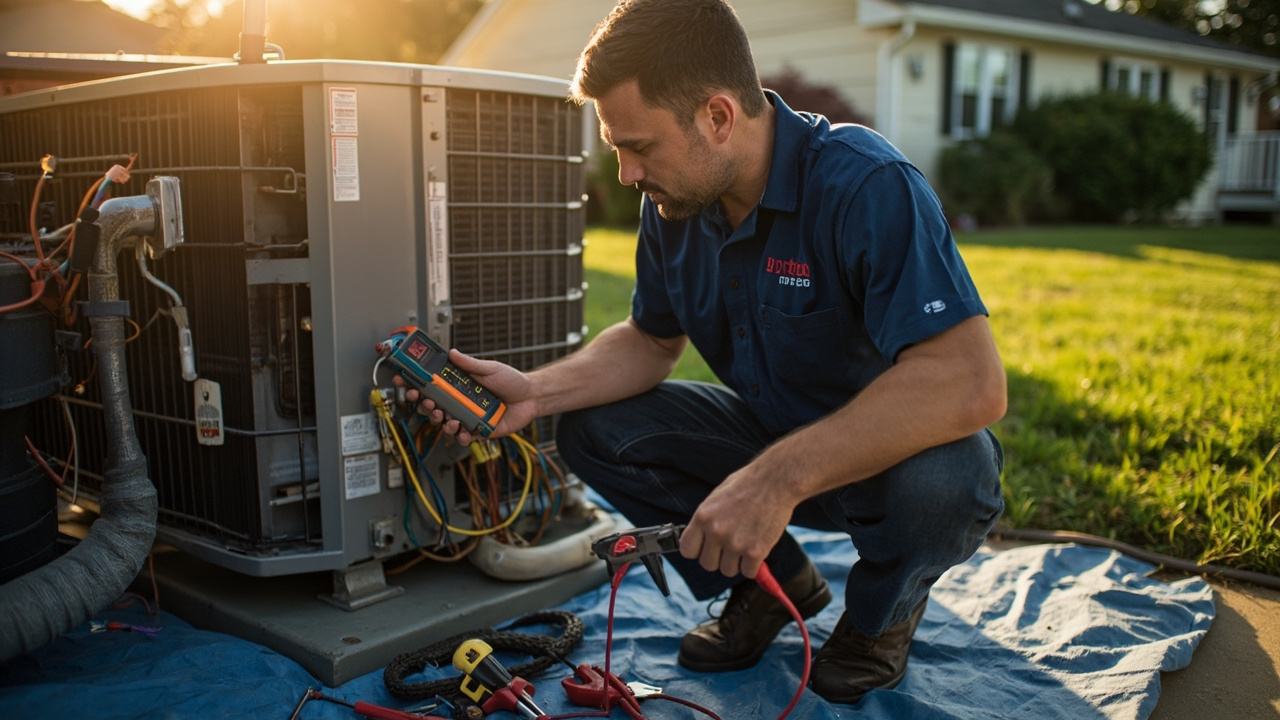
We test electrical components with multimeters, checking voltage and amperage at the compressor, condenser fan motor, and blower motor. Refrigerant pressures are measured at both service ports while the system runs. We inspect the evaporator coil for ice buildup, check the condensate drain for blockages, and examine all electrical connections for signs of overheating. Each test either confirms proper function or isolates a specific fault in the cooling circuit.
03

Diagnosis and Recommendations

You receive a clear explanation of what we found, why it failed, and what repair options exist. We provide written estimates for necessary repairs, explaining how each component affects system performance. You learn whether your problem requires a simple fix or signals broader system issues that warrant replacement consideration. We answer your questions about timing, cost factors, and whether temporary solutions exist if you need to delay repairs.

Why Boston Homeowners Choose Titan HVAC for Diagnostic Work

Accurate diagnostics require familiarity with how Boston's building stock affects HVAC performance. We understand the electrical limitations of older homes in neighborhoods like Beacon Hill and Jamaica Plain, where 100-amp service panels struggle to support modern cooling loads. We recognize the ductwork compromises common in South End row houses, where vertical chases and limited basement space force creative installation solutions.

Our technicians know how salt air from Boston Harbor accelerates corrosion on condenser coils in waterfront neighborhoods. We have seen how ice dams and roof leaks in Allston and Brighton damage attic-mounted air handlers. This local experience matters when identifying AC faults because the failure patterns we diagnose daily in Boston differ from problems in newer construction or different climates.

We carry diagnostic equipment that goes beyond basic testing. Our digital manifolds calculate superheat and subcooling automatically, eliminating math errors that lead to misdiagnosis. We use combustion analyzers to test furnace operation alongside AC diagnostics, catching carbon monoxide issues before they become safety emergencies. Our thermal imaging cameras reveal ductwork leaks and insulation failures invisible to standard inspection methods.

Boston's compressed cooling season means you cannot afford multiple diagnostic visits. We solve problems on the first trip by bringing comprehensive testing equipment and maintaining relationships with local supply houses that stock parts for older equipment. When we diagnose a failed compressor in a 15-year-old Carrier unit, we know whether that specific model is worth repairing or if system replacement makes more financial sense.

Titan HVAC Boston technicians complete ongoing training in refrigerant regulations, electrical code updates, and new diagnostic protocols. You get current expertise, not outdated troubleshooting methods that miss modern system features.

What to Expect from Professional AC Diagnostics

Diagnostic Visit Timing

Most diagnostic visits take 60 to 90 minutes for residential systems. Complex issues or commercial equipment require additional time. We schedule appointments in two-hour windows to accommodate travel time across Boston and Cambridge. Emergency diagnostic calls receive priority scheduling, typically within four hours during business days. You receive a call when our technician is en route, so you know exactly when to expect us. Weekend and evening appointments are available during cooling season to minimize your discomfort.

How the Diagnostic Process Works

Your technician arrives with testing equipment and explains what he will check. You show him the equipment location and describe the symptoms you have observed. He performs visual inspection, electrical testing, and refrigerant analysis while explaining what he finds. You receive a written diagnostic report that documents all test results, photographs of any damaged components, and clear explanations of what failed. If repairs can be completed immediately, you receive pricing before any work begins. Complex repairs requiring parts orders come with detailed estimates and timeline projections.

The Diagnostic Result

You receive definitive answers about what is wrong and what it will cost to fix. Our diagnostic reports include equipment model and serial numbers, refrigerant type and charge specifications, and electrical ratings for all major components. You get repair options ranked by priority, so you understand what must be fixed immediately versus what can wait. If your system is beyond economical repair, you receive honest guidance about replacement timing and sizing requirements for your specific home. No pressure, no upselling, just clear information that helps you make informed decisions.

Follow-Up and Support

Diagnostic visits include 30 days of follow-up support. If you have questions about your report or need clarification on repair options, you can call us directly. When you approve repairs, the diagnostic fee typically applies toward the repair cost. We maintain service records for all diagnostic work, so future technicians have access to your system history and previous test results. Seasonal maintenance customers receive discounted diagnostic fees and priority scheduling during peak cooling season when service demand is highest across the Boston metro area.

Frequently Asked Questions

You Have Questions,
We Have Answers

How do I diagnose what's wrong with my AC? +

Start with the basics. Check your thermostat settings and replace the air filter if it looks dirty. Walk outside and listen to your condenser unit. Is it running? Does it sound unusual? Look for ice buildup on the refrigerant lines or around the evaporator coil. Check your circuit breaker to confirm power flow. If airflow seems weak, inspect vents for blockages. Boston's humidity can clog filters fast, especially in summer. If these steps do not reveal the issue, the problem likely involves refrigerant levels, compressor failure, or electrical components that require professional diagnosis.

What is the 3 minute rule for AC? +

The 3 minute rule prevents compressor damage during short cycling. After your AC shuts off, wait at least three minutes before restarting it. This allows refrigerant pressure to equalize between the high-pressure and low-pressure sides of the system. Restarting too quickly forces the compressor to work against unbalanced pressure, which shortens its lifespan and can cause immediate failure. This rule applies whether you are adjusting the thermostat or resetting a tripped breaker. Boston's fluctuating spring and fall temperatures can tempt frequent thermostat adjustments. Always wait.

What is the $5000 rule for AC? +

The $5000 rule helps you decide between repair and replacement. If your AC repair cost multiplied by the age of your unit exceeds $5000, replacement makes more financial sense. For example, a $400 repair on a 10-year-old unit equals $4000, so repair it. A $600 repair on a 12-year-old unit equals $7200, so replace it. Boston's coastal humidity accelerates corrosion, which means units here often fail earlier than the national average. Factor in rising energy costs and refrigerant phase-outs when making your decision.

How to figure out what's wrong with AC? +

Begin with the thermostat. Confirm it is set to cool and the temperature is below the current room reading. Check the air filter next. A clogged filter blocks airflow and mimics bigger problems. Inspect the outdoor condenser unit for debris, bent fins, or blockages. Listen for unusual sounds like grinding, squealing, or clicking. Check for ice on the refrigerant lines or condensate leaks near the indoor unit. Boston's pollen-heavy springs and humid summers stress AC systems. If basic checks reveal nothing, refrigerant leaks, compressor issues, or ductwork problems require professional tools.

Why is my AC set to 72 but reads 78? +

Your AC struggles to reach the set temperature due to undersized capacity, restricted airflow, low refrigerant, or ductwork leaks. Check your air filter first. A dirty filter chokes airflow and reduces cooling efficiency. Inspect supply vents to confirm they are open and unblocked. If the outdoor condenser runs constantly but the indoor temperature climbs, you likely have a refrigerant leak or a failing compressor. Boston's high summer humidity makes it harder for systems to dehumidify and cool simultaneously. If the gap persists after filter replacement, call a technician to test refrigerant levels.

What is the most common AC problem? +

Dirty air filters cause most AC problems. A clogged filter restricts airflow, forcing your system to work harder and longer. This leads to frozen evaporator coils, overheated compressors, and higher energy bills. Boston's dense pollen in spring and humidity in summer accelerate filter clogging. Check your filter monthly during cooling season and replace it when it looks gray or matted. Standard fiberglass filters should be changed every 30 days. Pleated filters last 60 to 90 days. Ignoring this simple task leads to expensive compressor or blower motor failures.

How cool should my house be if it's 100 outside? +

Expect your AC to maintain an indoor temperature 15 to 20 degrees below the outdoor temperature. If it is 100 degrees outside in Boston, your system should keep your home between 80 and 85 degrees, assuming proper insulation and normal humidity. Pushing your thermostat lower forces the system to run continuously, which strains the compressor and wastes energy. Boston's coastal humidity adds latent heat load, making it harder to cool efficiently. Close blinds during peak sun hours and use ceiling fans to improve comfort without overworking your AC.

How to tell if an AC capacitor is bad? +

A failing capacitor shows clear signs. Your AC hums but does not start, or it shuts off randomly after running briefly. You might hear clicking sounds from the outdoor unit or notice the fan spinning slowly. Capacitors store energy to start the compressor and fan motors. Boston's temperature swings stress capacitors, shortening their lifespan to five to seven years. Do not attempt DIY testing. Capacitors hold a dangerous electrical charge even when power is off. A technician uses a multimeter to measure microfarads and confirms failure before replacement.

Why is my AC blowing cool but not cold? +

Your AC blows cool air instead of cold air due to low refrigerant, a dirty evaporator coil, or a failing compressor. Low refrigerant means your system cannot absorb enough heat, so the air feels tepid. A dirty evaporator coil reduces heat exchange efficiency. Check your air filter first. A clogged filter causes ice buildup on the coil, which blocks airflow and reduces cooling. Boston's humidity accelerates coil dirt accumulation. If the filter is clean and ice is present, turn off the system and let it thaw before calling a technician.

What is the life expectancy of an air conditioner? +

Most air conditioners last 12 to 15 years with proper maintenance. Boston's coastal salt air and freeze-thaw cycles shorten lifespans compared to drier climates. Units exposed to harsh winters and humid summers corrode faster. Annual maintenance, clean filters, and prompt repairs extend longevity. Systems older than 10 years using R-22 refrigerant face expensive repair costs due to refrigerant phase-outs. If your unit requires frequent repairs or struggles to maintain temperature, replacement becomes more cost-effective. Modern systems offer better efficiency and humidity control for Boston's demanding climate.

How Boston's Seasonal Dormancy Complicates AC Diagnostics

Your air conditioner sits unused from October through May. This eight-month dormancy allows problems to develop invisibly. Refrigerant leaks in outdoor coils go undetected until you need cooling in June. Compressor bearings seize from months of inactivity. Condensate drains dry out, allowing drain traps to lose their water seal and admit humid basement air into ductwork. Boston's freeze-thaw cycles damage outdoor electrical connections, creating intermittent faults that appear only when temperatures climb above 80 degrees. Effective HVAC system diagnostics in this climate must account for dormancy-related failures that do not occur in year-round cooling regions. When troubleshooting AC issues here, we test components that rarely fail in consistent-use climates.

Boston's mix of old and new construction creates diagnostic challenges that require local expertise. We understand how undersized electrical service in Back Bay brownstones affects compressor starting current. We recognize the ductwork limitations in Jamaica Plain triple-deckers where adding central air meant compromising return air paths. Identifying AC faults in these buildings requires familiarity with retrofit installation challenges specific to Boston's architectural patterns. Titan HVAC Boston has diagnosed cooling problems in every neighborhood from Roslindale to East Boston. We know which equipment brands were popular during different construction eras and how those units fail after decades of seasonal cycling. This local knowledge base eliminates trial-and-error diagnostics that waste your time and money.
HVAC Services in The Boston Area

We are proud to serve our valued clients across the entire region. Whether you're in the city center or a surrounding community, our dedicated team is ready to provide top-notch HVAC services right to your doorstep. You can locate our main office here, and we encourage you to reach out to schedule a service, explore our offerings, or discuss your heating and cooling needs with our expert team. We look forward to serving you!

Address:
Titan HVAC Boston, 94 Shirley St, Boston, MA, 02119

Additional Services We Offer

Our news updates

Latest Articles & News from The Blogs

Finding a Silent HVAC Solution for Your Home Theater or Media Room in Wellesley If you've ever had to pause…

Finding a Silent HVAC Solution for Your Home Theater or Media Room in Wellesley

Finding a Silent HVAC Solution for Your Home Theater or Media Room in Wellesley If you've ever had to pause…

What the New SEER2 Efficiency Standards Mean for Your Next Boston AC Upgrade

What the New SEER2 Efficiency Standards Mean for Your Next Boston AC Upgrade The Department of Energy rolled out new…

How Smart Vents Can Fix Hot and Cold Spots in Large Multi-Story Newton Homes

Large multi-story homes in Newton often suffer from uneven temperatures where some rooms feel like a sauna while others stay…

Contact Us

Stop guessing what is wrong with your air conditioner. Call Titan HVAC Boston at (617) 758-1599 for systematic diagnostics that identify the real problem. We provide clear answers and honest repair options, no pressure.