




Menu

Furnace Pilot Light Issues in Boston – Expert Diagnosis and Permanent Repair

When your pilot light won't stay lit or keeps going out, you need technicians who understand the root cause. Titan HVAC Boston provides thorough furnace pilot light diagnostics and lasting solutions for homes across the greater Boston metro.

Slider Image 1
Slider Image 2
Slider Image 3
Slider Image 4
Slider Image 5
Slider Image 7
Slider Image 8
Slider Image 9
Slider Image 10
Slider Image 11

Why Boston Furnaces Struggle with Pilot Light Problems

You wake up to a cold house. The furnace is silent. You check the pilot light and it's out again. This is the third time this month.

Pilot light won't stay lit problems are common in Boston because of our extreme temperature swings. When outside temps drop from 45 degrees to 15 degrees overnight, the expansion and contraction of metal components in your gas furnace can shift the thermocouple position by fractions of an inch. That's enough to cause a gas furnace pilot light malfunction.

Boston's coastal humidity adds another layer of complexity. Moisture infiltration corrodes the pilot assembly over time. Salt air from the harbor accelerates this process in neighborhoods like Charlestown, East Boston, and South Boston. The result is pilot light keeps going out issues that seem random but are actually environmental.

Older homes in Back Bay, Beacon Hill, and Jamaica Plain often have original furnace installations from the 1970s and 1980s. These systems use standing pilot lights rather than electronic ignition. The thermocouples in these units degrade faster in Boston's climate. When the thermocouple fails to sense flame properly, it shuts off the gas supply as a safety measure. You get a pilot light that lights briefly, then dies.

Draft issues are another culprit. Boston's wind patterns, especially in winter, can create negative pressure in basements and utility rooms. This backdraft can blow out your pilot light or starve it of oxygen. If your pilot light not working coincides with windy days, you likely have a combustion air problem.

The fix is not just relighting the pilot. You need someone who understands why it went out in the first place.

Why Boston Furnaces Struggle with Pilot Light Problems
How We Diagnose and Repair Gas Furnace Pilot Light Malfunctions

How We Diagnose and Repair Gas Furnace Pilot Light Malfunctions

We do not just relight your pilot and leave. That approach wastes your time and money because the problem will return.

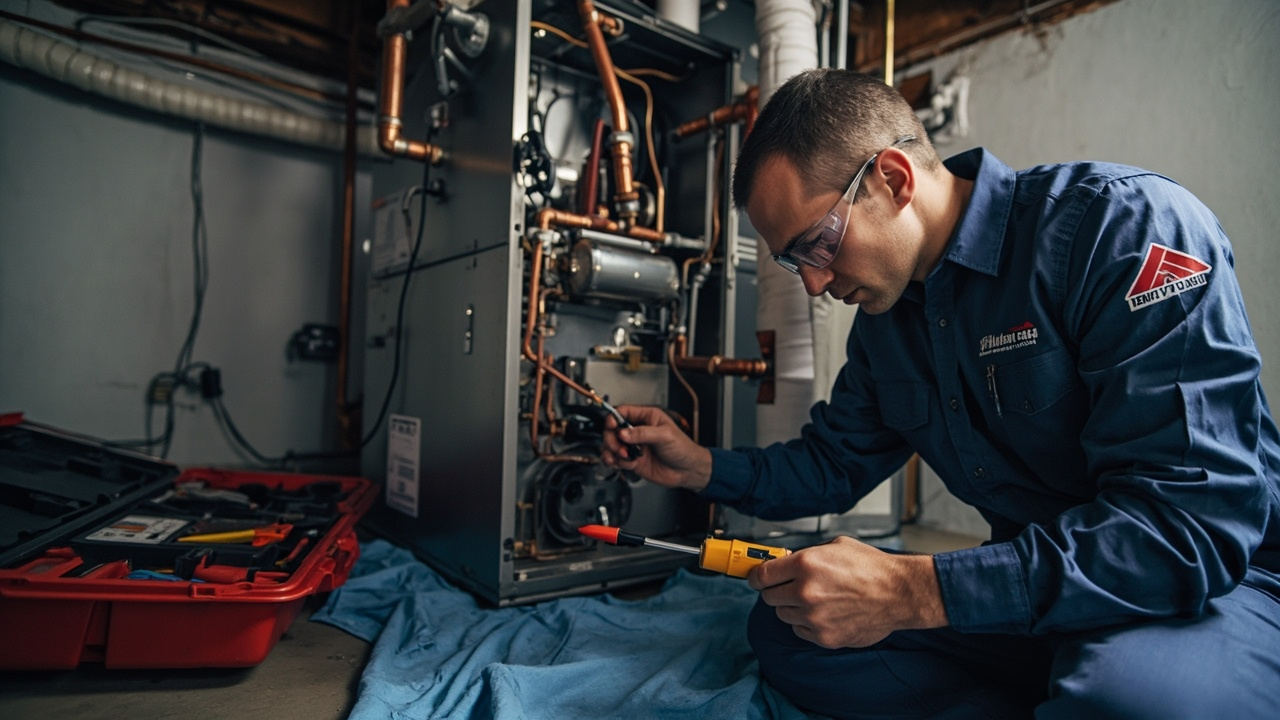
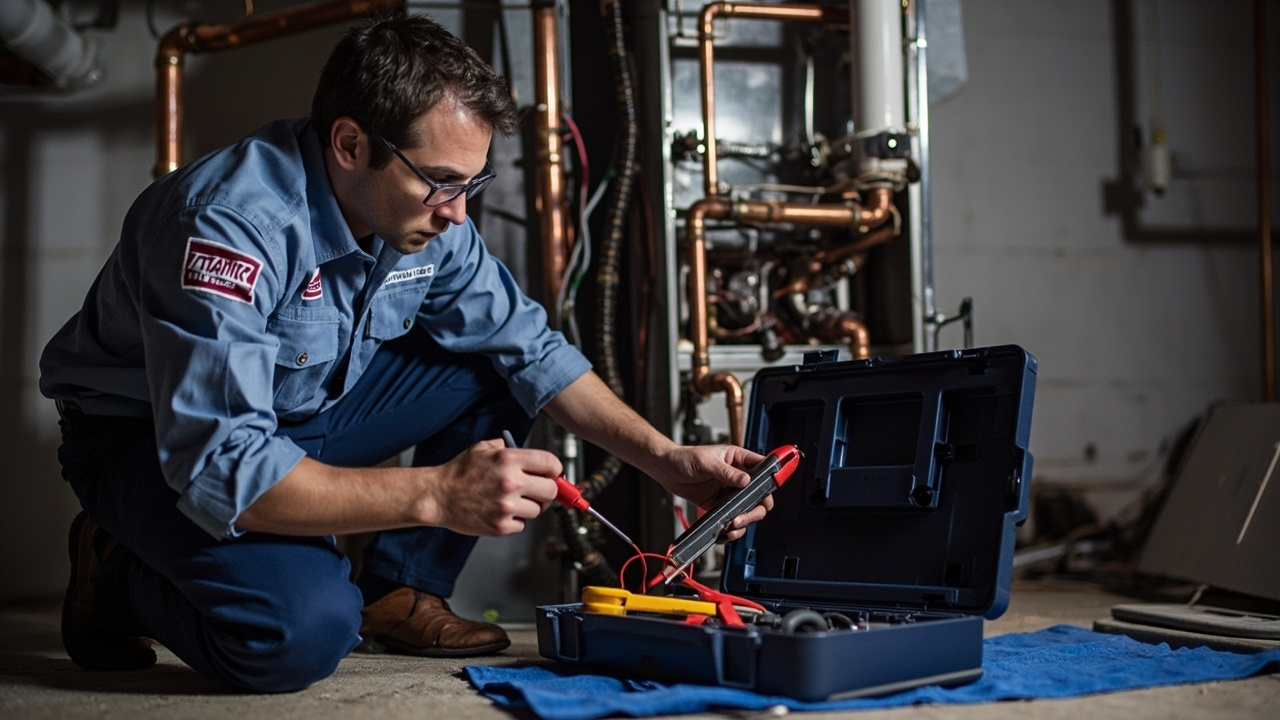
Our diagnostic process starts with the thermocouple. This small copper rod sits in the pilot flame and generates a tiny electrical current when heated. If the thermocouple is corroded, misaligned, or weak, it cannot hold the gas valve open. We test the millivolt output with a multimeter. Healthy thermocouples generate 25 to 30 millivolts. Anything below 20 millivolts means replacement.

Next, we inspect the pilot orifice. This tiny brass fitting meters the gas flow to the pilot. When dust, rust, or mineral deposits clog the orifice, the flame becomes weak or yellow instead of blue. A weak flame cannot heat the thermocouple properly. We clean or replace the orifice based on its condition.

We check the gas valve itself. Some gas valves have internal diaphragms that wear out over time. If the valve cannot maintain proper gas pressure to the pilot, no amount of cleaning will fix the issue. We measure the manifold pressure with a manometer to verify the valve is functioning within specification.

Draft and combustion air are next. We inspect the flue pipe for obstructions, measure the draft with a draft gauge, and verify that the furnace has adequate combustion air supply. Negative pressure in the mechanical room can pull the pilot flame off the thermocouple, causing intermittent shutdowns.

Finally, we test the system under load. We run the furnace through multiple cycles to confirm the pilot stays lit during ignition, burner operation, and shutdown. This step catches problems that only occur when the furnace is actively heating.

What Happens During a Pilot Light Service Call

Furnace Pilot Light Issues in Boston – Expert Diagnosis and Permanent Repair
01

Initial Safety Assessment

We start by checking for gas leaks around the pilot assembly and gas valve using electronic detection equipment. Safety comes first. We also inspect the heat exchanger for cracks or corrosion that could allow carbon monoxide into your home. If we find any safety issues, we address them immediately before continuing with the pilot light repair.
02

Component Testing and Measurement

We test the thermocouple output, measure gas pressure at the manifold, and inspect the pilot orifice and flame sensor. Each component gets measured against manufacturer specifications. We document the readings so you know exactly what is wrong and why. This eliminates guesswork and prevents unnecessary part replacements that do not fix the underlying problem.
03

Repair and Verification

After identifying the root cause, we replace or clean the faulty components. We relight the pilot using the proper procedure for your furnace model, then cycle the system multiple times to confirm stability. Before we leave, we verify proper flame color, check for gas odors, and test the limit switches to ensure the furnace operates safely under all conditions.

Why Boston Homeowners Trust Titan HVAC for Furnace Pilot Light Problems

Most HVAC companies in Boston send technicians who relight the pilot and collect the service fee. The pilot goes out again two days later. You call back. They charge you again. This cycle repeats until you give up and buy a new furnace.

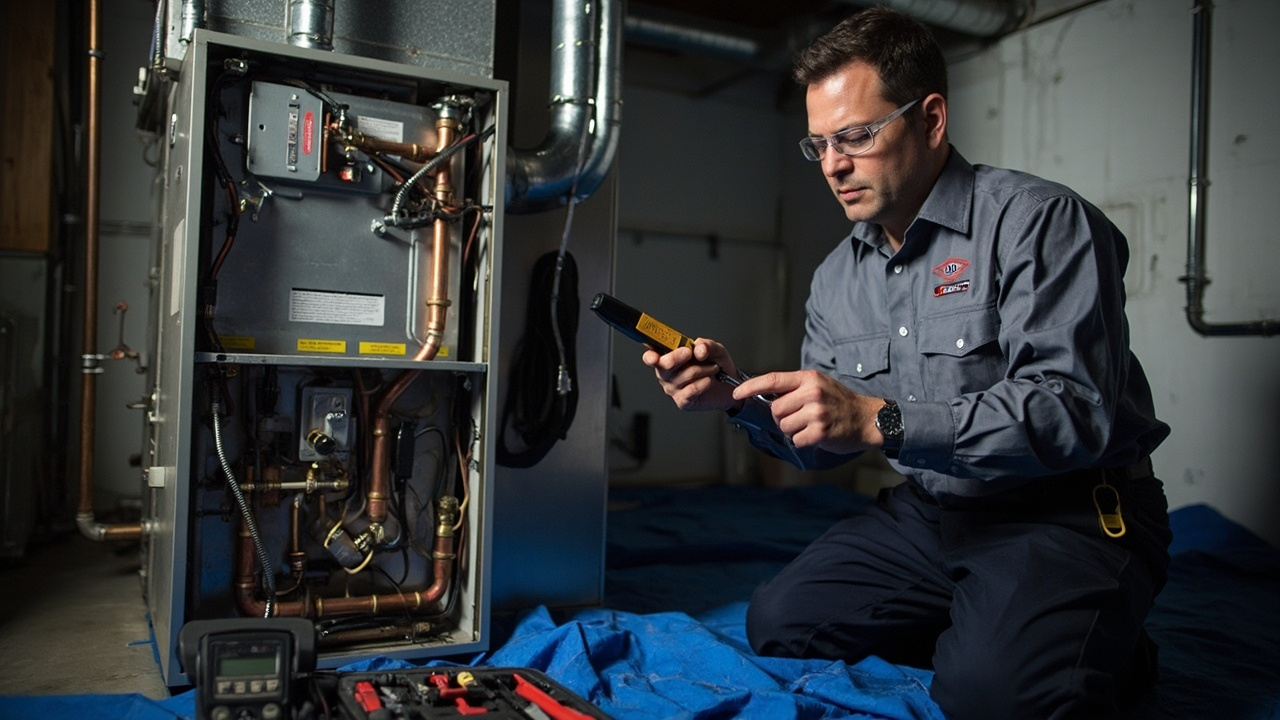
We do not operate that way. Our technicians carry the diagnostic equipment needed to identify the actual failure point. Multimeters, manometers, draft gauges, and combustion analyzers are standard tools on every service truck. We measure, we test, and we verify. You get a diagnosis based on data, not guesswork.

Boston's housing stock is unique. Triple-deckers in Dorchester have different ventilation characteristics than brownstones in the South End. Single-family homes in Roslindale have different ductwork configurations than condos in the Seaport District. Our technicians understand these differences because they work in these neighborhoods every day.

We also understand local code requirements. Boston has strict regulations around combustion air supply, venting, and carbon monoxide detection. Many older furnaces were installed before these codes took effect. When we repair a pilot light issue, we also identify any code compliance gaps that could affect your safety or create problems during a home sale.

Our familiarity with Boston's climate patterns gives us an edge. We know that furnaces in coastal neighborhoods corrode faster. We know that homes near the Charles River deal with higher humidity. We know that furnaces in uninsulated basements in Allston and Brighton struggle more during cold snaps. This local knowledge informs our repair recommendations.

You are not just getting a repair. You are getting a solution designed for your specific home, your specific neighborhood, and Boston's specific environmental challenges.

What to Expect When You Call Titan HVAC Boston

Same-Day Service Availability

When your pilot light keeps going out, you lose heat. In Boston winters, that becomes a safety issue fast. We prioritize pilot light calls because we know how quickly temperatures drop overnight. Most calls are scheduled within hours, not days. Our dispatch system routes the closest available technician to your location. If you call before noon, you can usually get service the same day. Evening and weekend appointments are available because furnace problems do not follow business hours.

Thorough Diagnostic Process

The service call starts with a visual inspection of the entire pilot assembly, gas valve, and venting system. We test the thermocouple voltage, measure gas pressure, and check for proper draft. You receive a written diagnosis that explains what failed, why it failed, and what needs to happen to fix it permanently. We show you the readings so you can see the problem yourself. If multiple repair options exist, we explain the trade-offs between them. You make the final decision with full information.

Permanent Repair, Not Band-Aids

Our goal is to fix the problem once. If the thermocouple is weak, we replace it with a high-quality universal or OEM part. If the pilot orifice is clogged, we clean it with compressed air and verify proper gas flow. If the gas valve is failing, we replace it rather than trying to coax a few more months out of a dying component. After the repair, we cycle the furnace multiple times and monitor the pilot for stability. You get confirmation that the fix worked before we leave.

Post-Repair Support and Maintenance

If your pilot light issue returns within 30 days, we come back at no additional charge. This is not a warranty. This is a quality guarantee. If we fixed the problem correctly, it should stay fixed. We also offer annual maintenance plans that include pilot assembly cleaning, thermocouple testing, and combustion analysis. Regular maintenance catches small issues before they turn into cold nights. You get priority scheduling, discounted service rates, and the peace of mind that comes from knowing your furnace is monitored by professionals.

Frequently Asked Questions

You Have Questions,
We Have Answers

Why is my furnace pilot light not igniting? +

A furnace pilot light fails to ignite due to several common causes. Your thermocouple may have failed and needs replacement. Gas supply issues, such as a closed valve or empty propane tank, prevent ignition. The pilot orifice can clog with dirt and carbon buildup, restricting gas flow. A faulty gas valve blocks fuel delivery to the burner assembly. In Boston homes with older furnaces, drafts from high winds or basement air leaks can blow out the flame before it stabilizes. The igniter electrode may be cracked or positioned incorrectly. Check the gas supply first, then call a technician to diagnose thermocouple or valve problems.

What are the symptoms of a bad igniter on a furnace? +

A failing furnace igniter shows clear warning signs. You hear the furnace click or hum, but the burners never light. The igniter glows faintly orange or yellow instead of bright white hot. You notice the furnace runs through multiple ignition cycles before lighting, or fails completely. Some igniters crack visibly, showing hairline fractures in the ceramic element. The system shuts down repeatedly with error codes on the control board. In Boston's damp basements, corrosion on electrical connections can mimic igniter failure. Your furnace may light intermittently, working one day and failing the next. These symptoms require professional diagnosis to prevent complete heating loss.

Why do I have to keep relighting my pilot light? +

Repeated pilot light relighting signals a failing thermocouple. This safety device shuts off gas when it cannot sense flame heat. Boston's winter drafts from chimney backdrafts or basement door gaps extinguish weak flames. A dirty pilot orifice creates an unstable, weak flame that blows out easily. The gas pressure may be set too low for consistent ignition. Furnace venting problems cause downdrafts that snuff out the pilot. A misaligned thermocouple positioned too far from the flame cannot maintain proper heat sensing. Older furnaces with worn thermocouples need replacement to restore reliable operation. Stop relighting repeatedly and call a technician to prevent gas accumulation hazards.

How do you know if your thermocouple is bad on your furnace? +

A bad thermocouple shows specific failure signs. The pilot lights but goes out immediately when you release the control knob. You can hold the button for several minutes and the pilot still dies. Visual inspection reveals heavy corrosion or a bent sensor probe. Using a multimeter, the thermocouple produces less than 20 millivolts when heated. The connection at the gas valve feels loose or corroded. Boston's humid basement conditions accelerate thermocouple corrosion faster than dry climates. The pilot flame color appears yellow or weak instead of strong blue. Your furnace may be decades old with original components past their service life. Thermocouples cost little but require proper installation.

What to do if the pilot light won't relight? +

When your pilot refuses to relight, follow these steps. First, wait five minutes for residual gas to clear. Check that the gas supply valve is fully open and you have propane or natural gas service. Turn the control knob to pilot position and hold down firmly while using a long lighter at the pilot orifice. Hold the knob for 30 to 60 seconds after ignition to heat the thermocouple. If it still fails, the thermocouple, gas valve, or pilot assembly needs professional service. Never force repeated ignition attempts, which can flood the chamber with unburned gas. In Boston, call a licensed technician rather than risk carbon monoxide exposure or gas leaks.

What are the common causes of pilot light issues? +

Pilot light failures stem from predictable causes. Thermocouples wear out and stop sensing flame heat properly. The pilot orifice clogs with dust, lint, and carbon deposits, starving the flame. Gas supply interruptions from closed valves or service outages prevent ignition. Boston's freeze-thaw cycles cause furnace components to expand and contract, loosening connections. Drafts from basement windows, doors, or chimney backdrafts blow out weak flames. Faulty gas valves fail to deliver proper fuel pressure. Corroded electrical connections disrupt the ignition control board. Improper venting creates negative pressure that extinguishes pilots. Most issues require component replacement, not adjustment. Annual maintenance prevents these common failures.

Can I replace an ignitor myself? +

Replacing a furnace igniter yourself is possible but not recommended. The job requires shutting off gas and electrical power completely. You must remove the burner assembly to access the igniter mounting bracket. Hot surface igniters crack easily when handled, and aftermarket parts often fail prematurely. Incorrect wire connections create dangerous short circuits. Boston's strict building codes may require permitted work for gas appliance repairs. You risk cracking the new igniter during installation, wasting money on parts. Most importantly, improper installation can cause gas leaks or carbon monoxide hazards. Professional technicians diagnose related problems like failed flame sensors or control boards during igniter replacement. Leave this repair to licensed HVAC contractors.

What is the life expectancy of a furnace igniter? +

Modern hot surface igniters last four to seven years under normal conditions. Usage patterns affect longevity significantly. Furnaces that cycle frequently wear igniters faster than units with longer run times. Power surges and voltage fluctuations shorten igniter life. Boston homes with hard water and high humidity experience faster ceramic degradation. Cheap aftermarket igniters may fail within one heating season. OEM manufacturer igniters provide better reliability and warranty coverage. Older furnaces with standing pilot lights avoid igniter replacement entirely, but waste gas continuously. If your furnace exceeds 15 years old, multiple igniter failures may signal the need for system replacement rather than repeated repairs.

How do I reset my furnace ignitor? +

Resetting a furnace igniter involves specific steps. Turn off the furnace completely at the thermostat and power switch. Wait 60 seconds for the control board to clear. Flip the circuit breaker off and back on to power cycle the system. Return the power switch to the on position. Set your thermostat five degrees above room temperature to call for heat. The igniter should glow bright white within 60 seconds, followed by burner ignition. If the sequence fails twice, stop and call for service. Boston homeowners should never bypass safety controls or force repeated reset attempts. The underlying igniter or control board failure requires professional diagnosis and component replacement.

What does it mean if my pilot light won't stay lit? +

A pilot light that ignites but will not stay lit points directly to thermocouple failure. The thermocouple acts as a safety switch, sensing flame heat and allowing gas flow. When it cannot detect sufficient heat, it signals the gas valve to close. Your pilot flame may be too weak or positioned away from the thermocouple sensor. Heavy corrosion on the thermocouple prevents proper electrical conductivity. The electromagnetic gas valve itself may have failed internally. In Boston's older triple-decker homes, improper furnace venting creates pressure imbalances that extinguish flames. A loose thermocouple connection at the gas valve mimics complete failure. This problem requires immediate professional attention to restore safe heating operation.

How Boston's Coastal Climate Accelerates Pilot Light Corrosion

Boston sits on the Atlantic coast, which means salt air is a constant presence, especially in neighborhoods east of I-93. This salt accelerates corrosion on the pilot assembly, thermocouple, and gas valve. Homes within two miles of the harbor see this effect most dramatically. The copper tubing on thermocouples develops green oxidation. Brass pilot orifices pit and corrode. Steel gas valves rust internally. These issues develop faster here than in inland cities. If your furnace is more than 10 years old and you live near the water, the pilot assembly likely needs replacement regardless of current symptoms.

Boston's strict building codes also mean that any furnace work must meet current ventilation and combustion air requirements. Many older triple-deckers and brownstones have furnaces in tight mechanical rooms with inadequate air supply. When we repair a pilot light issue, we also verify that your installation meets code. This protects you from liability during a home sale and ensures your furnace operates safely. Local inspectors know what to look for. We make sure your system passes inspection if one is required.
HVAC Services in The Boston Area

We are proud to serve our valued clients across the entire region. Whether you're in the city center or a surrounding community, our dedicated team is ready to provide top-notch HVAC services right to your doorstep. You can locate our main office here, and we encourage you to reach out to schedule a service, explore our offerings, or discuss your heating and cooling needs with our expert team. We look forward to serving you!

Address:
Titan HVAC Boston, 94 Shirley St, Boston, MA, 02119

Additional Services We Offer

Our news updates

Latest Articles & News from The Blogs

Finding a Silent HVAC Solution for Your Home Theater or Media Room in Wellesley If you've ever had to pause…

Finding a Silent HVAC Solution for Your Home Theater or Media Room in Wellesley

Finding a Silent HVAC Solution for Your Home Theater or Media Room in Wellesley If you've ever had to pause…

What the New SEER2 Efficiency Standards Mean for Your Next Boston AC Upgrade

What the New SEER2 Efficiency Standards Mean for Your Next Boston AC Upgrade The Department of Energy rolled out new…

How Smart Vents Can Fix Hot and Cold Spots in Large Multi-Story Newton Homes

Large multi-story homes in Newton often suffer from uneven temperatures where some rooms feel like a sauna while others stay…

Contact Us

Do not spend another night without heat. Call Titan HVAC Boston at (617) 758-1599 right now. We will diagnose the problem, explain the fix, and get your furnace running reliably. Same-day service available for most Boston neighborhoods.