







Menu

Ductless Mini-Split Systems in Boston – Year-Round Comfort Without Ductwork

Expert installation and service of ductless air conditioners and mini split heat pumps for Boston homes and businesses that need zone control, energy efficiency, and flexible heating and cooling solutions.

Slider Image 1
Slider Image 2
Slider Image 3
Slider Image 4
Slider Image 5
Slider Image 7
Slider Image 8
Slider Image 9
Slider Image 10
Slider Image 11

Why Boston Buildings Need Ductless Solutions

Boston's housing stock presents unique challenges. You live in a city filled with 19th-century brownstones, triple-deckers, and historic townhomes never designed for central air. Adding ductwork to these buildings means tearing into plaster walls, disrupting original millwork, and losing valuable living space. Many Boston buildings simply cannot accommodate traditional forced-air systems without destroying architectural character or violating Historic District guidelines.

Boston's humid summers and brutal winters demand year-round climate control. Traditional window units rattle and leak. Radiator heat leaves rooms uneven and drafty. You need a solution that handles both seasons without major construction. Ductless AC units and mini split heat pumps solve this problem by delivering heating and cooling through small wall-mounted units connected to an outdoor compressor. A three-inch line set passes through a single hole in your exterior wall. No ducts, no demolition, no disruption.

Boston's energy costs rank among the highest in the nation. Heating oil and electric baseboard systems drain your budget every winter. Ductless mini-split systems use inverter-driven compressors that modulate output based on demand, cutting energy use by 30 to 40 percent compared to older HVAC equipment. You get precise temperature control in each zone while reducing your carbon footprint and monthly utility bills. For buildings where traditional systems fail or cost too much, ductless heat pumps deliver the most practical path to comfort.

Why Boston Buildings Need Ductless Solutions
How Ductless Mini-Split Systems Work

How Ductless Mini-Split Systems Work

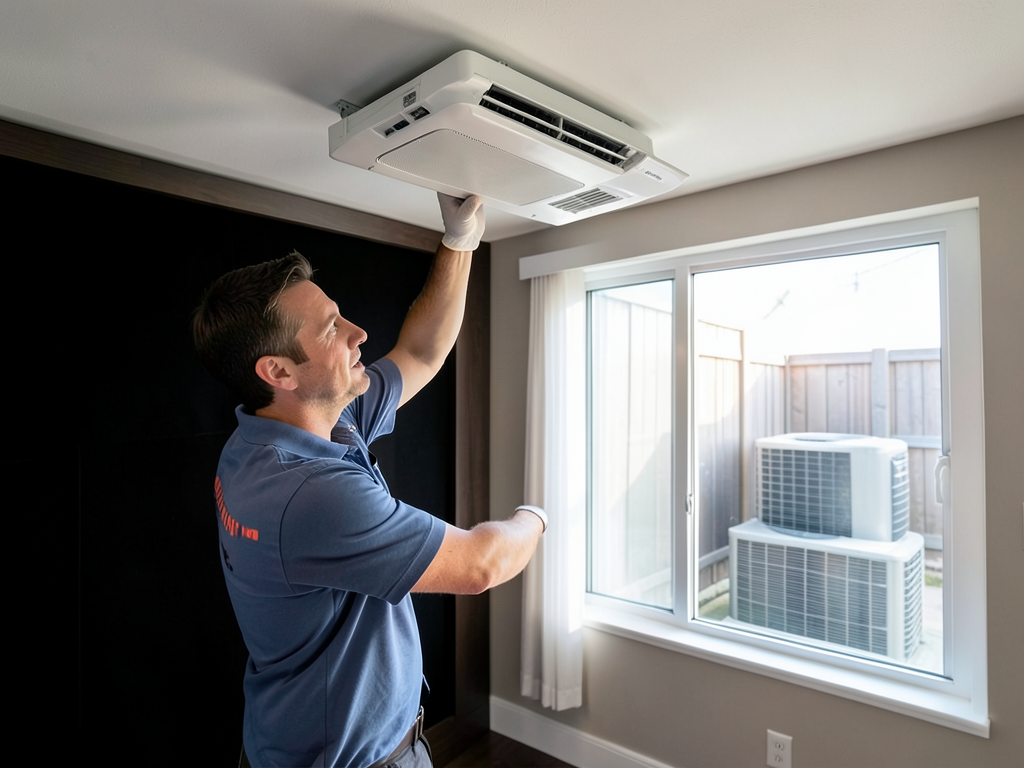
A ductless system separates the refrigeration cycle into two components. The outdoor condenser houses the compressor and heat exchanger. Indoor air handlers mount on walls or ceilings in each zone you want to control. Refrigerant lines, electrical wiring, and condensate drainage run through a small penetration in your exterior wall. Each indoor unit operates independently, allowing you to set different temperatures in different rooms.

The inverter compressor adjusts speed continuously rather than cycling on and off like conventional systems. This variable-speed operation maintains consistent temperatures while using less electricity. During heating mode, the system extracts heat from outdoor air even when temperatures drop below freezing. Advanced heat pump technology in modern mini-splits can operate efficiently down to negative 13 degrees Fahrenheit, covering most Boston winter conditions without backup resistance heat.

Installation requires careful attention to refrigerant line routing and electrical load calculations. We assess your building's electrical panel capacity, identify optimal locations for indoor units based on airflow patterns, and determine the correct tonnage for each zone. Line sets get installed with proper pitch for condensate drainage and insulated to prevent heat loss. Refrigerant lines must be evacuated, pressure-tested, and charged to manufacturer specifications. Improper installation leads to reduced efficiency, compressor failure, and refrigerant leaks. Our technicians follow ACCA Manual J load calculations and manufacturer installation protocols to ensure your system performs as designed.

What Happens During Your Mini-Split Installation

Ductless Mini-Split Systems in Boston – Year-Round Comfort Without Ductwork
01

System Design and Load Calculation

We measure your space, assess insulation levels, calculate heat gain and loss, and determine the correct tonnage for each zone. This includes evaluating your electrical service capacity, identifying optimal locations for indoor air handlers, and planning refrigerant line routing that minimizes visual impact while maintaining system efficiency. Proper sizing prevents short-cycling and ensures adequate heating capacity during Boston's coldest weather.
02

Installation and Line Set Connection

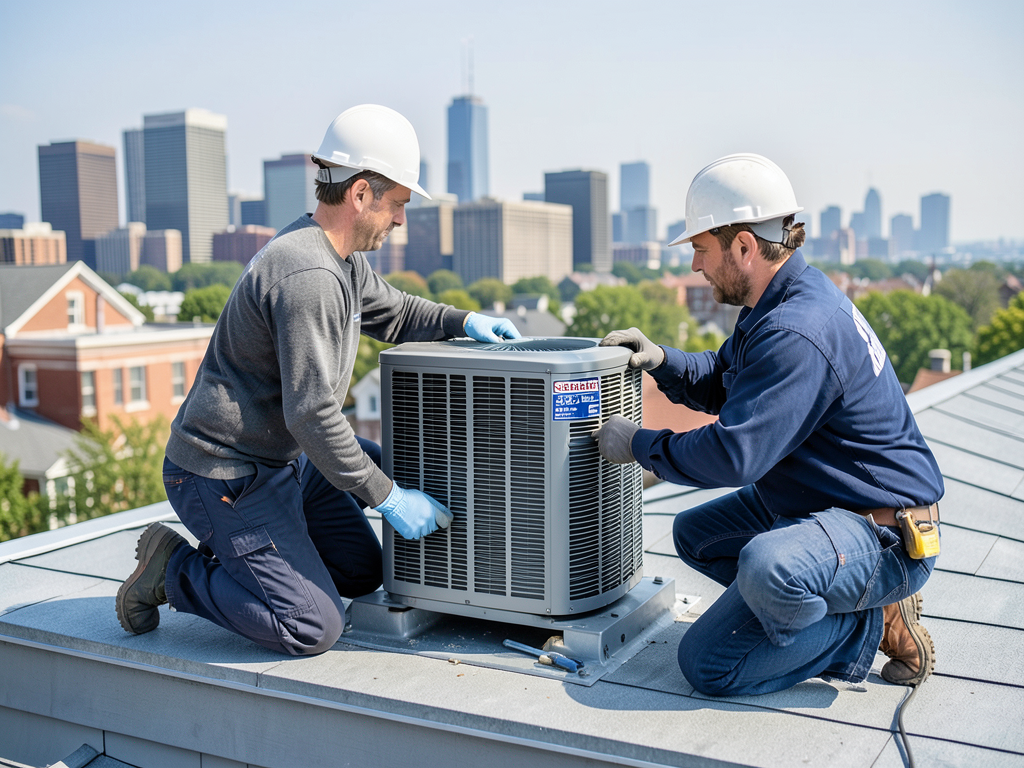
We mount the outdoor condenser on a pad or bracket, install indoor units at calculated heights for optimal airflow, and run refrigerant lines through exterior walls with weather-sealed penetrations. Lines get pressure-tested for leaks, evacuated to remove moisture and air, then charged with the correct refrigerant type and quantity. Electrical connections get made according to local code requirements. Condensate drainage routes to appropriate termination points to prevent water damage.
03

Testing and System Commissioning

We test each zone in heating and cooling modes, verify refrigerant pressures match specifications, check electrical draws, and confirm proper condensate drainage. You learn how to operate the remote controls, adjust temperature settings for each zone, and switch between heating and cooling modes. We program any scheduling features and explain filter maintenance requirements. Your system gets registered with the manufacturer, and you receive documentation of all work performed.

Why Boston Properties Trust Titan HVAC Boston

Boston's building codes and Historic District regulations require specific installation approaches. We understand how to navigate Historic Commission approvals for exterior condenser placement in protected neighborhoods like Beacon Hill, Back Bay, and South End. We know which mounting methods comply with city requirements and how to minimize visual impact on period architecture. Our technicians work daily with triple-deckers, brownstones, and vintage commercial buildings throughout Boston and surrounding communities.

Massachusetts requires refrigerant handling certification and electrical work permits. Every technician on our team holds EPA Section 608 certification for refrigerant recovery and an active Massachusetts Refrigeration Technician License. Our installations comply with the Massachusetts Uniform State Plumbing Code for condensate drainage and the Massachusetts Electrical Code for all wiring. We pull permits for all work requiring inspection and coordinate with local building departments to ensure compliance.

We service every major ductless brand, from Mitsubishi and Daikin to Fujitsu and LG. This manufacturer-agnostic approach means we recommend systems based on your specific needs rather than dealer incentives. We stock parts for common repairs and maintain relationships with regional distributors for faster warranty service. When your system needs maintenance or repair, we respond quickly because we understand how Boston's extreme temperature swings make HVAC failures urgent. You get honest assessments, transparent pricing, and work performed correctly the first time.

What You Can Expect from Your Ductless System

Installation Timeline and Disruption

Most single-zone installations complete in four to six hours. Multi-zone systems take one to two days depending on the number of indoor units and line set complexity. We protect your floors and furniture, clean up all debris, and leave your home in the same condition we found it. The only permanent modification to your building is a three-inch hole through the exterior wall for each indoor unit. You can use your new system immediately after installation. We schedule installations around your availability and minimize disruption to your daily routine.

Pre-Installation Assessment Process

We visit your property to evaluate your heating and cooling needs, inspect your electrical service, and identify the best locations for equipment placement. You tell us which rooms need climate control and what temperatures you want to maintain. We measure spaces, photograph existing conditions, and discuss any aesthetic concerns about equipment visibility. You receive a written proposal detailing equipment specifications, installation scope, and total project cost. We answer all questions about system operation, energy savings, and maintenance requirements before you commit to the installation.

Performance and Efficiency Results

Your ductless system delivers quiet, consistent comfort with precise temperature control in each zone. Inverter technology eliminates the temperature swings common with conventional systems. You adjust each room independently rather than heating or cooling your entire building to satisfy one thermostat. Energy consumption drops because you condition only occupied spaces and the system modulates output continuously. Most Boston homeowners see 30 to 40 percent reductions in heating costs compared to oil or electric resistance systems. Cooling costs decrease similarly compared to window units or older central air systems.

Maintenance and Longevity Planning

Ductless systems require minimal maintenance. You clean or replace filters monthly during heavy use periods. We recommend annual professional maintenance that includes checking refrigerant levels, cleaning coils, testing electrical connections, and verifying proper condensate drainage. This preventive service extends equipment life and maintains efficiency. Most manufacturers provide parts coverage for five to seven years on compressors and major components. Expected system lifespan ranges from 15 to 20 years with proper maintenance. We offer service plans that include priority scheduling, annual tune-ups, and discounted repair rates.

Frequently Asked Questions

You Have Questions,
We Have Answers

What are the disadvantages of a mini split system? +

Ductless mini-splits have a few drawbacks. The upfront cost is higher than window units or portable ACs. Indoor wall units are visible and may not fit every aesthetic preference. Each zone requires its own indoor head, which means multiple units for whole-home coverage in Boston's multi-story homes. Filters need cleaning every few weeks to maintain efficiency. If you lose power during a winter storm, you lose both heating and cooling. Installation requires drilling through exterior walls, which can be tricky in historic Beacon Hill or Back Bay properties with brick or stone. Professional installation is non-negotiable to avoid refrigerant leaks and warranty issues.

How much does a mini split cost for a 2000 sq ft house? +

For a 2000 square foot home in Boston, expect equipment and installation costs to vary based on the number of zones you need. A single-zone system for one room differs from a multi-zone system covering an entire floor. Older homes in Dorchester or Jamaica Plain with poor insulation require larger capacity units, which impacts pricing. High-efficiency models cost more upfront but lower your utility bills during harsh New England winters and humid summers. Boston's freeze-thaw cycles demand cold-climate models rated for subzero performance. Get multiple quotes from licensed contractors familiar with local building codes and permitting requirements in Suffolk County.

What is the difference between a mini split and a ductless mini split? +

The terms are interchangeable. Both refer to the same technology: a ductless heat pump system with an outdoor compressor and indoor air handlers. The name mini-split describes the split configuration between outdoor and indoor components. Ductless emphasizes the absence of traditional ductwork, which makes these systems ideal for Boston's older homes where installing ducts would be invasive or impossible. Whether you call it a mini-split, ductless mini-split, or ductless heat pump, you get the same efficient heating and cooling solution. The key advantage for Boston homeowners is zoned climate control without tearing apart walls to install ductwork in century-old construction.

What is the $5000 rule for HVAC? +

The $5000 rule is an HVAC repair guideline, not a legal requirement. If your existing system needs a repair that costs more than $5000 and the unit is older, replacement often makes more financial sense than repair. For Boston homeowners, this calculation changes with ductless mini-splits. Because these systems have fewer mechanical parts than central forced-air systems and no ductwork to maintain, major repairs are less common. However, if your outdoor compressor fails after 12 years and the repair approaches $5000, investing that money in a new cold-climate model with better efficiency for New England winters delivers better long-term value than patching an aging system.

Why Boston's Historic Buildings Make Ductless Systems Essential

Boston's architectural heritage creates practical HVAC challenges. The city contains more than 8,000 buildings listed on the National Register of Historic Places. Adding ductwork to these structures damages original plaster, compromises structural elements, and violates preservation standards. Many triple-deckers feature balloon framing that makes duct installation dangerous or impossible. Brownstones and townhomes built before 1900 lack the wall cavities and floor joist bays needed for traditional forced-air systems. Ductless mini-split systems preserve architectural integrity while delivering modern comfort. The minimal wall penetration required for line sets satisfies Historic Commission requirements while providing efficient zone control.

Boston enforces strict mechanical codes through its Inspectional Services Department. All HVAC installations require permits, and work must comply with the Massachusetts Uniform State Plumbing Code and State Building Code. Refrigerant handling requires EPA certification and state licensing. Electrical work must meet the Massachusetts Electrical Code and pass inspection. We maintain all required credentials and pull permits for every installation. Our familiarity with local inspection requirements prevents delays and ensures your system passes final inspection on the first attempt. This local expertise protects you from code violations and ensures your investment meets all legal requirements.
HVAC Services in The Boston Area

We are proud to serve our valued clients across the entire region. Whether you're in the city center or a surrounding community, our dedicated team is ready to provide top-notch HVAC services right to your doorstep. You can locate our main office here, and we encourage you to reach out to schedule a service, explore our offerings, or discuss your heating and cooling needs with our expert team. We look forward to serving you!

Address:
Titan HVAC Boston, 94 Shirley St, Boston, MA, 02119

Additional Services We Offer

Our news updates

Latest Articles & News from The Blogs

Finding a Silent HVAC Solution for Your Home Theater or Media Room in Wellesley If you've ever had to pause…

Finding a Silent HVAC Solution for Your Home Theater or Media Room in Wellesley

Finding a Silent HVAC Solution for Your Home Theater or Media Room in Wellesley If you've ever had to pause…

What the New SEER2 Efficiency Standards Mean for Your Next Boston AC Upgrade

What the New SEER2 Efficiency Standards Mean for Your Next Boston AC Upgrade The Department of Energy rolled out new…

How Smart Vents Can Fix Hot and Cold Spots in Large Multi-Story Newton Homes

Large multi-story homes in Newton often suffer from uneven temperatures where some rooms feel like a sauna while others stay…

Contact Us

Find out if a mini-split system works for your Boston property. We assess your space, calculate your heating and cooling needs, and provide transparent pricing with no pressure. Call Titan HVAC Boston at (617) 758-1599 or contact us online to schedule your consultation.