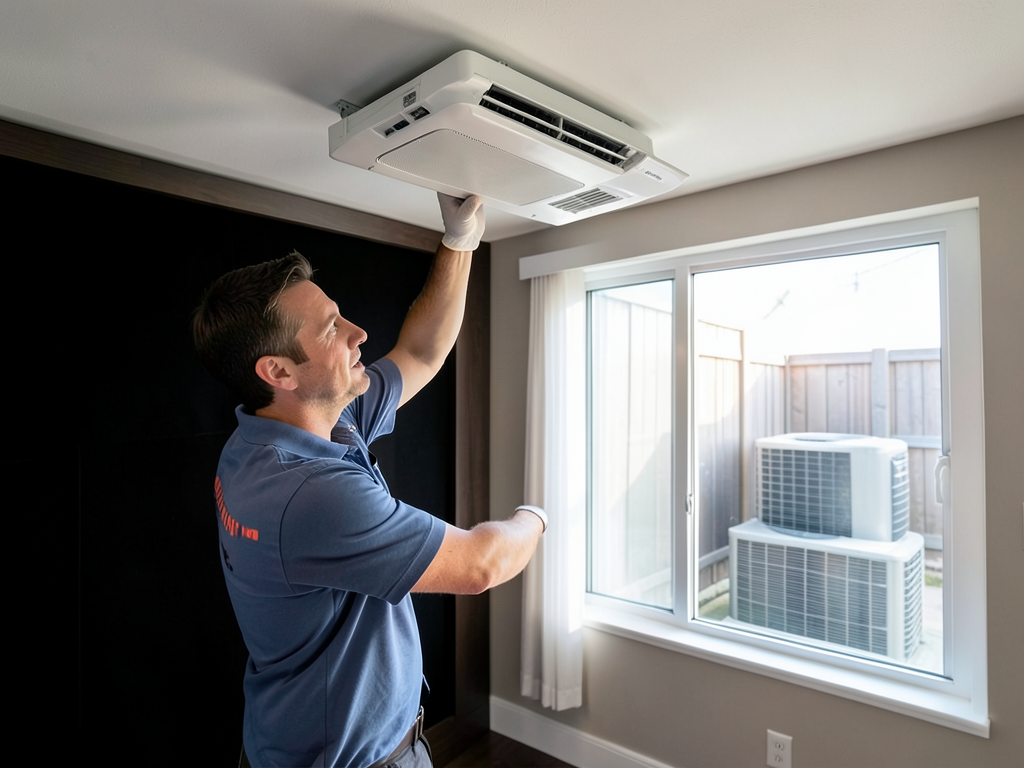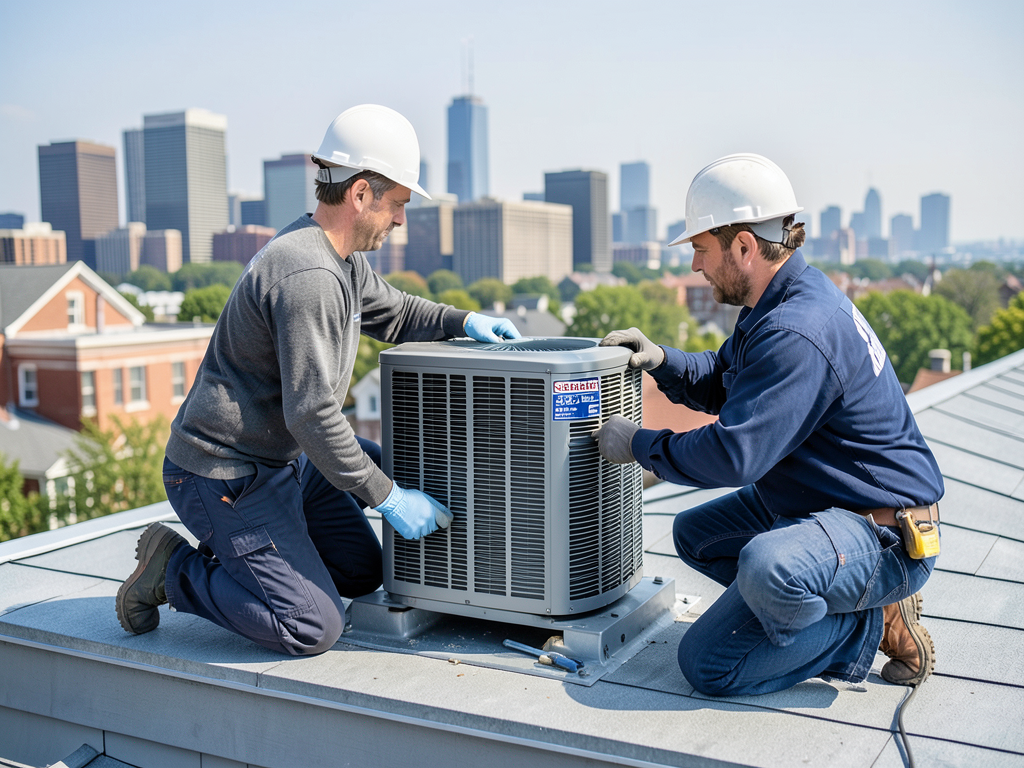








Boston's housing stock predates modern HVAC systems by decades. Most triple-deckers and row houses were built for radiator heat. When forced-air systems were retrofitted in the mid-20th century, installers shoehorned ductwork into spaces never designed for it. Ducts run through uninsulated attics where summer temperatures hit 140 degrees. Joints separate. Flex duct sags and kinks. Add Boston's spring pollen surge and high summer humidity, and filters clog faster than they do in newer construction. That combination starves registers of air. Your blower runs, but bedrooms stay warm. Fixing weak airflow here requires understanding these old systems and the environment they operate in.
Boston enforces strict energy codes. The city adopted the 2015 IECC in 2017, which sets duct leakage limits and insulation requirements. If your ductwork fails those standards during a home sale or renovation permit inspection, you will need repairs. Titan HVAC Boston stays current with local code updates. We know what inspectors look for. We seal ducts to meet the 8 percent leakage threshold. We insulate to R-8 in unconditioned spaces. Choosing a local contractor who understands Boston's regulatory environment protects you from costly surprises during inspections.