




Menu

AC Blowing Warm Air in Boston – Fast Expert Diagnosis When Your System Fails

When your air conditioning runs but your home stays hot, you need accurate diagnosis and immediate repair from Boston HVAC specialists who understand the mechanical failures behind AC blowing warm air.

Slider Image 1
Slider Image 2
Slider Image 3
Slider Image 4
Slider Image 5
Slider Image 7
Slider Image 8
Slider Image 9
Slider Image 10
Slider Image 11

Why Your AC Runs But Refuses to Cool Your Boston Home

You hear the unit running. The thermostat shows it is working. But the air coming from your vents feels lukewarm or outright hot. This is not a minor glitch. Your air conditioner blowing hot air signals a mechanical failure somewhere in the refrigeration cycle, and in Boston's humid summer climate, you cannot wait it out.

The most common culprit is refrigerant loss. A leak in the copper lines means your compressor runs without the chemical needed to absorb heat. The blower circulates air, but nothing cools it. You are paying for electricity while getting zero comfort. Another frequent issue is a failed compressor or a stuck reversing valve in heat pump systems. These components control whether your system heats or cools. When they fail, your AC running but not cooling becomes the frustrating reality.

Dirty condenser coils cause problems too. Boston's urban pollen, cottonwood seeds from parks, and airborne debris coat the outdoor unit. When the condenser cannot release heat, the refrigerant stays warm. Your air conditioning not blowing cold air is the result. Electrical failures also play a role. A blown capacitor or failed contactor means the compressor never engages. The fan runs, creating the illusion of operation, but no cooling happens.

Frozen evaporator coils create another scenario. Poor airflow from clogged filters or blocked return vents causes ice buildup on the indoor coil. The ice blocks heat absorption. Your central air blowing warm air tells you the evaporator is compromised. In older Boston triple-deckers and brownstones with undersized ductwork, this problem accelerates. You need professional diagnosis to identify the exact failure point and restore cooling before another humid night.

Why Your AC Runs But Refuses to Cool Your Boston Home
How We Diagnose and Fix Air Conditioner Warm Air Problems

How We Diagnose and Fix Air Conditioner Warm Air Problems

We do not guess. When your AC vents blowing hot air, we use a systematic diagnostic protocol to isolate the failure. Our technicians start with static pressure readings across the evaporator coil to confirm adequate airflow. Low pressure indicates a blockage or blower issue. We then measure the superheat and subcooling values at the service ports. These numbers tell us if refrigerant charge is correct, if the metering device is functioning, and whether the compressor is pumping efficiently.

Next, we inspect electrical components with a multimeter. We test capacitors under load, verify contactor operation, and check for voltage drops that indicate failing wiring. We use infrared thermography to scan the condenser coil for hot spots that signal blockages or failing fans. This technology reveals problems invisible to the naked eye.

For refrigerant issues, we use electronic leak detectors and nitrogen pressure tests to locate leaks in the line set, coils, or valve cores. We do not just add refrigerant and leave. We find the leak, repair it, pull a vacuum to remove moisture and air, then recharge the system to manufacturer specifications. This process ensures your air conditioner blowing hot air problem does not return in two weeks.

We also evaluate ductwork in older Boston homes. Many systems lose 30 percent of their cooling capacity to leaky ducts in unconditioned attics or basements. We perform blower door tests and duct leakage assessments when needed. If your system is oversized or undersized for the space, we explain why that matters and what your options are. Our goal is to restore proper cooling and give you the information you need to make smart decisions about repair versus replacement.

What Happens When You Call About Warm Air From Your AC

AC Blowing Warm Air in Boston – Fast Expert Diagnosis When Your System Fails
01

Initial System Assessment

We arrive and immediately check thermostat settings, circuit breakers, and air filter condition. We measure supply and return air temperatures to calculate temperature split. This tells us if the system is attempting to cool or if a component has failed. We inspect the outdoor unit for visible damage, debris, or unusual sounds that indicate mechanical failure.
02

Diagnostic Testing and Measurement

We use manifold gauges to measure suction and discharge pressures. We test capacitors and contactors with a multimeter. We inspect the evaporator coil for ice or dirt buildup. We run the system through a full cooling cycle while monitoring amperage draw on the compressor and fan motors. These measurements isolate whether the problem is mechanical, electrical, or refrigerant-related.
03

Repair and Verification

Once we identify the failure, we explain your options clearly. We complete the repair using OEM or equivalent parts. After the fix, we verify proper operation by measuring superheat and subcooling again, confirming temperature split, and running the system for 15 minutes to ensure stable operation. You get cold air and clear answers about what failed and why.

Why Boston Homeowners Trust Us for AC Cooling Problems

Boston's housing stock is old. You have triple-deckers from the 1890s, brownstones with radiator heat retrofitted for central air, and mid-century ranches with undersized ductwork. These buildings create unique HVAC challenges. We know how to work in tight mechanical rooms, how to route refrigerant lines through plaster walls without damage, and how to adapt modern systems to historic architecture.

We also understand local code requirements. Boston enforces strict refrigerant handling rules. All leaks must be repaired before recharging. Disposal of old refrigerant follows EPA Section 608 protocols. Our technicians hold universal refrigerant certifications and follow these rules without exception. You do not risk fines or failed inspections when we handle your system.

We stock parts for the brands common in Boston homes. Mitsubishi mini-splits, Carrier furnaces with AC coils, and Lennox heat pumps populate this market. We carry capacitors, contactors, and run capacitors on every truck. We maintain relationships with local supply houses to get harder-to-find components same-day. This means fewer return visits and faster repairs.

Our pricing is transparent. We give you a written estimate before starting work. No hidden fees for weekend calls or after-hours diagnosis. You know what the repair costs before we touch your system. We also explain when a repair is a temporary fix versus a permanent solution. If your compressor is failing and the system is 15 years old, we tell you. You deserve honest advice, not just a band-aid that fails again in three months.

What to Expect When Your AC Blows Warm Air

Response Time and Availability

We dispatch technicians within two hours for urgent cooling failures during business hours. Evening and weekend calls receive next-available appointment scheduling, typically within 24 hours. We do not charge extra for same-day service during normal business hours. Our trucks carry diagnostic equipment and common repair parts, which means most repairs finish in one visit. You will not wait days in a hot house while we order parts. If a component requires special order, we explain the timeline clearly and offer temporary cooling solutions when possible.

Diagnostic Process and Findings

Our technicians spend 30 to 45 minutes diagnosing the problem. We do not rush. We test every component in the refrigeration cycle, measure airflow, and inspect electrical connections. You receive a verbal explanation of what failed and why. We show you the failed part when possible. If the diagnosis reveals multiple issues, we prioritize them by urgency and cost. You decide what gets fixed immediately and what can wait. We provide written documentation of all test results and recommendations. This protects you and gives you information for future decisions.

Repair Quality and Performance

We use OEM parts or high-quality aftermarket equivalents that meet or exceed manufacturer specifications. Refrigerant charges follow superheat and subcooling targets specific to your equipment. We do not eyeball it. After the repair, we measure supply air temperature and verify it matches expected performance for your system size and outdoor conditions. You should feel cold air within minutes of startup. If the repair involves electrical components, we torque all connections to spec and verify voltage and amperage are within normal ranges. The work is complete only when the system operates as designed.

Service Follow-Up and Maintenance

All repairs come with a service guarantee on parts and labor. If the same component fails within the guarantee period, we return and fix it at no additional charge. We also provide maintenance recommendations based on what we found during diagnosis. If your coils are dirty or your filter is undersized, we explain how those issues contributed to the failure. We offer seasonal maintenance plans that include cleaning, refrigerant checks, and electrical testing. These plans catch small problems before they become expensive failures. You also get priority scheduling during peak summer months when service demand is highest.

Frequently Asked Questions

You Have Questions,
We Have Answers

Why is my AC suddenly blowing warm air? +

Your AC suddenly blowing warm air usually points to refrigerant loss, a frozen evaporator coil, or compressor failure. Low refrigerant means the system cannot absorb heat from your home. A dirty air filter or blocked return vent can freeze the evaporator coil, stopping cooling entirely. Compressor issues prevent refrigerant circulation. In Boston's humid summers, even minor airflow restrictions can trigger these problems fast. Check your filter first. If it looks clean, you need a technician to check refrigerant levels and diagnose compressor function before the issue worsens.

Should I turn off the AC if it is blowing warm air? +

Yes, turn off the AC if it blows warm air for more than 30 minutes. Running a malfunctioning unit can damage the compressor or burn out the blower motor, leading to expensive repairs. If the evaporator coil froze, shutting down allows it to thaw. Turn off the system at the thermostat, then switch the breaker off for safety. Wait two to three hours. Check the air filter and outdoor unit for obstructions. If the problem continues after restart, call a technician. Do not keep running the system hoping it fixes itself.

Why is my AC running but not cooling? +

An AC running but not cooling often means low refrigerant, a frozen evaporator coil, or a failed compressor. The blower motor pushes air, but the refrigerant cycle is broken. Boston's high humidity can cause coil freeze quickly if airflow drops. Check your filter and all supply vents for blockages. Inspect the outdoor unit for debris or bent fins restricting airflow. If the outdoor fan runs but the compressor stays silent, the compressor may have failed. This needs immediate diagnosis. Do not wait. The longer it runs without cooling, the more damage occurs.

How to reset AC not blowing cold air? +

To reset an AC not blowing cold air, turn the thermostat to off. Go to your electrical panel and flip the breaker for the AC off. Wait five minutes. This allows the compressor to depressurize and the control board to reset. Flip the breaker back on, then set the thermostat to cool. If the unit still blows warm air, the issue is not a simple fault. You likely have low refrigerant, a bad capacitor, or compressor failure. A reset will not fix mechanical or refrigerant problems. Call a technician for diagnosis.

What is the 3 minute rule for AC? +

The 3 minute rule for AC means waiting at least three minutes after shutdown before restarting the system. This time allows refrigerant pressure to equalize between the high and low sides of the system. Restarting too soon forces the compressor to start under high pressure, which can trip the breaker or damage the compressor motor. Modern thermostats have built-in delay timers to enforce this rule. If you manually cycle power at the breaker, always wait three to five minutes before turning the system back on. This simple step protects your compressor.

What are signs of a failing AC compressor? +

A failing compressor makes loud grinding, clanking, or clicking noises when the outdoor unit tries to start. The unit may hum loudly but fail to cool. You might notice the breaker tripping repeatedly or the outdoor fan running while the compressor stays silent. Warm air from vents is the clearest sign. In Boston's humid climate, a struggling compressor can cause the evaporator coil to freeze due to improper refrigerant flow. If you hear hard starting or the unit shakes on startup, the compressor is likely failing. This requires immediate professional evaluation.

Can I fix warm AC myself? +

You can handle basic fixes like replacing a dirty air filter, clearing debris from the outdoor unit, or resetting a tripped breaker. If the thermostat batteries died, replace them. These steps solve simple airflow or power issues. However, warm air caused by low refrigerant, a frozen coil, or compressor failure requires a licensed technician. Refrigerant work is illegal without certification. Misdiagnosing a compressor issue can destroy the entire system. In Boston's heat and humidity, do not gamble. If basic fixes fail within 30 minutes, call a professional to avoid costly damage.

What is the $5000 rule for AC? +

The 5000 dollar rule for AC is an informal guideline for repair versus replacement decisions. Multiply the age of your unit by the repair cost. If the result exceeds 5000, replace the system instead of repairing it. For example, a 12-year-old unit needing a 500 dollar repair equals 6000, so replacement makes more sense. This rule accounts for efficiency loss and future repair likelihood. In Boston, older units struggle with humidity control and high summer loads. If your system is over 10 years old and needs a major repair, replacement often delivers better value.

Is AC not cooling an emergency? +

AC not cooling becomes an emergency when indoor temperatures threaten health or safety. For elderly residents, young children, or anyone with respiratory or heart conditions, prolonged heat exposure is dangerous. If your thermostat reads above 85 degrees and climbing, treat it as urgent. In Boston's summer humidity, heat index can spike quickly. However, if you have alternative cooling like window units or can stay elsewhere, it is not a same-day emergency. Most HVAC companies offer priority service for vulnerable households. Call immediately if health is at risk.

What should my AC be set at if it's 100 degrees outside? +

If it is 100 degrees outside, set your AC to 75 to 78 degrees. Boston rarely hits 100, but when it does, your system works hardest. Setting the thermostat below 75 forces the unit to run nonstop without reaching the setpoint, stressing the compressor and wasting energy. A 20 to 25 degree difference between outdoor and indoor temps is the maximum most residential systems can handle efficiently. If your home will not cool below 80, the system may be undersized or low on refrigerant. Do not keep lowering the thermostat. Call a technician.

How Boston's Humidity and Coastal Air Accelerate AC Failures

Boston sits on the Atlantic coast. Salt air, high humidity, and temperature swings create harsh conditions for air conditioning equipment. Coastal moisture accelerates corrosion on condenser coils and electrical connections. When these components corrode, refrigerant leaks develop and electrical failures follow. The high dewpoint during summer also means your evaporator coil works harder to remove moisture from the air. If airflow is restricted, the coil freezes. This is why your air conditioning not blowing cold air often traces back to humidity-related issues unique to coastal New England climates.

Boston's mix of old and new construction also creates challenges. Many older homes have ductwork added decades after the house was built. These retrofits often use undersized ducts or poor routing through uninsulated attics. When your central air blowing warm air, inadequate airflow is frequently the culprit. We know how to work within the constraints of historic homes. We understand local building codes that govern ductwork modifications in multi-family buildings. Choosing a local HVAC provider means you get technicians who have solved these exact problems in hundreds of Boston homes. We do not learn on your system.
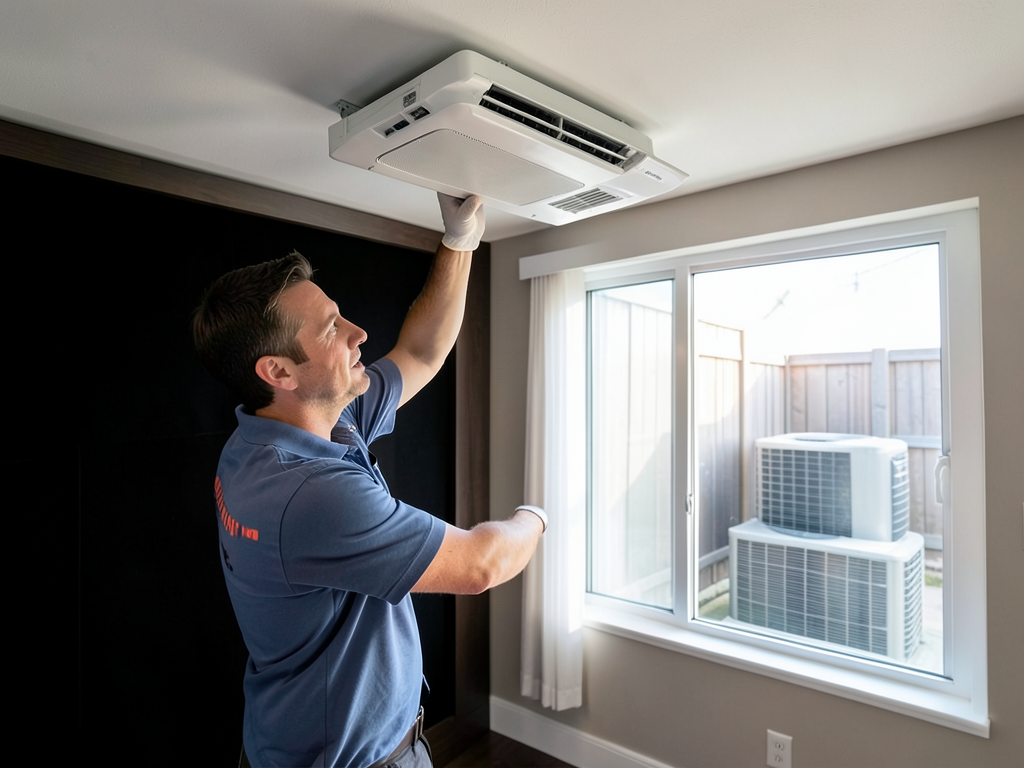
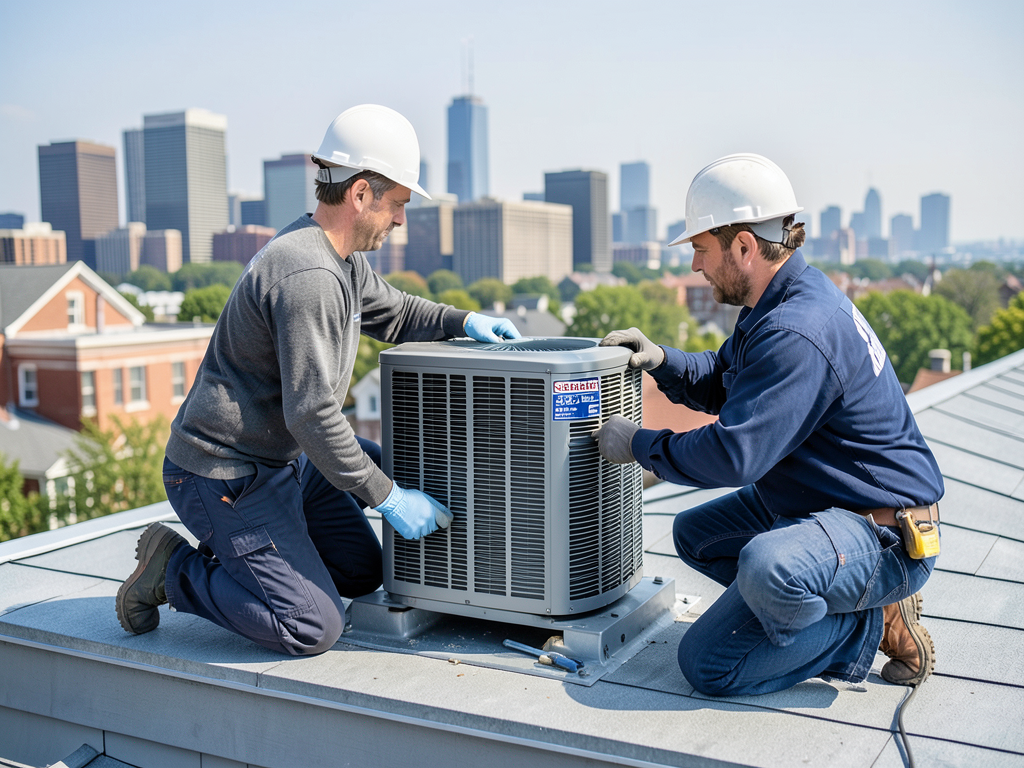
HVAC Services in The Boston Area

We are proud to serve our valued clients across the entire region. Whether you're in the city center or a surrounding community, our dedicated team is ready to provide top-notch HVAC services right to your doorstep. You can locate our main office here, and we encourage you to reach out to schedule a service, explore our offerings, or discuss your heating and cooling needs with our expert team. We look forward to serving you!

Address:
Titan HVAC Boston, 94 Shirley St, Boston, MA, 02119

Additional Services We Offer

Our news updates

Latest Articles & News from The Blogs

Finding a Silent HVAC Solution for Your Home Theater or Media Room in Wellesley If you've ever had to pause…

Finding a Silent HVAC Solution for Your Home Theater or Media Room in Wellesley

Finding a Silent HVAC Solution for Your Home Theater or Media Room in Wellesley If you've ever had to pause…

What the New SEER2 Efficiency Standards Mean for Your Next Boston AC Upgrade

What the New SEER2 Efficiency Standards Mean for Your Next Boston AC Upgrade The Department of Energy rolled out new…

How Smart Vents Can Fix Hot and Cold Spots in Large Multi-Story Newton Homes

Large multi-story homes in Newton often suffer from uneven temperatures where some rooms feel like a sauna while others stay…

Contact Us

Do not spend another hour in a hot house. Call us now at (617) 758-1599 for fast diagnosis and repair. We answer calls during business hours and dispatch technicians quickly. Your comfort matters.