
Why Your Saugus Home Needs Better Attic Insulation Before You Replace the Furnace
Many Saugus homeowners rush to replace their furnace when energy bills spike, but the real culprit might be hiding above your head. Poor attic insulation forces your HVAC system to work overtime, creating a costly cycle of repairs and replacements. Before you invest in a new furnace, understanding how your attic’s thermal envelope affects your entire heating system could save you thousands of dollars. US Department of Energy insulation guidelines.
The Physics of Comfort: How Insulation Protects Your HVAC System
Your attic acts as either a shield or a sieve for your home’s comfort. In winter, heat naturally rises and escapes through poorly insulated attic spaces. This forces your furnace to run longer cycles, struggling to maintain the temperature you set on your thermostat. The result is not just higher energy bills but premature wear on critical HVAC components. How to Get Fast Emergency Furnace Repair in Dorchester This Winter.
Heat transfer occurs through three mechanisms: conduction, convection, and radiation. Without proper insulation, your attic becomes a highway for all three, allowing warm air to escape in winter and hot air to penetrate in summer. This constant battle against temperature extremes makes your HVAC system work harder than necessary, reducing its lifespan and efficiency.. Read more about Why a Hybrid Heating System Might Be the Best Choice for Your Winchester Colonial.
Why Boston Homes Require Specific R-Values
The US Department of Energy designates Boston as Climate Zone 5, requiring attic insulation levels between R-49 and R-60 for optimal energy efficiency. Many Saugus homes built before the 1980s have insulation levels as low as R-19, less than half of what’s recommended for our harsh New England winters.
Zone 5 requirements reflect our extreme seasonal temperature swings. When winter temperatures drop below zero and summer heat exceeds 90 degrees, your attic insulation becomes the primary defense against energy loss. Current building codes under the Massachusetts Stretch Energy Code mandate these higher R-values for all new construction and major renovations. Mass Save program.
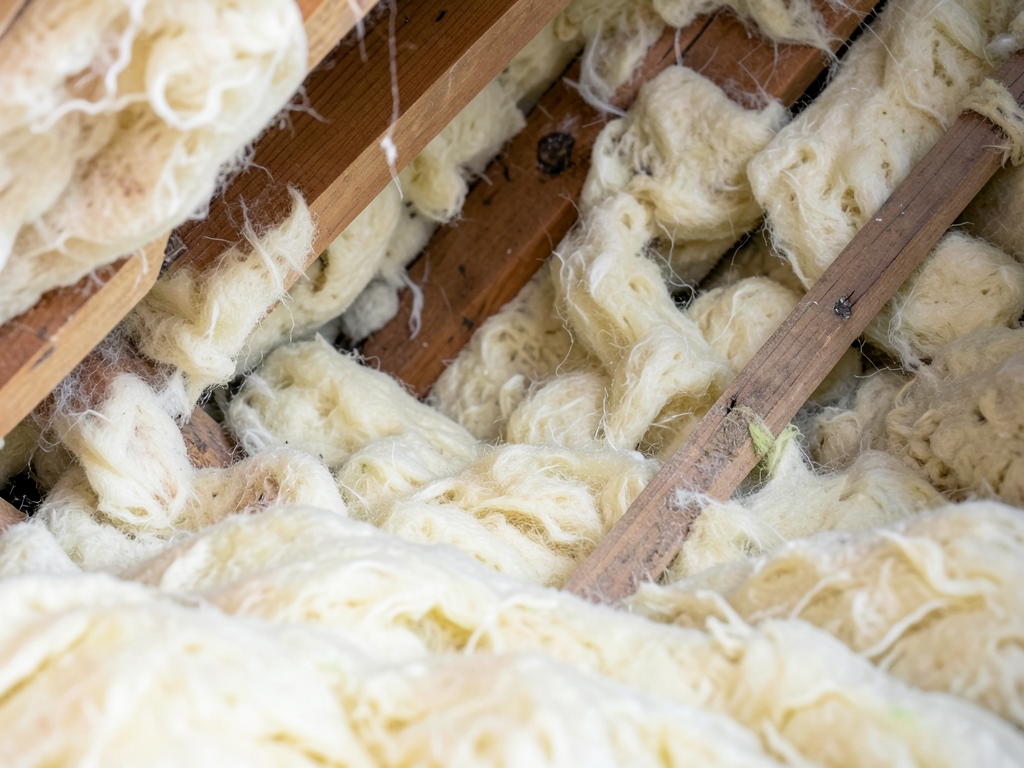
Different insulation materials provide varying levels of thermal resistance per inch. Fiberglass batts offer about R-3.2 per inch, while blown-in cellulose provides R-3.7 per inch. Spray foam insulation delivers the highest performance at R-6.5 per inch, making it ideal for irregular attic spaces and air sealing applications.
4 Ways Poor Insulation Damages Your HVAC Unit
Short cycling occurs when your furnace turns on and off rapidly, unable to maintain consistent temperatures due to heat loss through the attic. This constant starting and stopping puts tremendous stress on the blower motor, igniter, and heat exchanger. The wear and tear from short cycling can reduce your furnace’s lifespan by 30-40%.
Increased energy consumption becomes immediately apparent in your utility bills. A home with inadequate attic insulation can lose 25-30% of its heating energy through the roof. This means your furnace runs 2-3 times longer than necessary to maintain comfort, consuming significantly more fuel or electricity.
Summer presents different challenges when poor insulation allows attic temperatures to soar above 130 degrees. This extreme heat can cause your air conditioning system to freeze up as it struggles to cool air that’s been superheated in your attic space. The evaporator coil becomes overwhelmed, leading to system shutdowns and potential compressor damage.
Humidity imbalance affects both comfort and equipment longevity. Without proper insulation and vapor barriers, moisture from your living space rises into the attic, creating condensation that can rust furnace components and promote mold growth in ductwork. This moisture also reduces insulation effectiveness, creating a destructive cycle.
The ‘Mass Save’ Advantage for Boston Homeowners
The Mass Save program offers substantial rebates for attic insulation upgrades, often covering 75-100% of the cost for qualifying homes. These incentives make it financially advantageous to address insulation issues before replacing your HVAC equipment. A comprehensive energy assessment through Mass Save can identify specific insulation deficiencies and recommend appropriate solutions.
Program benefits extend beyond insulation. Many homeowners who improve their attic insulation find they can downsize their HVAC equipment, saving thousands on equipment costs. Better insulation means your heating and cooling loads decrease, allowing for smaller, more efficient systems that cost less to operate. Benefits of Inverter Technology.
Mass Save also provides interest-free financing for insulation projects, making upgrades accessible without large upfront investments. The energy savings from improved insulation often pay for the improvements within 2-3 years, creating immediate positive cash flow for homeowners.
Signs Your HVAC Issues are Actually Insulation Problems
Uneven room temperatures indicate heat loss through your attic. If certain rooms feel colder in winter or hotter in summer despite your HVAC running constantly, poor attic insulation is likely the cause. This creates comfort zones where some areas are too warm while others remain chilly.
Ice dams forming along your roof edges signal significant heat loss through the attic. When warm air escapes into your attic, it melts snow on your roof from underneath. This water refreezes at the colder eaves, creating damaging ice dams that can lead to roof leaks and structural damage.
Dust accumulation throughout your home increases when attic bypasses allow unfiltered air to enter your living space. These gaps around light fixtures, plumbing stacks, and attic access points create pathways for dust, allergens, and pollutants to circulate through your HVAC system.
Rising utility bills despite consistent thermostat settings point to efficiency losses. If your energy costs increase year over year without rate hikes or extreme weather, your home’s thermal envelope is likely compromised, forcing your HVAC system to work harder.
Attic Insulation vs. Furnace Replacement: The Cost Comparison
Installing proper attic insulation typically costs between $2,000 and $5,000 depending on your home’s size and the insulation type selected. This investment often reduces heating and cooling costs by 15-20% annually. Over a 10-year period, the energy savings alone can exceed the initial investment.
A new high-efficiency furnace installation ranges from $4,000 to $8,000, with premium models exceeding $10,000. While a new furnace provides immediate comfort improvements, it cannot overcome the fundamental problem of heat loss through inadequate insulation. You’re essentially throwing money away if you install a new system in a poorly insulated home. The Most Reliable Heat Pump Installation Teams in Cambridge.
The optimal approach combines both improvements strategically. Start with a comprehensive energy audit to identify specific issues, then address insulation deficiencies before sizing your new HVAC equipment. This ensures you purchase appropriately sized equipment that operates efficiently in your improved thermal envelope.
Material Selection for New England’s Climate
Cellulose insulation, made from recycled paper products, performs exceptionally well in Boston’s humid climate. It’s treated with borate for fire resistance and pest control, and its dense packing reduces air infiltration better than fiberglass batts. The material’s ability to settle and fill irregular spaces makes it ideal for older Saugus homes.
Fiberglass batts offer lower upfront costs but require careful installation to prevent gaps and compression that reduce effectiveness. In Massachusetts’ freeze-thaw cycles, fiberglass can settle over time, creating cold spots. However, when properly installed with air sealing, it provides reliable performance at a competitive price point.
Spray foam insulation provides the highest R-value per inch and creates an air barrier when applied to recommended thicknesses. Closed-cell spray foam resists moisture better than other options, making it suitable for homes near Saugus’s coastal areas where salt air and humidity are concerns. The material’s adhesive properties also strengthen roof structures.
The Role of Air Sealing in HVAC Efficiency
Air sealing complements insulation by eliminating pathways for conditioned air to escape. Common leakage points include attic access hatches, recessed light fixtures, plumbing and electrical penetrations, and chimney chases. These small gaps collectively create the equivalent of leaving a window open year-round.
Professional air sealing uses specialized materials like fire-rated caulk, expanding foam, and weatherstripping to close these gaps. The process typically reduces a home’s air leakage by 20-30%, significantly improving HVAC efficiency. This reduction in air exchange means your conditioned air stays where it belongs longer.
The stack effect, where warm air rises and escapes through upper-level gaps while drawing in cold air at lower levels, drives much of this energy loss. Air sealing interrupts this cycle, allowing your HVAC system to maintain consistent temperatures with less cycling and wear.
Long-Term Benefits Beyond Energy Savings
Improved indoor air quality results from reduced infiltration of outdoor pollutants, allergens, and moisture. Better attic insulation and air sealing create a more controlled indoor environment, reducing respiratory irritants and creating healthier living spaces for your family.
Enhanced home value comes from energy efficiency improvements. Homes with proper insulation and efficient HVAC systems command higher resale prices and attract buyers who understand the long-term cost savings. Energy audits with documented improvements provide tangible selling points.
Reduced environmental impact aligns with Massachusetts’ clean energy goals. By reducing your home’s energy consumption through better insulation, you decrease your carbon footprint and contribute to the state’s greenhouse gas reduction targets.
Professional Assessment: What to Expect
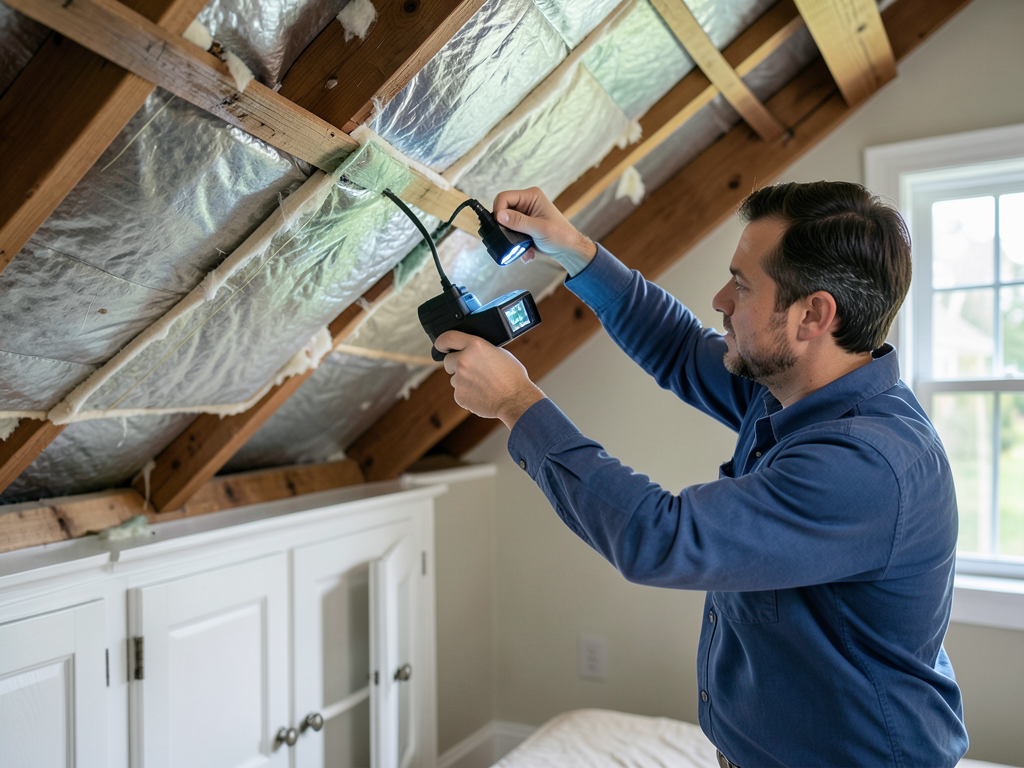
A comprehensive energy assessment includes thermal imaging to identify heat loss patterns, blower door testing to measure air leakage, and visual inspection of existing insulation. These diagnostic tools reveal specific problem areas that might not be visible to the untrained eye.
Technicians use infrared cameras to detect temperature variations in your attic and walls, highlighting areas where insulation is missing or compressed. This technology can identify moisture problems, air leaks, and thermal bridging that compromise your home’s efficiency.
Blower door tests quantify your home’s air tightness by depressurizing the building and measuring airflow. This test reveals the cumulative effect of all air leaks and helps prioritize sealing efforts for maximum impact on HVAC efficiency.
Timing Your Improvements for Maximum Benefit
Spring and fall represent ideal seasons for insulation upgrades in Saugus. Moderate temperatures allow for comfortable installation conditions, and scheduling during shoulder seasons means faster service with less competition for contractor availability.
Planning improvements before winter ensures your home is protected when heating demands peak. The Mass Save program often runs additional incentives during fall months to encourage timely upgrades before the heating season begins.
Coordinating insulation work with other home improvements maximizes efficiency. If you’re planning roof repairs or renovations, incorporating insulation upgrades during these projects reduces labor costs and minimizes disruption to your household.
Call to Action
Stop throwing money away on an HVAC system that’s fighting an uphill battle against poor insulation. Call (617) 758-1599 today to schedule your comprehensive energy assessment. Our certified technicians will identify specific issues in your Saugus home and recommend solutions that could save you thousands on both energy bills and unnecessary equipment replacement.
Don’t wait until your furnace fails on the coldest night of the year. Pick up the phone and call (617) 758-1599 before the next storm hits. We’ll help you create a comfortable, efficient home that protects your investment and your family’s comfort for years to come.
Frequently Asked Questions
How do I know if my attic insulation needs improvement?
Signs include high energy bills, uneven temperatures between rooms, ice dams on your roof, and cold drafts near ceilings. A professional energy assessment using thermal imaging can definitively identify insulation deficiencies and air leakage points.
Can I add new insulation over old insulation?
Yes, you can add new insulation over existing material if it’s dry and not damaged. However, you should remove wet, moldy, or compressed insulation first. The new insulation should be unfaced to prevent moisture trapping between layers.
How long does professional attic insulation installation take?
Most attic insulation projects in Saugus homes take 1-2 days depending on size and complexity. Blown-in insulation installs faster than batts, while spray foam applications may require additional curing time before your attic can be accessed.
Will better insulation make my home too airtight?
Proper insulation includes controlled ventilation to maintain healthy indoor air quality. Energy assessments ensure your home maintains appropriate air exchange rates while eliminating wasteful leaks that drive up energy costs.
What R-value should I aim for in my Saugus attic?
For Boston’s Climate Zone 5, aim for R-49 to R-60 in your attic. This typically requires 14-20 inches of blown-in cellulose or fiberglass, or 7-10 inches of closed-cell spray foam, depending on the material selected.
You may also find this helpful. Comparing Trane and Carrier Performance During Brutal Massachusetts Winters.
{
“@context”: “https://schema.org”,
“@type”: “BlogPosting”,
“headline”: “Why Your Saugus Home Needs Better Attic Insulation Before You Replace the Furnace”,
“description”: “Discover why attic insulation is critical for HVAC efficiency in Saugus homes. Learn how poor insulation forces your furnace to work harder and increases energy costs.”,
“wordCount”: 2012,
“datePublished”: “2026-06-15T09:08:00.000Z”,
“dateModified”: “2026-06-15T09:08:00.000Z”,
“inLanguage”: “en-US”,
“mainEntityOfPage”: {
“@type”: “WebPage”,
“@id”: “https://titanhvacboston.com”
},
“publisher”: {
“@type”: “LocalBusiness”,
“name”: “Titan HVAC Boston”,
“url”: “https://titanhvacboston.com”
},
“author”: {
“@type”: “Organization”,
“name”: “Titan HVAC Boston”,
“url”: “https://titanhvacboston.com”
},
“image”: {
“@type”: “ImageObject”,
“url”: “https://titanhvacboston.com/wp-content/uploads/2026/03/why-your-saugus-home-needs-better-attic-insulation-1.png”
}
}
{
“@context”: “https://schema.org”,
“@type”: “HVACBusiness”,
“name”: “Titan HVAC Boston”,
“url”: “https://titanhvacboston.com”,
“address”: {
“@type”: “PostalAddress”,
“addressLocality”: “Boston”
},
“areaServed”: {
“@type”: “City”,
“name”: “Boston”
}
}
{
“@context”: “https://schema.org”,
“@type”: “FAQPage”,
“mainEntity”: [
{
“@type”: “Question”,
“name”: “How do I know if my attic insulation needs improvement?”,
“acceptedAnswer”: {
“@type”: “Answer”,
“text”: “Signs include high energy bills, uneven temperatures between rooms, ice dams on your roof, and cold drafts near ceilings. A professional energy assessment using thermal imaging can definitively identify insulation deficiencies and air leakage points.”
}
},
{
“@type”: “Question”,
“name”: “Can I add new insulation over old insulation?”,
“acceptedAnswer”: {
“@type”: “Answer”,
“text”: “Yes, you can add new insulation over existing material if it’s dry and not damaged. However, you should remove wet, moldy, or compressed insulation first. The new insulation should be unfaced to prevent moisture trapping between layers.”
}
},
{
“@type”: “Question”,
“name”: “How long does professional attic insulation installation take?”,
“acceptedAnswer”: {
“@type”: “Answer”,
“text”: “Most attic insulation projects in Saugus homes take 1-2 days depending on size and complexity. Blown-in insulation installs faster than batts, while spray foam applications may require additional curing time before your attic can be accessed.”
}
},
{
“@type”: “Question”,
“name”: “Will better insulation make my home too airtight?”,
“acceptedAnswer”: {
“@type”: “Answer”,
“text”: “Proper insulation includes controlled ventilation to maintain healthy indoor air quality. Energy assessments ensure your home maintains appropriate air exchange rates while eliminating wasteful leaks that drive up energy costs.”
}
},
{
“@type”: “Question”,
“name”: “What R-value should I aim for in my Saugus attic?”,
“acceptedAnswer”: {
“@type”: “Answer”,
“text”: “For Boston’s Climate Zone 5, aim for R-49 to R-60 in your attic. This typically requires 14-20 inches of blown-in cellulose or fiberglass, or 7-10 inches of closed-cell spray foam, depending on the material selected.”
}
}
]
}
{
“@context”: “https://schema.org”,
“@type”: “BreadcrumbList”,
“itemListElement”: [
{
“@type”: “ListItem”,
“position”: 1,
“name”: “Home”,
“item”: “https://titanhvacboston.com”
},
{
“@type”: “ListItem”,
“position”: 2,
“name”: “Blog”,
“item”: “https://titanhvacboston.com/blog”
},
{
“@type”: “ListItem”,
“position”: 3,
“name”: “Why Your Saugus Home Needs Better Attic Insulation Before You Replace the Furnace”
}
]
}
{
“@context”: “https://schema.org”,
“@type”: “Service”,
“serviceType”: “HVAC”,
“provider”: {
“@type”: “LocalBusiness”,
“name”: “Titan HVAC Boston”,
“url”: “https://titanhvacboston.com”
},
“areaServed”: {
“@type”: “City”,
“name”: “Boston”
},
“description”: “Discover why attic insulation is critical for HVAC efficiency in Saugus homes. Learn how poor insulation forces your furnace to work harder and increases energy costs.”
}