




Menu

Carbon Monoxide Leak Detection in Boston – 24/7 Emergency Response with Same-Day Dispatch

When your CO detector sounds or you suspect a leak, our certified technicians arrive fast with professional-grade gas detection equipment to locate the source, verify safe levels, and protect your family from silent poisoning. Same-day emergency carbon monoxide testing available across Boston.

Slider Image 1
Slider Image 2
Slider Image 3
Slider Image 4
Slider Image 5
Slider Image 7
Slider Image 8
Slider Image 9
Slider Image 10
Slider Image 11

Why Carbon Monoxide Emergencies Hit Boston Homes Harder During Heating Season

You heard the alarm or smelled something wrong near your furnace. Your head is pounding. The kids feel dizzy. Carbon monoxide is invisible, odorless, and lethal at high concentrations. In Boston, where heating systems run hard from October through April and homes were built with tight insulation to fight winter cold, CO buildup happens faster than you think.

Boston's old housing stock creates unique risks. Many triple-deckers and brownstones still run on original cast iron radiators or aging forced-air furnaces. When a heat exchanger cracks or a flue gets blocked by debris, carbon monoxide backs into living spaces instead of venting outside. Winter wind patterns common to the Harbor and Charles River can create negative pressure that pulls exhaust gases down chimneys and into basements.

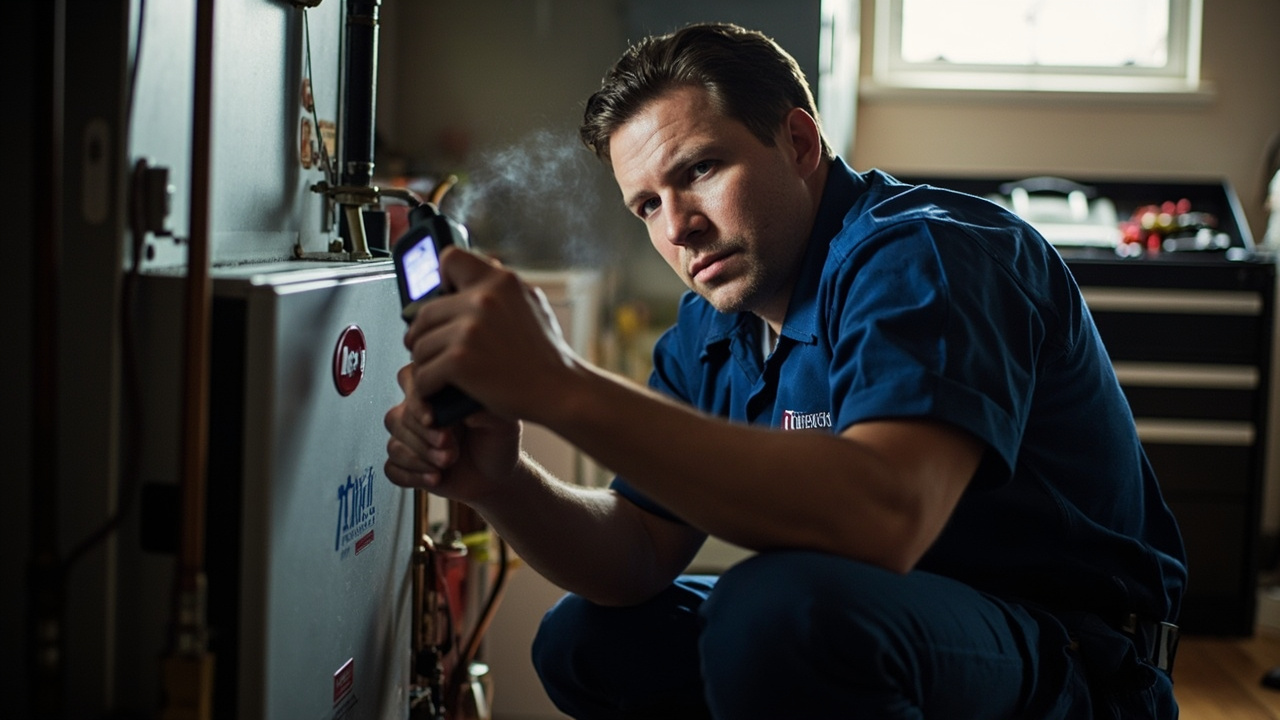
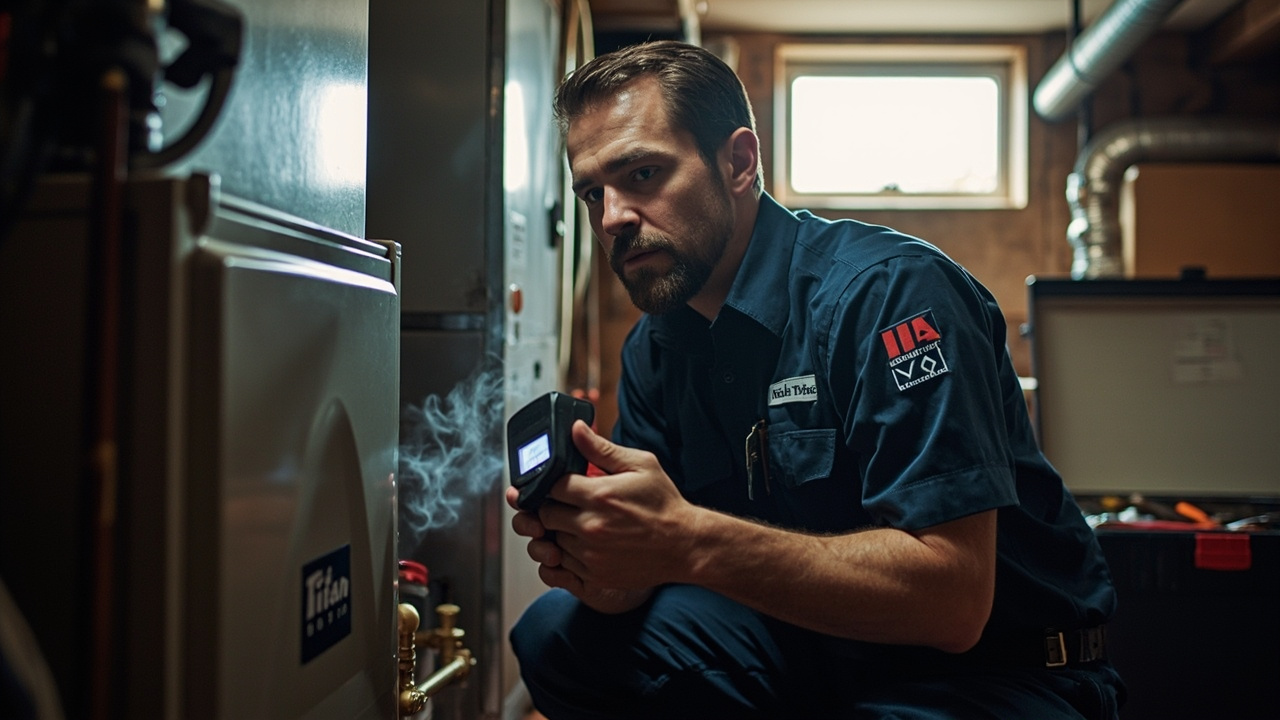
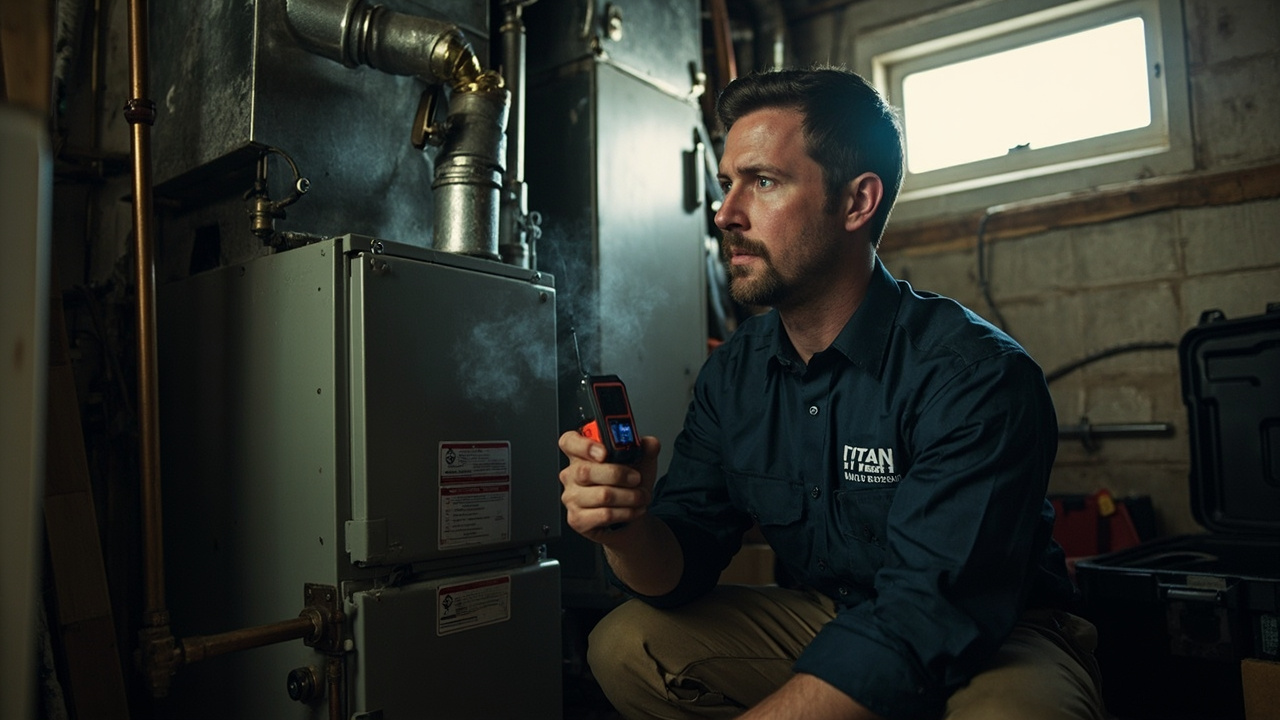
You cannot fix this yourself. Professional CO leak inspection requires calibrated gas analyzers that measure parts per million in real time. Our emergency carbon monoxide testing starts the moment you call. We dispatch a technician with electronic detection equipment and thermal imaging to trace the leak back to its source. Whether the problem is a cracked heat exchanger, a blocked vent, or backdrafting from a water heater, we locate it fast.

Do not wait for symptoms to worsen. Prolonged exposure causes brain damage and death. If your detector alarmed, evacuate immediately and call (617) 758-1599. Our urgent carbon monoxide check service operates around the clock because CO does not wait for business hours. We arrive prepared to test ambient levels, identify the faulty appliance, and guide you through immediate safety steps while we work.

Why Carbon Monoxide Emergencies Hit Boston Homes Harder During Heating Season
How Our CO Gas Detection Service Isolates the Source in Under an Hour

How Our CO Gas Detection Service Isolates the Source in Under an Hour

Generic CO detectors tell you there is a problem. They do not tell you where it originates or how severe the contamination is. Our carbon monoxide leak testing uses multi-point sampling and combustion analysis to pinpoint the exact appliance or vent failure causing the release.

We start with ambient air testing in every room to map concentration gradients. High readings near the furnace room suggest a heat exchanger breach. Elevated levels near the garage indicate car exhaust intrusion. Our electronic analyzers display real-time PPM readouts down to single-digit precision, which lets us differentiate between trace infiltration and dangerous accumulation.

Next, we perform flue gas analysis on every fuel-burning appliance. We insert probes into the vent connector and measure oxygen levels, carbon monoxide output, and draft pressure. A properly functioning furnace exhausts under 50 PPM of CO. Anything above 100 PPM signals incomplete combustion or a venting failure. We also check for flame rollout, which occurs when a blocked vent forces combustion gases back through the burner compartment instead of up the chimney.

Thermal imaging reveals hidden problems. A cracked heat exchanger shows up as a hot spot on the exterior casing. A blocked chimney presents as abnormal heat patterns near the flue base. We inspect vent terminations outside to confirm clearances meet code and that snow, nests, or debris are not obstructing airflow.

Once we isolate the source, we tag the dangerous appliance, explain the failure mode, and provide written documentation of our findings. You get a detailed report with PPM readings, appliance model numbers, and recommended corrective action. We do not leave until the space is ventilated and safe.

What Happens During an Emergency CO Call

Carbon Monoxide Leak Detection in Boston – 24/7 Emergency Response with Same-Day Dispatch
01

Immediate Dispatch and Safety Triage

When you call our emergency line, we ask about symptoms, alarm status, and occupancy. If anyone is experiencing confusion, chest pain, or loss of consciousness, we direct you to evacuate and call 911 while we dispatch. Our technician arrives with portable ventilation fans, CO meters, and respiratory protection to make initial entry safe. We verify ambient levels before anyone re-enters.
02

Systematic Appliance Testing

We test every fuel-burning device in sequence: furnace, water heater, gas range, fireplace, and any auxiliary heating equipment. Each appliance undergoes combustion analysis and visual inspection of the heat exchanger, burner assembly, and vent connector. We measure draft with a manometer to ensure exhaust gases flow upward without spillage. Any appliance exceeding safe CO output gets red-tagged immediately.
03

Documentation and Repair Coordination

You receive a written report with test results, photos of the failed component, and a scope of work to correct the issue. We explain whether the fix is a simple vent cleaning or a full heat exchanger replacement. If the repair is beyond emergency stabilization, we coordinate with your regular HVAC contractor or handle the work ourselves. We retest after repairs to confirm zero ambient CO and safe appliance operation.

Why Boston Families Trust Titan HVAC Boston for Life-Safety CO Testing

Carbon monoxide is not a DIY diagnosis. You need a technician who understands combustion science, venting principles, and the specific failure modes of aging heating equipment common in Boston. Titan HVAC Boston trains every technician in NFPA 54 fuel gas code requirements and Massachusetts state regulations for CO detector placement and appliance venting.

Boston's housing mix demands localized expertise. A South End townhouse with a shared chimney has different venting risks than a single-family colonial in West Roxbury with a standalone furnace. We have tested CO levels in every neighborhood from Charlestown to Dorchester. We know which vintage boilers are prone to heat exchanger cracks and which combination appliances create backdrafting when bathroom exhaust fans run.

Our emergency response is not a sales pitch. You get honest diagnostics. If the problem is a dirty burner that we can clean on-site, we tell you. If the heat exchanger is cracked and the furnace must be replaced, we show you the failure with a borescope camera so you understand the risk. We do not upsell unnecessary equipment. We give you the information to make the right decision for your family's safety.

We also coordinate with local fire departments when required. Boston Fire has strict protocols for CO incidents above 9 PPM in occupied spaces. If your readings exceed that threshold, we work alongside first responders to document the source and ensure the building is cleared for re-occupancy. Our written reports satisfy insurance requirements and provide the documentation you need for landlord disputes or code enforcement cases.

Speed matters in CO emergencies, but accuracy matters more. We do not guess. We measure, test, and verify before we declare a space safe.

What to Expect When You Call for Emergency CO Testing

Same-Day Emergency Arrival

Our average response time for urgent carbon monoxide check calls is under two hours. We run emergency service 24/7 because CO leaks do not follow a schedule. When you call (617) 758-1599, you reach a live dispatcher who logs your address, confirms symptoms, and texts you the technician's ETA. Our trucks carry all testing equipment, so we do not need to return for tools. If you call at 2 a.m., we are en route by 2:15 a.m. We prioritize life-safety calls above all scheduled work.

Comprehensive Multi-Point Testing

Our CO gas detection service includes ambient testing in every occupied room, appliance-specific combustion analysis, and vent integrity inspection. We check draft pressure, measure flue gas temperatures, and verify clearances to combustibles. You get a printed test report with PPM readings for each location and appliance, plus photos of any defects found. If the source is unclear, we use gas leak detectors to check for natural gas leaks that could indicate a separate hazard. Testing takes 45 to 90 minutes depending on home size and the number of appliances.

Clear Diagnosis and Safety Guidance

We explain findings in plain language. You learn what failed, why it failed, and what needs to happen next. If the issue is a blocked chimney, we arrange for a sweep. If the heat exchanger cracked, we discuss replacement options and provide a written quote. We never pressure you into immediate repairs unless the situation is life-threatening. For non-critical issues, you have time to get second opinions or schedule work during business hours. We red-tag dangerous equipment so it cannot operate until repaired, which protects you from liability.

Post-Repair Verification Testing

After repairs are complete, we return to retest the system. We verify zero ambient CO, confirm proper appliance venting, and document that all readings fall within safe limits. This follow-up visit is included in the initial service call. You also receive guidance on CO detector placement per Massachusetts code, which requires hardwired detectors on every level of the home and within 10 feet of every bedroom. We check battery backups and expiration dates. If your detectors are over seven years old, we recommend replacement because sensors degrade over time.

Frequently Asked Questions

You Have Questions,
We Have Answers

How do you know if carbon monoxide is leaking? +

You cannot see, smell, or taste carbon monoxide. Watch for physical symptoms like sudden headaches, dizziness, nausea, confusion, or fatigue affecting everyone in your home. Your CO detector alarm is the most reliable warning. If it sounds, evacuate immediately and call 911. Other signs include yellow or orange furnace flames instead of blue, excessive moisture on windows, or soot buildup around appliances. In Boston's older homes with aging heating systems, routine HVAC inspections catch leaks before symptoms appear. Never ignore detector alarms or flu-like symptoms that improve when you leave the house.

What's the most common household thing to cause a carbon monoxide leak? +

Furnaces cause most residential carbon monoxide leaks in Boston. Cracked heat exchangers, blocked vents, or improper combustion create dangerous CO buildup. Boston's harsh winters force furnaces to run constantly, accelerating wear on heat exchangers. Other common sources include gas water heaters with blocked flues, unvented space heaters, and gas ranges left running. Attached garages where cars idle also contribute. Never use generators, grills, or camping stoves indoors. Schedule annual furnace inspections before heating season. Technicians check heat exchangers, venting systems, and combustion efficiency to prevent leaks before they threaten your family.

How do you test for carbon monoxide leaks? +

Professional HVAC technicians use electronic CO analyzers to test combustion appliances and ambient air levels. These meters detect parts per million in real time. Technicians check furnace flues, water heater vents, and appliance burners while equipment runs. They measure CO at registers and near sleeping areas. Install UL-listed plug-in or hardwired CO detectors on every level, especially near bedrooms. Test detectors monthly and replace batteries twice yearly. In Boston, annual heating system inspections include CO testing as standard procedure. Never rely on detector-only solutions. Professional testing catches problems before detectors alarm.

What are two warning signs of carbon monoxide? +

Physical symptoms and detector alarms are the two critical warnings. Symptoms include sudden headaches, dizziness, nausea, confusion, chest pain, or vomiting affecting multiple household members. Symptoms worsen in enclosed spaces and improve outside. Your carbon monoxide detector alarm is the second warning. Modern detectors alarm at sustained levels above 70 parts per million. If your alarm sounds, evacuate immediately and call 911 from outside. Do not re-enter to investigate. Boston winters keep homes sealed tight, increasing CO accumulation risk. Never dismiss flu-like symptoms during heating season, especially if others feel sick simultaneously.

How long can you live in a house with a carbon monoxide leak? +

This depends entirely on concentration levels. You cannot safely live in a home with any carbon monoxide leak. Low-level exposure causes chronic symptoms over weeks. Moderate levels cause serious symptoms within hours. High concentrations kill within minutes. CO accumulates in your bloodstream, binding to hemoglobin and starving organs of oxygen. Brain and heart damage occur rapidly. Children, elderly residents, and pregnant women face higher risk. If you suspect a leak, evacuate immediately and call 911. Do not return until professionals clear the home. Boston's tight building envelopes trap CO faster than drafty homes. Zero exposure is the only safe exposure level.

Can my cell phone detect carbon monoxide? +

No. Your cell phone cannot detect carbon monoxide. Some apps claim detection capability, but they are ineffective and dangerous to rely on. Carbon monoxide is an invisible, odorless gas requiring specialized electrochemical or metal oxide sensors. Only UL-listed carbon monoxide detectors provide reliable detection. Install hardwired or plug-in detectors with battery backup on every level of your Boston home, particularly near sleeping areas. Test detectors monthly and replace them every five to seven years. Technology does not replace proper equipment. Trusting your phone for CO detection puts your family at serious risk. Use only certified detectors designed specifically for carbon monoxide.

How can I test for CO in my home? +

Install UL-listed carbon monoxide detectors on every level, especially near bedrooms. Test detectors monthly and replace batteries twice yearly. Schedule annual professional HVAC inspections before Boston's heating season. Technicians use electronic analyzers to test furnaces, water heaters, and venting systems under operating conditions. They measure combustion efficiency and check for cracked heat exchangers or blocked flues. You can purchase home CO test kits, but professional testing is more accurate and comprehensive. Never ignore detector alarms or dismiss unexplained flu-like symptoms. If your detector alarms, evacuate immediately and call 911. Professional testing prevents emergencies before they happen.

How long does it take for a stove to be on to cause carbon monoxide poisoning? +

Gas stoves produce carbon monoxide during normal operation but typically vent it safely. Dangerous levels depend on ventilation, burner adjustment, and stove condition. A properly adjusted stove with adequate ventilation rarely causes poisoning. Running all burners and the oven simultaneously in a sealed Boston kitchen can raise CO levels within 30 minutes to two hours. Never use your stove for supplemental heat. Yellow or orange flames indicate incomplete combustion and higher CO output. Blue flames mean proper combustion. Always use your range hood when cooking. If you feel dizzy, nauseous, or develop headaches while cooking, open windows immediately and call for help.

What can falsely set off a carbon monoxide detector? +

Hydrogen gas from battery charging, methane spikes from sewage backups, and high humidity can trigger false alarms. Detectors placed too close to fuel-burning appliances may alarm during normal startup. Volatile organic compounds from paint, solvents, or cleaning products sometimes cause false readings. Extreme temperature fluctuations or detector age also contribute. However, never assume an alarm is false. Treat every alarm as real. Evacuate and call 911. Technicians will test your home with calibrated equipment. In Boston's older homes, dirty detectors near furnace rooms may alarm more frequently. Clean detectors regularly, but replace any unit older than seven years.

How long does it take for carbon monoxide poisoning to kick in? +

Onset time depends entirely on concentration. At 400 parts per million, headaches and nausea appear within one to two hours. Fatal levels occur in three hours. At 800 parts per million, symptoms appear in 45 minutes with death possible in two hours. At 1,600 parts per million, headaches and dizziness occur within 20 minutes, death within one hour. At 3,200 parts per million, symptoms appear in five to ten minutes, death within 30 minutes. At 6,400 parts per million, death occurs in 10 to 15 minutes. Boston's tight homes accelerate accumulation. Never wait for symptoms. If your detector alarms, evacuate immediately. Call 911 from outside.

Why Boston's Old Brick Chimneys and Tight Construction Make CO Leaks More Common

Boston has one of the oldest housing stocks in the nation. Many homes in Back Bay, Beacon Hill, and Jamaica Plain were built before 1920 with shared masonry chimneys serving multiple units. Over decades, these chimneys develop cracks, missing mortar joints, and flue obstructions from falling bricks. When one unit runs a furnace or water heater, exhaust gases can migrate laterally through deteriorated flue liners into adjacent living spaces. Newer weatherization efforts seal homes tight for energy efficiency, which reduces natural air exchange and allows CO to accumulate faster than it would in a drafty older home.

Massachusetts enforces strict CO detector laws under 527 CMR 31.00, which requires detectors in every residential dwelling. Boston inspectional services follows up on tenant complaints and can issue fines for non-compliance. Landlords who skip annual heating system inspections risk both legal liability and tenant injury. Titan HVAC Boston works with property managers across the city to provide professional CO leak inspection as part of seasonal maintenance. Our technicians understand local code requirements and provide documentation that satisfies both insurance audits and city inspections.
HVAC Services in The Boston Area

We are proud to serve our valued clients across the entire region. Whether you're in the city center or a surrounding community, our dedicated team is ready to provide top-notch HVAC services right to your doorstep. You can locate our main office here, and we encourage you to reach out to schedule a service, explore our offerings, or discuss your heating and cooling needs with our expert team. We look forward to serving you!

Address:
Titan HVAC Boston, 94 Shirley St, Boston, MA, 02119

Additional Services We Offer

Our news updates

Latest Articles & News from The Blogs

Finding a Silent HVAC Solution for Your Home Theater or Media Room in Wellesley If you've ever had to pause…

Finding a Silent HVAC Solution for Your Home Theater or Media Room in Wellesley

Finding a Silent HVAC Solution for Your Home Theater or Media Room in Wellesley If you've ever had to pause…

What the New SEER2 Efficiency Standards Mean for Your Next Boston AC Upgrade

What the New SEER2 Efficiency Standards Mean for Your Next Boston AC Upgrade The Department of Energy rolled out new…

How Smart Vents Can Fix Hot and Cold Spots in Large Multi-Story Newton Homes

Large multi-story homes in Newton often suffer from uneven temperatures where some rooms feel like a sauna while others stay…

Contact Us

Do not wait for symptoms to worsen or assume the problem will resolve itself. Call (617) 758-1599 for immediate dispatch. We answer 24/7 and arrive equipped to locate the source, verify safe levels, and guide you through next steps. Your family's safety is not negotiable.