




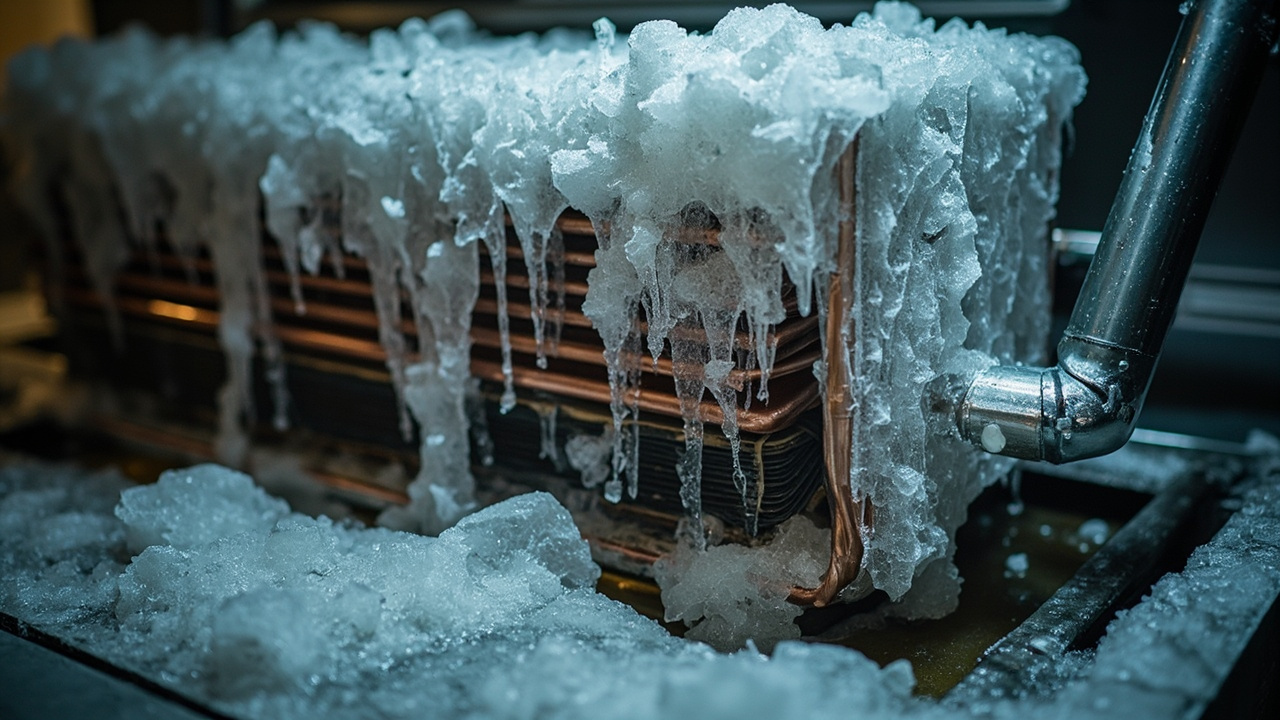
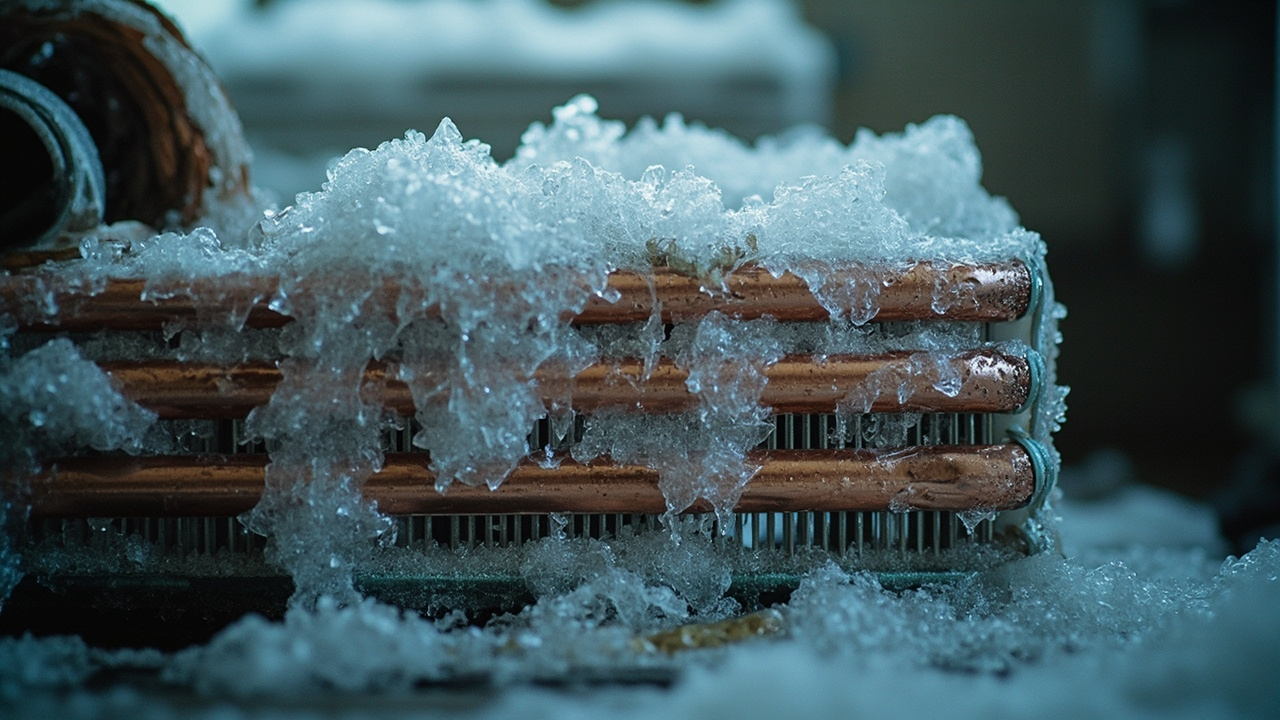
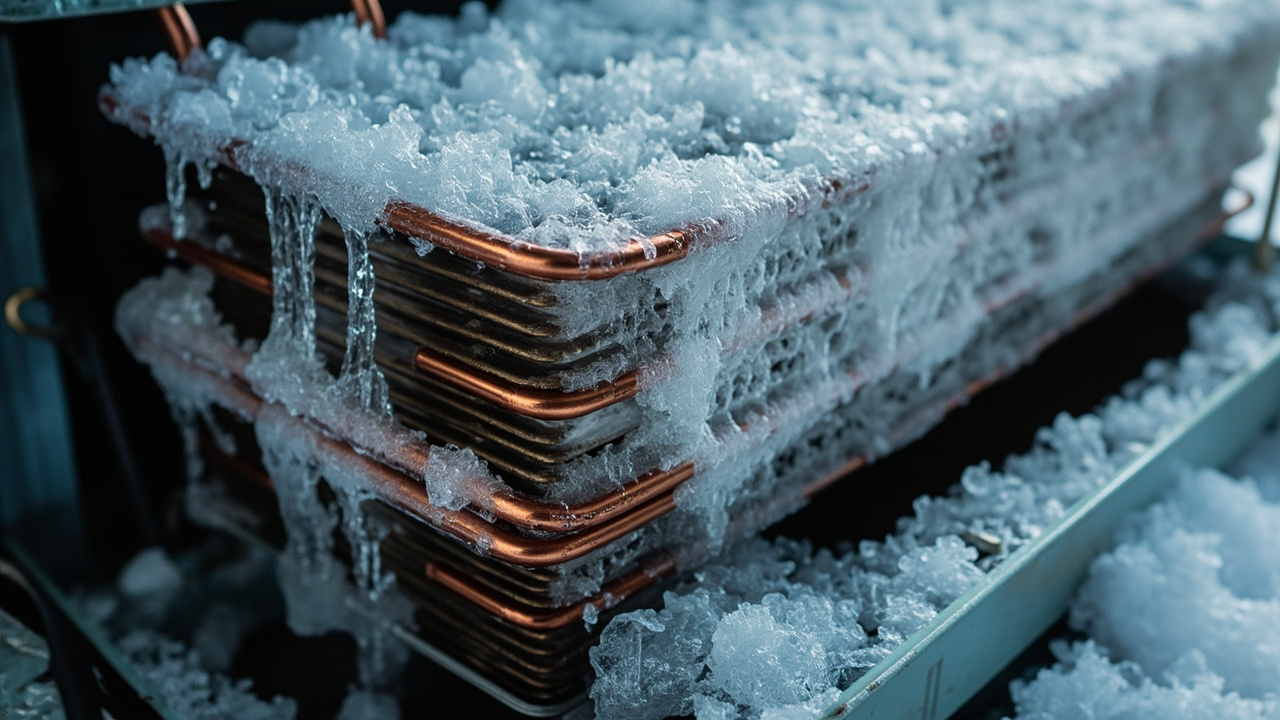
Boston's summer dewpoint averages 65 degrees, which means the air holds a lot of moisture. When an evaporator coil drops below the dewpoint, condensation forms on the fins. If airflow is restricted, that condensation freezes. Many Boston homes have undersized return ducts because central air was added long after the house was built. A 1,500-square-foot home needs at least 600 CFM of return air, but older homes often have a single 14x20 return grille that delivers half that. This restricted airflow drops coil temperature below freezing, even when refrigerant charge is correct. Fixing frozen coils in Boston often requires ductwork modifications, not just refrigerant adjustments.
We have worked on HVAC systems in every Boston neighborhood, from the triple-deckers in Southie to the Victorian homes in Back Bay. We understand the quirks of older duct systems and know how to improve airflow without tearing apart walls. Boston homeowners need technicians who understand how humidity, duct design, and refrigerant charge interact. Cookie-cutter repairs do not work here. Our technicians are trained to adapt solutions to the realities of older homes and tight installation spaces. When you call us, you get someone who knows Boston buildings, not just textbook theory.