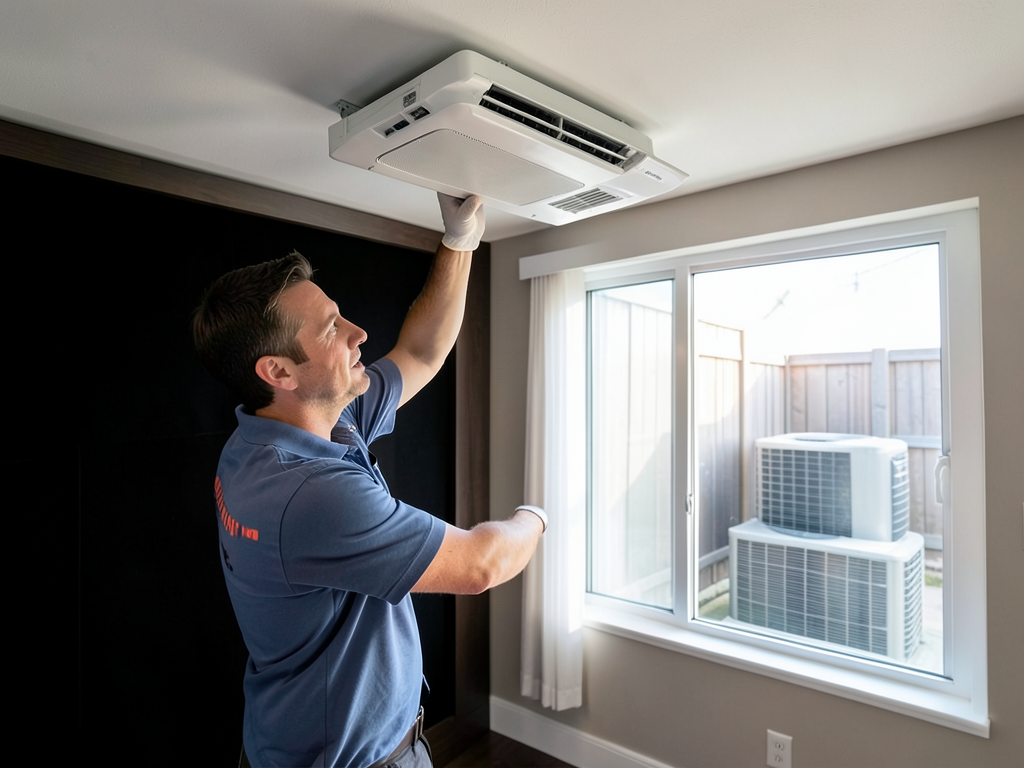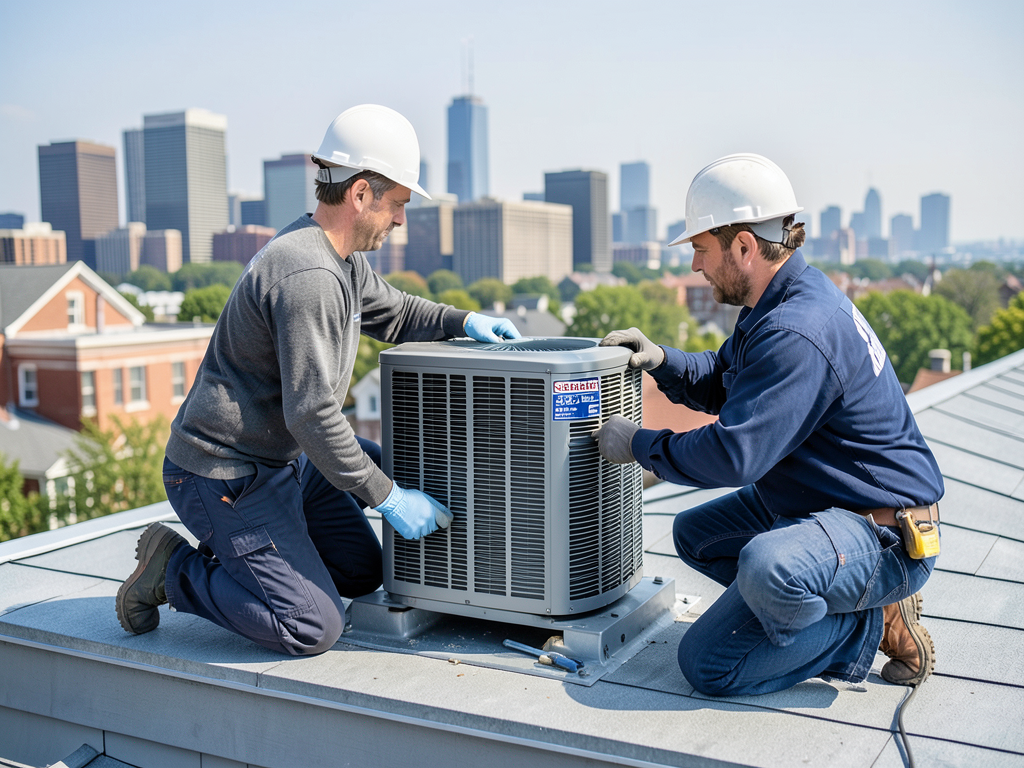







Boston experiences some of the most extreme seasonal temperature swings in the country. Winter temperatures regularly drop below 20 degrees, forcing furnaces and boilers to run nearly continuously. Summer humidity often exceeds 70 percent, which makes your air conditioner work much harder to remove moisture and maintain comfort. This dual stress means Boston HVAC systems accumulate more runtime hours per year than equipment in moderate climates. Higher runtime accelerates wear, reduces efficiency, and drives expensive electricity bills upward. Systems that receive inadequate maintenance lose efficiency faster under this constant thermal stress.
The age and construction of Boston's housing stock creates additional challenges. Many neighborhoods feature homes built between 1880 and 1940 with minimal insulation and original single-pane windows. These buildings lose conditioned air at rates that would bankrupt modern homeowners if not addressed. Our technicians have mapped the typical problem areas in triple-deckers, brownstones, and colonial homes across the city. We know where to look for hidden duct leaks, missing insulation, and air infiltration points specific to Boston architecture. This local knowledge lets us diagnose energy waste faster and more accurately than technicians unfamiliar with regional building styles.