
Finding a Silent HVAC Solution for Your Home Theater or Media Room in Wellesley
If you’ve ever had to pause a movie because the HVAC system kicked on with a loud whoosh, you know the frustration. In Wellesley, where many homes feature dedicated media rooms and home theaters, finding a truly quiet HVAC solution is essential for an immersive experience. The right system keeps your space comfortable without interrupting dialogue, explosions, or that perfectly timed soundtrack. Finding the Right Ductless Mini Split for a Beacon Hill Brownstone.
Why Home Theater HVAC Needs Special Attention
Standard HVAC systems are designed for general comfort, not for environments where sound quality matters. In a home theater, even a small hum can break the cinematic illusion. The challenge is compounded in Wellesley’s older homes, where ductwork and equipment placement weren’t designed with modern media rooms in mind. You need a system that delivers precise temperature control while operating at whisper-quiet decibel levels.
Most homeowners don’t realize that HVAC noise comes from multiple sources: the outdoor condenser, the indoor air handler, and even vibrations transmitted through walls and floors. Each component needs to be addressed for true silence.
Understanding Decibel Ratings for Quiet Operation
Sound is measured in decibels (dB), and the difference between a noisy system and a quiet one can be dramatic. A typical conversation registers around 60 dB, while a library maintains about 40 dB. Many standard HVAC systems operate at 70 dB or higher, which is clearly audible during quiet movie scenes.
Modern quiet systems can operate as low as 19-25 dB, which is virtually inaudible. Here’s a comparison of common sound levels:
| Sound Source | Decibel Level | Perceived Loudness |
|---|---|---|
| Whisper | 15 dB | Inaudible |
| Library | 40 dB | Very Quiet |
| Normal Conversation | 60 dB | Moderate |
| Standard HVAC | 70-75 dB | Loud |
| Quiet HVAC System | 19-25 dB | Whisper Quiet |
The human ear perceives every 10 dB increase as roughly doubling the loudness. This means a 70 dB system sounds four times louder than a 50 dB system, and twenty times louder than a 30 dB system.
Variable-Speed Technology: The Key to Quiet Operation
Traditional HVAC systems operate in simple on/off cycles, which creates those disruptive bursts of noise. Variable-speed technology changes this completely. Instead of running at full blast or not at all, these systems adjust their output continuously to match the exact heating or cooling demand.
This technology, often called inverter technology, works by varying the compressor speed. When the room is close to the set temperature, the system runs at a fraction of its maximum capacity, dramatically reducing both noise and energy consumption. The result is a system that maintains perfect comfort while producing minimal sound. Benefits of Inverter Technology.
Variable-speed systems also eliminate the temperature swings common with traditional units. Instead of feeling cold air blasts followed by warm periods, you get consistent, even comfort throughout your media room.
Top Quiet HVAC Systems for Home Theaters
Several manufacturers now offer systems specifically designed for quiet operation. Here are the top performers that work exceptionally well in Wellesley homes:
| System | Minimum dB | Technology | Best For |
|---|---|---|---|
| Carrier Infinity with Greenspeed | 19 dB | Variable-speed inverter | Whole-home integration |
| Mitsubishi Electric Hyper-Heat | 19 dB | Ductless inverter | Room-specific control |
| Trane TruComfort | 28 dB | Variable-speed | Energy efficiency focus |
| Lennox Ultimate Comfort | 23 dB | Solar-ready inverter | Eco-conscious homes |
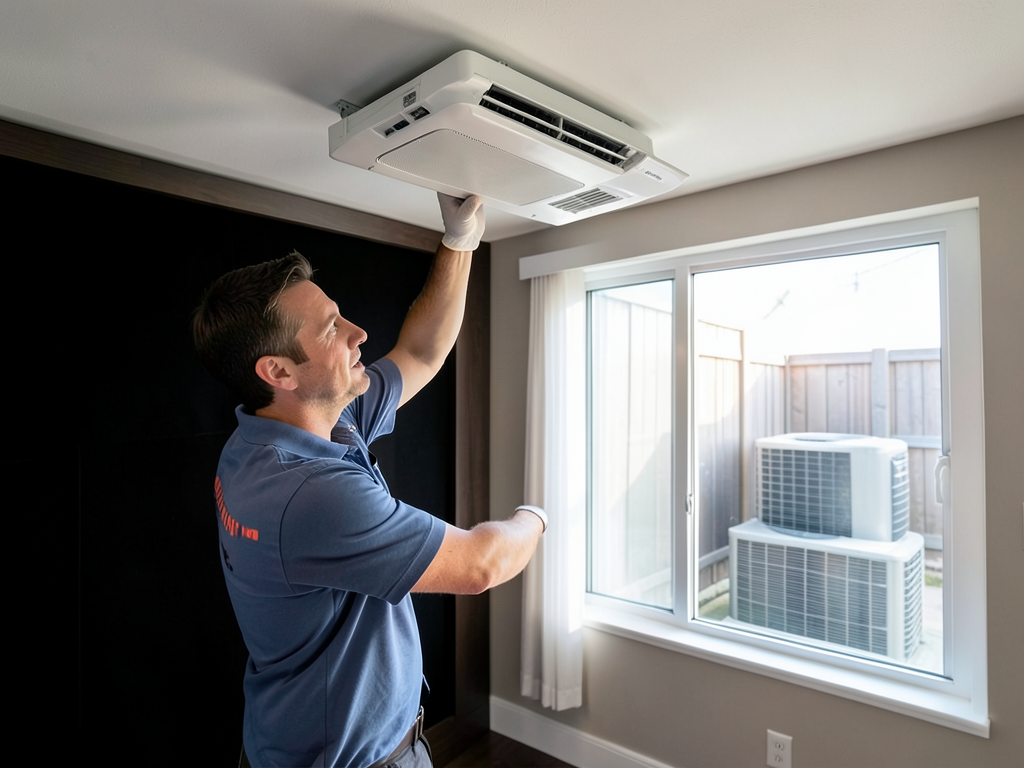
Mitsubishi’s ductless systems are particularly popular in Wellesley for media rooms because they don’t require extensive ductwork. These systems can be mounted on walls or ceilings, preserving your room’s acoustics and aesthetics.
Installation Factors That Affect Noise Levels
Even the quietest equipment can become noisy if not installed properly. Several factors during installation can make or break your silent HVAC experience. The Most Reliable Heat Pump Installation Teams in Cambridge.
Vibration isolation is critical. Without proper isolation, the compressor’s vibrations travel through walls and floors, creating a low-frequency hum that’s particularly noticeable in quiet rooms. Professional installers use rubber isolation pads and anti-vibration mounts to prevent this.
Ductwork design also matters. Sharp bends and narrow ducts create air turbulence, which generates noise. Smooth, properly sized ducts with gradual curves maintain quiet airflow. In older Wellesley homes, retrofitting ductwork often requires creative solutions to avoid these issues.
Equipment placement is another key factor. Outdoor units should be positioned away from bedroom windows and neighboring properties to prevent noise complaints. Indoor units need strategic placement to avoid sound reflection off walls and ceilings.
Sound-Dampening Features to Look For
Modern quiet systems incorporate several sound-dampening technologies. Compressor blankets wrap the compressor in sound-absorbing material, reducing operational noise by several decibels. Insulated compressor compartments further contain sound.
Aerodynamic fan blade designs minimize air turbulence. These specially shaped blades move air more efficiently while generating less noise than standard fans. Some systems use multiple smaller fans instead of one large one, which distributes sound more evenly.
Variable-speed fans can adjust their speed based on demand, running at whisper-quiet levels when full power isn’t needed. This is especially important for media rooms, where noise levels need to stay consistently low.
Wellesley-Specific Considerations
Wellesley’s mix of historic and modern homes presents unique HVAC challenges. Many older homes have plaster walls and hardwood floors that can transmit vibrations easily. The town’s strict building codes also affect equipment placement and noise levels. Upgrading Historic Back Bay Homes with Central Air (Without Ruining the Interior Walls).
Massachusetts building codes require HVAC systems to meet specific noise standards, particularly for equipment near property lines. Wellesley’s zoning bylaws often include additional requirements for outdoor unit placement and noise mitigation. Mass Save rebates.
The town’s climate also influences system selection. Wellesley experiences cold winters that can affect heat pump performance. Modern cold-climate heat pumps maintain quiet operation even in sub-freezing temperatures, making them ideal for year-round use.
Diagnostic Testing for Quiet Performance
Professional HVAC technicians use specific diagnostic tools to ensure quiet operation. Sound level meters measure decibel output at various distances and settings. Vibration analysis tools detect unwanted vibrations before they become audible problems.
Airflow testing ensures ducts aren’t creating turbulence. Technicians use smoke pencils or thermal imaging to visualize airflow patterns and identify noisy spots. They also check for proper refrigerant charge, as incorrect levels can cause compressors to work harder and generate more noise.
The final test involves sitting in the media room during different operating modes. Good technicians will adjust fan speeds and listen for any unusual sounds before considering the job complete.
Maintenance for Continued Quiet Operation
Even the best quiet systems can become noisy without proper maintenance. Dirty filters restrict airflow, forcing fans to work harder and generate more noise. Loose components can rattle, and worn bearings can create grinding sounds.
Annual maintenance should include cleaning or replacing filters, checking all mounting hardware, and lubricating moving parts. Technicians should also inspect ductwork for any damage that could create noise.
Smart thermostats can help maintain quiet operation by optimizing system cycles. These devices learn your patterns and adjust operation to minimize noise during movie times or overnight.
Cost Considerations for Quiet Systems
Quiet HVAC systems typically cost 15-30% more than standard systems, but the investment pays off in several ways. Beyond the obvious benefit of noise reduction, these systems often use less energy and require fewer repairs over their lifetime. EPA energy efficiency standards.
The exact cost depends on your home’s size, existing infrastructure, and the specific system you choose. A basic ductless mini-split for a single room might start around $3,000 installed, while a whole-home variable-speed system could run $15,000 or more.
Massachusetts offers rebates through Mass Save for high-efficiency systems, which can offset some of the additional cost. These rebates often apply to the quietest, most efficient models.
Frequently Asked Questions
How quiet is a truly quiet HVAC system?
A truly quiet system operates at 19-25 dB, which is quieter than a whisper. At this level, you won’t hear the system during quiet movie scenes or while sleeping.
Can I add quiet operation to my existing system?
Some upgrades can reduce noise, like adding vibration isolation pads or sound blankets. However, for true quiet operation, replacing the system with variable-speed technology is usually necessary.
Will a quiet system still heat and cool effectively?
Yes, quiet systems are often more effective than standard ones. Variable-speed technology provides more consistent temperatures and better humidity control while using less energy.
How long does installation take?
Ductless systems for a single room typically install in one day. Whole-home systems may take 2-3 days, depending on the complexity of the installation and any necessary ductwork modifications.
Are there any tax incentives for quiet, efficient systems?
Massachusetts offers Mass Save rebates for high-efficiency systems. Federal tax credits may also be available for qualifying equipment. Check with your installer for current incentive programs.
Getting Started with Your Quiet HVAC Solution
The first step is a professional assessment of your media room and existing HVAC system. A qualified technician will evaluate your space, discuss your noise tolerance, and recommend specific solutions.
During the assessment, ask about decibel ratings, variable-speed technology, and specific sound-dampening features. Request a written quote that includes all installation details and warranty information.
Don’t forget to ask about maintenance requirements and what’s included in the installation. Some companies offer ongoing maintenance plans that can help protect your investment.
Call (617) 758-1599 Today to Schedule Your Assessment
Don’t let noisy HVAC ruin another movie night. Call (617) 758-1599 today to schedule your professional assessment. Our experienced technicians understand Wellesley’s unique HVAC challenges and can recommend the perfect quiet solution for your home theater or media room.
We’ll evaluate your space, explain all your options, and provide a detailed quote with no pressure. Whether you need a single-room solution or a whole-home upgrade, we have the expertise to deliver whisper-quiet comfort.
Pick up the phone and call (617) 758-1599 before the next big movie release. Your ears will thank you.
{
“@context”: “https://schema.org”,
“@type”: “BlogPosting”,
“headline”: “Finding a Silent HVAC Solution for Your Home Theater or Media Room in Wellesley”,
“description”: “Struggling with noisy HVAC disrupting your home theater in Wellesley? Discover quiet variable-speed systems, decibel ratings, and expert installation tips for perfect movie nights.”,
“wordCount”: 1641,
“datePublished”: “2026-06-14T08:35:00.000Z”,
“dateModified”: “2026-06-14T08:35:00.000Z”,
“inLanguage”: “en-US”,
“mainEntityOfPage”: {
“@type”: “WebPage”,
“@id”: “https://titanhvacboston.com”
},
“publisher”: {
“@type”: “LocalBusiness”,
“name”: “Titan HVAC Boston”,
“url”: “https://titanhvacboston.com”
},
“author”: {
“@type”: “Organization”,
“name”: “Titan HVAC Boston”,
“url”: “https://titanhvacboston.com”
},
“image”: {
“@type”: “ImageObject”,
“url”: “https://titanhvacboston.com/wp-content/uploads/2026/03/finding-a-silent-hvac-solution-for-your-home-theat-1.png”
}
}
{
“@context”: “https://schema.org”,
“@type”: “HVACBusiness”,
“name”: “Titan HVAC Boston”,
“url”: “https://titanhvacboston.com”,
“address”: {
“@type”: “PostalAddress”,
“addressLocality”: “Boston”
},
“areaServed”: {
“@type”: “City”,
“name”: “Boston”
}
}
{
“@context”: “https://schema.org”,
“@type”: “FAQPage”,
“mainEntity”: [
{
“@type”: “Question”,
“name”: “How quiet is a truly quiet HVAC system?”,
“acceptedAnswer”: {
“@type”: “Answer”,
“text”: “A truly quiet system operates at 19-25 dB, which is quieter than a whisper. At this level, you won’t hear the system during quiet movie scenes or while sleeping.”
}
},
{
“@type”: “Question”,
“name”: “Can I add quiet operation to my existing system?”,
“acceptedAnswer”: {
“@type”: “Answer”,
“text”: “Some upgrades can reduce noise, like adding vibration isolation pads or sound blankets. However, for true quiet operation, replacing the system with variable-speed technology is usually necessary.”
}
},
{
“@type”: “Question”,
“name”: “Will a quiet system still heat and cool effectively?”,
“acceptedAnswer”: {
“@type”: “Answer”,
“text”: “Yes, quiet systems are often more effective than standard ones. Variable-speed technology provides more consistent temperatures and better humidity control while using less energy.”
}
},
{
“@type”: “Question”,
“name”: “How long does installation take?”,
“acceptedAnswer”: {
“@type”: “Answer”,
“text”: “Ductless systems for a single room typically install in one day. Whole-home systems may take 2-3 days, depending on the complexity of the installation and any necessary ductwork modifications.”
}
},
{
“@type”: “Question”,
“name”: “Are there any tax incentives for quiet, efficient systems?”,
“acceptedAnswer”: {
“@type”: “Answer”,
“text”: “Massachusetts offers Mass Save rebates for high-efficiency systems. Federal tax credits may also be available for qualifying equipment. Check with your installer for current incentive programs.”
}
}
]
}
{
“@context”: “https://schema.org”,
“@type”: “BreadcrumbList”,
“itemListElement”: [
{
“@type”: “ListItem”,
“position”: 1,
“name”: “Home”,
“item”: “https://titanhvacboston.com”
},
{
“@type”: “ListItem”,
“position”: 2,
“name”: “Blog”,
“item”: “https://titanhvacboston.com/blog”
},
{
“@type”: “ListItem”,
“position”: 3,
“name”: “Finding a Silent HVAC Solution for Your Home Theater or Media Room in Wellesley”
}
]
}
{
“@context”: “https://schema.org”,
“@type”: “Service”,
“serviceType”: “HVAC”,
“provider”: {
“@type”: “LocalBusiness”,
“name”: “Titan HVAC Boston”,
“url”: “https://titanhvacboston.com”
},
“areaServed”: {
“@type”: “City”,
“name”: “Boston”
},
“description”: “Struggling with noisy HVAC disrupting your home theater in Wellesley? Discover quiet variable-speed systems, decibel ratings, and expert installation tips for perfect movie nights.”
}