





Quincy sits on the coast where salty air attacks metal components in air conditioners and furnaces. The humidity accelerates corrosion on outdoor units, shortening their lifespan compared to systems installed inland. Winter temperatures swing from bitter cold to sudden thaws, forcing heating systems to work harder and fail more often. Homes near Wollaston Beach and Houghs Neck deal with constant salt exposure that eats through coils and electrical connections.
The housing stock adds more pressure. Many triple-deckers and older homes in Quincy Center and Merrymount have outdated ductwork, poor insulation, and systems pushed beyond their design capacity. Retrofit installations in historic properties require expertise with tight spaces and old wiring. Modern split-level homes in Adams Shore and Germantown demand zoned climate control, but many systems were never designed for it.
Quincy's marine climate also creates moisture problems. Condensation builds up in ducts and HVAC components, leading to mold growth and reduced air quality. Coastal wind puts extra strain on rooftop units common in commercial buildings along Hancock Street and Newport Avenue. Add in freeze-thaw cycles that crack concrete pads and damage refrigerant lines, and you understand why Quincy HVAC systems need specialized attention from technicians who know these local conditions.
Titan HVAC Boston has built its reputation on showing up when others won't. We answer emergency calls at 2 AM on Christmas morning. We dispatch technicians within hours, not days. When your system fails, you don't have time to wait for callbacks or schedule appointments three days out. Our team treats every breakdown like the crisis it is for your family or business.
We stock parts for the systems actually installed in Quincy homes. That means we repair Carrier, Lennox, Trane, Rheem, and Mitsubishi units without waiting for special orders. Our trucks carry the components needed for 80 percent of repairs, so we fix problems on the first visit instead of making you wait in the cold or heat. This preparation separates us from competitors who show up empty-handed and tell you they need to order parts.
Our technicians train specifically on the challenges of coastal climate HVAC work. They recognize salt corrosion patterns, understand how to protect replacement components from marine air, and know which materials last longest near the ocean. This expertise matters when you're investing thousands in a new system or deciding whether to repair or replace a struggling unit. We give you honest assessments based on what actually works in Quincy, not generic recommendations from a manual.
We guarantee our work because we do it right. If a repair fails within the warranty period, we return and make it right at no additional cost. We don't disappear after cashing your check. We're part of this community, and our reputation depends on standing behind every installation and repair we complete.

HVAC emergencies don't wait for business hours. Titan HVAC Boston maintains round-the-clock dispatch for heating failures, AC breakdowns, and urgent repairs throughout Quincy. Our technicians respond within hours, arriving with diagnostic tools and common parts to restore your comfort fast. You get a live person when you call, not a voicemail system.

Salt air destroys standard HVAC components. Our team installs corrosion-resistant parts, applies protective coatings, and selects equipment rated for marine environments. We've repaired thousands of systems in Quincy's coastal neighborhoods and understand how to extend equipment life near the ocean. This specialized knowledge prevents premature failures that cost you money.
Our service vehicles stock parts for the heating and cooling systems most common in Quincy homes. This preparation allows us to complete 80 percent of repairs on the first visit, without return trips or extended wait times. You get your system running again quickly instead of suffering through days without heat or air conditioning while parts ship from warehouses.
We serve Quincy neighborhoods exclusively, from Marina Bay to West Quincy. This focused service area means faster response times and technicians who know local building types, common system configurations, and the specific challenges your home faces. We're not stretched across 50 towns. We concentrate our expertise where you need it.
Titan HVAC Boston handles every aspect of residential and commercial heating, ventilation, and air conditioning work in Quincy. Our technicians diagnose and repair all major system types, from forced-air furnaces to ductless mini-splits. We install new equipment when repairs no longer make financial sense, and we maintain existing systems to prevent breakdowns before they happen.
Our service range covers emergency repairs, planned replacements, seasonal maintenance, indoor air quality improvements, and commercial HVAC work. Whether you need a simple thermostat repair or a complete system overhaul for a multi-family building, we bring the same expertise and urgency to every job. We work on single-family homes, triple-deckers, apartment buildings, retail spaces, and office properties throughout the city.
We organize our services around three core areas that address different customer needs. Emergency repairs respond to immediate failures that leave you without heat or cooling. Installation and replacement services help you upgrade aging equipment or add climate control to new spaces. Maintenance and optimization keep existing systems running efficiently and catch small problems before they become expensive failures. This structure ensures you get the right solution for your situation, whether you're in crisis mode or planning ahead.
When your furnace stops working in January or your AC quits during a heat wave, you need immediate help. Titan HVAC Boston dispatches technicians 24/7 for emergency breakdowns throughout Quincy. We diagnose furnace failures, air conditioner malfunctions, thermostat problems, and system failures that leave you without climate control. Our trucks carry common replacement parts for same-day repairs. We restore heat and cooling fast so your family stays comfortable and safe.
Old systems waste energy and fail when you need them most. We install high-efficiency furnaces, central air conditioners, heat pumps, and ductless mini-split systems sized correctly for Quincy homes. Our installation process includes load calculations, ductwork evaluation, and equipment selection based on your property's needs. We handle permits, inspections, and cleanup. You get a properly installed system backed by manufacturer warranties and our labor guarantee.
Regular maintenance extends equipment life and prevents emergency failures. Our seasonal tune-ups include cleaning, inspection, testing, and minor adjustments that keep systems running efficiently. We check refrigerant levels, clean coils, test electrical connections, inspect heat exchangers, and replace filters. This preventive work catches problems early when repairs cost less. Maintained systems use less energy and break down less often, saving you money over time.
Quincy's coastal location creates specific HVAC challenges that inland properties don't face. Salt air corrodes outdoor units faster than normal, shortening their lifespan and causing unexpected failures. The combination of humid summers and cold winters puts extreme stress on heating and cooling equipment. Older homes with inadequate insulation force systems to work harder, increasing energy bills and repair frequency.
Properties near the water deal with constant salt exposure that attacks metal components, electrical connections, and coils. The freeze-thaw cycles common in Quincy winters crack concrete pads and damage refrigerant lines. Multi-family buildings and triple-deckers often have undersized systems trying to heat or cool more space than they were designed to handle. These local factors contribute to the problems we see most often in Quincy homes and businesses.
Coastal air attacks air conditioner condensers and heat pump outdoor units. Salt builds up on coils, fins, and electrical connections, causing corrosion that reduces efficiency and leads to premature failure. Homes near Wollaston Beach and Marina Bay see this damage accelerate. We clean affected components, apply protective coatings, and recommend corrosion-resistant replacement parts that last longer in marine environments.
Many Quincy triple-deckers and older single-family homes have HVAC systems too small for their square footage. Previous owners added insulation or finished basements without upgrading capacity. The result is equipment that runs constantly, fails to maintain comfortable temperatures, and breaks down frequently. Proper load calculations determine if you need a larger system or if ductwork modifications can improve performance.
Older Quincy homes were built before central air conditioning existed. Ductwork added later often uses undersized ducts, too many bends, or poor connections that leak conditioned air into walls and attics. These problems waste energy and create hot or cold spots in your home. We inspect duct systems with pressure testing and thermal imaging to find leaks and restrictions that reduce efficiency.
Quincy's coastal humidity creates moisture problems inside HVAC systems and ductwork. Excess moisture leads to mold growth, musty odors, and poor indoor air quality. Air conditioners that don't remove enough humidity leave your home feeling clammy even when temperatures are comfortable. We assess indoor air quality, recommend dehumidification solutions, and install UV lights or air purifiers that address these problems.
From your first phone call to final system testing, Titan HVAC Boston follows a clear process that keeps you informed and eliminates surprises. We answer your call with a live person who asks questions about your problem, not an automated system that wastes your time. You get a realistic arrival window, and we call ahead when our technician is on the way.
Our service approach prioritizes speed without sacrificing quality. We diagnose problems thoroughly before recommending solutions. We explain what's wrong in plain language, show you the failed components when possible, and give you options with honest pricing. You decide what makes sense for your situation and budget. We never pressure you into unnecessary work or premium services you don't need.
After completing repairs or installations, we test everything to confirm proper operation. We walk you through what we did, answer your questions, and explain how to prevent similar problems. Our work comes with clear warranties, and we follow up to make sure you're satisfied. This straightforward process has earned us trust throughout Quincy.
When you call Titan HVAC Boston, a real person answers and gathers information about your heating or cooling problem. We dispatch technicians based on urgency, with emergency calls getting priority response. You receive a realistic arrival window, and our technician calls 30 minutes before arriving. We respect your time by showing up when promised and working efficiently once on site.
Our technicians diagnose problems completely before recommending solutions. We explain what's wrong, why it happened, and what options you have for repair or replacement. You see the failed parts and understand the work needed. We provide upfront pricing for all recommended work, including parts and labor. No hidden fees or surprise charges appear on your invoice.
Every repair and installation meets manufacturer specifications and local code requirements. We test systems thoroughly after completing work to confirm proper operation. You receive documentation of all work performed, warranty information for parts and labor, and maintenance recommendations. If problems arise during the warranty period, we return and make it right at no additional cost.
We've streamlined HVAC service into three clear steps that get your system working again quickly. This process applies to emergency repairs, planned installations, and routine maintenance calls throughout Quincy.
Contact Titan HVAC Boston by phone at (617) 758-1599 and describe your heating or cooling problem. We gather information about your system, symptoms, and urgency. Our dispatcher schedules a technician based on your needs, with emergency calls receiving same-day service. You get a realistic arrival window and a callback when the technician is on the way to your Quincy property.
Our technician arrives with diagnostic tools and common parts. We inspect your system, test components, and identify the root cause of the problem. You receive a clear explanation of what's wrong and upfront pricing for recommended repairs. Once you approve the work, we complete repairs on site when possible. Most service calls are resolved in a single visit.
After completing repairs or installation, we test your heating and cooling system to confirm proper operation. We verify temperatures, check airflow, test safety controls, and make final adjustments. You receive documentation of all work performed, warranty information, and maintenance recommendations. We follow up to ensure your complete satisfaction with our service.
Professional HVAC work requires more than basic repair skills. Titan HVAC Boston's technicians maintain EPA Section 608 certification for refrigerant handling, which is mandatory for legal AC and heat pump service. This certification demonstrates competence in refrigerant recovery, recycling, and proper charging procedures that protect both equipment and the environment. Unlicensed technicians who skip this requirement often overcharge or undercharge systems, leading to reduced efficiency and premature compressor failure.
We follow Manual J load calculation protocols for all new installations and system replacements. This ACCA-approved methodology accounts for your home's square footage, insulation levels, window area, orientation, and local climate data to determine proper equipment sizing. Contractors who skip load calculations typically install oversized units that short-cycle, waste energy, and fail to control humidity. Undersized systems run constantly and never achieve comfortable temperatures. Proper sizing affects your comfort and energy costs for the entire life of the equipment.
Our installation work meets Massachusetts state building code requirements and local permitting standards. We pull permits for replacement installations and major modifications, submit our work for inspection, and correct any deficiencies identified during the inspection process. This protects you from liability and ensures your system operates safely. We install condensate drains with proper traps and slopes to prevent water damage. We size electrical circuits and disconnect switches according to equipment specifications. We support refrigerant lines properly to prevent vibration damage and noise transmission.
Ductwork installation and modification follows Sheet Metal and Air Conditioning Contractors National Association standards for sizing, sealing, and insulation. We calculate duct sizes based on airflow requirements and available static pressure. We seal all joints with mastic or approved tape, not standard duct tape which fails over time. We insulate ducts in unconditioned spaces to prevent condensation and energy loss. These technical details separate professional installations from amateur work.
All Titan HVAC Boston technicians maintain EPA Section 608 certification for refrigerant recovery and system charging. This ensures proper refrigerant handling, accurate charging procedures, and leak repair that meets environmental regulations. We use calibrated gauges and scales to charge systems precisely according to manufacturer specifications, preventing efficiency loss and equipment damage from improper refrigerant levels.
Equipment cost varies based on capacity, efficiency rating, brand, and installation complexity. A properly sized system costs less to operate over its lifetime than an incorrectly sized unit, even if the initial price is higher. We invest time in accurate load calculations because proper sizing affects your comfort and energy bills for 15 to 20 years. Ductwork modifications and electrical upgrades add to project costs when required.
Complete system replacements typically take one to two days depending on complexity. We remove old equipment, install new components, connect ductwork and electrical, charge refrigerant, and test operation. Permits and inspections may extend the project timeline. We coordinate with local inspectors and schedule work to minimize disruption. Emergency repairs are completed same-day when parts are available.
Massachusetts requires permits for HVAC system replacements and major modifications. We handle permit applications, schedule inspections, and ensure all work meets state building codes and local requirements. Permitted work protects you from liability and ensures proper installation. We install systems according to manufacturer specifications and industry standards that inspectors verify during final inspection.
This video explains common HVAC problems in Quincy, Massachusetts, focusing on challenges from coastal climate and salt air exposure. Learn how marine environment affects heating and cooling equipment in waterfront neighborhoods like Wollaston Beach, Marina Bay, and Houghs Neck. Titan HVAC Boston covers furnace repair, air conditioner service, system installation, and preventive maintenance for Quincy properties. Understand corrosion prevention, humidity control, and proper equipment sizing for homes near the ocean.
Titan HVAC Boston provides heating and air conditioning service throughout Quincy, from the waterfront neighborhoods along Quincy Bay to the residential streets of West Quincy near the Milton line. We respond to calls in Quincy Center where older commercial buildings and multi-family properties require specialized HVAC expertise. Our technicians service the triple-deckers and single-family homes in Merrymount, working with the older ductwork and tight spaces common in this historic neighborhood.
Properties in Wollaston face unique challenges from their proximity to Wollaston Beach. Salt air accelerates corrosion on outdoor AC units and heat pumps, requiring more frequent maintenance and corrosion-resistant replacement parts. We've developed specific protocols for protecting HVAC equipment in these coastal areas. Marina Bay and Squantum residents deal with similar salt exposure, combined with the moisture problems that affect waterfront properties throughout the city.
North Quincy's mix of residential and commercial properties keeps us busy with both emergency repairs and planned installations. The area near Quincy Shore Drive and along the water requires attention to humidity control and dehumidification solutions. Adams Shore and Germantown neighborhoods have newer construction with modern HVAC systems, but these properties still need regular maintenance and occasional repairs to keep equipment running efficiently.
Houghs Neck's peninsula location exposes HVAC systems to salt air from three sides, making this one of the most challenging areas for equipment longevity. We recommend protective coatings and corrosion-resistant components for all outdoor units in this neighborhood. West Quincy's inland location provides some relief from salt exposure, but older homes in this area often have undersized systems or inadequate ductwork that we upgrade during service calls.
Our focused service area means we respond faster than companies stretched across dozens of communities. We know the building types, common system configurations, and specific challenges your Quincy property faces. Whether you're near Quincy Center, along the coast, or in the residential neighborhoods away from the water, Titan HVAC Boston delivers the same expert service and fast response times.
The $5000 rule helps you decide between repairing or replacing your HVAC system. Multiply the age of your unit by the estimated repair cost. If the total exceeds $5000, replacement makes more financial sense. For example, a 15-year-old system needing a $400 compressor repair equals $6000, signaling replacement. This rule works well in Quincy, where coastal humidity accelerates wear on older equipment. Age matters because efficiency drops after 10 to 12 years, driving up energy bills during humid summers and harsh winters.
HVAC job costs vary widely based on scope. Basic repairs range from $150 to $600 for common fixes like thermostat replacements or capacitor swaps. Full system replacements in Quincy typically fall between $5000 and $12000, depending on unit size, efficiency rating, and ductwork condition. Homes near Quincy Bay face higher humidity, which may require dehumidification features that add cost. Installation complexity, refrigerant type, and seasonal demand also affect pricing. Get written estimates from licensed contractors before committing.
A 2000 square foot home in Quincy needs a 3 to 4 ton HVAC system, costing between $6000 and $10000 installed. High-efficiency models with SEER ratings above 16 cost more upfront but reduce energy bills during humid summers and cold winters. Older homes in neighborhoods like Wollaston or Merrymount may need ductwork upgrades, adding $2000 to $4000. Coastal salt air exposure can shorten equipment life, making corrosion-resistant coatings worth considering. Request load calculations to ensure proper sizing.
The $5000 rule helps you decide between repairing or replacing your HVAC system. Multiply the age of your unit by the estimated repair cost. If the total exceeds $5000, replacement makes more financial sense. For example, a 15-year-old system needing a $400 compressor repair equals $6000, signaling replacement. This rule works well in Quincy, where coastal humidity accelerates wear on older equipment. Age matters because efficiency drops after 10 to 12 years, driving up energy bills during humid summers and harsh winters.
HVAC job costs vary widely based on scope. Basic repairs range from $150 to $600 for common fixes like thermostat replacements or capacitor swaps. Full system replacements in Quincy typically fall between $5000 and $12000, depending on unit size, efficiency rating, and ductwork condition. Homes near Quincy Bay face higher humidity, which may require dehumidification features that add cost. Installation complexity, refrigerant type, and seasonal demand also affect pricing. Get written estimates from licensed contractors before committing.
A 2000 square foot home in Quincy needs a 3 to 4 ton HVAC system, costing between $6000 and $10000 installed. High-efficiency models with SEER ratings above 16 cost more upfront but reduce energy bills during humid summers and cold winters. Older homes in neighborhoods like Wollaston or Merrymount may need ductwork upgrades, adding $2000 to $4000. Coastal salt air exposure can shorten equipment life, making corrosion-resistant coatings worth considering. Request load calculations to ensure proper sizing.
A 1200 square foot house requires a 2 to 2.5 ton system, costing $4500 to $8000 installed. Smaller homes heat and cool faster, but improper sizing wastes energy and shortens equipment life. Quincy's freeze-thaw cycles and humidity demand reliable defrost modes and drainage. Older homes near Adams Shore may lack proper insulation, forcing systems to work harder. Split systems offer flexibility for compact layouts. Multi-stage or variable-speed units improve comfort and efficiency in smaller spaces.
Yes, if your system qualifies under federal energy efficiency standards. The Inflation Reduction Act offers tax credits up to $2000 for high-efficiency heat pumps and air conditioners with SEER2 ratings of 16 or higher. Quincy homeowners upgrading to ENERGY STAR certified systems can claim credits when filing 2025 taxes. Keep receipts and manufacturer certification statements. Massachusetts also offers rebates through Mass Save for qualifying installations. Consult a tax professional to confirm eligibility, as income limits and equipment specifications apply.
HVAC systems last 15 to 20 years with proper maintenance. In Quincy, coastal humidity and salt air exposure can reduce lifespan by 2 to 3 years without routine care. Furnaces outlive air conditioners, which face heavier summer workloads. Neglecting filter changes, ignoring refrigerant leaks, or skipping annual tune-ups accelerates failure. Heat pumps work year-round in this climate, wearing faster than seasonal systems. Replace units showing frequent breakdowns, rising energy bills, or uneven heating and cooling after 12 years.
The 3 minute rule protects your compressor from short cycling damage. After your AC shuts off, wait at least 3 minutes before restarting. This delay lets refrigerant pressures equalize, preventing strain on the compressor motor. Rapid on-off cycles damage electrical components and reduce efficiency. Quincy's humid summers tempt homeowners to frequently adjust thermostats, risking premature failure. Modern systems have built-in delay timers, but manually cycling power bypasses protection. Patience saves repair costs and extends equipment life.
Homeowners insurance rarely covers routine HVAC repairs or age-related failures. Policies may cover damage from covered perils like fire, lightning strikes, or vandalism. If a burst pipe floods your furnace, you might get reimbursement. Nor'easters and coastal storms in Quincy occasionally cause external unit damage, which insurance may cover if wind is the direct cause. Read your policy exclusions carefully. Most companies deny claims for lack of maintenance or normal wear. Home warranties sometimes cover mechanical breakdowns for a deductible.
Dirty filters cause 40 percent of service calls, restricting airflow and freezing coils. Capacitor failures prevent compressors and blowers from starting, common in Quincy's humid climate. Refrigerant leaks reduce cooling power and damage compressors if ignored. Thermostat malfunctions create temperature swings and cycling issues. Drainage clogs from coastal humidity flood drain pans, risking water damage. Ignition or pilot control problems shut down furnaces during cold snaps. Blower motor failures stop air circulation. Regular maintenance catches these issues early, preventing expensive emergency repairs.
October and November offer the best HVAC deals in Quincy. Contractors finish summer rush and prepare for winter, offering discounts to fill schedules. Early spring works too, before AC demand spikes. Avoid peak summer and winter months when emergencies drive prices up and availability drops. Coastal weather creates unpredictable demand, so planning ahead saves money. Manufacturers release new models in spring, discounting previous year inventory. Off-season installation gives you time to research options, compare bids, and schedule at your convenience.
A 1200 square foot house requires a 2 to 2.5 ton system, costing $4500 to $8000 installed. Smaller homes heat and cool faster, but improper sizing wastes energy and shortens equipment life. Quincy's freeze-thaw cycles and humidity demand reliable defrost modes and drainage. Older homes near Adams Shore may lack proper insulation, forcing systems to work harder. Split systems offer flexibility for compact layouts. Multi-stage or variable-speed units improve comfort and efficiency in smaller spaces.
Yes, if your system qualifies under federal energy efficiency standards. The Inflation Reduction Act offers tax credits up to $2000 for high-efficiency heat pumps and air conditioners with SEER2 ratings of 16 or higher. Quincy homeowners upgrading to ENERGY STAR certified systems can claim credits when filing 2025 taxes. Keep receipts and manufacturer certification statements. Massachusetts also offers rebates through Mass Save for qualifying installations. Consult a tax professional to confirm eligibility, as income limits and equipment specifications apply.
HVAC systems last 15 to 20 years with proper maintenance. In Quincy, coastal humidity and salt air exposure can reduce lifespan by 2 to 3 years without routine care. Furnaces outlive air conditioners, which face heavier summer workloads. Neglecting filter changes, ignoring refrigerant leaks, or skipping annual tune-ups accelerates failure. Heat pumps work year-round in this climate, wearing faster than seasonal systems. Replace units showing frequent breakdowns, rising energy bills, or uneven heating and cooling after 12 years.
The 3 minute rule protects your compressor from short cycling damage. After your AC shuts off, wait at least 3 minutes before restarting. This delay lets refrigerant pressures equalize, preventing strain on the compressor motor. Rapid on-off cycles damage electrical components and reduce efficiency. Quincy's humid summers tempt homeowners to frequently adjust thermostats, risking premature failure. Modern systems have built-in delay timers, but manually cycling power bypasses protection. Patience saves repair costs and extends equipment life.
Homeowners insurance rarely covers routine HVAC repairs or age-related failures. Policies may cover damage from covered perils like fire, lightning strikes, or vandalism. If a burst pipe floods your furnace, you might get reimbursement. Nor'easters and coastal storms in Quincy occasionally cause external unit damage, which insurance may cover if wind is the direct cause. Read your policy exclusions carefully. Most companies deny claims for lack of maintenance or normal wear. Home warranties sometimes cover mechanical breakdowns for a deductible.
Dirty filters cause 40 percent of service calls, restricting airflow and freezing coils. Capacitor failures prevent compressors and blowers from starting, common in Quincy's humid climate. Refrigerant leaks reduce cooling power and damage compressors if ignored. Thermostat malfunctions create temperature swings and cycling issues. Drainage clogs from coastal humidity flood drain pans, risking water damage. Ignition or pilot control problems shut down furnaces during cold snaps. Blower motor failures stop air circulation. Regular maintenance catches these issues early, preventing expensive emergency repairs.
October and November offer the best HVAC deals in Quincy. Contractors finish summer rush and prepare for winter, offering discounts to fill schedules. Early spring works too, before AC demand spikes. Avoid peak summer and winter months when emergencies drive prices up and availability drops. Coastal weather creates unpredictable demand, so planning ahead saves money. Manufacturers release new models in spring, discounting previous year inventory. Off-season installation gives you time to research options, compare bids, and schedule at your convenience.
We are proud to serve our valued clients across the entire region. Whether you're in the city center or a surrounding community, our dedicated team is ready to provide top-notch HVAC services right to your doorstep. You can locate our main office here, and we encourage you to reach out to schedule a service, explore our offerings, or discuss your heating and cooling needs with our expert team. We look forward to serving you!
Address:
Quincy, MA, 2170
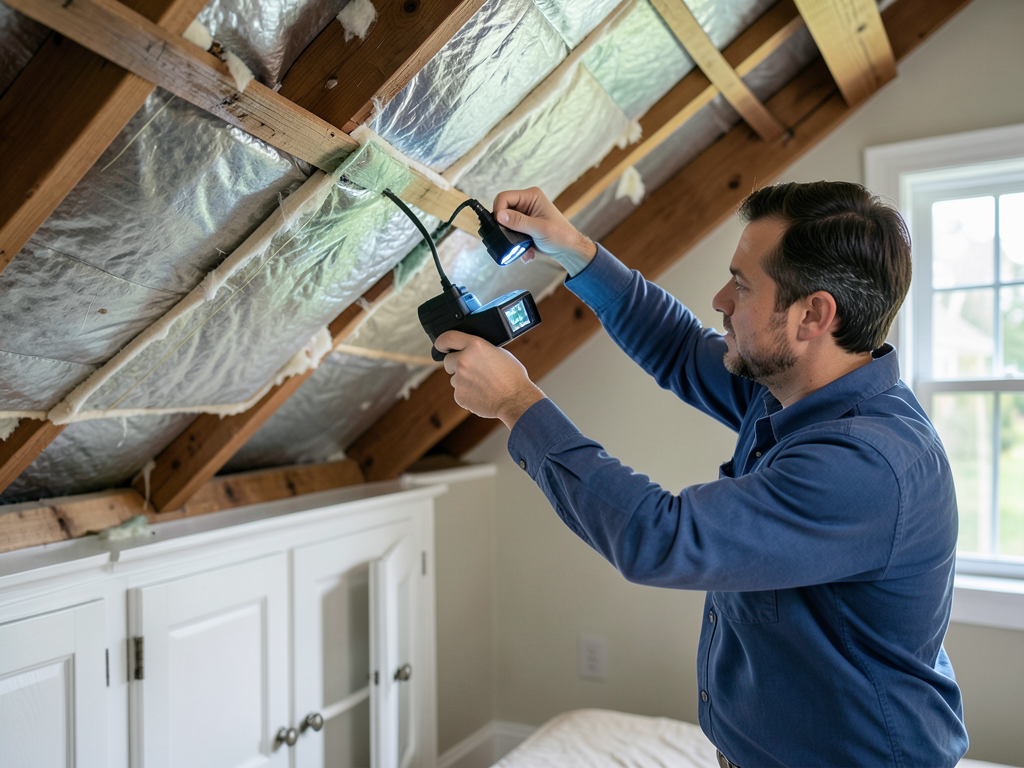
Why Your Saugus Home Needs Better Attic Insulation Before You Replace the Furnace Many Saugus homeowners rush to replace their furnace when energy bills spike, but the real culprit might be hiding above your head.…
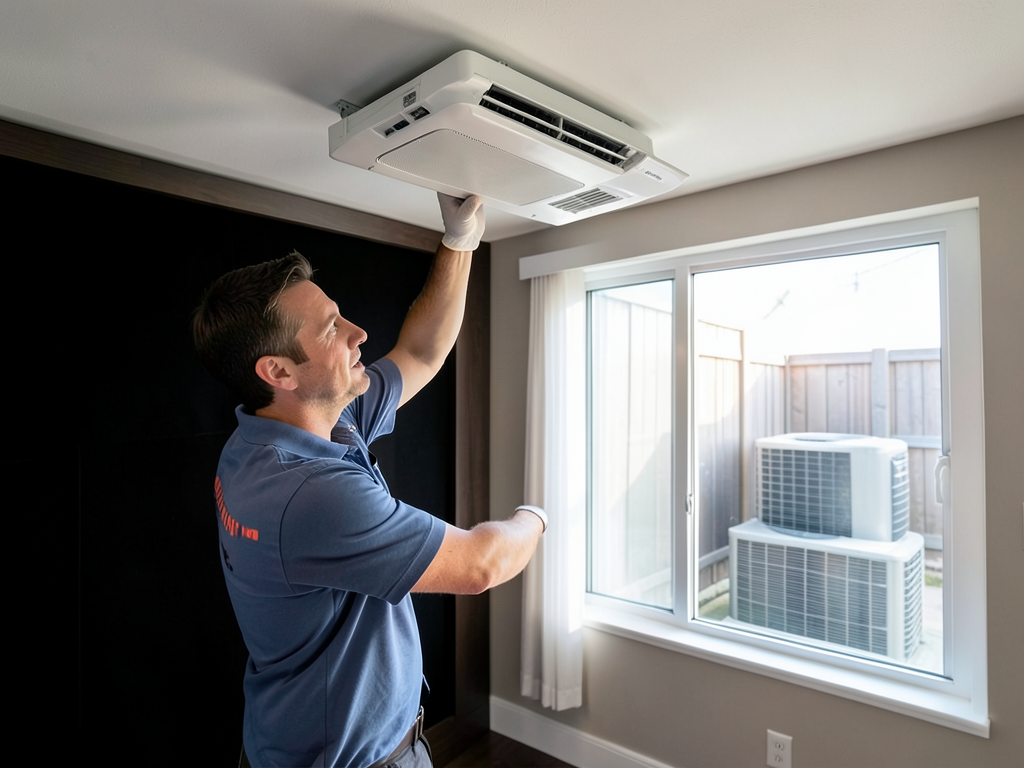
Finding a Silent HVAC Solution for Your Home Theater or Media Room in Wellesley If…
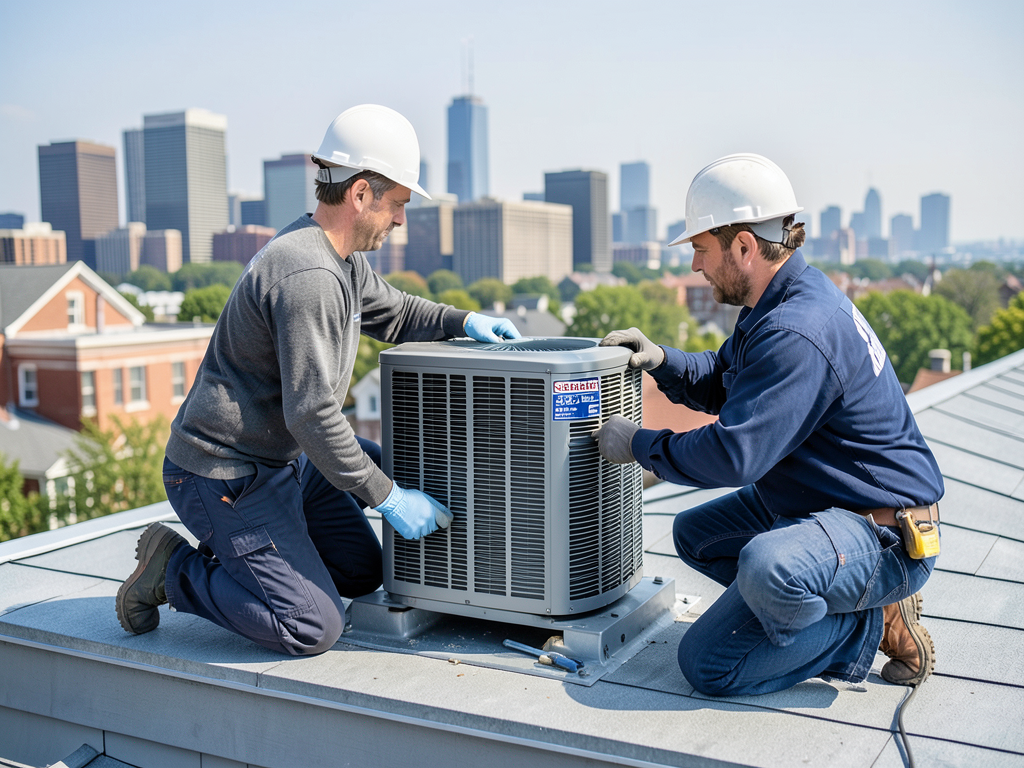
What the New SEER2 Efficiency Standards Mean for Your Next Boston AC Upgrade The Department…

Large multi-story homes in Newton often suffer from uneven temperatures where some rooms feel like…
Your comfort can't wait. Call Titan HVAC Boston now at (617) 758-1599 for emergency repairs, system installations, or maintenance service throughout Quincy. We dispatch technicians fast and get your heating or cooling working again quickly.