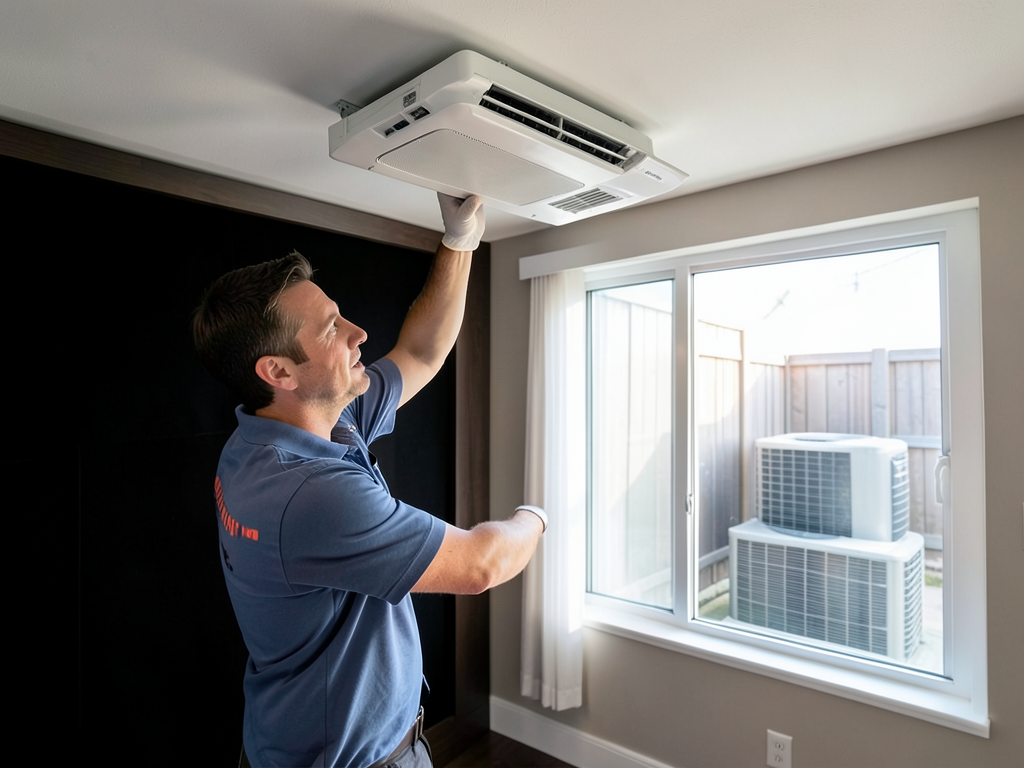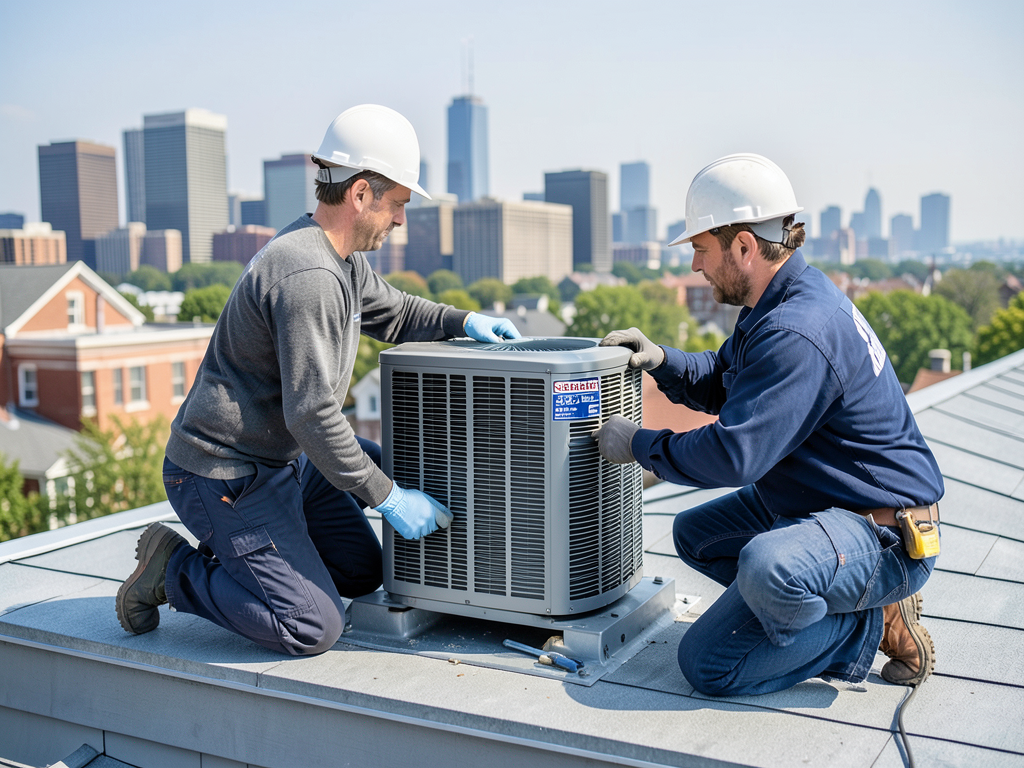





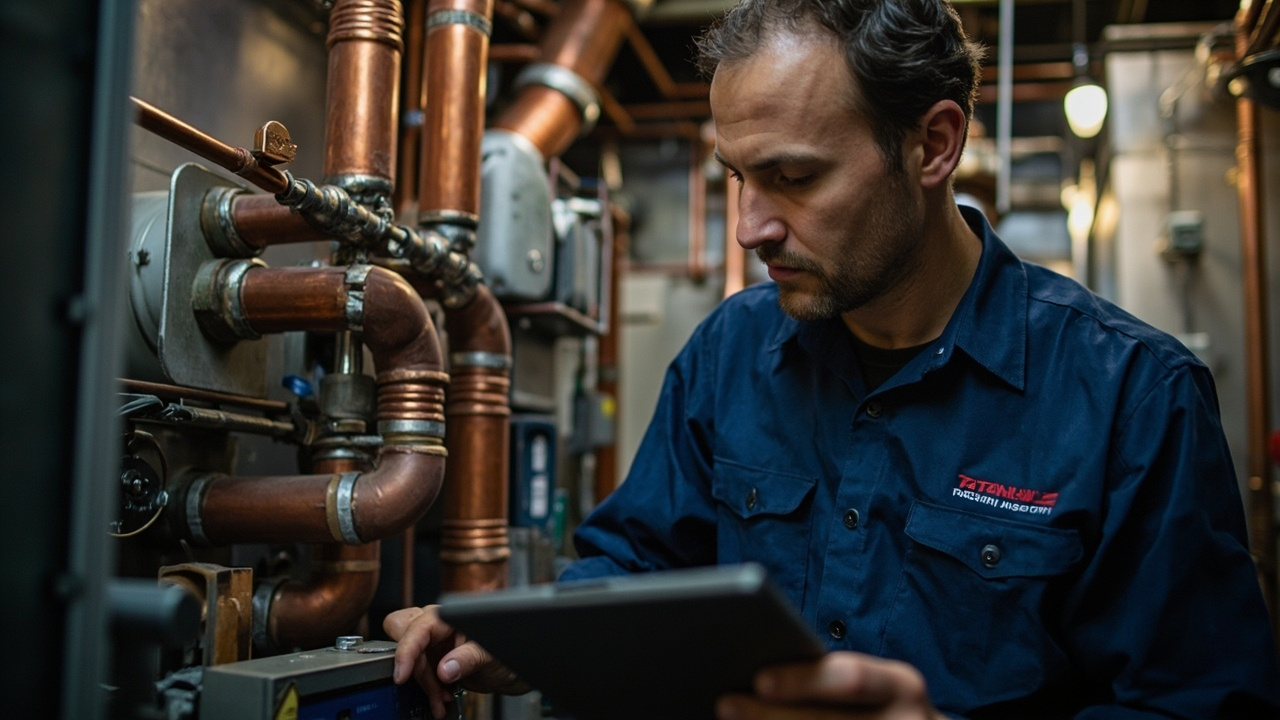


Boston's commercial building inventory includes structures dating to the 1800s with retrofitted heating systems and modern construction built to current energy codes. This creates unique challenges for commercial heating contractors. A textile mill in Lawrence converted to office space may have steam heat with cast iron radiators, while a new pharmaceutical facility in Cambridge requires precision temperature control and redundant systems. Boston's winters average 90 heating degree days per month from December through February, meaning your heating system runs constantly for three months. Equipment failures during peak load periods cause immediate business disruption and expose your property to freeze damage that can exceed repair costs by orders of magnitude.
Boston's commercial heating market also operates under specific regulatory oversight. The Massachusetts Department of Public Safety requires licensed technicians for commercial gas work, and the Boston Inspectional Services Department enforces building codes more strictly than surrounding municipalities. Working with local commercial heating companies that maintain relationships with city inspectors and understand Massachusetts-specific code requirements prevents project delays and ensures your heating system passes inspection. Local expertise matters because heating contractors unfamiliar with Boston's permitting processes, union labor requirements in certain districts, and building department expectations create costly delays and compliance issues that impact your business operations.