







Menu

Noisy AC or Heater in Boston – Expert Diagnosis Stops the Racket Fast

When your air conditioner or furnace rattles, clangs, or hums through the night, you need a technician who can pinpoint the exact cause and fix it right the first time, not someone who guesses and leaves you with the same problem.

Slider Image 1
Slider Image 2
Slider Image 3
Slider Image 4
Slider Image 5
Slider Image 7
Slider Image 8
Slider Image 9
Slider Image 10
Slider Image 11

Why Your HVAC System Sounds Like It's Breaking Down

You hear it when you are trying to sleep. A loud heater that clangs every time it cycles on. An air conditioner making noise that sounds like grinding metal or a freight train running through your living room. The racket is not just annoying. It signals that something inside your system is failing.

Boston's freeze-thaw cycles put enormous stress on HVAC components. When outdoor temperatures swing from 15 degrees in January to 90 degrees in July, expansion and contraction loosen mounting brackets, wear down blower bearings, and cause refrigerant lines to vibrate against ductwork. A noisy hvac system in an older South End brownstone or a triple-decker in Dorchester is often the result of decades of seasonal abuse combined with outdated installation practices.

A furnace making noise during startup usually points to a failing inducer motor or a cracked heat exchanger, both of which pose safety risks. A loud air conditioner that hums or buzzes constantly often means the compressor is drawing too much current because of a refrigerant leak or electrical fault. Ignoring these sounds does not make them go away. It accelerates the damage and turns a simple repair into a full system replacement.

The longer you wait, the worse it gets. Bearings seize. Motors burn out. Ductwork separates. What starts as an irritating rattle becomes a breakdown on the coldest night of the year.

Why Your HVAC System Sounds Like It's Breaking Down
How We Diagnose and Fix Noisy HVAC Systems

How We Diagnose and Fix Noisy HVAC Systems

Most techs walk in, listen for five seconds, and tell you the blower motor is bad. We do not guess. We use a digital sound level meter and vibration analysis tools to isolate the exact source of the noise. A loud air conditioner might have a failing compressor, but it might also have loose mounting bolts, a refrigerant charge issue, or a clogged condenser coil causing the fan to work harder than it should.

We start by shutting down the system and inspecting every moving part. Blower wheels get checked for debris or imbalance. We measure amperage draw on the blower motor and compressor to see if they are pulling too much current. We inspect the heat exchanger with a camera scope because a cracked exchanger does not just make noise, it leaks carbon monoxide. We check all mounting hardware, ductwork connections, and refrigerant line fasteners because vibration is often the result of poor installation, not component failure.

Once we identify the problem, we explain what failed, why it failed, and what happens if you ignore it. If the inducer motor on your furnace is grinding, we show you the bearing wear. If your air conditioner making noise is caused by a failing compressor, we test the refrigerant charge and electrical draw to confirm the diagnosis before recommending a repair or replacement.

We do not sell you a new system when a bearing replacement will solve the problem. We also do not patch a failing compressor when you need a new condenser. You get the truth, not a sales pitch.

How We Restore Quiet Operation

Noisy AC or Heater in Boston – Expert Diagnosis Stops the Racket Fast
01

Diagnostic Sound Analysis

We arrive with calibrated sound meters and vibration sensors to isolate the noise source. A loud heater might sound like the furnace, but the noise could originate from ductwork expansion, a failing blower bearing, or a loose burner assembly. We trace the sound to the exact component, not the general area, so we fix the right problem.
02

Component Inspection and Testing

We disassemble and inspect the problem component. If the blower motor is the source of a noisy hvac system, we measure bearing play, test capacitor voltage, and check the blower wheel for debris buildup. If the compressor is making noise, we test refrigerant pressures, amperage draw, and winding resistance to determine if the unit is salvageable or condemned.
03

Targeted Repair and Verification

We replace the failed part and test the system under load to confirm the noise is gone. After startup, we measure sound levels again, verify airflow, and check all electrical parameters. You get documentation of what was wrong, what we replaced, and the post-repair performance data. The system runs quietly, or we are not finished.

Why Boston Homeowners Trust Us with Noisy HVAC Problems

Boston has thousands of HVAC contractors. Most of them show up, listen to your furnace making noise for 30 seconds, and tell you it needs to be replaced. That approach works great for their profit margin. It does not work for you.

We have spent years diagnosing noisy systems in every neighborhood from Beacon Hill to Hyde Park. We know the difference between a blower bearing that needs lubrication and one that needs replacement. We know how to identify a cracked heat exchanger by sound before it becomes a safety hazard. We understand that a loud air conditioner in a Back Bay condo might be caused by poor ductwork design from a 1980s renovation, not a failing compressor.

Boston's housing stock presents unique challenges. Triple-deckers with shared ductwork amplify every vibration. Historic brownstones have forced-air systems retrofitted into gravity heating chases, which creates turbulence noise. We have seen every configuration, and we know how to quiet them without ripping out walls or replacing entire systems.

We also understand local code requirements. If your noisy hvac system is the result of undersized ductwork or poor return air design, we can redesign the airflow path to meet current efficiency standards and eliminate the noise at the same time. You get a solution that works long-term, not a temporary patch that fails again next season.

When you call us, you get a technician who shows up with diagnostic tools, not a sales script. You get someone who can explain the problem in plain language and give you options, not someone who pressures you into a new system you do not need.

What Happens When You Schedule a Noise Diagnostic

Same-Day or Next-Day Service

We know a loud heater or air conditioner making noise at 2 a.m. is not something you want to live with for a week. We offer same-day service for most Boston neighborhoods, and we arrive in a fully stocked van so we can often complete the repair on the first visit. If we need to order a part, we explain the timeline upfront and give you options to keep the system running safely until we return.

Comprehensive Noise Diagnostic

We do not guess. We use sound meters, vibration analysis, and thermal imaging to isolate the exact source of the noise. We test every electrical component under load, inspect all moving parts for wear, and check refrigerant pressures and airflow volumes. You get a written diagnostic report that explains what is failing, why it is failing, and what happens if you delay the repair.

Quiet, Reliable Operation

After we complete the repair, we test the system under normal operating conditions and measure sound levels to confirm the noise is eliminated. You do not get vague reassurances. You get a system that runs quietly and documentation that proves it. If the noise returns within the warranty period, we come back and make it right at no additional charge.

Preventive Maintenance Plans

Most noisy hvac systems are the result of deferred maintenance. Bearings dry out. Blower wheels accumulate dust. Mounting bolts loosen over time. We offer maintenance plans that include annual lubrication, vibration checks, and fastener inspections to catch problems before they turn into 3 a.m. emergencies. You get priority scheduling, discounted service rates, and the peace of mind that comes from knowing your system is monitored.

Frequently Asked Questions

You Have Questions,
We Have Answers

Why is my AC so loud all of a sudden? +

A sudden loud noise usually signals a failing component. Loose fan blades rattle against the housing. A worn compressor makes grinding or clanking sounds. Refrigerant leaks cause hissing. In Boston's humid climate, debris like leaves or ice buildup can jam the fan. Motor bearings wear out and screech. Ductwork expands and pops when temperature swings hit during spring and fall transitions. Do not ignore new sounds. They escalate quickly. Turn off the unit to prevent further damage. Get a technician to inspect the compressor, fan motor, and blower assembly before a minor issue becomes a complete system failure.

What is the 3 minute rule for AC? +

The 3 minute rule protects your compressor from short cycling damage. After your AC shuts off, wait 3 minutes before restarting. This delay lets refrigerant pressure equalize between the high and low sides of the system. If you restart too soon, the compressor works against unbalanced pressure and strains the motor. Boston's frequent temperature shifts during shoulder seasons tempt homeowners to constantly adjust thermostats. Patience pays off. Most modern thermostats have built-in delay timers. If your system short cycles without the delay, you likely have a failing compressor, bad capacitor, or thermostat issue.

What is the $5000 AC rule? +

The $5000 rule is a repair versus replace guideline. Multiply the repair cost by your system's age in years. If the result exceeds $5000, replace the unit instead of fixing it. For example, a $600 repair on a 10 year old system equals $6000, so replace it. Boston homes face harsh winters and humid summers that wear systems faster than milder climates. A 12 year old AC with a $400 compressor repair equals $4800, so fix it. This formula weighs cost against remaining lifespan. It prevents throwing money at dying equipment when replacement delivers better value.

What does an AC compressor sound like when it's going out? +

A failing compressor makes distinct sounds. Early failure sounds like rattling or chattering when the unit starts. As it worsens, you hear grinding metal on metal or loud clanking. The compressor may hum loudly but fail to start, indicating seized internal components. Some units emit a banging sound when the compressor attempts to engage. In Boston's coastal humidity, internal corrosion accelerates wear. A compressor near failure often trips the breaker repeatedly. You might hear a high-pitched squealing from worn bearings. These sounds mean immediate shutdown. Continuing operation risks catastrophic failure and refrigerant loss that damages other components.

What does a blown blower motor sound like? +

A blown blower motor produces a loud humming or buzzing without airflow from vents. You might hear a high-pitched squealing or screeching from seized bearings before total failure. Some motors click repeatedly as they try to start but cannot spin. A burning smell often accompanies the noise, signaling overheated windings. Boston's temperature extremes force blower motors to work overtime during peak seasons. A motor on its last legs may start then stop abruptly with a whining sound. Complete silence when the thermostat calls for air also indicates motor failure. Check the breaker first, but persistent noise with no airflow means motor replacement.

How much does it cost to replace a capacitor in an AC unit? +

Capacitor replacement typically costs between $150 and $400 for parts and labor in the Boston area. The part itself runs $10 to $50, but you pay for diagnostic time and expertise. Dual capacitors cost more than single run capacitors. Emergency service or weekend calls increase the price. Most techs complete the job in under an hour. Boston's humidity and temperature swings cause capacitors to fail more frequently than in stable climates. Do not attempt DIY replacement. Capacitors store lethal voltage even when the unit is off. A failed capacitor prevents your compressor or fan motor from starting, so quick replacement prevents comfort loss during peak seasons.

How cool should my house be if it's 100 outside? +

When outdoor temps hit 100 degrees, expect your AC to cool your home to around 75 to 80 degrees. Most residential systems have a 15 to 20 degree cooling capacity from outdoor to indoor temps. Boston rarely sees sustained 100 degree heat, but humid summer days strain systems similarly. If your home cannot reach 80 degrees during extreme heat, check airflow, dirty filters, or refrigerant levels. Older homes with poor insulation struggle more. Close blinds, seal air leaks, and avoid heat-generating appliances during peak afternoon hours. Set realistic expectations. Your AC works hardest when the temperature differential maxes out.

How to tell if an AC capacitor is bad? +

A bad capacitor shows clear symptoms. Your AC hums but will not start, indicating the compressor lacks the jolt to engage. The unit clicks on and off rapidly or takes multiple attempts to start. You might notice reduced cooling performance or the fan spinning slower than normal. Use a multimeter to check capacitance if you have experience, but visual inspection works too. Look for a bulging or leaking capacitor body, which signals internal failure. Boston's humid summers degrade capacitors faster. Burnt marks or a strong electrical smell confirm failure. Capacitors weaken gradually, so catch early symptoms before your compressor overheats from strain.

How do the amish keep cool in the summer? +

The Amish cool homes without AC using passive techniques. They build homes with strategic cross-ventilation, placing windows to capture prevailing breezes. Deep porches and shade trees block direct sun. Whole house fans exhaust hot air through attic vents at night. They avoid heat-generating appliances during the day and cook outdoors. Basements provide natural cooling. Light-colored exteriors reflect heat. Boston homeowners can borrow these tactics. Open windows at night for cool air, close them and draw shades during the day. Use fans to circulate air. Plant deciduous trees on south and west sides for summer shade, winter sun.

Can I write off my new AC unit on my taxes? +

You can potentially write off a new AC unit if it qualifies under energy efficiency tax credits or business use. The federal Residential Clean Energy Credit covers high-efficiency HVAC systems meeting ENERGY STAR standards. You may claim a percentage of installation costs, depending on the current tax year rules. If you use part of your Boston home as a business, you might deduct a proportional amount as a business expense. Consult a tax professional for specifics. Medical necessity deductions exist in rare cases with doctor documentation. Standard residential replacements usually do not qualify as deductible home repairs, only as capital improvements affecting your cost basis.

How Boston's Climate Accelerates HVAC Noise Problems

Boston's temperature swings are brutal on mechanical systems. A furnace that heats a Charlestown rowhouse through a January cold snap expands and contracts with every heating cycle. Metal ductwork flexes. Mounting brackets loosen. Blower motors work harder to push air through cold return ducts. By the time summer arrives and you switch to cooling, those same components have been through months of thermal stress. A loud air conditioner in July is often the result of damage that started in February.

We have been diagnosing noisy systems across Boston for years, and we understand the patterns. A furnace making noise in Jamaica Plain usually has different root causes than one in a new construction condo in Seaport. Older neighborhoods have ductwork that was never designed for modern high-efficiency equipment. Newer buildings have undersized ducts and return air paths that create velocity noise. We know the difference, and we know how to fix it without unnecessary replacements.
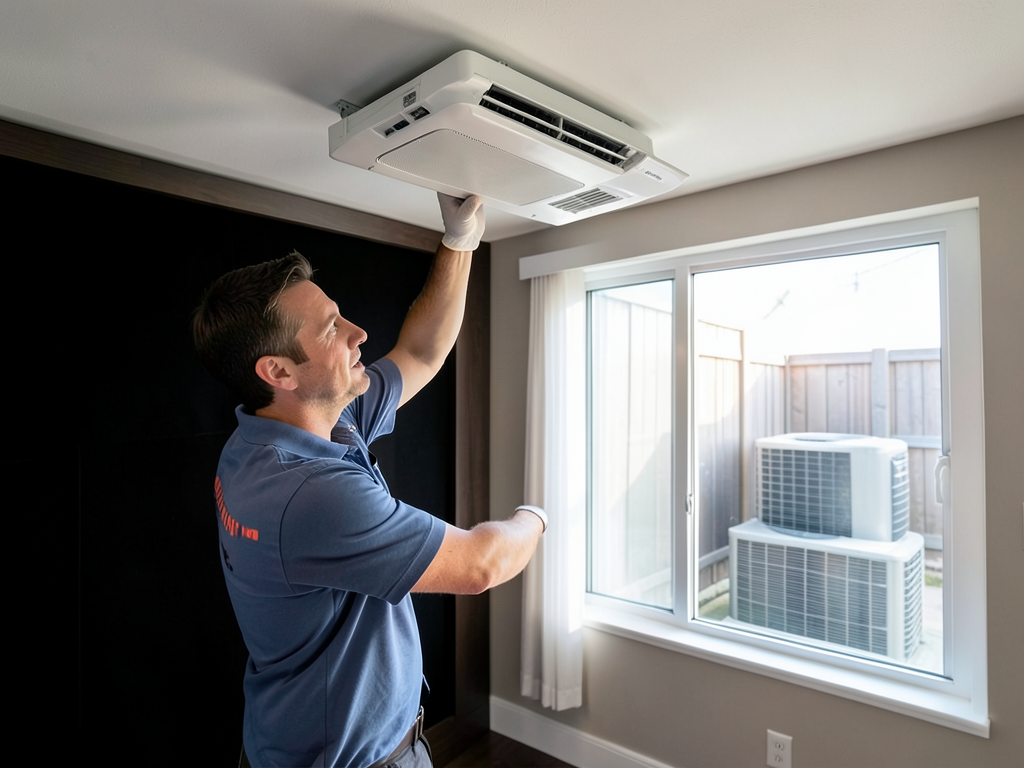
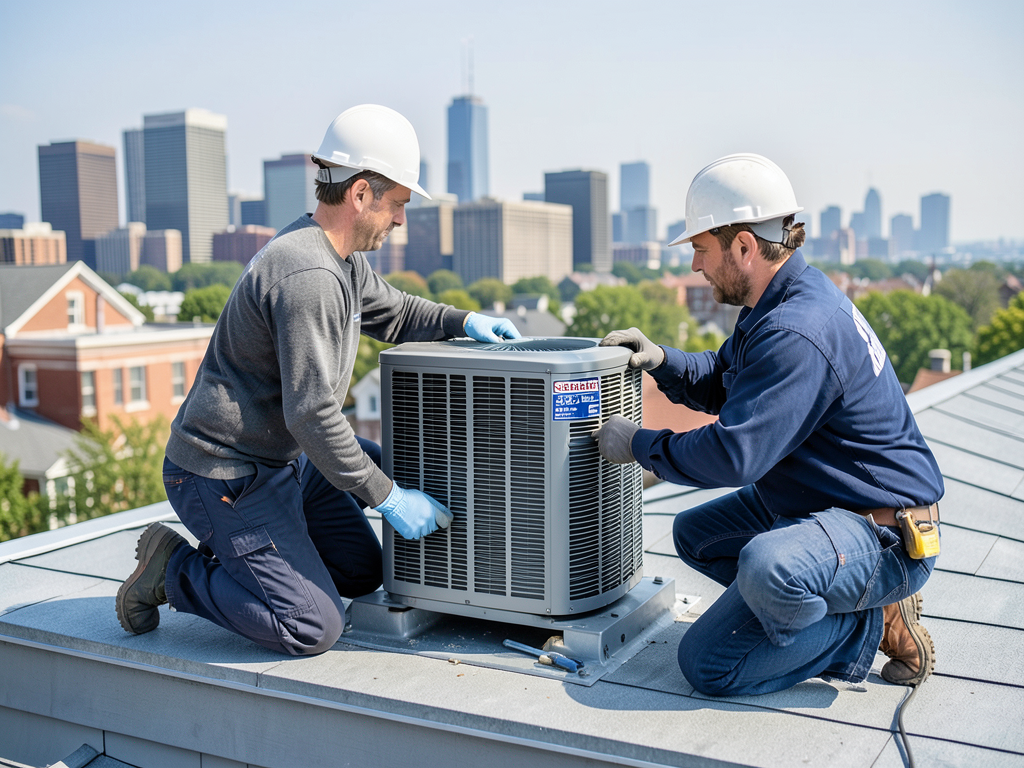
HVAC Services in The Boston Area

We are proud to serve our valued clients across the entire region. Whether you're in the city center or a surrounding community, our dedicated team is ready to provide top-notch HVAC services right to your doorstep. You can locate our main office here, and we encourage you to reach out to schedule a service, explore our offerings, or discuss your heating and cooling needs with our expert team. We look forward to serving you!

Address:
Titan HVAC Boston, 94 Shirley St, Boston, MA, 02119

Additional Services We Offer

Our news updates

Latest Articles & News from The Blogs

Finding a Silent HVAC Solution for Your Home Theater or Media Room in Wellesley If you've ever had to pause…

Finding a Silent HVAC Solution for Your Home Theater or Media Room in Wellesley

Finding a Silent HVAC Solution for Your Home Theater or Media Room in Wellesley If you've ever had to pause…

What the New SEER2 Efficiency Standards Mean for Your Next Boston AC Upgrade

What the New SEER2 Efficiency Standards Mean for Your Next Boston AC Upgrade The Department of Energy rolled out new…

How Smart Vents Can Fix Hot and Cold Spots in Large Multi-Story Newton Homes

Large multi-story homes in Newton often suffer from uneven temperatures where some rooms feel like a sauna while others stay…

Contact Us

Call Titan HVAC Boston at (617) 758-1599 right now for a same-day diagnostic. We will identify the exact source of the noise, explain the repair options, and get your system running quietly again. No guessing. No upselling. Just honest answers and professional work.