




Menu

Furnace Repair & Heating Service in Boston | Same-Day Diagnostics for Homes and Businesses

When your heating system fails, you need fast answers. Titan HVAC Boston delivers expert furnace repair and heating service with thorough diagnostics, transparent pricing, and solutions built for Boston's demanding winters.

Slider Image 1
Slider Image 2
Slider Image 3
Slider Image 4
Slider Image 5
Slider Image 7
Slider Image 8
Slider Image 9
Slider Image 10
Slider Image 11

Why Boston Heating Systems Fail When You Need Them Most

Boston winters are brutal. When temperatures drop below freezing for weeks at a time, your heating system operates under constant strain. The combination of aging infrastructure in neighborhoods like Back Bay and South End, freeze-thaw cycles that stress ductwork, and heavy snow loads on exterior vents creates perfect conditions for furnace failure.

Most heating emergencies happen on the coldest nights because your furnace has been running nonstop for days. Ignition systems wear out. Heat exchangers crack under thermal stress. Blower motors burn out from constant use. When your furnace quits at 2 AM and your pipes are at risk of freezing, you need heating system repair from someone who understands how Boston's climate punishes equipment.

Older homes in Cambridge and Brookline often have converted coal systems or outdated steam radiators that were retrofitted decades ago. These central heating maintenance challenges require specialized knowledge. You cannot treat a 1920s-era system the same way you would a modern high-efficiency furnace.

The problem is not just cold air. It's the cascading damage that follows. Frozen pipes cost thousands to repair. Burst radiators flood finished basements. Ice dams form when attic heat loss is uneven. Every hour without heat increases your risk.

You need residential furnace repair that accounts for Boston's specific challenges. You need technicians who have worked on triple-deckers in Dorchester and brownstones in Beacon Hill. You need home heating service that treats your system like the critical infrastructure it is.

Why Boston Heating Systems Fail When You Need Them Most
How We Diagnose and Repair Heating Systems the Right Way

How We Diagnose and Repair Heating Systems the Right Way

We do not guess. We do not sell you parts you do not need. We use a systematic diagnostic approach that identifies the root cause, not just the symptom.

Our technicians start with a complete system analysis. We test voltage at the thermostat, check gas pressure at the manifold, measure airflow across the heat exchanger, and inspect the flame sensor for carbon buildup. We use combustion analyzers to measure flue gas composition because improper combustion means wasted fuel and potential carbon monoxide risk.

For forced-air systems, we check static pressure in the ductwork. High static pressure from clogged filters or undersized returns forces your blower motor to work harder, shortening its lifespan. We inspect the condensate drain because a clogged drain line will trigger the safety float switch and shut down your furnace.

We examine the heat exchanger for cracks using a mirror and flashlight because cracked heat exchangers allow combustion gases to mix with your indoor air. This is a safety issue, not a comfort issue. If we find a crack, we explain why the furnace needs replacement, not repair.

For boiler systems common in older Boston homes, we test the circulator pump, inspect zone valves, and check expansion tank pre-charge pressure. We look for signs of water hammer in the piping because that indicates air in the system or a waterlogged expansion tank.

After diagnosis, we give you options. We explain what needs immediate repair, what can wait, and what factors affect cost. You decide based on complete information, not fear.

What Happens When You Call for Heating Repair

Furnace Repair & Heating Service in Boston | Same-Day Diagnostics for Homes and Businesses
01

Emergency Dispatch and Arrival

You call our direct line, not an answering service. We gather basic information about your heating system and symptoms, then dispatch a technician with the right tools and common parts already on the truck. For Boston metro customers, we arrive within hours during emergencies. Our technicians call 15 minutes before arrival so you are not waiting by the door.
02

Complete System Diagnosis

We inspect the entire heating system, not just the obvious problem. Our technicians test electrical components with multimeters, check gas pressure with manometers, and measure temperature rise across the heat exchanger. We document findings with photos when needed and explain what we found in plain language. You see the problem before we touch anything.
03

Repair and Performance Verification

Once you approve the repair, we complete the work and test the entire system under operating conditions. We verify proper ignition, check for gas leaks with electronic detectors, measure supply air temperature, and confirm all safety controls function correctly. We show you the furnace running properly before we leave. You get a detailed invoice showing exactly what was replaced and why.

Why Boston Homeowners Trust Titan HVAC for Heating Repairs

Boston's heating systems are different. You cannot apply cookie-cutter solutions to buildings that were constructed before modern HVAC standards existed. We have repaired furnaces in Federal-style rowhouses where ductwork was installed in the 1950s. We have serviced steam boilers in triple-deckers where the original coal burners were converted to gas in the 1970s.

We understand Massachusetts fuel gas code requirements and Boston's strict permitting process for combustion equipment. When we replace a heat exchanger or upgrade a burner assembly, we pull the correct permits and schedule inspections. You get work that passes code, not shortcuts that create liability.

Our technicians know the quirks of equipment common to this area. We have worked on every brand of boiler used in Back Bay condos. We know which furnace models were installed in large quantities during the building boom of the 1980s and what typically fails first. This experience means faster diagnosis and fewer return trips.

We also understand how Boston's older homes distribute heat. Radiator systems require different troubleshooting than forced air. Hydronic baseboard heating behaves differently than steam radiators. When you have uneven heating between floors or rooms that never get warm, we know whether the problem is air in the lines, a failed zone valve, or inadequate insulation in balloon-framed walls.

You will not get a sales pitch for a new furnace unless your current system is genuinely unsafe or unrepairable. We repair what can be fixed and replace only when necessary. That honesty has built our reputation across Cambridge, Somerville, and the greater Boston metro area.

What to Expect When You Schedule Heating Service

Response Time and Availability

We schedule service calls based on urgency. If you have no heat and temperatures are below freezing, we treat it as an emergency and prioritize your call. For non-emergency heater repair services like routine maintenance or minor issues, we typically schedule within 24 to 48 hours. Our technicians work evenings and weekends during peak heating season because furnace failures do not wait for business hours. When you call, you speak directly with our dispatch team who can give you an accurate arrival window, not a vague four-hour block.

Transparent Diagnostic Process

You will know what is wrong before we start repairs. Our technicians explain findings in clear terms and show you the failed component when possible. If your ignitor is cracked, we show you the crack. If your blower capacitor is swollen, we show you what a healthy capacitor looks like for comparison. We provide a written estimate that breaks down parts and labor separately. You approve the work before we proceed. There are no surprise charges when we hand you the final invoice.

Quality of Completed Repairs

We use OEM parts or equivalent-quality replacements, not bargain components that fail in six months. When we replace a gas valve or pressure switch, you get the manufacturer-specified part for your furnace model. We test every repair under full operating load and verify proper combustion with digital analyzers. Before we leave, your heating system will be running at the correct temperature rise, with proper flame characteristics, and all safety controls functioning as designed. You get heat that works reliably, not a temporary patch.

Maintenance Recommendations and Follow-Up

After repairs, we provide a written summary of what we found and what we fixed. We note any other issues we observed that are not urgent but should be monitored. If your heat exchanger is nearing the end of its service life but not yet cracked, we document it so you can plan ahead. We offer scheduled maintenance plans that include annual inspections, filter changes, and cleaning to prevent future breakdowns. Our maintenance customers get priority scheduling and discounted rates on repairs because we would rather prevent failures than respond to emergencies.

Frequently Asked Questions

You Have Questions,
We Have Answers

What is the average cost to service a furnace? +

Furnace service in Boston typically ranges from $150 to $300 for a standard tune-up and inspection. This includes cleaning burners, checking the heat exchanger, testing safety controls, and replacing the air filter. Costs increase if repairs are needed. Boston's harsh winters stress heating systems more than milder climates, making annual service critical. Older furnaces or those neglected for years may require additional work. Emergency service outside business hours costs more. Gas furnaces and oil furnaces have slightly different service needs. Always get a written estimate before authorizing repairs beyond the basic inspection fee.

What is the $5000 rule for HVAC? +

The $5000 rule is a repair-versus-replace guideline. Multiply the repair cost by your furnace's age in years. If the result exceeds $5000, replacement makes more financial sense than repairing. For example, a $400 repair on a 10-year-old furnace equals $4000, suggesting repair is reasonable. A $700 repair on a 15-year-old unit equals $10,500, indicating replacement is smarter. This rule helps Boston homeowners facing expensive repairs on aging equipment. It accounts for the reality that older furnaces need more frequent fixes and run less efficiently, particularly after enduring multiple New England heating seasons.

What is the most common furnace failure? +

Dirty or clogged air filters cause most furnace failures in Boston homes. When filters get blocked with dust and debris, airflow drops and the system overheats, triggering safety shutoffs. The limit switch then cycles the furnace on and off repeatedly. Ignitor failure is the second most common issue, particularly in older furnaces. Cracked heat exchangers occur in aging systems stressed by years of freeze-thaw cycles. Thermostat malfunctions and flame sensor problems also rank high. Boston's cold climate means furnaces run longer and harder than in moderate regions, accelerating wear on these components.

What is the most expensive part to fix on a furnace? +

The heat exchanger is the most expensive furnace component to replace, often costing $1200 to $2500 in parts and labor. When heat exchangers crack, they leak carbon monoxide and require immediate replacement. Because this repair approaches the cost of a new mid-range furnace, most Boston homeowners opt for full system replacement instead. The blower motor is the second most expensive part, running $500 to $1500 installed. Gas valves and control boards also carry high price tags. Heat exchanger cracks often signal the furnace has reached end-of-life after 15 to 20 Boston winters.

How much does it cost for someone to check your furnace? +

A furnace inspection in Boston costs $80 to $150 for a diagnostic visit. This includes a technician examining your system, identifying problems, and providing a repair estimate. Some companies waive the diagnostic fee if you proceed with recommended repairs. Annual maintenance agreements that include routine tune-ups typically range from $150 to $250. Emergency diagnostic calls after hours or on weekends cost more. Getting your furnace checked before Boston's heating season starts in October helps you avoid breakdowns during January cold snaps when demand for service peaks and wait times stretch longer.

How frequently should a furnace be serviced? +

Service your furnace annually, ideally in September or early October before Boston's heating season begins. Annual maintenance catches small problems before they become expensive failures during winter. Technicians clean burners, inspect the heat exchanger for cracks, test safety controls, check gas pressure, and ensure proper venting. If you use an oil furnace, service before each heating season is critical because oil systems require more frequent attention. Homes with pets or high dust levels may need filter changes every 30 days. Boston's long heating season from October through April puts more stress on furnaces than moderate climates.

Is HVAC system cost tax deductible? +

HVAC system costs are generally not tax deductible for most Boston homeowners. However, energy-efficient upgrades may qualify for federal tax credits under the Energy Efficient Home Improvement Credit. High-efficiency furnaces meeting specific criteria can qualify for credits up to $600. Heat pumps may qualify for larger credits. Home office deductions allow a percentage of heating costs if you legitimately work from home. Consult a tax professional for current rules, as credits change yearly. Installation costs for standard replacements without efficiency upgrades typically do not qualify. Keep all receipts and manufacturer certification statements for equipment specifications.

What are signs my HVAC needs replacing? +

Replace your furnace if it exceeds 15 to 18 years old and needs expensive repairs. Rising energy bills signal declining efficiency. Uneven heating between rooms indicates the system struggles to distribute warmth. Yellow or flickering pilot lights suggest incomplete combustion and potential carbon monoxide issues. Frequent repairs within a two-year span mean components are failing. Loud banging, rattling, or squealing noises point to mechanical breakdown. Visible rust or cracks on the heat exchanger require immediate replacement. Boston's cold winters demand reliable heating, so do not gamble on a failing furnace when temperatures drop below freezing for weeks.

Do HVAC companies give free quotes? +

Most reputable HVAC companies in Boston provide free estimates for furnace replacement or major repairs. Basic diagnostic visits to identify problems typically carry a service call fee of $80 to $150, though many waive this if you authorize repairs. Free quotes usually cover system replacement, new installations, and substantial upgrades. Emergency service calls always include trip charges. Be cautious of companies offering free furnace inspections as sales tactics to push unnecessary replacements. Get multiple written estimates for major work. Detailed quotes should include equipment model numbers, labor costs, warranty terms, and timeline for Boston permit approvals if required.

Which brand of furnace is most reliable? +

Carrier, Lennox, and Trane consistently rank as the most reliable furnace brands based on longevity and repair frequency data. These manufacturers offer models proven to withstand Boston's demanding climate. Rheem and American Standard also deliver solid performance. Brand matters less than proper installation and annual maintenance. An expertly installed mid-tier furnace outperforms a premium unit installed incorrectly. Match furnace size to your home's heat load, which varies significantly across Boston's diverse housing stock from triple-deckers to single-family homes. Work with contractors experienced in New England installations who understand local building codes and climate challenges.

How Boston's Freeze-Thaw Cycles and Aging Housing Stock Affect Furnace Reliability

Boston experiences frequent freeze-thaw cycles throughout winter. Temperatures swing from below zero to above freezing, sometimes within 24 hours. This constant expansion and contraction stresses ductwork connections, causes condensate lines to freeze and thaw repeatedly, and accelerates metal fatigue in heat exchangers. Homes built before 1950 often have uninsulated ductwork in unconditioned attics or crawl spaces, which means these temperature swings hit your heating system harder. The result is more frequent failures of components like draft inducers, pressure switches, and flame sensors compared to milder climates where systems run steadily.

Boston's housing stock includes thousands of multi-family buildings and historic homes where HVAC systems were retrofitted into structures never designed for them. We work regularly with property managers in Allston, Brighton, and Jamaica Plain who deal with heating complaints caused by undersized ductwork or improperly zoned systems. Local building inspectors know us because we pull permits correctly and communicate clearly during inspections. When you hire Titan HVAC Boston for residential furnace repair or central heating maintenance, you get technicians who understand both the technical requirements and the local regulatory environment.
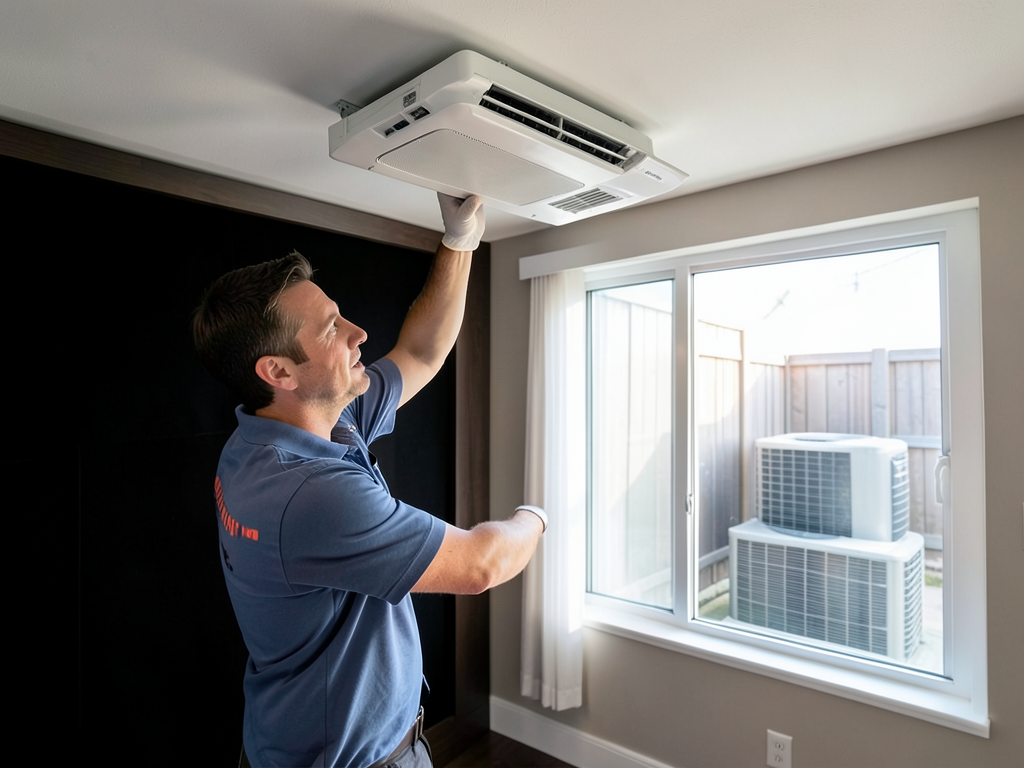
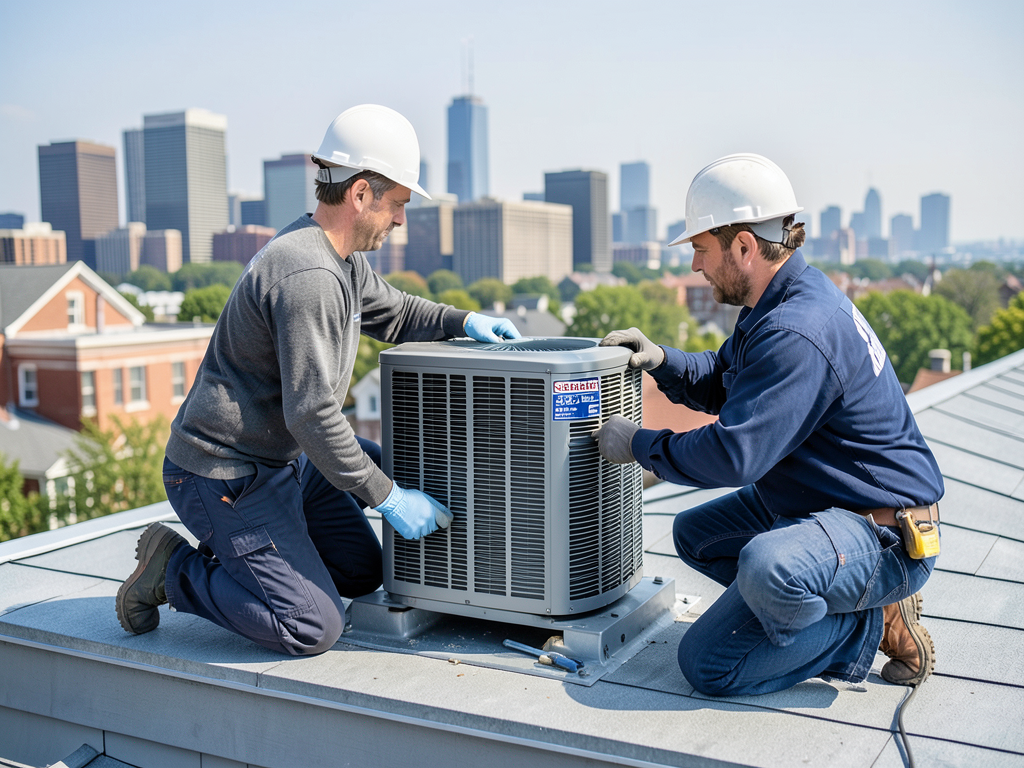
HVAC Services in The Boston Area

We are proud to serve our valued clients across the entire region. Whether you're in the city center or a surrounding community, our dedicated team is ready to provide top-notch HVAC services right to your doorstep. You can locate our main office here, and we encourage you to reach out to schedule a service, explore our offerings, or discuss your heating and cooling needs with our expert team. We look forward to serving you!

Address:
Titan HVAC Boston, 94 Shirley St, Boston, MA, 02119

Additional Services We Offer

Our news updates

Latest Articles & News from The Blogs

Finding a Silent HVAC Solution for Your Home Theater or Media Room in Wellesley If you've ever had to pause…

Finding a Silent HVAC Solution for Your Home Theater or Media Room in Wellesley

Finding a Silent HVAC Solution for Your Home Theater or Media Room in Wellesley If you've ever had to pause…

What the New SEER2 Efficiency Standards Mean for Your Next Boston AC Upgrade

What the New SEER2 Efficiency Standards Mean for Your Next Boston AC Upgrade The Department of Energy rolled out new…

How Smart Vents Can Fix Hot and Cold Spots in Large Multi-Story Newton Homes

Large multi-story homes in Newton often suffer from uneven temperatures where some rooms feel like a sauna while others stay…

Contact Us

Do not wait until your pipes freeze. Call Titan HVAC Boston now at (617) 758-1599 for fast, honest furnace repair and heating service. We diagnose the problem correctly the first time and get your heat back on.