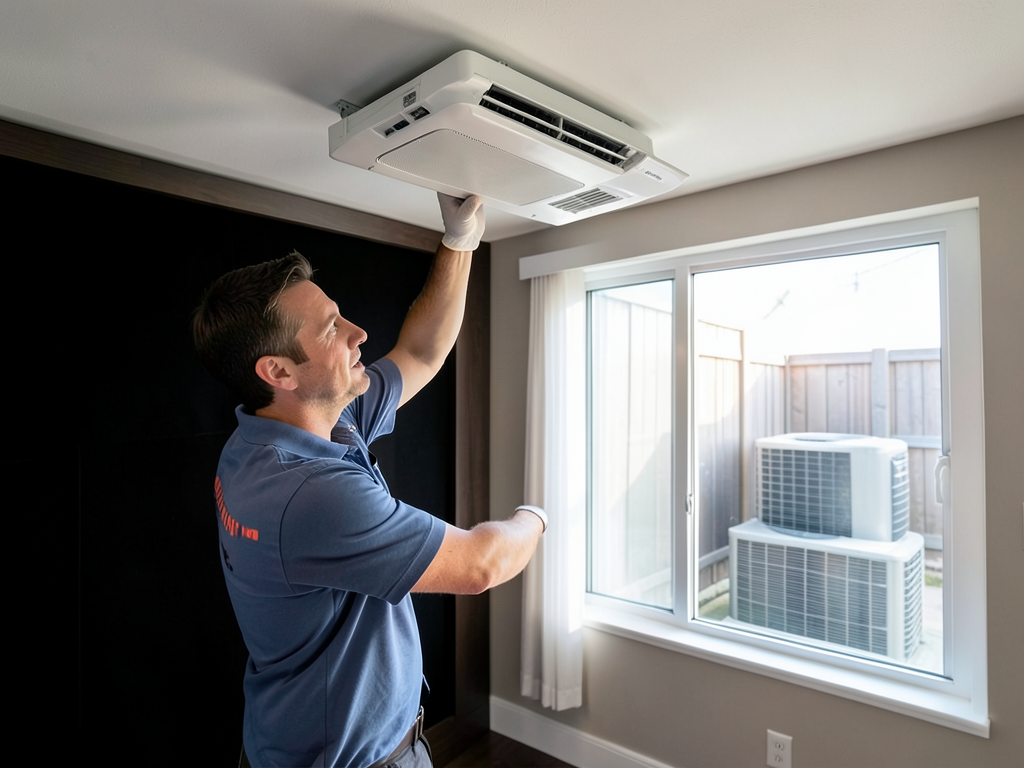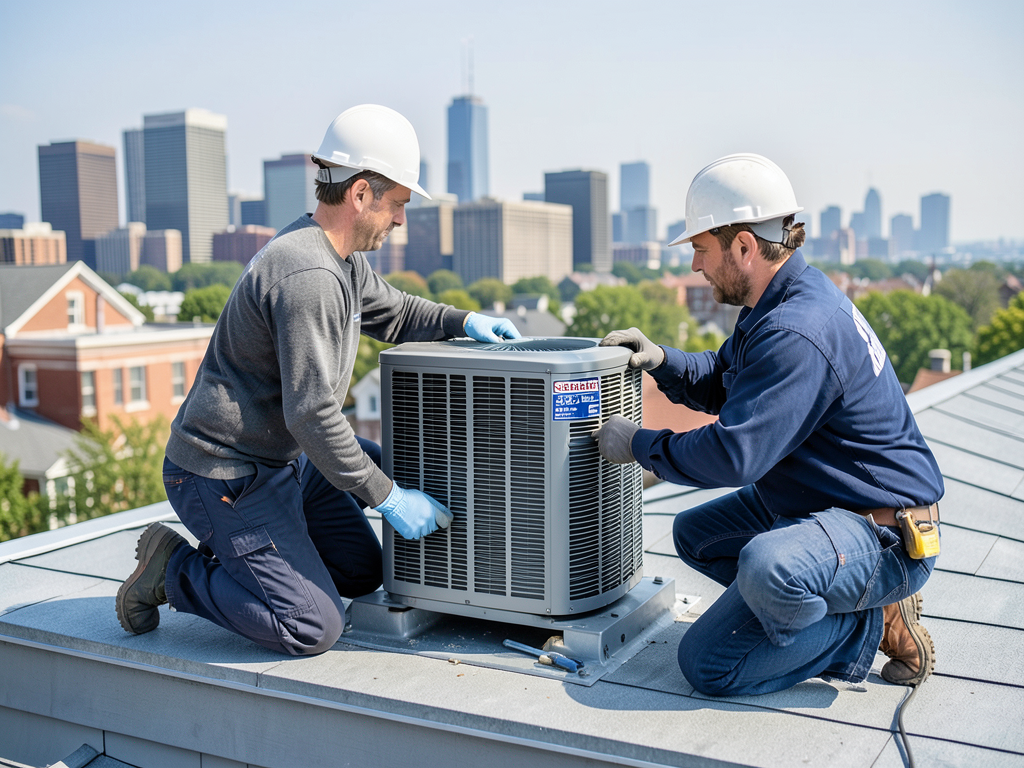







Boston experiences a 120-degree annual temperature range, from subzero January cold snaps to 95-degree July heat waves. Your thermostat switches between heating and cooling modes twice a year, and that mode changeover stresses internal relays and wiring connections. Homes near the harbor in neighborhoods like Charlestown and East Boston also deal with salt air that corrodes thermostat terminals over time. Older thermostats fail faster in Boston than in milder climates because the equipment cycles more frequently and works harder to maintain setpoint temperatures.
We work with HVAC systems in every Boston neighborhood, from modern condos in Seaport to century-old homes in Allston. We understand how local electrical codes and building standards affect thermostat installation. We know which thermostats work best with the cast-iron radiators and steam heat common in older buildings, and which models integrate cleanly with forced-air systems in newer construction. That local knowledge means faster diagnosis and fewer callbacks.