




Menu

Holiday Heating Repair in Boston – Emergency Furnace Service Available 24/7

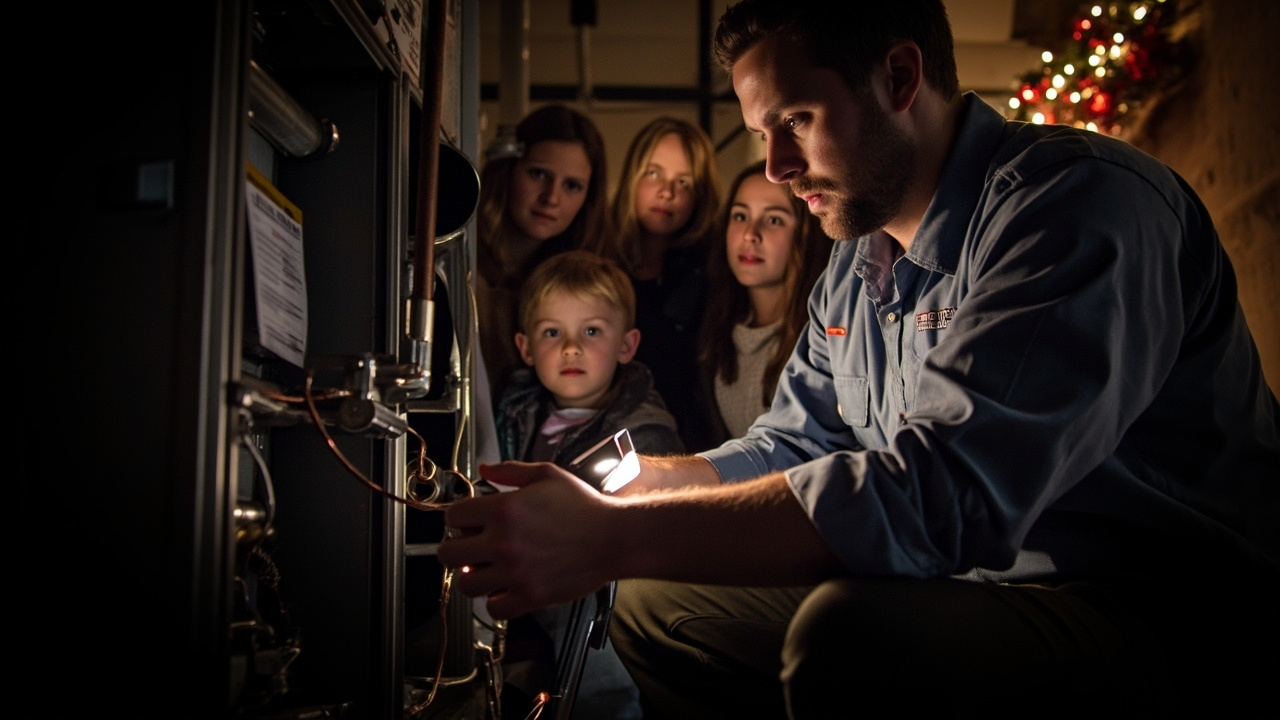
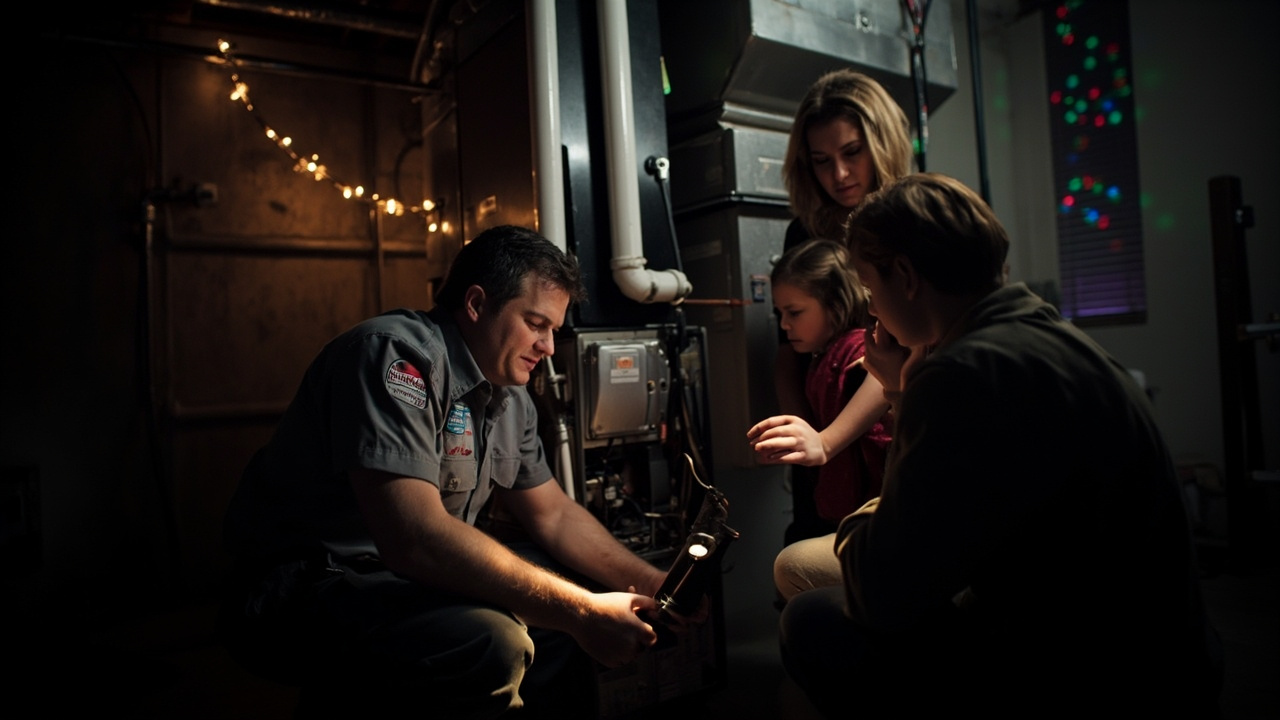
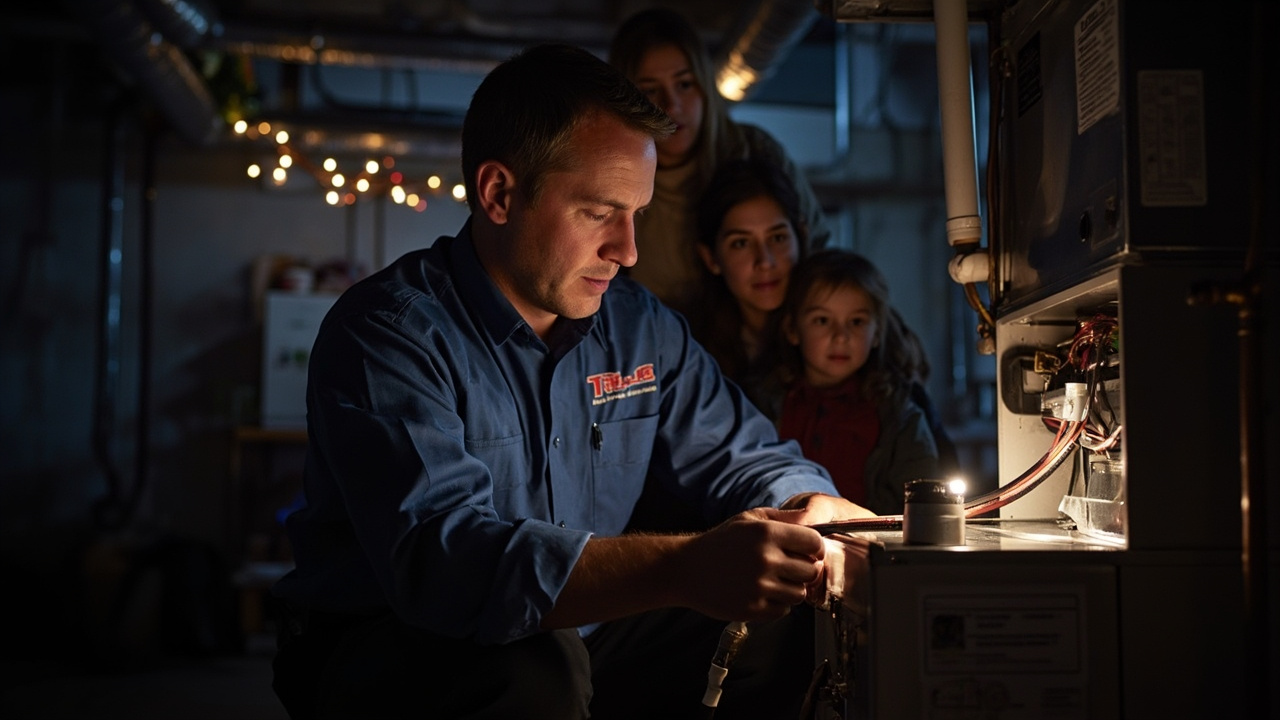
When your heating system fails on Thanksgiving, Christmas, or New Year's, Titan HVAC Boston dispatches certified technicians to your door within 60 minutes, restoring warmth and safety to your home while your family celebrates.

Slider Image 1
Slider Image 2
Slider Image 3
Slider Image 4
Slider Image 5
Slider Image 7
Slider Image 8
Slider Image 9
Slider Image 10
Slider Image 11

Your Furnace Doesn't Care That It's Christmas

The worst heating failures happen on the coldest days, which in Boston means holidays. When temperatures drop below 20 degrees on Christmas Eve or New Year's Day, your furnace works overtime. Add visiting family, extra cooking heat cycling your thermostat, and the reality that most HVAC companies close for the holidays, and you face a dangerous situation.

Boston's winter climate makes emergency holiday furnace repair a survival issue, not a convenience. The combination of Atlantic moisture and sub-freezing temperatures creates ice dams, frozen condensate lines, and cracked heat exchangers. When your system fails at 2 AM on Thanksgiving, you cannot wait until Monday. Pipes freeze in as little as six hours when interior temperatures drop below 55 degrees. Water damage from burst pipes can cost five times more than immediate furnace repair.

Emergency heating repair service open on holidays addresses three critical risks. First, carbon monoxide danger increases when homeowners use ovens, space heaters, or fireplaces as emergency heat sources. Second, frozen pipes cause structural damage that insurance may not cover if you delayed professional repair. Third, elderly family members and young children face genuine health risks from prolonged cold exposure.

After hours furnace repair requires specialized parts inventory, diagnostic equipment, and technicians willing to leave their own holiday celebrations. That is why 24 hour heating repair costs more on holidays, but the alternative is paying for hotel rooms, emergency room visits, or water remediation after pipes burst.

When you search for heating repair open on holidays in Boston, you need a company with stocked trucks, backup parts suppliers, and technicians who understand the pressure you are under.

Your Furnace Doesn't Care That It's Christmas
How Emergency Holiday Furnace Diagnosis Works Differently

How Emergency Holiday Furnace Diagnosis Works Differently

Holiday heating failures require faster diagnosis because you have less time before secondary damage occurs. Our technicians arrive with thermal imaging cameras, combustion analyzers, and multimeters to isolate failures in 15 minutes or less. We test ignition systems, flame sensors, pressure switches, and gas valves simultaneously rather than sequentially.

Boston homes built before 1980 use cast iron boilers or older forced air systems with mechanical controls. These systems fail differently than modern units. A failed aquastat on a boiler requires immediate replacement, not a bypass, because the system will overheat and crack the heat exchanger. A seized circulator pump needs disassembly and bearing replacement, not generic motor swaps that fail again in three months.

We carry holiday-specific inventory that other companies do not stock. Ignition control boards for Carrier, Lennox, and Trane furnaces sit in our trucks year-round. Pressure switches for Weil-McLain and Burnham boilers, thermocouples for older Rheem systems, and transformer assemblies for Bryant units are pre-staged. When a flame sensor fails on Christmas morning, we replace it in 20 minutes instead of ordering parts for Tuesday delivery.

Emergency heating repair service also means protecting your home while we work. We place drop cloths, wear boot covers, and contain any water or debris from repairs. If we need to shut down your system temporarily, we provide space heaters for occupied rooms and explain exactly how long the repair will take.

After hours furnace repair on holidays costs 1.5 to 2 times standard rates because technicians sacrifice family time and parts suppliers charge premium delivery fees. We explain all costs before starting work so you can make informed decisions.

What Happens When You Call for Emergency Holiday Heating Repair

Holiday Heating Repair in Boston – Emergency Furnace Service Available 24/7
01

Immediate Dispatch and Triage

When you call our emergency line, a live technician answers, not an answering service. We ask specific diagnostic questions about error codes, thermostat behavior, and whether you smell gas or see flames. This phone triage determines which technician to dispatch based on your system type. We text you the technician's photo, truck number, and estimated arrival time within five minutes of your call.
02

Onsite Diagnosis and Approval

The technician performs a complete system diagnosis, testing voltage, gas pressure, airflow, and safety controls. We show you the failed component, explain why it failed, and provide a written estimate before starting repairs. For complex failures requiring multiple parts, we prioritize getting heat restored first, then schedule follow-up repairs for secondary issues that do not affect immediate function. You approve all work before we begin.
03

Repair, Testing, and Safety Check

After replacing failed components, we test the entire heating cycle three times to confirm proper ignition, flame stability, and temperature rise. We check carbon monoxide levels, verify thermostat calibration, and inspect venting for blockages. Before leaving, we document all work with photos, provide maintenance recommendations, and give you a written receipt with warranty information. Your heat runs properly before we leave your home.

Why Boston Families Trust Us for Holiday Heating Emergencies

Titan HVAC Boston operates 365 days per year because heating emergencies do not respect holidays. We maintain three on-call crews during Thanksgiving, Christmas, and New Year's specifically for emergency response. While other companies forward holiday calls to answering services or third-party dispatch centers, our technicians carry company phones and respond directly from their homes in Dorchester, Quincy, and Somerville.

Boston's dense housing stock means your heating emergency affects your neighbors. Triple-deckers and row houses share walls, and when your heat fails, adjacent units lose radiant warmth. We understand the urgency of restoring heat quickly to prevent frozen pipes in shared walls and basement utilities. Our technicians know which homes have shared boiler systems in Back Bay and Beacon Hill, where a single failure affects multiple units.

We stock parts for the specific heating systems common to Boston homes. Weil-McLain boilers dominate South Boston and Charlestown. Burnham steam boilers run in older Jamaica Plain and Roxbury multi-families. Buderus and Viessmann systems appear in renovated Cambridge and Brookline properties. We carry parts and know the quirks of each system because we service them daily, not just on holidays.

Emergency holiday furnace repair also means understanding local building codes. Boston requires specific venting configurations, carbon monoxide detector placement, and combustion air requirements that differ from surrounding suburbs. We pull permits when required and ensure all repairs meet city inspection standards.

You need a company that answers the phone, arrives quickly, and fixes the problem correctly the first time. We do not subcontract holiday calls to untrained technicians. Every person who enters your home works directly for Titan HVAC Boston and holds Massachusetts refrigeration and gas licenses.

What to Expect During Your Holiday Heating Repair

Response Time and Availability

We guarantee 60-minute response times for emergency holiday heating calls within Route 128. Calls from downtown Boston, Cambridge, Brookline, and Somerville typically receive 30 to 45 minute response. Outer neighborhoods like West Roxbury, Roslindale, and Hyde Park average 60 to 75 minutes depending on traffic. We provide real-time technician tracking via text so you know exactly when to expect arrival. Our dispatch system prioritizes calls with elderly residents, young children, or medical conditions requiring warm environments. If multiple emergencies occur simultaneously, we communicate honestly about wait times rather than making false promises.

Diagnostic Process and Communication

Our technicians explain what failed and why in plain language. We show you the broken component, demonstrate the failure with testing equipment, and explain what caused the breakdown. If your furnace failed because of poor maintenance, we explain what should have been done. If the failure resulted from age or manufacturing defect, we document that for warranty claims. You receive photos of failed parts, diagnostic readings, and written explanations. For major failures requiring system replacement, we provide temporary heating solutions while you research options. We never pressure you into unnecessary replacements on holidays when you cannot get second opinions.

Repair Quality and Parts Warranty

All emergency repairs use OEM or equivalent quality parts, never universal fit components that fail prematurely. We warranty labor for one year and parts match manufacturer warranties, typically one to five years depending on the component. If a repaired system fails again within 30 days, we return at no additional charge to diagnose whether the original repair failed or a separate component broke. Emergency repairs meet the same quality standards as scheduled work. We do not cut corners because of holiday urgency. If a repair requires multiple parts and we only have some in stock, we restore basic heat function immediately and schedule follow-up completion within 48 hours.

Follow-Up and Preventive Maintenance

After emergency holiday furnace repair, we contact you within three days to confirm the system runs properly. If you experienced a holiday failure, your system likely needs comprehensive maintenance to prevent future breakdowns. We provide written maintenance recommendations prioritized by urgency and cost. Optional maintenance plans include priority emergency response, discounted repairs, and annual tune-ups scheduled before heating season. Many holiday failures stem from skipped maintenance, and we explain what preventive service would have caught the failure before it happened. We also educate you on warning signs to watch for so you can call before complete failures occur in the future.

Frequently Asked Questions

You Have Questions,
We Have Answers

What are common holiday heating problems? +

Boston winters put stress on heating systems during the holidays. Common problems include pilot light failures, clogged air filters restricting airflow, frozen condensate lines during cold snaps, and worn blower motors struggling to push heat. Thermostat malfunctions occur when guests adjust settings repeatedly. Dirty flame sensors cause burners to shut off prematurely. Ductwork leaks waste heat in older Back Bay and South End homes. Ignition problems surface after systems sit idle during mild fall months. Holiday cooking also overloads older furnaces. Most failures happen during the coldest nights when you need heat most.

What is the $5000 rule for HVAC? +

The $5000 rule helps you decide between repair and replacement. If your furnace or boiler repair costs more than $5000 and the system is over 15 years old, replacement makes better financial sense. Multiply the repair cost by the system age. If that number exceeds $5000, replace the unit. For example, a $400 repair on a 10-year-old furnace equals $4000, so repair it. But a $500 repair on a 12-year-old system equals $6000, so replace it. This rule accounts for efficiency losses and upcoming repairs on aging equipment.

Who do you call when your heat doesn't work? +

Call a licensed HVAC technician immediately when your heat stops working in Boston. Do not wait, especially during January freeze-thaw cycles that can cause pipe damage. Look for companies offering 24/7 emergency service with rapid response times. Check that technicians are licensed for Massachusetts and carry proper insurance. Avoid handymen for heating repairs. Gas furnaces and boilers require specialized training and permits. If you smell gas, leave immediately and call the gas company first, then a qualified HVAC contractor. Many Boston HVAC companies offer same-day emergency appointments during winter.

How much does it cost to fix a heating problem? +

Emergency heating repairs in Boston typically range from minor fixes to major component replacements. Simple repairs like thermostat replacements or filter changes cost less than ignition system or heat exchanger work. Boston service calls include diagnostic fees. Geographic factors matter. Older homes in Cambridge and Somerville often need more extensive ductwork or boiler repairs. Emergency weekend and holiday rates run higher than weekday service. Get written estimates before authorizing work. Furnace repairs generally cost less than boiler work. Multiple quotes help you compare pricing, but speed matters during winter emergencies.

Why does my house feel cold at 73? +

Your Boston home feels cold at 73 for several reasons. Poor insulation in older Victorian or Colonial homes lets heat escape through walls and single-pane windows. High ceilings in South End brownstones create stratification where warm air rises above living spaces. Humidity levels affect comfort. Dry winter air feels colder than humid air at the same temperature. Drafty doors and windows common in historic districts create cold spots. Undersized heating systems struggle to maintain temperatures during bitter January nights. Dirty filters reduce airflow. Ductwork leaks waste heated air in basements and crawlspaces before reaching living areas.

What is the most expensive part to fix on a furnace? +

Heat exchangers rank as the most expensive furnace component to replace. These metal chambers transfer heat from combustion gases to your home's air. Cracks develop from repeated heating and cooling cycles, especially in systems over 15 years old. Replacement often costs nearly as much as a new furnace because the repair requires extensive labor and system disassembly. Cracked heat exchangers also pose carbon monoxide risks, requiring immediate shutdown. Control boards and blower motors follow as expensive repairs. Variable-speed blower assemblies cost more than single-speed models. In Boston's harsh winters, heat exchanger stress accelerates from constant operation.

What is the life expectancy of a heating system? +

Furnaces last 15 to 20 years in Boston with proper maintenance. Gas furnaces typically outlive electric models. Boilers, common in older Boston neighborhoods, last 20 to 30 years because they have fewer moving parts. Heat pumps last 10 to 15 years in New England climates due to year-round operation stress. Coastal humidity near East Boston and Seaport District shortens equipment life through corrosion. Annual maintenance extends system longevity. Neglected systems fail earlier. High-efficiency models with complex electronics may need repairs sooner than basic models. Installation quality significantly impacts lifespan.

Is a new HVAC system tax deductible in 2025? +

The Inflation Reduction Act offers tax credits for high-efficiency HVAC systems installed in 2025. You can claim up to 30% of equipment costs, with maximum credits depending on equipment type. Heat pumps qualify for higher credits than standard furnaces. The system must meet specific ENERGY STAR efficiency ratings. Keep all receipts and manufacturer certification statements for tax filing. Massachusetts residents may qualify for additional state rebates through Mass Save programs. Consult a tax professional to confirm eligibility based on your specific situation. Commercial property rules differ from residential credits. Credits apply to primary residences only.

What is the 3 minute rule for air conditioners? +

The 3-minute rule prevents compressor damage in air conditioning systems. After your AC shuts off, wait at least three minutes before restarting it. This delay allows refrigerant pressure to equalize throughout the system. Restarting too quickly forces the compressor to start against high pressure, causing mechanical stress and potential failure. Modern systems include time-delay relays that enforce this waiting period automatically. Short cycling, where the unit turns on and off rapidly, violates this rule and damages equipment. If your thermostat causes rapid cycling, call an HVAC technician. This rule does not apply to heating systems.

Is not having heat considered an emergency? +

Yes, lack of heat qualifies as an emergency in Boston, especially when temperatures drop below freezing. Prolonged cold exposure risks frozen pipes, which burst and cause water damage. Vulnerable residents face hypothermia risks. Massachusetts tenant laws require landlords to maintain heat between October and May. Tenants can call emergency services if landlords fail to restore heat within 24 hours. Homeowners should seek emergency HVAC service immediately. Freezing temperatures arrive quickly in January and February. Space heaters provide temporary relief but pose fire risks if left unattended. Contact a 24/7 HVAC company for emergency repairs.

Why Boston's Historic Housing Stock Makes Holiday Heating Failures More Complex

Boston's housing includes thousands of homes built between 1880 and 1950 with steam radiators, cast iron boilers, and gravity-fed hot water systems. These older heating systems require specialized knowledge because replacement parts no longer exist for many components. When a Hartford loop fails on a steam system in a South End brownstone on Christmas Day, generic plumbing cannot fix it. The repair requires understanding steam pressure dynamics, proper pitch for condensate return, and how to restore one-pipe steam systems without converting to modern two-pipe configurations. After hours furnace repair in older Boston neighborhoods means carrying period-correct repair supplies and understanding how these systems were originally designed.

Emergency heating repair service in Boston also requires familiarity with city inspection requirements and permit processes. The Inspectional Services Department enforces strict combustion air, venting, and carbon monoxide detector requirements that differ from state code. Repairs involving gas piping, boiler replacements, or vent modifications require permits even on holidays, and work must pass inspection before final approval. Titan HVAC Boston maintains direct relationships with city inspectors and understands how to expedite emergency permits when necessary. We also know which repairs require permits and which fall under maintenance exemptions, ensuring your emergency repair remains legal and insurable.
HVAC Services in The Boston Area

We are proud to serve our valued clients across the entire region. Whether you're in the city center or a surrounding community, our dedicated team is ready to provide top-notch HVAC services right to your doorstep. You can locate our main office here, and we encourage you to reach out to schedule a service, explore our offerings, or discuss your heating and cooling needs with our expert team. We look forward to serving you!

Address:
Titan HVAC Boston, 94 Shirley St, Boston, MA, 02119

Additional Services We Offer

Our news updates

Latest Articles & News from The Blogs

Finding a Silent HVAC Solution for Your Home Theater or Media Room in Wellesley If you've ever had to pause…

Finding a Silent HVAC Solution for Your Home Theater or Media Room in Wellesley

Finding a Silent HVAC Solution for Your Home Theater or Media Room in Wellesley If you've ever had to pause…

What the New SEER2 Efficiency Standards Mean for Your Next Boston AC Upgrade

What the New SEER2 Efficiency Standards Mean for Your Next Boston AC Upgrade The Department of Energy rolled out new…

How Smart Vents Can Fix Hot and Cold Spots in Large Multi-Story Newton Homes

Large multi-story homes in Newton often suffer from uneven temperatures where some rooms feel like a sauna while others stay…

Contact Us

Your family should not spend the holiday in the cold. Call Titan HVAC Boston now at (617) 758-1599 for immediate emergency heating repair. We answer 24/7, arrive within 60 minutes, and restore your heat the same day.