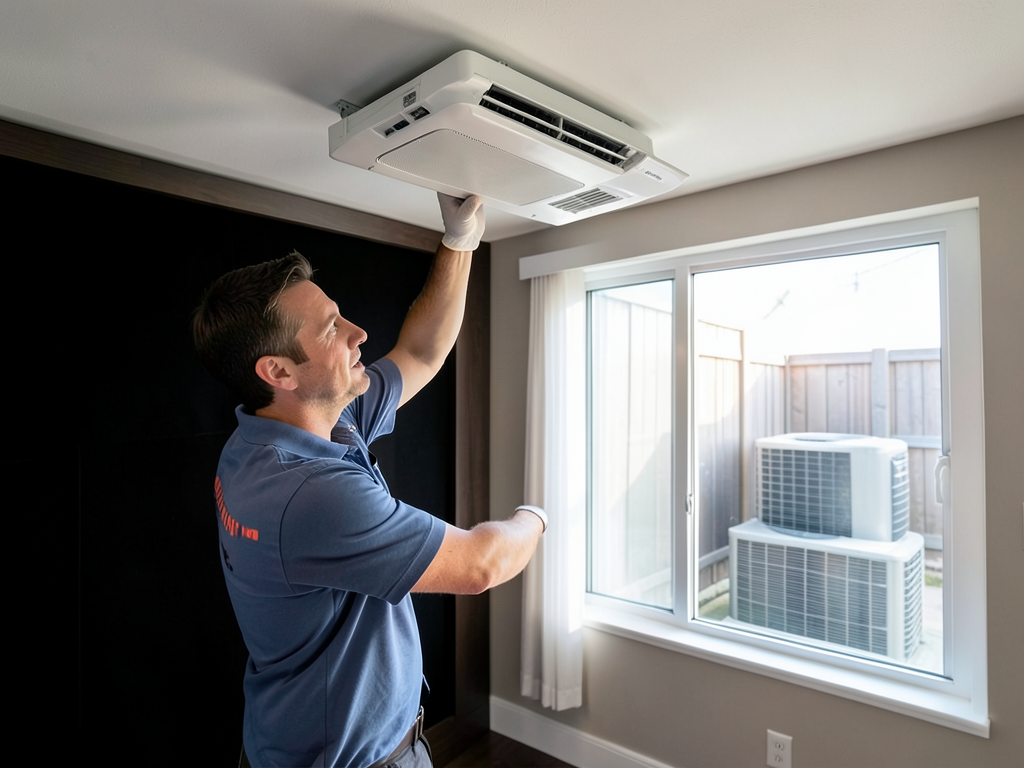





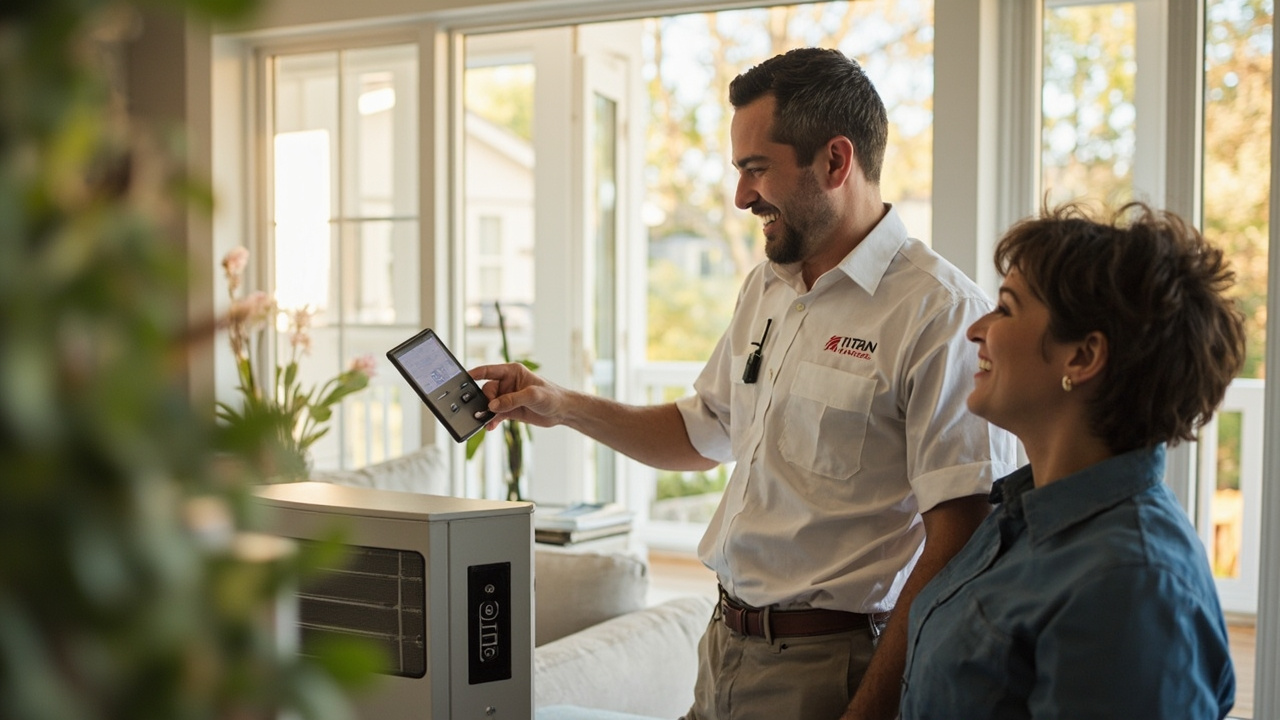


Boston sits on Massachusetts Bay, creating persistent humidity challenges that drive mold growth and dust mite populations. Summer humidity routinely exceeds 70 percent, while winter indoor humidity drops below 25 percent when heating systems run continuously. This extreme seasonal variation stresses respiratory systems and creates ideal conditions for biological contaminants during humid months. Add in proximity to Logan Airport with its jet fuel emissions, diesel particulates from I-93 and the Mass Pike cutting through the city, and pollen from Franklin Park and the Emerald Necklace, and you face a contamination burden that overwhelms basic HVAC filtration. Homes near Boston Harbor deal with salt air that corrodes HVAC components while carrying marine allergens indoors. Residential air quality services must account for these hyperlocal factors to protect health effectively.
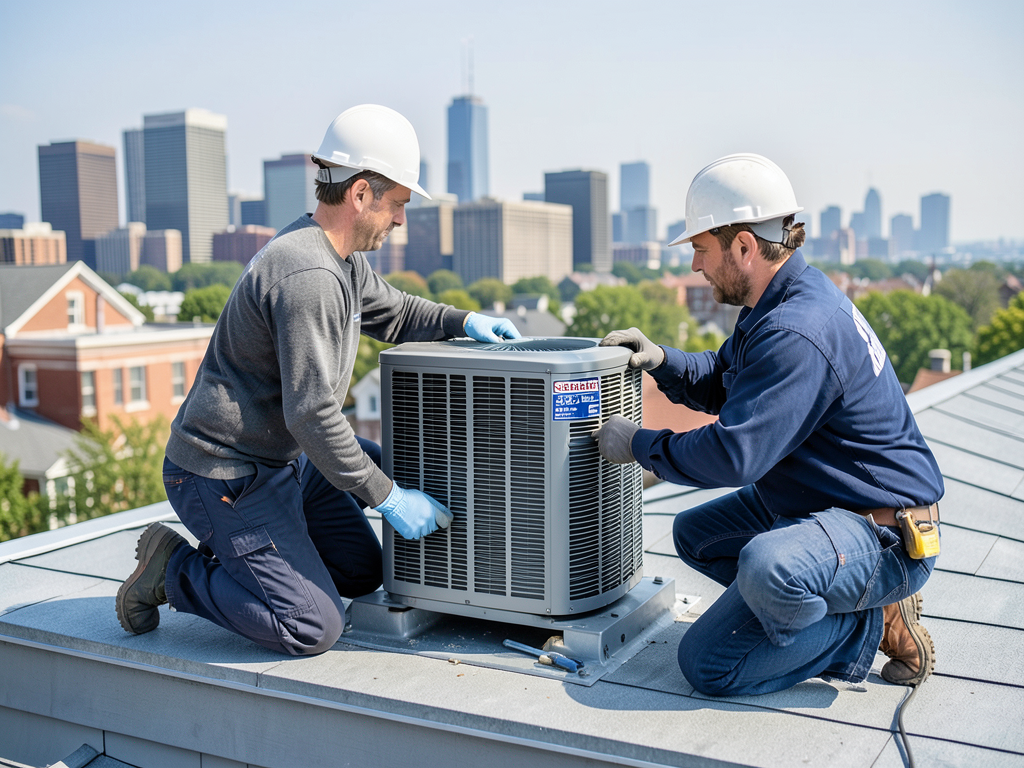
Boston enforces strict building codes through the Inspectional Services Department, requiring HVAC modifications to meet mechanical ventilation standards in the State Building Code. Any ductwork alterations or equipment upgrades must comply with 780 CMR regulations governing residential mechanical systems. Titan HVAC Boston maintains contractor licenses recognized by the City of Boston and pulls proper permits for IAQ system installations that modify existing HVAC infrastructure. We understand local inspection requirements and design systems that pass code review on the first attempt. Our familiarity with Boston's building stock, from Victorian brownstones requiring historic preservation considerations to modern LEED-certified construction in the Innovation District, means we adapt air quality solutions to meet both regulatory requirements and architectural constraints unique to your neighborhood.