






Menu

Humidity Issues Indoors in Boston – Expert Diagnosis and Permanent Solutions for High Indoor Moisture

Titan HVAC Boston identifies the root causes of excess indoor moisture, high humidity levels, and poor humidity control, then delivers targeted HVAC solutions that restore comfort and protect your property from mold and structural damage.

Slider Image 1
Slider Image 2
Slider Image 3
Slider Image 4
Slider Image 5
Slider Image 7
Slider Image 8
Slider Image 9
Slider Image 10
Slider Image 11

Why Boston Homes Struggle with High Indoor Humidity Year-Round

You walk into your home and the air feels heavy. Condensation fogs your windows in winter. Your basement smells musty. Mold creeps across bathroom grout lines. You are dealing with high humidity in house conditions, and you are not alone in Boston.

Boston's coastal climate drives humidity extremes. Summer air masses push dew points into the 70s, flooding homes with excess indoor moisture. Winter heating cycles trap that moisture indoors when cold exterior walls meet warm interior air, creating condensation zones. The older housing stock in neighborhoods like South End, Beacon Hill, and Jamaica Plain often lacks proper vapor barriers or modern ventilation systems, compounding the problem.

Indoor moisture problems go beyond discomfort. High indoor humidity levels fuel mold growth, warp hardwood floors, peel paint, and corrode metal components in your HVAC system. Dust mites thrive above 50 percent relative humidity, triggering allergies and asthma. Poor humidity control stresses your air conditioner in summer and makes your furnace work harder in winter, driving up energy bills.

Boston's variable weather means you cannot rely on outdoor air exchanges to fix the issue. You need mechanical solutions that respond to real-time conditions. Ignoring excess indoor moisture damages your property and degrades indoor air quality. The longer you wait, the more expensive the repairs become. Your home needs a diagnostic approach that addresses the root cause, not just the symptoms.

Why Boston Homes Struggle with High Indoor Humidity Year-Round
How We Solve High Indoor Humidity with Targeted HVAC Interventions

How We Solve High Indoor Humidity with Targeted HVAC Interventions

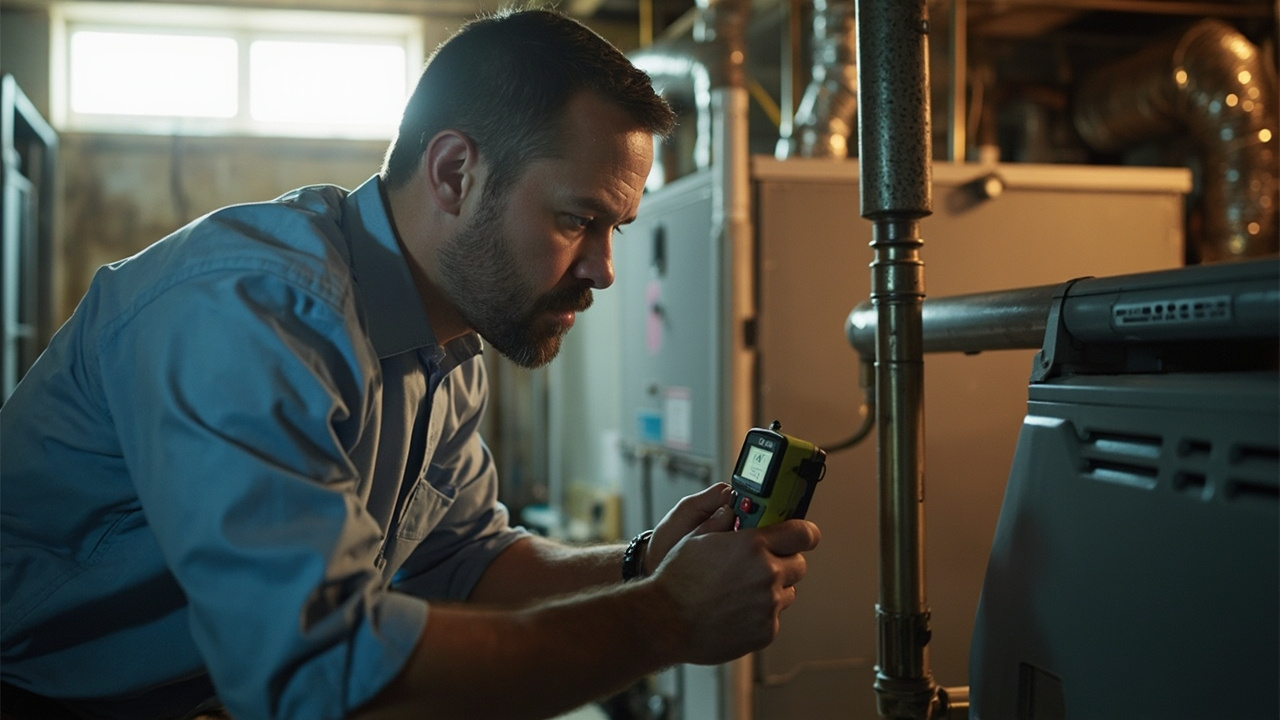
We do not guess. We measure. Our technicians start with a hygrometer reading in multiple rooms to map your humidity profile. We check your thermostat settings, inspect your ductwork for leaks, and evaluate your ventilation rates. Boston homes often have undersized return air pathways or blocked supply registers that create pressure imbalances, trapping humid air in specific zones.

Next, we assess your equipment. An oversized air conditioner short cycles, cooling the air before it can extract moisture. An aging furnace with a cracked heat exchanger can introduce combustion moisture into your living space. We test your condensate drain lines for clogs and inspect your evaporator coil for ice buildup, both signs of poor airflow or refrigerant issues.

Ventilation is critical. Many Boston homes lack adequate mechanical ventilation. We evaluate your existing system and recommend energy recovery ventilators or dedicated dehumidifiers that integrate with your HVAC system. These units pull fresh air in, exhaust stale air out, and strip moisture from the incoming airstream without wasting conditioned air.

We also inspect your building envelope. Leaky basement walls, inadequate attic insulation, and improperly sealed crawl spaces allow humid outdoor air to infiltrate your home. We coordinate with building science principles to identify thermal bridging and moisture pathways that your HVAC system alone cannot fix.

Our solutions are prescriptive. If you need a whole-home dehumidifier, we size it to your load. If you need duct sealing, we use mastic and metal tape, not duct tape. If your air handler needs a variable-speed blower upgrade, we explain why it matters for humidity control. We fix the system, not just the symptom.

What Happens During Your Indoor Humidity Assessment

Humidity Issues Indoors in Boston – Expert Diagnosis and Permanent Solutions for High Indoor Moisture
01

Diagnostic Testing and Mapping

We arrive with calibrated hygrometers and infrared cameras to measure relative humidity levels in every room. We log temperature differentials between floors, check basement moisture levels, and identify cold spots where condensation forms. This data maps your moisture zones and reveals hidden problems like duct leaks or insulation gaps. We document everything before recommending solutions, so you see exactly what is driving your high indoor humidity levels.
02

Equipment and Airflow Analysis

We inspect your HVAC system from blower motor to condensate drain. We measure airflow at supply registers, check static pressure in your ductwork, and test your evaporator coil for proper operation. We evaluate your thermostat's dehumidification settings and assess whether your equipment is properly sized for your home. Undersized or oversized systems create poor humidity control, and we identify the exact mismatch. This step determines if your equipment needs repair, adjustment, or replacement.
03

Solution Design and Implementation

We present a detailed plan that addresses your specific moisture sources. This might include installing a whole-home dehumidifier, upgrading your air handler, sealing ductwork, or adding mechanical ventilation. We explain the load calculations, equipment specifications, and expected humidity reduction. Once you approve, we schedule installation and test the system under real conditions. You receive written documentation of humidity levels before and after, plus maintenance guidelines to keep your system operating correctly.

Why Boston Residents Trust Titan HVAC for Humidity Solutions

Boston's housing mix demands specialized knowledge. Triple-deckers in Dorchester have different ventilation challenges than single-family colonials in West Roxbury. Historic row houses in Back Bay come with steam radiators and no central air, requiring creative dehumidification strategies that do not disrupt the architecture.

We understand local building codes. Massachusetts requires mechanical ventilation in new construction and major renovations under the 9th Edition building code. We design systems that meet ASHRAE 62.2 ventilation standards while controlling indoor moisture. We know how to integrate humidity control into existing forced-air systems, mini-split heat pumps, and hybrid heating setups common in Boston.

Our technicians work in your home year-round. We see how your HVAC system responds to Boston's humid summers, cold winters, and unpredictable shoulder seasons. We know that high indoor humidity in January signals a ventilation problem, while summer humidity spikes point to cooling system issues. This pattern recognition speeds diagnosis and ensures we recommend the right solution the first time.

We also coordinate with other trades when needed. If your basement walls leak water or your attic insulation is inadequate, we refer you to qualified contractors who understand building science. Humidity control is a system-level problem, and we do not pretend your HVAC equipment alone can fix structural moisture intrusion.

You get honest answers. If your humidity problem stems from a leaky foundation, we tell you. If your air conditioner needs replacement to achieve proper moisture removal, we explain why repair is a waste of money. We prioritize solutions that deliver measurable results, not upsells.

What You Can Expect When You Call Titan HVAC Boston

Fast Scheduling and Response

We offer same-day and next-day appointments for humidity assessments. Boston's weather does not wait, and neither should you. We schedule visits around your availability and arrive on time with all diagnostic equipment. Emergency humidity issues, like sudden indoor moisture spikes or visible mold growth, get priority response. You speak directly with our scheduling team, not an answering service. We confirm your appointment by text and call 30 minutes before arrival. Our technicians work efficiently, respecting your time and your home.

Thorough Assessment and Clear Diagnosis

You receive a written report detailing humidity levels in each room, equipment performance data, and identified problem areas. We explain findings in plain language, not jargon. You see photos of any defects, along with measurements that quantify the issue. We walk you through the diagnosis step by step, answering questions as we go. If multiple solutions exist, we present options with pros, cons, and cost factors for each. You make the final decision with full information. We never pressure you into unnecessary upgrades or oversized equipment.

Measurable Results and Comfort Improvement

After we complete the work, you will notice the difference immediately. Air feels lighter. Windows stop fogging. Musty odors disappear. We verify results with post-installation humidity readings and provide you with a report showing before-and-after data. Your home maintains consistent humidity levels between 30 and 50 percent year-round, the ideal range for comfort and health. Mold growth stops. Allergens decrease. Your HVAC system runs more efficiently because it is not fighting constant moisture infiltration. You get the indoor environment you deserve.

Ongoing Support and Maintenance

We provide operation and maintenance instructions for all installed equipment. Whole-home dehumidifiers need periodic filter changes and annual coil cleaning, and we offer maintenance plans that keep your system running at peak efficiency. If humidity levels drift out of range, we troubleshoot at no diagnostic charge for the first year. We also offer seasonal tune-ups that include humidity testing as part of routine HVAC maintenance. You get a dedicated service history, so every technician who enters your home knows your system inside and out. We are your long-term humidity control partner.

Frequently Asked Questions

You Have Questions,
We Have Answers

What are the symptoms of too much humidity in your house? +

Too much humidity creates visible and physical symptoms. You will see condensation on windows, water stains on walls or ceilings, and mold growth in corners or bathrooms. Musty odors develop in basements and closets. Paint may peel or bubble. Wood floors warp or buckle. You might feel sticky skin or notice your clothes take longer to dry. Boston's humid summers amplify these issues, especially in older homes without proper ventilation. Respiratory discomfort increases. Dust mites thrive above 50% humidity. If you spot these signs, your indoor air holds too much moisture and needs correction.

Is 70% humidity in a house bad? +

Yes, 70% indoor humidity is too high. The EPA recommends keeping indoor humidity between 30% and 50%. At 70%, mold spores germinate rapidly within 24 to 48 hours. Dust mites multiply. Wooden furniture swells. Your HVAC system works harder and costs more to run. Boston homes face this problem during summer months when outdoor humidity soars and air conditioning cannot keep up. You will feel clammy and uncomfortable. Respiratory issues worsen. High humidity damages your home and your health. Install a dehumidifier or improve ventilation to bring levels down immediately.

What is dangerously humid indoors? +

Indoor humidity above 60% becomes dangerous. Mold growth accelerates. Bacteria and viruses survive longer on surfaces. Structural damage begins as wood absorbs moisture and drywall softens. Boston's triple-deckers and historic brownstones trap moisture in poorly ventilated spaces, creating health hazards. At 70% or higher, you risk chronic respiratory problems, allergic reactions, and asthma flares. Condensation inside walls leads to hidden rot. Your HVAC system cannot compensate at these levels. Use a hygrometer to measure humidity. If readings consistently exceed 60%, you need professional assessment and mechanical dehumidification to protect your home and health.

Can humidity cause nausea? +

Yes, high humidity can trigger nausea. Excessive moisture creates stuffy, oxygen-poor air that makes breathing labored. Your body struggles to cool itself through sweat evaporation, leading to overheating and nausea. Mold spores and dust mites thrive in humid conditions, releasing allergens and mycotoxins that cause headaches, dizziness, and stomach upset. Boston's summer humidity combined with poor ventilation worsens these symptoms indoors. People with mold sensitivity experience more severe reactions. If you feel nauseous at home but better outside, check your indoor humidity levels. Reducing moisture through ventilation or dehumidification often resolves these symptoms quickly.

How do you fix high humidity in your house? +

Fix high humidity by controlling moisture sources and improving ventilation. Run bathroom and kitchen exhaust fans during and after use. Repair leaks in plumbing, roofs, and basements immediately. Install a whole-home dehumidifier if your HVAC system cannot keep humidity below 50%. Boston homes need special attention to basement moisture due to high water tables and older foundations. Seal crawl spaces with vapor barriers. Vent your dryer outside. Avoid overwatering houseplants. Run your air conditioner, which removes moisture while cooling. Use portable dehumidifiers in problem areas. A professional HVAC assessment identifies hidden moisture sources you might miss.

Does opening a window reduce humidity? +

Opening windows reduces humidity only when outdoor air is drier than indoor air. In Boston, this works during spring and fall when outdoor humidity drops. During summer months, opening windows brings in more moisture and worsens the problem. Boston's coastal location means outdoor humidity often exceeds 70% from June through August. You will make indoor conditions worse by letting humid air inside. Instead, keep windows closed and run air conditioning or dehumidifiers. Open windows work best on dry, breezy days with humidity below 50%. Check outdoor humidity levels before using natural ventilation as a moisture control strategy.

Do dehumidifiers really work for humidity? +

Yes, dehumidifiers effectively remove excess moisture from indoor air. They pull humid air across cold coils, condensing water vapor into a collection tank. Quality units reduce humidity by 10% to 20% within hours. Portable dehumidifiers work well for basements, bathrooms, and other problem areas in Boston homes. Whole-home dehumidifiers integrate with your HVAC system to control moisture throughout your house. Choose a unit rated for your square footage. Empty collection tanks daily or route drainage to a floor drain. Dehumidifiers consume electricity but prevent costly mold damage and health problems. They provide measurable results you can verify with a hygrometer.

What is the best humidity level for your lungs? +

The best humidity for lung health ranges from 40% to 50%. This level keeps airways moist without promoting mold or dust mites. Below 30%, dry air irritates respiratory passages and worsens asthma. Above 50%, allergens multiply and breathing becomes labored. Boston's seasonal extremes challenge lung health. Winter heating dries indoor air below 20%, causing nosebleeds and coughing. Summer humidity climbs above 70%, triggering asthma attacks. People with COPD, allergies, or asthma notice immediate improvement when humidity stays in the optimal range. Use a humidifier in winter and a dehumidifier in summer to protect respiratory health year-round.

How to tell if humidity is too high in a house? +

Tell if humidity is too high by checking for physical signs and using a hygrometer. Condensation forms on windows, mirrors, and pipes. You feel sticky and uncomfortable indoors. Mold appears in corners, bathrooms, or closets. Musty smells develop in basements or bedrooms. Wood floors feel damp or warp. Paint bubbles on walls. Boston homes show these symptoms during summer or in poorly ventilated basements year-round. Buy an inexpensive digital hygrometer to measure exact levels. Readings above 60% confirm your suspicions. Trust your senses but verify with data to take the right corrective action quickly.

What are the symptoms of humidity sickness? +

Humidity sickness causes respiratory symptoms, fatigue, and allergic reactions. You develop persistent coughing, wheezing, or shortness of breath. Headaches and difficulty concentrating occur from poor air quality. Skin irritation and rashes appear. Sinus congestion worsens. You feel tired despite adequate sleep because your body works harder in humid conditions. Mold exposure from high humidity triggers severe reactions in sensitive people, including fever and chest tightness. Boston's old housing stock traps moisture and amplifies these symptoms. If you feel sick at home but better elsewhere, test your indoor humidity. Levels above 60% combined with mold growth require immediate professional remediation.

How Boston's Coastal Climate and Older Housing Stock Create Chronic Indoor Humidity Problems

Boston sits on the Atlantic coast, where maritime air masses bring high dew points throughout summer and fall. When outdoor humidity exceeds 60 percent, your air conditioner struggles to remove enough moisture, especially if the system is oversized or aging. Winter presents a different challenge. Cold exterior walls in uninsulated brick row houses or poorly sealed wood-frame triple-deckers create condensation zones where warm indoor air meets cold surfaces. Ice dams on roofs trap melting snow, driving moisture into attics and walls. These conditions make poor humidity control a year-round battle in Boston.

Boston's housing stock predates modern building codes. Many homes lack vapor barriers, continuous insulation, or adequate ventilation. Historic districts restrict exterior modifications, complicating humidity control retrofits. Massachusetts building codes now require mechanical ventilation in renovations, but older homes often operate without it. Titan HVAC Boston understands these constraints. We design humidity solutions that respect architectural integrity while meeting modern performance standards. Our technicians know how to work within the limits of older construction, delivering results without compromising your home's character or violating local preservation rules.
HVAC Services in The Boston Area

We are proud to serve our valued clients across the entire region. Whether you're in the city center or a surrounding community, our dedicated team is ready to provide top-notch HVAC services right to your doorstep. You can locate our main office here, and we encourage you to reach out to schedule a service, explore our offerings, or discuss your heating and cooling needs with our expert team. We look forward to serving you!

Address:
Titan HVAC Boston, 94 Shirley St, Boston, MA, 02119

Additional Services We Offer

Our news updates

Latest Articles & News from The Blogs

Finding a Silent HVAC Solution for Your Home Theater or Media Room in Wellesley If you've ever had to pause…

Finding a Silent HVAC Solution for Your Home Theater or Media Room in Wellesley

Finding a Silent HVAC Solution for Your Home Theater or Media Room in Wellesley If you've ever had to pause…

What the New SEER2 Efficiency Standards Mean for Your Next Boston AC Upgrade

What the New SEER2 Efficiency Standards Mean for Your Next Boston AC Upgrade The Department of Energy rolled out new…

How Smart Vents Can Fix Hot and Cold Spots in Large Multi-Story Newton Homes

Large multi-story homes in Newton often suffer from uneven temperatures where some rooms feel like a sauna while others stay…

Contact Us

Call Titan HVAC Boston at (617) 758-1599 to schedule your humidity assessment. We diagnose the problem, explain the solution, and restore comfort to your home. Do not wait for mold growth or structural damage to force your hand.