





Chelsea sits on a narrow peninsula surrounded by Boston Harbor, the Chelsea Creek, and the Mystic River. This unique geography creates humidity levels that stress air conditioning systems year-round. Salt air from the harbor accelerates corrosion on outdoor condenser units, shortening their lifespan compared to inland locations. Winter brings brutal nor'easters with wind chill that can drop below zero, forcing furnaces and boilers to work overtime.
The city's dense housing stock includes many triple-deckers and older multi-family homes built before central air was standard. These buildings often have undersized ductwork or retrofitted HVAC systems that struggle to keep up with modern demands. Chelsea's location also means temperature swings happen fast. A mild morning can turn into a sweltering afternoon, or a comfortable evening can plunge into freezing conditions overnight.
Add in Chelsea's proximity to Logan Airport flight paths and Route 1 traffic noise, and many residents keep windows closed year-round, relying entirely on their HVAC systems for comfort. When your heating or cooling fails here, it's not just inconvenient. It's a health and safety issue that needs immediate attention from technicians who understand coastal Massachusetts climate challenges.
Titan HVAC Boston serves Chelsea with the urgency this community demands. We keep multiple service vehicles stationed across the greater Boston metro so we can reach your neighborhood fast, whether you're near Bellingham Square, up by the Mystic Mall, or down by Admiral's Hill. Our dispatch system prioritizes emergency calls, and we maintain evening and weekend availability because HVAC failures don't wait for business hours.
Every technician on our team holds EPA Section 608 certification for refrigerant handling and completes ongoing training on both legacy systems and modern high-efficiency equipment. This matters in Chelsea, where you'll find everything from 1940s boilers to brand-new heat pumps in the same neighborhood. We stock parts for all major brands on our trucks, which means fewer delays waiting for special orders. When we diagnose your system, you get a clear explanation of what failed, why it happened, and what it costs to fix before any work begins.
We've built our reputation on transparency. No surprise charges, no upselling unnecessary replacements, no disappearing after the check clears. Chelsea homeowners and landlords call us back because we show up on time, communicate clearly, and stand behind our work with real guarantees. We understand the stress of a broken HVAC system, and we treat every service call with the seriousness it deserves. Your comfort and safety come first, and our track record in this community proves it.

HVAC emergencies happen at the worst possible times. Our dispatch operates around the clock, every day of the year. When your heat fails at midnight in January or your AC quits during a July heatwave, you reach a real person who sends a certified technician to your Chelsea address fast.

You know the total cost before work starts. We diagnose the problem, explain what needs fixing, and provide a firm price that includes labor and parts. No hourly rate surprises, no hidden fees, no inflated invoices. You approve the price or we don't proceed.
Every technician who enters your home holds current EPA certification for refrigerant handling and system diagnostics. We invest in continuous education on new equipment, building codes, and repair techniques so our team solves problems correctly the first visit, reducing callbacks and wasted time.
We know Chelsea's housing stock, from the triple-deckers in Admirals Hill to the newer developments near Chelsea Station. Our technicians understand how salt air affects equipment, how to work with older ductwork, and which systems hold up best in this coastal microclimate.
Titan HVAC Boston handles every aspect of heating, ventilation, and air conditioning for Chelsea properties. Our service range covers emergency breakdowns, planned maintenance, system installations, and air quality improvements. We work on all equipment types including central air conditioning, heat pumps, gas furnaces, oil furnaces, boilers, ductless mini-splits, and commercial rooftop units.
Chelsea's mix of residential, commercial, and industrial properties means we see diverse HVAC challenges daily. A landlord managing rental units needs different service than a restaurant owner or a homeowner. We structure our offerings to match these distinct needs, whether you're facing an immediate crisis, planning a system upgrade, or maintaining equipment to prevent future failures. Our technicians carry diagnostic tools and common replacement parts for the most prevalent systems in this area, which speeds up repair times and gets your space comfortable again faster.
Total system failures need immediate attention. We dispatch technicians to diagnose and repair broken air conditioners, dead furnaces, failed compressors, refrigerant leaks, blower motor failures, and thermostat malfunctions. Our trucks stock replacement capacitors, contactors, fan motors, ignitors, and other common failure points so we can complete most repairs in a single visit without waiting for parts deliveries.
When repair costs exceed replacement value or your equipment reaches end-of-life, we install new high-efficiency systems sized correctly for your space. This includes load calculations, ductwork modifications if needed, proper refrigerant charging, and startup testing. We install central air conditioning, heat pumps, gas furnaces, ductless mini-splits, and hybrid systems. Every installation meets Massachusetts building codes and manufacturer specifications.
Regular maintenance extends equipment life and catches small problems before they become expensive emergencies. Our seasonal tune-ups include filter replacement, coil cleaning, refrigerant level checks, electrical connection inspection, blower motor lubrication, condensate drain clearing, and full system performance testing. We create maintenance schedules for homeowners and commercial clients who want to protect their HVAC investment and avoid unexpected downtime.
Chelsea's coastal location and aging building stock create specific HVAC challenges you won't find in inland suburbs. Salt air from Boston Harbor corrodes outdoor equipment faster than normal. High humidity overwhelms undersized air conditioning systems. Older homes with inadequate insulation force heating and cooling equipment to run constantly, shortening their lifespan. Many multi-family buildings share ventilation systems that spread problems between units.
Winter heating failures spike during cold snaps when furnaces and boilers run nonstop for days. Summer AC breakdowns cluster during heatwaves when compressors work beyond their capacity. These patterns are predictable in Chelsea's climate, but they still catch property owners off guard. Understanding what commonly fails helps you recognize warning signs before you lose heating or cooling completely. Here are the issues we see most often in Chelsea homes and buildings.
Outdoor AC condensers and heat pump units face constant exposure to salt-laden air from the harbor. Corrosion eats through coil fins, electrical connections, and refrigerant lines faster than inland locations. This reduces efficiency and causes premature failure. Regular cleaning and protective coatings extend equipment life in coastal environments.
Restricted airflow from dirty filters, closed vents, or blocked returns causes indoor coils to freeze solid. Ice buildup stops cooling completely and can damage the compressor if you keep running the system. This happens frequently in Chelsea's older homes where ductwork wasn't designed for central air and return air paths get blocked.
Many Chelsea triple-deckers run on hydronic heating with older boilers. Pressure loss from hidden leaks, failed expansion tanks, or faulty pressure relief valves causes no-heat calls. Radiator leaks in multi-family buildings can go unnoticed until tenants complain about cold rooms. Regular pressure checks and system inspections catch these problems early.
Heat rises, and Chelsea's multi-story buildings trap warmth on upper floors while basements stay cool. Undersized AC systems or poor duct design can't overcome this temperature stratification. Top-floor apartments become unbearable in summer even when the system runs constantly. Zoning solutions or ductless mini-splits solve this common problem.
We know HVAC emergencies create stress. You're uncomfortable, worried about costs, and need answers fast. Our process removes uncertainty by setting clear expectations from the first phone call through project completion. You talk to real people who listen to your problem, explain what happens next, and give you realistic timelines.
Our technicians arrive in marked vehicles with your scheduled appointment window. They assess your system thoroughly, explain what failed in plain language, and provide a firm price quote before touching any tools. You decide whether to proceed. If you approve the work, we complete it efficiently and test everything before we leave. Here's what the experience looks like when you work with us.
When you call our dispatch line, you reach someone who can help immediately. We collect information about your HVAC problem, check technician availability, and provide a realistic arrival window. You receive a confirmation call when the technician is on the way. We text updates if anything changes. No waiting around all day wondering when help will arrive.
Our technician inspects your entire system, not just the obvious problem. We test electrical components, measure refrigerant pressures, check airflow, and examine controls. You get a complete explanation of what failed, what caused it, and what needs fixing. The price quote includes all labor and parts with no hidden charges. You approve the cost or we don't proceed.
Once you approve the work, we complete repairs efficiently using quality parts and proper techniques. We don't cut corners or use cheap components that fail quickly. After repairs finish, we test system performance, verify temperatures, check airflow, and confirm everything operates correctly. You see the system working before we leave, and we clean up completely.
HVAC service shouldn't be complicated. We've structured our process to be straightforward and stress-free, whether you need emergency repair, planned maintenance, or new equipment installation.
Call our service line at (617) 758-1599 and describe your HVAC problem. Our dispatcher schedules a certified technician based on urgency and provides an arrival window. For emergencies, we prioritize same-day service. For maintenance or installations, we find a time that works with your schedule. You receive confirmation and updates as the technician travels to your Chelsea location.
The technician examines your system, identifies the problem, and explains what needs fixing in clear terms. You receive a detailed price quote covering all labor and materials. This is your decision point. Approve the work and we proceed immediately, or decline and pay only the diagnostic fee. No pressure, no obligation beyond the initial service call.
We complete the approved work using proper techniques and quality parts. After repairs finish, we test the entire system to verify performance, check safety controls, and confirm everything operates within manufacturer specifications. You see the results before we leave. We clean the work area, answer any questions, and provide maintenance recommendations to prevent future problems.
Massachusetts enforces strict building codes and energy standards for HVAC installations and repairs. The state adopted the 9th Edition of the Massachusetts Building Code in 2017, which incorporates the International Mechanical Code with state-specific amendments. All HVAC work requires permits for new installations, system replacements, and major modifications. The permit process ensures work meets safety standards and passes inspection.
The Massachusetts Stretch Energy Code applies in Chelsea and most communities across the state. This code sets higher efficiency requirements than the base International Energy Conservation Code. New HVAC installations must meet minimum SEER ratings for air conditioning and AFUE ratings for furnaces that exceed federal standards. Heat pumps receive special consideration under these requirements as the state pushes toward electrification and reduced fossil fuel dependence.
EPA Section 608 certification is mandatory for anyone handling refrigerants in Massachusetts. This federal requirement has four levels based on equipment type. Our technicians hold Universal certification, which covers all refrigerant classes. We use certified refrigerant recovery equipment and follow proper handling procedures to prevent environmental releases. Violations carry serious fines and license suspension.
Proper system sizing requires Manual J load calculations per Air Conditioning Contractors of America standards. Undersized systems run constantly without maintaining comfort. Oversized systems short-cycle, waste energy, and fail prematurely. We calculate actual heating and cooling loads based on building envelope, insulation, window area, orientation, and occupancy. This data determines the correct equipment capacity for your specific property, not guesswork based on square footage alone.
Chelsea's coastal location requires additional considerations. Salt air exposure demands corrosion-resistant components and protective coatings on outdoor equipment. High humidity levels mean proper dehumidification becomes critical for comfort and mold prevention. We select equipment and design systems accounting for these local environmental factors that generic installations ignore.
Repair pricing depends on failed component costs, labor complexity, refrigerant type, and access difficulty. Simple repairs like thermostat replacement cost less than compressor replacement or refrigerant leak repair. Emergency service outside business hours carries premium rates. We provide exact pricing after diagnosis so you know costs before approving any work.
Most emergency repairs complete in two to four hours once the technician arrives. Complex repairs requiring special-order parts may need a return visit. New system installations typically take one to three days depending on ductwork modifications, electrical upgrades, and permit inspection schedules. We provide accurate timelines after assessing your specific project.
R-22 refrigerant production ended in 2020 under EPA phase-out rules. Existing systems can still be repaired using reclaimed refrigerant, but costs have increased significantly. Newer systems use R-410A or R-32 refrigerant. Large leaks on older R-22 systems often make replacement more cost-effective than repair.
This video explains HVAC challenges specific to Chelsea, Massachusetts coastal climate. Topics include salt air corrosion on outdoor condenser units, frozen evaporator coils from poor airflow, boiler pressure loss in multi-family buildings, and inadequate cooling capacity in upper floors. The video covers Massachusetts building codes, EPA refrigerant handling requirements, system sizing using Manual J load calculations, and maintenance practices that extend equipment life in high-humidity coastal environments. Viewers learn diagnostic signs of common failures and when repair versus replacement makes financial sense.
Titan HVAC Boston maintains a strong service presence throughout Chelsea and the surrounding metro area. Our technicians know every neighborhood in this densely packed coastal city, from the residential streets of Admirals Hill on the eastern shore to the busy commercial corridors around Bellingham Square in the center of town. We serve properties near Chelsea Station, where new development has brought modern mixed-use buildings with advanced HVAC systems alongside older housing stock.
The Prattville neighborhood presents unique challenges with its mix of industrial conversions and traditional multi-family homes. These buildings often combine old heating systems with newer cooling retrofits that require technicians who understand both legacy equipment and modern installations. Down by Chelsea Creek and the waterfront areas, salt air exposure accelerates equipment corrosion, demanding more frequent maintenance and specialized protective measures we build into every service call.
Chelsea's location between Everett to the north, Revere to the east, and East Boston across the harbor means we frequently serve properties just outside city limits as well. Route 1 and the Tobin Bridge provide quick access across the region, and our dispatch system routes the closest available technician regardless of which neighborhood needs service. This geographic coverage ensures fast response times whether you're near the Mystic Mall area, down by Mary O'Malley State Park, or anywhere in the greater Chelsea metro.
The city's high percentage of multi-family properties means we work extensively with landlords and property managers who oversee multiple buildings. These commercial relationships demand reliability and consistent service quality across different locations. We understand the pressure of keeping tenants comfortable while managing maintenance budgets across portfolios of triple-deckers and apartment buildings scattered throughout Chelsea's distinct neighborhoods.
Our familiarity with Chelsea's building patterns, climate challenges, and infrastructure helps us diagnose problems faster and recommend solutions that actually work in this specific environment. We're not an out-of-town contractor learning the area on your dime. We know which systems hold up best near the water, how to work with the electrical service common in older buildings, and which efficiency upgrades deliver real returns in Chelsea's utility rate environment.
The $5000 rule helps you decide between repair and replacement. If your system's repair cost multiplied by its age exceeds $5000, replacement makes more financial sense. For example, a $400 repair on a 15-year-old unit equals $6000, signaling replacement time. Chelsea homes with older systems facing costly compressor or heat exchanger repairs should apply this rule. Factor in rising energy bills and frequent breakdowns. A new system offers better efficiency, lower monthly costs, and reliable performance during harsh New England winters. This rule prevents throwing money at a failing unit.
HVAC jobs in Chelsea vary widely based on scope. Basic repairs like thermostat replacement or capacitor swaps run lower, while furnace repairs or evaporator coil replacements cost more. Full system replacements for typical Chelsea homes represent the highest investment. Ductwork modifications, insulation upgrades, and zone control installations add to project costs. Chelsea's older housing stock sometimes requires additional electrical work or structural modifications. Get multiple detailed estimates that itemize labor, equipment, and materials. Seasonal demand affects pricing, with emergency calls during temperature extremes commanding premium rates. Focus on value over the lowest bid.
Replacing HVAC in a 2000 square foot Chelsea home depends on system type, efficiency rating, and installation complexity. A standard split system with furnace and AC falls mid-range, while high-efficiency heat pumps or multi-zone systems cost more. Chelsea's three-season climate demands reliable heating and cooling capacity. Older homes may need ductwork repairs, insulation improvements, or electrical panel upgrades, increasing total investment. Two-story layouts or finished basements require careful sizing and airflow balancing. Quality installation matters more than equipment alone. Request load calculations to ensure proper system sizing for your specific home.
The $5000 rule helps you decide between repair and replacement. If your system's repair cost multiplied by its age exceeds $5000, replacement makes more financial sense. For example, a $400 repair on a 15-year-old unit equals $6000, signaling replacement time. Chelsea homes with older systems facing costly compressor or heat exchanger repairs should apply this rule. Factor in rising energy bills and frequent breakdowns. A new system offers better efficiency, lower monthly costs, and reliable performance during harsh New England winters. This rule prevents throwing money at a failing unit.
HVAC jobs in Chelsea vary widely based on scope. Basic repairs like thermostat replacement or capacitor swaps run lower, while furnace repairs or evaporator coil replacements cost more. Full system replacements for typical Chelsea homes represent the highest investment. Ductwork modifications, insulation upgrades, and zone control installations add to project costs. Chelsea's older housing stock sometimes requires additional electrical work or structural modifications. Get multiple detailed estimates that itemize labor, equipment, and materials. Seasonal demand affects pricing, with emergency calls during temperature extremes commanding premium rates. Focus on value over the lowest bid.
Replacing HVAC in a 2000 square foot Chelsea home depends on system type, efficiency rating, and installation complexity. A standard split system with furnace and AC falls mid-range, while high-efficiency heat pumps or multi-zone systems cost more. Chelsea's three-season climate demands reliable heating and cooling capacity. Older homes may need ductwork repairs, insulation improvements, or electrical panel upgrades, increasing total investment. Two-story layouts or finished basements require careful sizing and airflow balancing. Quality installation matters more than equipment alone. Request load calculations to ensure proper system sizing for your specific home.
Top HVAC brands include Carrier, Trane, Lennox, Rheem, and American Standard. Carrier offers reliable performance across price points. Trane builds durable commercial-grade residential units. Lennox provides premium efficiency options with advanced features. Rheem delivers solid value and dependable operation. American Standard combines quality with competitive pricing. Chelsea contractors typically stock multiple brands to match different budgets and home requirements. Brand matters less than proper sizing, quality installation, and regular maintenance. A mid-tier brand installed correctly outperforms a premium brand installed poorly. Focus on contractor expertise and warranty coverage alongside equipment selection.
Complete HVAC system replacement in Chelsea involves multiple cost factors. Equipment selection drives base pricing, with efficiency ratings significantly impacting cost. Standard systems cost less than high-efficiency or dual-fuel setups. Installation complexity varies based on your home's layout, existing ductwork condition, and necessary upgrades. Chelsea's mix of older triple-deckers and newer construction creates wide installation variance. Permit fees, disposal of old equipment, and potential electrical or structural work add to totals. System size must match your home's heating and cooling load. Financing options help spread costs while delivering immediate comfort and efficiency improvements.
The 3-minute rule protects your AC compressor from damage. After your system shuts off, wait three full minutes before restarting. This allows refrigerant pressure to equalize throughout the system. Immediate restarts force the compressor to work against high pressure, causing strain and potential failure. Chelsea homeowners troubleshooting thermostat issues or power outages must observe this rule. Rapid cycling from incorrect thermostat settings or electrical problems can destroy compressors. If your system short-cycles frequently, call a technician immediately. This simple waiting period extends equipment life and prevents expensive compressor replacement.
HVAC systems in Chelsea typically last 15 to 20 years with proper maintenance. Furnaces often reach 15 to 20 years, while air conditioners average 12 to 15 years. Heat pumps handle both heating and cooling, wearing faster at 10 to 15 years. Chelsea's temperature extremes and coastal humidity affect longevity. Systems running year-round age faster than heating-only units. Annual maintenance, clean filters, and prompt repairs extend lifespan significantly. Neglected systems fail early. Original installation quality matters tremendously. Budget for replacement once your system exceeds 12 years and requires frequent repairs.
HVAC technician hourly pay in Massachusetts ranges from $25 to $55 depending on experience, certifications, and specialization. Master technicians with EPA certification, manufacturer training, and commercial experience command top rates. Entry-level helpers start lower. Chelsea's proximity to Boston influences local wage rates upward compared to rural areas. Emergency service, weekend calls, and after-hours work typically pay premium rates. Union positions often provide higher base pay plus benefits. Experienced techs with strong troubleshooting skills and customer service abilities earn more. Specialization in complex systems like chillers or building automation increases earning potential significantly.
Homeowners insurance rarely covers HVAC repairs from normal wear and tear or poor maintenance. Policies typically cover sudden, accidental damage from covered perils like fire, lightning strikes, or vandalism. If a tree falls on your condenser during a storm, you may have coverage. Gradual deterioration, rust, or mechanical breakdown from age gets denied. Some Chelsea homeowners add equipment breakdown endorsements for additional protection. Always document damage with photos and call your agent immediately after incidents. Regular maintenance records help claims. Review your policy's specific exclusions and coverage limits before assuming protection.
Fall and spring offer the best HVAC purchasing opportunities in Chelsea. Contractors face lower demand between peak seasons, providing better availability and potential pricing flexibility. October through November and April through May allow unhurried installation before temperature extremes hit. You avoid emergency replacement during January cold snaps or July heat waves when prices surge and wait times extend. Manufacturers often release new models in spring, discounting previous year inventory. Plan ahead rather than waiting for system failure. Schedule quotes during shoulder seasons when technicians can perform thorough assessments without rushing to the next emergency call.
Top HVAC brands include Carrier, Trane, Lennox, Rheem, and American Standard. Carrier offers reliable performance across price points. Trane builds durable commercial-grade residential units. Lennox provides premium efficiency options with advanced features. Rheem delivers solid value and dependable operation. American Standard combines quality with competitive pricing. Chelsea contractors typically stock multiple brands to match different budgets and home requirements. Brand matters less than proper sizing, quality installation, and regular maintenance. A mid-tier brand installed correctly outperforms a premium brand installed poorly. Focus on contractor expertise and warranty coverage alongside equipment selection.
Complete HVAC system replacement in Chelsea involves multiple cost factors. Equipment selection drives base pricing, with efficiency ratings significantly impacting cost. Standard systems cost less than high-efficiency or dual-fuel setups. Installation complexity varies based on your home's layout, existing ductwork condition, and necessary upgrades. Chelsea's mix of older triple-deckers and newer construction creates wide installation variance. Permit fees, disposal of old equipment, and potential electrical or structural work add to totals. System size must match your home's heating and cooling load. Financing options help spread costs while delivering immediate comfort and efficiency improvements.
The 3-minute rule protects your AC compressor from damage. After your system shuts off, wait three full minutes before restarting. This allows refrigerant pressure to equalize throughout the system. Immediate restarts force the compressor to work against high pressure, causing strain and potential failure. Chelsea homeowners troubleshooting thermostat issues or power outages must observe this rule. Rapid cycling from incorrect thermostat settings or electrical problems can destroy compressors. If your system short-cycles frequently, call a technician immediately. This simple waiting period extends equipment life and prevents expensive compressor replacement.
HVAC systems in Chelsea typically last 15 to 20 years with proper maintenance. Furnaces often reach 15 to 20 years, while air conditioners average 12 to 15 years. Heat pumps handle both heating and cooling, wearing faster at 10 to 15 years. Chelsea's temperature extremes and coastal humidity affect longevity. Systems running year-round age faster than heating-only units. Annual maintenance, clean filters, and prompt repairs extend lifespan significantly. Neglected systems fail early. Original installation quality matters tremendously. Budget for replacement once your system exceeds 12 years and requires frequent repairs.
HVAC technician hourly pay in Massachusetts ranges from $25 to $55 depending on experience, certifications, and specialization. Master technicians with EPA certification, manufacturer training, and commercial experience command top rates. Entry-level helpers start lower. Chelsea's proximity to Boston influences local wage rates upward compared to rural areas. Emergency service, weekend calls, and after-hours work typically pay premium rates. Union positions often provide higher base pay plus benefits. Experienced techs with strong troubleshooting skills and customer service abilities earn more. Specialization in complex systems like chillers or building automation increases earning potential significantly.
Homeowners insurance rarely covers HVAC repairs from normal wear and tear or poor maintenance. Policies typically cover sudden, accidental damage from covered perils like fire, lightning strikes, or vandalism. If a tree falls on your condenser during a storm, you may have coverage. Gradual deterioration, rust, or mechanical breakdown from age gets denied. Some Chelsea homeowners add equipment breakdown endorsements for additional protection. Always document damage with photos and call your agent immediately after incidents. Regular maintenance records help claims. Review your policy's specific exclusions and coverage limits before assuming protection.
Fall and spring offer the best HVAC purchasing opportunities in Chelsea. Contractors face lower demand between peak seasons, providing better availability and potential pricing flexibility. October through November and April through May allow unhurried installation before temperature extremes hit. You avoid emergency replacement during January cold snaps or July heat waves when prices surge and wait times extend. Manufacturers often release new models in spring, discounting previous year inventory. Plan ahead rather than waiting for system failure. Schedule quotes during shoulder seasons when technicians can perform thorough assessments without rushing to the next emergency call.
We are proud to serve our valued clients across the entire region. Whether you're in the city center or a surrounding community, our dedicated team is ready to provide top-notch HVAC services right to your doorstep. You can locate our main office here, and we encourage you to reach out to schedule a service, explore our offerings, or discuss your heating and cooling needs with our expert team. We look forward to serving you!
Address:
Chelsea, MA, 2150
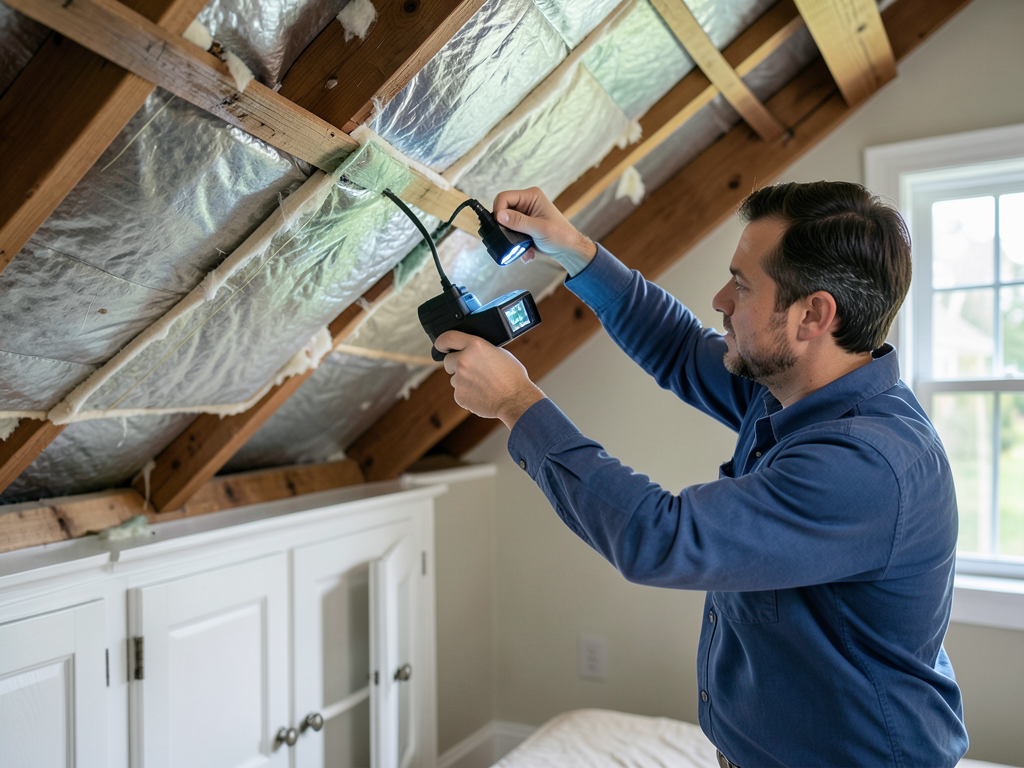
Why Your Saugus Home Needs Better Attic Insulation Before You Replace the Furnace Many Saugus homeowners rush to replace their furnace when energy bills spike, but the real culprit might be hiding above your head.…
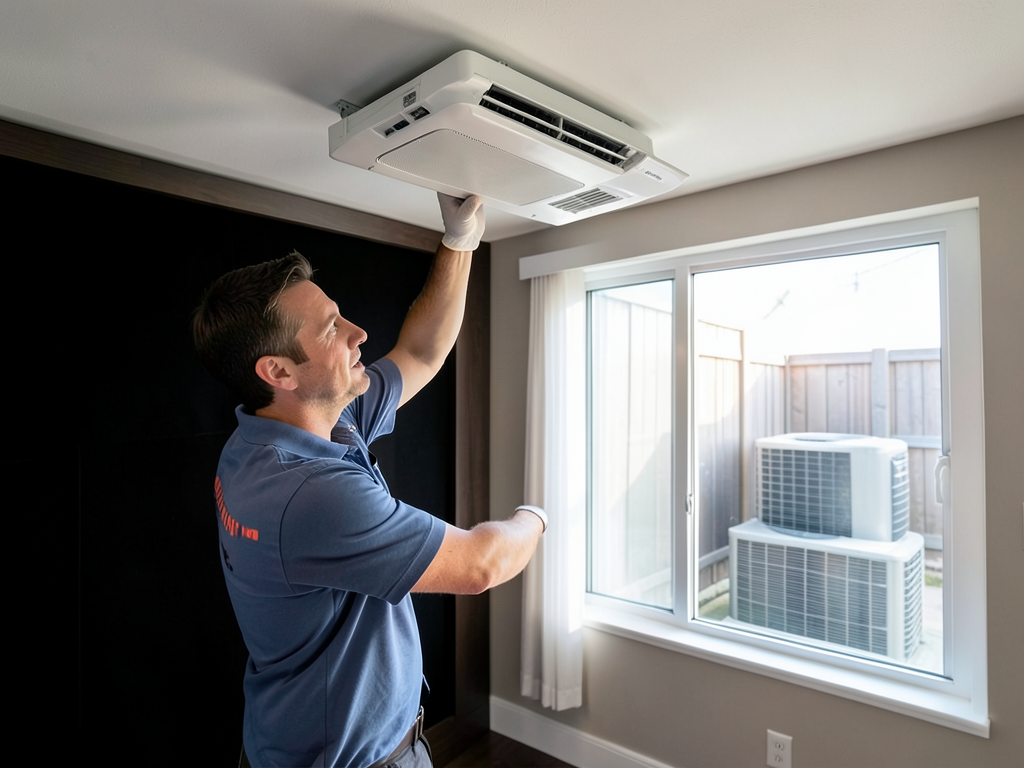
Finding a Silent HVAC Solution for Your Home Theater or Media Room in Wellesley If…
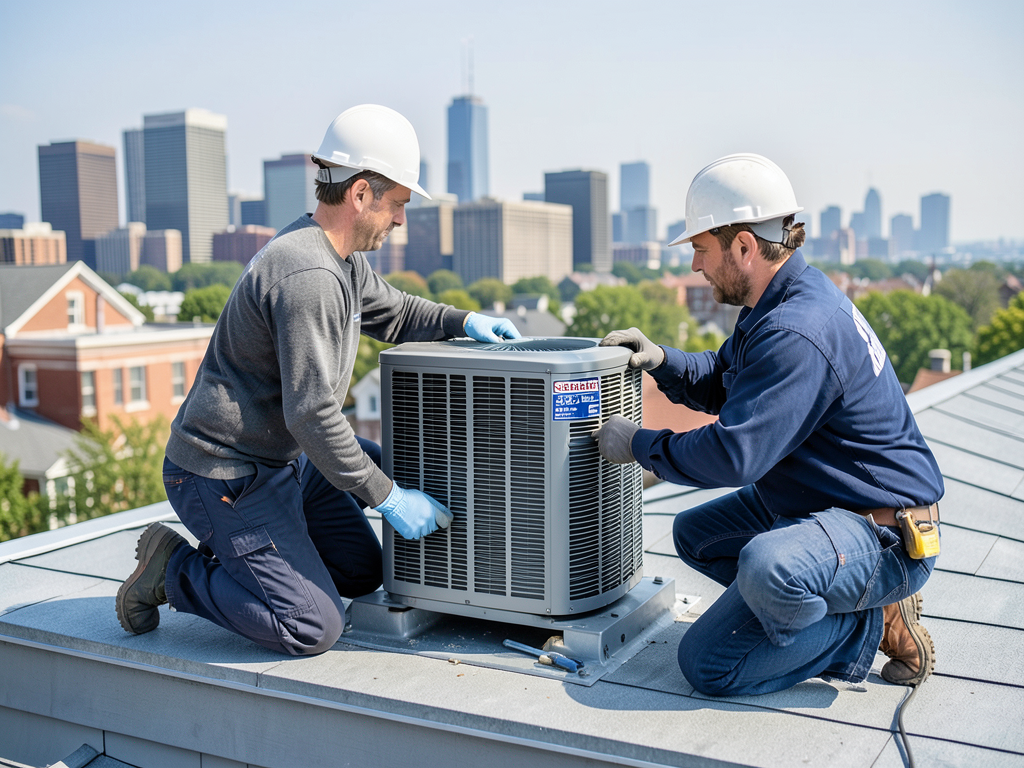
What the New SEER2 Efficiency Standards Mean for Your Next Boston AC Upgrade The Department…

Large multi-story homes in Newton often suffer from uneven temperatures where some rooms feel like…
Don't wait for a small problem to become an expensive emergency. Call Titan HVAC Boston now at (617) 758-1599 for same-day service. Our certified technicians are ready to restore your comfort with transparent pricing and professional workmanship.