




Menu

Short Cycling in Boston – Expert Diagnosis and Permanent Repair for AC and Furnace Systems

When your AC or furnace keeps turning on and off every few minutes, you need technicians who understand the root cause, not just the symptoms. Titan HVAC Boston delivers accurate diagnostics and complete short cycling solutions for Boston homes and businesses.

Slider Image 1
Slider Image 2
Slider Image 3
Slider Image 4
Slider Image 5
Slider Image 7
Slider Image 8
Slider Image 9
Slider Image 10
Slider Image 11

Why Your HVAC System Keeps Turning On and Off Every Few Minutes

You hear it again. The AC kicks on, runs for two minutes, then shuts off. Three minutes later, it starts again. This is HVAC rapid cycling, and it is destroying your system while driving up your energy bills.

Short cycling happens when your air conditioner or furnace repeatedly turns on and off without completing a full heating or cooling cycle. The compressor or burner fires up, shuts down prematurely, then restarts moments later. This constant stopping and starting places extreme stress on the compressor, blower motor, and electrical components.

Boston's humid summer climate makes this problem worse. When your AC turns on and off repeatedly, it never runs long enough to remove humidity from the air. You end up with a damp, uncomfortable home even though the system is running constantly. In winter, furnace short cycling means uneven heating and cold spots throughout your house.

The causes range from simple to complex. An oversized system for your square footage will always short cycle because it satisfies the thermostat too quickly. A clogged air filter restricts airflow and triggers the high-limit switch. Refrigerant leaks cause low pressure cutouts. Failing capacitors prevent the compressor from starting properly. Dirty evaporator coils freeze up and force the system to shut down.

You cannot fix this by ignoring it. Every short cycle adds wear equivalent to a full startup sequence. The compressor is designed for maybe 8 to 10 starts per hour maximum. When your air conditioner short cycles, you might see 20 or 30 starts in that same hour. The motor burns out faster. The contactors pit and fail. The thermostat loses calibration.

Boston homeowners often mistake short cycling for a working system. The unit is running, so it must be fine. But if your system kicks on and off without completing a full cycle, you have a problem that will only get worse and more expensive.

Why Your HVAC System Keeps Turning On and Off Every Few Minutes
How We Diagnose and Fix HVAC Rapid Cycling

How We Diagnose and Fix HVAC Rapid Cycling

We do not guess. We measure, test, and verify before we touch a single component.

First, we check the basics that other techs skip. We measure actual airflow across the evaporator coil using a digital anemometer. If airflow is below 400 cubic feet per minute per ton of cooling, we have identified restriction. We inspect the filter, the return plenum, and the ductwork for blockages or undersized returns.

Next, we verify refrigerant charge using subcooling and superheat measurements, not just static pressure. A system can show normal pressure on the gauges but still be 15% low on refrigerant. That causes the low-pressure switch to trip repeatedly, forcing the system to cycle off before the space cools down.

We test capacitors under load, not with a simple ohm reading. A capacitor can test good when the system is off but fail to hold voltage when the compressor starts. This creates a situation where the compressor tries to start, pulls excessive amperage, then trips the overload. The system cools down, tries again, and the cycle repeats.

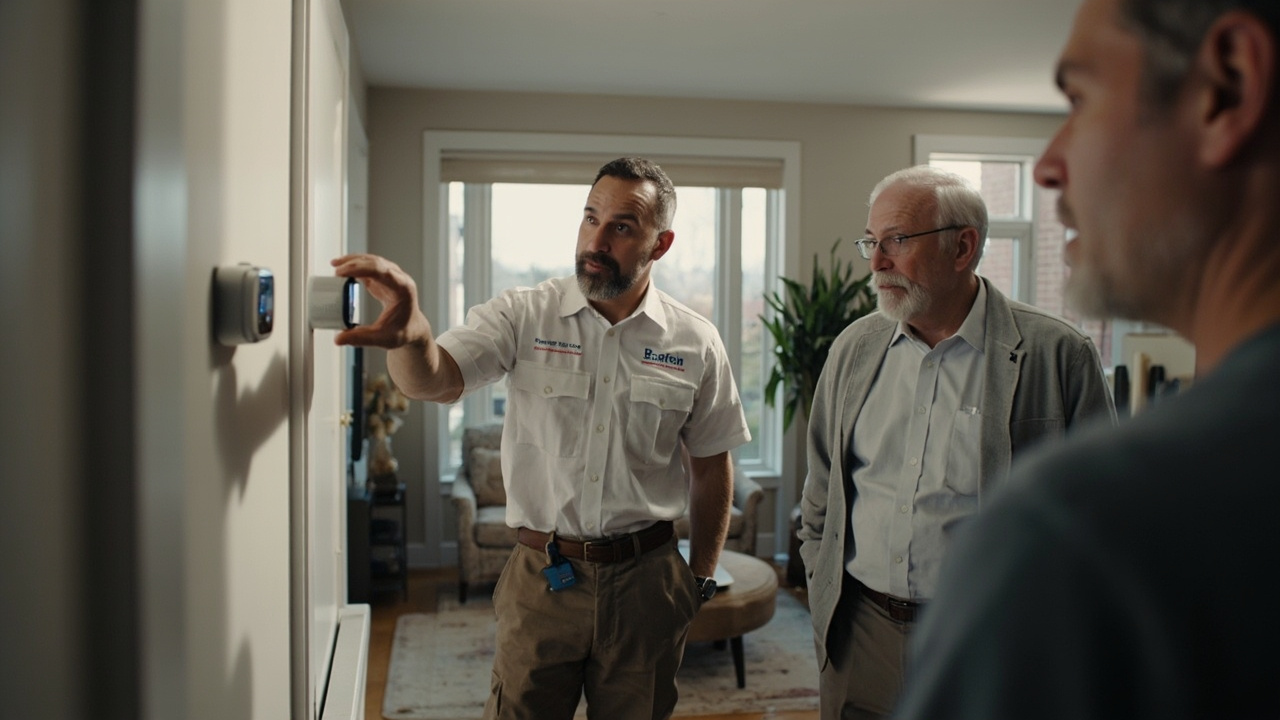
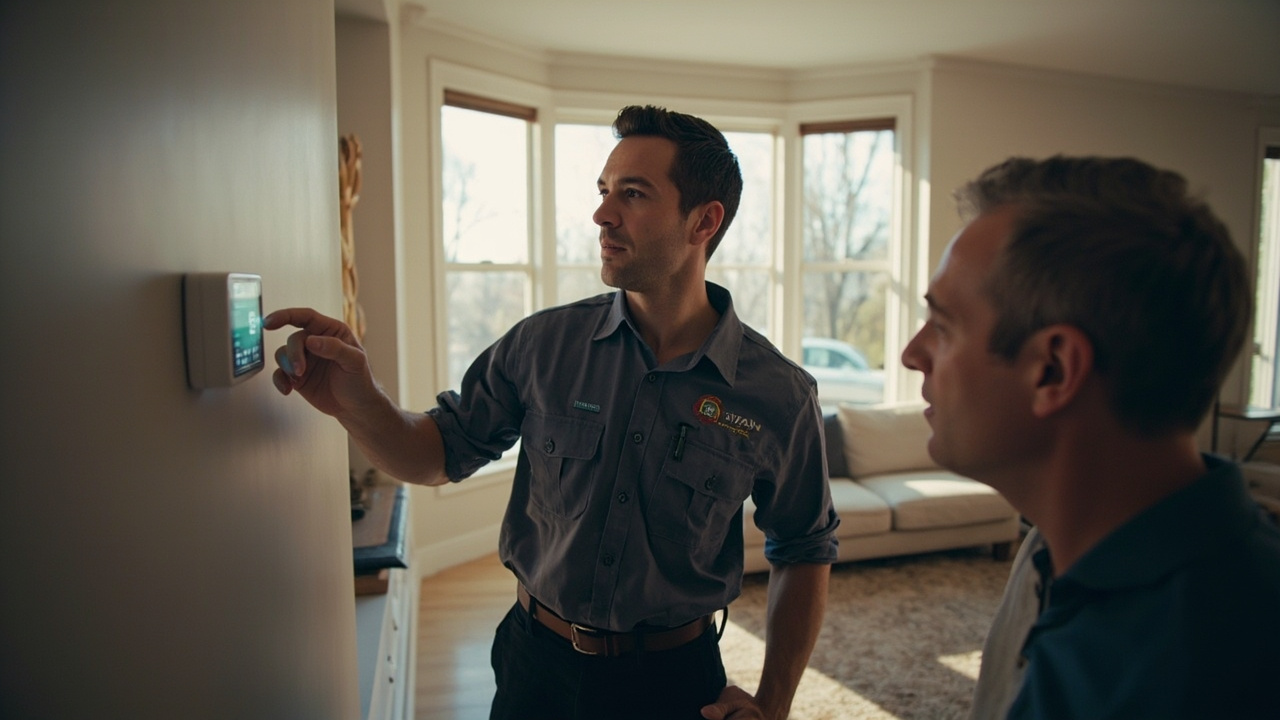
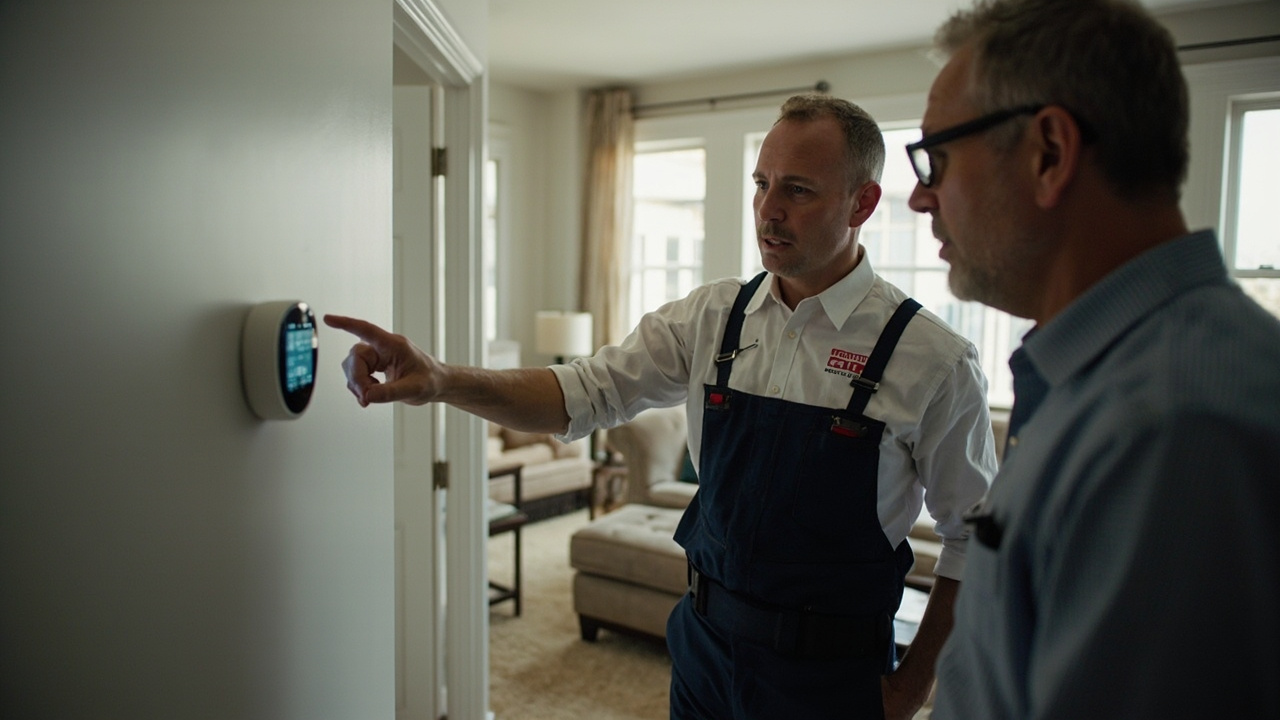
Thermostat placement matters more than most people realize. If your thermostat sits near a window, a heat source, or in direct sunlight, it reads a false temperature. The system satisfies the thermostat before the rest of the house reaches temperature. We check thermostat location, calibration, and anticipator settings on older mechanical stats.

For furnaces, we measure temperature rise across the heat exchanger. If the blower is undersized or the gas valve is overfiring, the high-limit switch will trip and shut down the burner prematurely. The furnace cools, the limit resets, and the cycle starts again.

We also verify the system is properly sized for your home. An oversized unit will always short cycle because it has too much capacity for the space. This is common in Boston triple-deckers and older homes where previous owners installed the biggest unit that would fit rather than calculating the actual load.

Once we identify the root cause, we fix it correctly. That might mean replacing a failed component, adjusting airflow, correcting refrigerant charge, or relocating a thermostat. We do not sell you a new system unless the existing equipment is truly beyond repair.

What Happens When You Call About a Short Cycling System

Short Cycling in Boston – Expert Diagnosis and Permanent Repair for AC and Furnace Systems
01

Initial System Evaluation

We start by observing the system through multiple cycles while recording temperatures, pressures, and runtime data. This tells us whether the problem is mechanical, electrical, or related to system sizing. We check amp draw on all motors and verify the thermostat is calling for cooling or heating correctly. This baseline data guides every decision we make during diagnosis.
02

Component Testing and Measurement

We test each component that can cause short cycling using calibrated instruments. Capacitors get tested under load. Contactors get inspected for pitting and measured for voltage drop. Refrigerant charge gets verified using manufacturer specifications for subcooling and superheat. Airflow gets measured at the registers and across the coil. We verify limit switches, pressure switches, and safeties are functioning within range.
03

Repair and Verification

After identifying the failure point, we make the repair and verify the system completes full cycles without premature shutoff. We monitor the unit through at least three complete cycles to confirm stable operation. You get a detailed explanation of what failed, why it failed, and what we did to fix it. We also provide guidance on preventing future issues through proper maintenance and filter changes.

Why Boston Homeowners Trust Us for Short Cycling Repairs

Boston's housing stock presents unique challenges that require local knowledge. We work on everything from brick brownstones in Back Bay to vinyl-sided colonials in Dorchester. Each building type has different ductwork configurations, insulation levels, and space constraints that affect HVAC performance.

Triple-deckers are notorious for short cycling issues because the ductwork was often added decades after the building was constructed. The returns are undersized, the supply runs are too long, and the equipment is frequently oversized for the actual load. We have diagnosed hundreds of these systems and know exactly where to look for problems.

Older homes in neighborhoods like Beacon Hill and the South End often have outdated thermostats or improperly located thermostats that cause false readings. We know the common retrofit mistakes because we fix them regularly. When a previous contractor installed a programmable thermostat without checking the anticipator setting or verifying wire compatibility, we know how to correct it.

Boston's summer humidity is another factor. Systems that work fine in dry climates will short cycle here because the latent load is higher. The evaporator coil needs adequate runtime to remove moisture from the air. When the system cycles off too quickly, the humidity stays high and the house feels uncomfortable even though the thermostat shows the right temperature.

We also understand the seasonal transitions Boston experiences. Spring and fall create light load conditions where even a properly sized system might short cycle if the thermostat differential is set incorrectly. We adjust controls to match seasonal demands rather than just focusing on peak summer or winter performance.

You want a company that shows up on time, diagnoses the problem correctly the first time, and fixes it without selling you unnecessary equipment. We have built our reputation on accurate diagnostics and honest recommendations. When we tell you what is wrong, you can trust it. When we say you need a repair, you need it. When we say the system is fine and just needs adjustment, that is exactly what we do.

Titan HVAC Boston has worked in every neighborhood from Allston to West Roxbury. We know the local building codes, the common system configurations, and the typical failure points for equipment in this climate. That experience translates into faster diagnosis and permanent repairs.

What You Can Expect From Our Short Cycling Repair Service

Fast Response Times

Short cycling destroys your compressor and drives up your electric bill with every cycle. We schedule service calls within 24 hours for most situations and offer same-day appointments when available. Our trucks carry the most common failure components like capacitors, contactors, and thermostats so we can complete repairs on the first visit. You get a confirmed arrival window, not an all-day wait. Our technicians call 30 minutes before arrival so you know exactly when to expect us.

Thorough Diagnostic Process

We spend the time necessary to identify the actual cause of short cycling rather than replacing parts randomly. You get a complete system evaluation that includes airflow measurement, refrigerant charge verification, electrical testing, and control sequence analysis. We explain what we find in clear terms and show you the failed component or the measurement that is out of range. Before we perform any repair, you know exactly what is wrong, why it happened, and what we recommend. No surprises, no guesswork.

Permanent Solutions

We fix the root cause, not just the symptom. If your system is short cycling because of low refrigerant, we find and repair the leak before recharging. If the problem is a failed capacitor, we verify why the capacitor failed so it does not happen again in six months. If the system is oversized, we discuss options for proper dehumidification and comfort. After the repair, we verify the system completes full cycles and reaches temperature correctly. You get equipment that works the way it was designed to work.

Ongoing Maintenance Support

Many short cycling problems develop gradually due to dirty coils, clogged filters, or declining capacitor performance. We offer maintenance plans that include seasonal inspections, coil cleaning, and component testing before small issues become expensive failures. You get priority scheduling, discounted service rates, and the peace of mind that comes from knowing your system is monitored by professionals. We track your equipment history so we can identify patterns and catch problems early. Regular maintenance extends equipment life and prevents the kind of neglect that leads to rapid cycling.

Frequently Asked Questions

You Have Questions,
We Have Answers

What is the most common cause of short cycling? +

The most common cause of short cycling is an oversized HVAC system. When your unit is too large for your home's square footage, it cools or heats the space too quickly, then shuts off before completing a full cycle. In Boston's older housing stock, many systems were improperly sized during retrofits. Other frequent culprits include dirty air filters restricting airflow, refrigerant leaks, faulty thermostats placed near heat sources, and clogged condensate drains. Boston's high humidity can accelerate filter clogging and condensate issues. A frozen evaporator coil, often from restricted airflow, also triggers short cycling.

How long is considered short cycling? +

A normal HVAC cycle runs 10 to 15 minutes before shutting off. Short cycling means your system runs for less than 8 minutes per cycle, sometimes as little as 2 to 3 minutes. If your furnace or air conditioner kicks on, runs briefly, shuts off, then repeats this pattern multiple times per hour, you have short cycling. In Boston winters, a properly sized heating system should run longer cycles during cold snaps. If your system constantly starts and stops during typical New England weather, you need professional diagnosis. The compressor needs adequate runtime to operate efficiently and prevent premature failure.

How do you fix short cycling? +

Fixing short cycling depends on the root cause. Start by replacing your air filter if it's clogged. Check your thermostat placement and settings. If the thermostat sits near a window or heat source, it reads false temperatures. For refrigerant leaks, frozen coils, or oversized equipment, you need a licensed HVAC technician. In Boston's older homes with cast iron radiators or forced air conversions, system sizing errors are common. A technician performs a Manual J load calculation to verify proper sizing. They may need to adjust refrigerant levels, clean coils, repair ductwork leaks, or replace the thermostat. Never ignore short cycling.

What is the meaning of short cycling? +

Short cycling means your HVAC system turns on and off in rapid succession without completing a full heating or cooling cycle. Instead of running 10 to 15 minutes to reach the thermostat setpoint, the unit runs for just a few minutes, shuts down, then restarts shortly after. This abnormal behavior wastes energy, drives up utility bills, and causes excessive wear on your compressor and blower motor. In Boston's climate with temperature swings from below zero in winter to 90-plus in summer, short cycling prevents your system from properly dehumidifying in summer or maintaining consistent warmth in winter. It signals a mechanical or sizing problem.

How to tell if AC is short cycling? +

You notice short cycling when your air conditioner runs for 3 to 5 minutes, shuts off, then restarts within minutes. Listen for the compressor clicking on and off repeatedly. Check your thermostat. If the temperature never reaches the setpoint or fluctuates wildly, your system is short cycling. You'll hear the outdoor condenser unit starting and stopping frequently. Boston summers bring humid conditions, so if your home feels clammy despite the AC running, short cycling prevents proper dehumidification. Your energy bills spike because the system uses maximum power during startup without running long enough to cool efficiently. Count the cycles per hour.

How to unclog an expansion valve in a car? +

An expansion valve issue is automotive-specific, not HVAC related. If you're experiencing car AC problems in Boston traffic, the expansion valve controls refrigerant flow into the evaporator. A clogged valve restricts refrigerant, causing poor cooling. You cannot unclog it yourself. The valve contains a tiny orifice and spring mechanism requiring professional tools. A mechanic must recover the refrigerant, replace the valve or orifice tube, vacuum the system, and recharge it to manufacturer specifications. Contamination from compressor failure often clogs expansion valves. For home HVAC short cycling issues, the problem typically involves different components like thermostats, filters, or refrigerant levels.

How much does it cost to fix short cycling? +

Short cycling repair costs vary widely based on the cause. A simple fix like replacing a dirty filter costs under 50 dollars if you do it yourself. Thermostat replacement runs 150 to 400 dollars installed. Refrigerant leak repair and recharge costs several hundred dollars depending on leak location. If your system is oversized for your Boston home, replacement runs several thousand dollars. Compressor replacement on an existing unit costs 1,200 to 2,500 dollars. A frozen coil cleaning and airflow correction costs 200 to 500 dollars. Get a diagnostic from a licensed technician first. The inspection identifies the specific issue before you commit to repairs.

How long does it take to heat a house from 50 to 70? +

Heating a house from 50 to 70 degrees takes 2 to 5 hours depending on your system size, home insulation, and outdoor temperature. In a typical Boston triple-decker with average insulation, expect 3 to 4 hours on a cold day. Newer, well-insulated homes heat faster. Older Boston homes with single-pane windows, uninsulated walls, and air leaks take longer. Your furnace's BTU output matters. A properly sized system heats approximately 3 to 5 degrees per hour in winter conditions. If your home takes significantly longer, you may have inadequate insulation, ductwork leaks, or an undersized heating system. Never crank the thermostat higher to speed heating.

Why is my cycle suddenly so short? +

If your HVAC cycle suddenly shortened, something changed in your system. Check your air filter first. A clogged filter restricts airflow and causes rapid cycling. Your thermostat may have developed a fault or lost calibration. Recent weather changes stress the system differently. Boston's temperature swings from mild fall days to sudden cold snaps can expose marginal system issues. A refrigerant leak that slowly worsened finally triggers short cycling. Your blower motor or compressor may be failing. Ductwork that separated reduces airflow. If you recently had work done, a technician may have incorrectly adjusted settings. Call for professional diagnosis before the problem damages your compressor.

What is the $5000 AC rule? +

The 5,000 dollar AC rule is an insurance and tax guideline, not an HVAC technical term. If your air conditioner repair costs exceed 5,000 dollars and your unit is older, replacement often makes better financial sense than repair. Some insurance policies use this threshold for coverage decisions. The IRS previously used 5,000 dollars to distinguish repairs from capital improvements for rental property deductions. For Boston homeowners, the better metric is the 50 percent rule. If repair costs exceed 50 percent of replacement cost and your system is over 10 years old, replace it. Compare repair estimates against new high-efficiency system pricing and potential energy savings.

How Boston's Humidity and Temperature Swings Make Short Cycling Worse

Boston summers combine high temperatures with humidity levels that regularly hit 70% or higher. When your AC short cycles, it never runs long enough to remove moisture from the air. The compressor kicks on, cools the air slightly, then shuts off before the evaporator coil can condense water vapor. You end up with a 72-degree house that feels like 78 because the humidity is still high. This is particularly problematic in older Boston homes with limited ventilation and poor air sealing. The system runs constantly but never achieves real comfort because the cycles are too short to handle the latent cooling load.

We have worked in every Boston neighborhood and understand how local construction affects HVAC performance. The narrow lots in Charlestown and East Boston often mean condensing units are tucked into tight spaces with restricted airflow. The historic districts have limitations on equipment placement that can affect system efficiency. Multifamily buildings in Roxbury and Mattapan frequently have undersized electrical service that cannot support simultaneous compressor starts across multiple units. These local factors require experience and knowledge that only comes from years of working in this specific market. When you call Titan HVAC Boston, you get technicians who know this city.
HVAC Services in The Boston Area

We are proud to serve our valued clients across the entire region. Whether you're in the city center or a surrounding community, our dedicated team is ready to provide top-notch HVAC services right to your doorstep. You can locate our main office here, and we encourage you to reach out to schedule a service, explore our offerings, or discuss your heating and cooling needs with our expert team. We look forward to serving you!

Address:
Titan HVAC Boston, 94 Shirley St, Boston, MA, 02119

Additional Services We Offer

Our news updates

Latest Articles & News from The Blogs

Finding a Silent HVAC Solution for Your Home Theater or Media Room in Wellesley If you've ever had to pause…

Finding a Silent HVAC Solution for Your Home Theater or Media Room in Wellesley

Finding a Silent HVAC Solution for Your Home Theater or Media Room in Wellesley If you've ever had to pause…

What the New SEER2 Efficiency Standards Mean for Your Next Boston AC Upgrade

What the New SEER2 Efficiency Standards Mean for Your Next Boston AC Upgrade The Department of Energy rolled out new…

How Smart Vents Can Fix Hot and Cold Spots in Large Multi-Story Newton Homes

Large multi-story homes in Newton often suffer from uneven temperatures where some rooms feel like a sauna while others stay…

Contact Us

Every short cycle adds wear and costs you money. Call Titan HVAC Boston at (617) 758-1599 right now for fast diagnosis and permanent repair. We will identify the problem and fix it correctly the first time.