




Menu

Furnace Maintenance Checklist in Boston | Your Complete Seasonal Inspection Guide

Follow our comprehensive furnace maintenance checklist to protect your heating system through Boston's harsh winters, reduce energy waste, and catch small issues before they turn into expensive emergency repairs.

Slider Image 1
Slider Image 2
Slider Image 3
Slider Image 4
Slider Image 5
Slider Image 7
Slider Image 8
Slider Image 9
Slider Image 10
Slider Image 11

Why Boston Winters Demand Rigorous Furnace Maintenance

Boston's heating season stretches from October through April, forcing your furnace to work harder and longer than systems in milder climates. When temperatures drop below freezing for weeks at a time, a furnace failure is not just inconvenient. It can lead to frozen pipes, property damage, and unsafe living conditions.

The coastal humidity compounds the stress. Moisture infiltration corrodes heat exchangers faster and clogs air filters more quickly than in dry climates. Salt air from the harbor accelerates deterioration of outdoor components, particularly for homes in East Boston, Charlestown, and South Boston neighborhoods near the waterfront.

A proper annual furnace inspection list addresses these local challenges head-on. The preventative heating maintenance guide below covers every critical component that fails most often in New England climate conditions. You need to check burner assembly function, heat exchanger integrity, and carbon monoxide levels before the first hard freeze.

Most Boston homeowners wait until their system fails completely before calling for help. You end up paying emergency rates during the coldest week of January when every HVAC company has a three-day backlog. A seasonal furnace service schedule eliminates this risk entirely. You catch worn igniters, cracked heat exchangers, and failing blower motors when they are still fixable at standard rates.

The heating system maintenance steps in this guide follow the same sequence professional technicians use during tune-up calls. You can perform the visual checks yourself and know when to call Titan HVAC Boston for the technical work that requires diagnostic tools and EPA-certified refrigerant handling.

Why Boston Winters Demand Rigorous Furnace Maintenance
The 12-Point Furnace Tune-Up Checklist Boston Technicians Follow

The 12-Point Furnace Tune-Up Checklist Boston Technicians Follow

Professional furnace maintenance goes far beyond changing a filter. A complete furnace tune-up checklist addresses combustion efficiency, safety controls, airflow balance, and electrical connections. Each component affects how efficiently your system heats your home and how long it lasts before requiring replacement.

Start with the air filter. In Boston homes, filters clog faster due to higher humidity and older housing stock with more dust infiltration. Check your filter monthly during heating season. Replace it every 60 to 90 days depending on household conditions. A clogged filter forces the blower motor to work harder, increases energy consumption, and restricts airflow to the heat exchanger.

Next, inspect the flame sensor. This small metal rod sits in the burner assembly and proves that gas is igniting properly. Soot buildup prevents proper flame detection, causing nuisance shutdowns. Clean it gently with fine steel wool or emery cloth. If your furnace short-cycles or shuts down after 10 to 15 seconds, a dirty flame sensor is usually the culprit.

Check all visible electrical connections for corrosion or looseness. Vibration from the blower motor gradually loosens terminal screws over months of operation. A loose connection creates resistance, generates heat, and eventually fails completely. Tighten all accessible connections and look for discolored wires that indicate overheating.

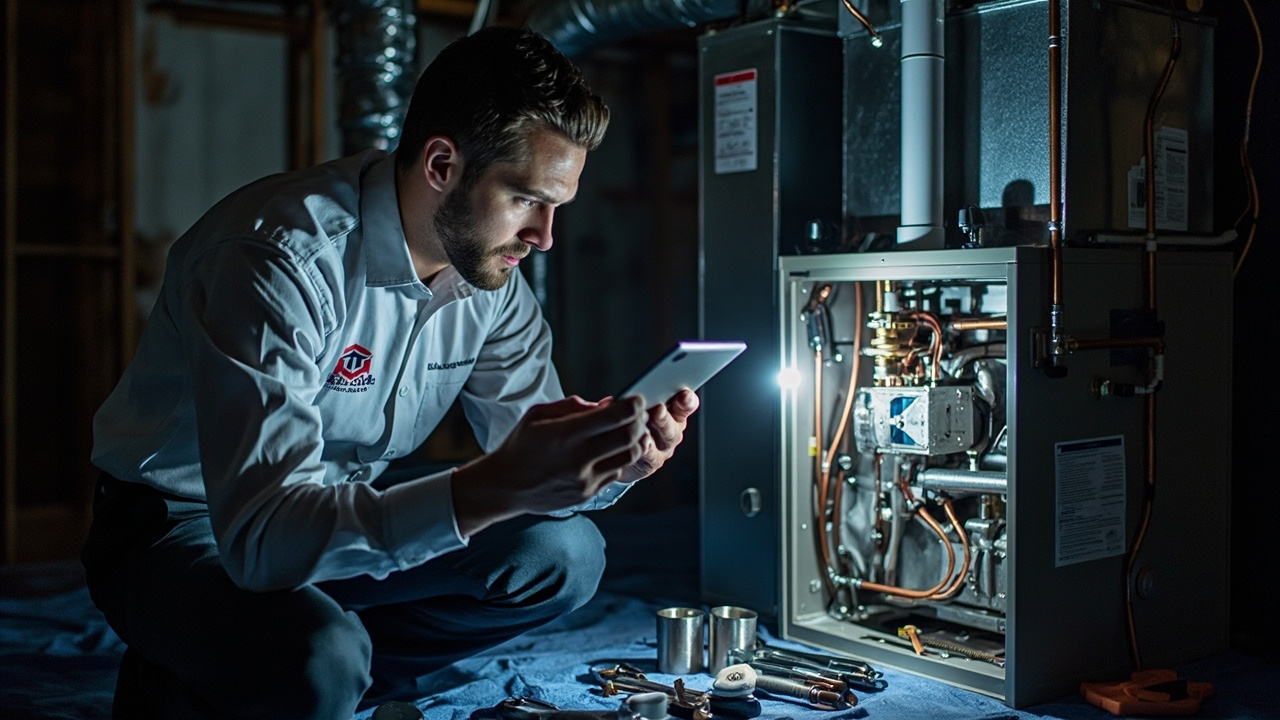
The heat exchanger requires visual inspection for cracks or holes. Combustion gases pass through the heat exchanger while blower air passes around the outside. A cracked heat exchanger allows carbon monoxide to mix with your home's air supply. This inspection requires removing the burner assembly and using a flashlight to examine all visible surfaces. If you see rust, corrosion, or any breach in the metal, replacement is the only safe option.

Condensate drain lines need annual cleaning to prevent water backup and system shutdown.

How Your Annual Furnace Inspection Works

Furnace Maintenance Checklist in Boston | Your Complete Seasonal Inspection Guide
01

System Performance Testing

We run your furnace through a complete heating cycle while measuring supply and return air temperatures, gas pressure, and amp draw on the blower motor. This baseline data reveals efficiency losses before they become obvious. Temperature splits should fall between 40 and 70 degrees depending on your system type. Lower splits indicate restricted airflow or low gas pressure. Higher splits suggest oversized equipment or ductwork problems.
02

Combustion Analysis

We insert a calibrated flue gas analyzer into the exhaust stream to measure oxygen levels, carbon monoxide production, and combustion efficiency. Proper combustion requires precise air-to-fuel ratios. Too much air wastes energy by heating excess oxygen. Too little air creates dangerous carbon monoxide. Boston's variable natural gas pressure requires periodic burner adjustment to maintain safe, efficient operation. We adjust the gas valve if readings fall outside manufacturer specifications.
03

Safety Control Verification

We test every safety control to confirm proper function under actual operating conditions. This includes the high limit switch that prevents overheating, the pressure switch that proves proper venting, and the flame rollout switches that detect dangerous combustion problems. We intentionally trigger each safety device to verify it shuts down the system as designed. A failed safety control turns your furnace into a liability.

Why Boston Homeowners Trust Local HVAC Expertise

Boston's housing stock presents unique challenges that national chains and inexperienced technicians struggle to handle correctly. You have 100-year-old radiator systems converted to forced air, balloon-framed triple-deckers with shared ductwork between units, and brick row houses where outdoor equipment sits in narrow alleys with limited clearance.

Titan HVAC Boston technicians navigate these conditions daily. We know that South End brownstones often have undersized return air paths due to historic preservation restrictions. We understand that North End homes built before 1950 rarely have proper combustion air supply, requiring careful calculation to prevent backdrafting. We recognize that Cambridge triple-deckers need zone dampers to prevent first-floor overheating when the third floor finally reaches temperature.

Local building codes matter more than most homeowners realize. Boston requires specific clearances around gas appliances, particular venting materials for high-efficiency condensing furnaces, and carbon monoxide detectors within 10 feet of every bedroom. We pull permits when code requires it and document our work to protect your homeowner's insurance coverage.

The preventative maintenance approach we recommend reflects Boston's heating demands. Coastal homes need more frequent filter changes due to salt air infiltration. Homes near the Charles River or Boston Harbor face higher humidity that accelerates corrosion. Properties in Dorchester, Roxbury, and Mattapan built between 1920 and 1960 often have inadequate insulation that forces furnaces to cycle more frequently.

You also need a company that stocks parts for both new and old equipment. Boston homes run everything from 1980s Lennox units to brand-new Carrier high-efficiency systems. We maintain inventory for common failures across all major brands and ages. When a control board fails at midnight in January, we have the replacement part in our truck.

What to Expect During Your Furnace Maintenance Visit

Appointment Scheduling Flexibility

We schedule preventative maintenance appointments throughout September and October before the heating rush begins. You get priority booking, predictable arrival windows, and unhurried service. Fall tune-ups take 60 to 90 minutes depending on system age and complexity. We do not double-book appointments or rush through checklists to hit arbitrary quotas. You receive the same thorough inspection whether you call in September or November. Emergency repairs take priority during winter months, but scheduled maintenance customers get first access to appointment slots when weather turns cold.

Comprehensive System Assessment

Our technicians arrive with calibrated testing equipment, not just hand tools. We measure actual system performance against manufacturer specifications and document everything we find. You receive a written report showing combustion efficiency, temperature rise across the heat exchanger, blower motor amp draw, and safety control test results. We explain what each measurement means in plain language and show you any components that need attention now or in the near future. You make informed decisions based on data, not scare tactics or guesswork about what might fail.

Detailed Cleaning and Adjustment

We clean or replace your air filter, vacuum the blower assembly, clean the flame sensor, and remove debris from the condensate drain line. We lubricate bearings on older motors that have oil ports. We tighten electrical connections and test capacitor values. We adjust gas pressure if combustion analysis reveals the need. These steps improve efficiency by 5 to 15 percent on average and extend equipment life by preventing premature wear. Your furnace runs cleaner, quieter, and more reliably after proper maintenance.

Ongoing Maintenance Planning

We track your equipment age, maintenance history, and parts we replace over time. You get reminders when your next service comes due. We note components showing wear so you can budget for future repairs before they fail unexpectedly. If your furnace approaches 15 to 20 years old, we provide honest guidance on repair versus replacement based on projected costs over the next few years. Many Boston homeowners join our maintenance agreement program for priority scheduling, discounted repairs, and annual tune-ups that keep systems running efficiently through multiple decades of New England winters.

Frequently Asked Questions

You Have Questions,
We Have Answers

What maintenance should be done on a furnace? +

Furnace maintenance includes inspecting the heat exchanger for cracks, testing the ignition system, cleaning or replacing the air filter, and checking the blower motor and belt for wear. Technicians also test thermostat calibration, inspect the flue pipe for blockages, and verify proper gas pressure and burner flame patterns. In Boston, where winter temperatures regularly drop below freezing, technicians check condensate drain lines for freeze potential and ensure the exhaust vent is clear of ice buildup. Carbon monoxide testing is critical. This annual checklist prevents mid-winter breakdowns and keeps your system running efficiently through harsh New England cold snaps.

What is included in furnace tune up? +

A furnace tune up includes cleaning the burner assembly, inspecting the heat exchanger, testing the ignition system, and replacing the air filter. Technicians lubricate the blower motor, check electrical connections, test safety controls, and measure airflow. They also inspect the flame sensor, verify gas pressure, and test the thermostat response. Boston homes benefit from condensate line checks due to high humidity during shoulder seasons. The technician performs a combustion analysis to ensure efficient fuel burning and tests for carbon monoxide leaks. You receive a system performance report identifying any issues that could cause breakdowns during peak heating season.

What is the average cost to service a furnace? +

Standard furnace maintenance in Boston typically ranges from $100 to $200 for a single visit. Cost factors include system age, accessibility, and whether you need emergency service or standard scheduling. Many Boston HVAC companies offer service agreements that reduce per-visit costs and include priority scheduling during winter storms. Older furnaces or those with deferred maintenance may require additional repairs beyond basic service. Zone-heated homes common in Back Bay brownstones may cost more due to multiple units. The investment prevents expensive emergency repairs when temperatures plunge. Annual maintenance extends equipment life and maintains manufacturer warranty coverage.

What parts of a furnace need to be cleaned? +

The burner assembly requires cleaning to remove soot and carbon deposits that reduce efficiency. The blower compartment collects dust that restricts airflow and strains the motor. The flame sensor needs cleaning because buildup prevents proper ignition detection, causing short cycling. Air filters trap Boston's urban dust and pollen. The heat exchanger surface should be inspected and cleaned if accessible, though cracks require replacement. Condensate drain lines and pans need clearing to prevent water damage. In older Dorchester and Southie homes with original ductwork, register cleaning improves airflow. Clean components improve efficiency, reduce energy costs, and prevent carbon monoxide risks.

What is the $5000 rule? +

The $5,000 rule is a replacement guideline. You multiply the repair cost by the furnace age in years. If the result exceeds $5,000, replacement makes better financial sense than repair. For example, a $400 repair on a 15-year-old furnace equals $6,000, suggesting replacement. This rule considers that older furnaces have lower efficiency, higher operating costs, and increasing failure risk. Boston homeowners face additional factors like heating oil versus natural gas conversion costs and Massachusetts efficiency rebate programs. Modern furnaces deliver 95 percent efficiency compared to 60-70 percent for older units, reducing winter heating bills significantly in our extended heating season.

How do I service my furnace myself? +

You can replace the air filter monthly, clear debris from outdoor vents, and ensure registers are unblocked. Check the thermostat battery and verify proper temperature settings. Listen for unusual noises like grinding or squealing that indicate problems. However, Boston homeowners should not attempt gas line work, electrical repairs, or heat exchanger inspection. These require licensed technicians for safety and code compliance. Improper DIY work risks carbon monoxide leaks, fire hazards, and voided warranties. Massachusetts requires permits for certain furnace work. Annual professional maintenance catches problems you cannot see, like cracked heat exchangers or improper combustion, preventing dangerous situations.

What is the average cost of a full tune up? +

A comprehensive furnace tune up in Boston averages $150 to $250, depending on system type and home location. Oil furnaces typically cost more than gas furnaces due to additional cleaning requirements and nozzle replacement. Multi-zone systems common in Cambridge triple-deckers increase costs. Service agreements often reduce individual visit costs while including priority emergency service during blizzards. The tune up includes all inspection, cleaning, testing, and minor adjustments. Major repairs like blower motor replacement or control board fixes cost extra. This preventive investment saves money compared to emergency service calls during January cold snaps when rates increase and technician availability drops.

What is the most expensive part to fix on a furnace? +

The heat exchanger is the most expensive furnace component, costing $1,200 to $2,500 for parts and labor. Cracks in the heat exchanger require immediate replacement because they allow carbon monoxide to enter your home. The blower motor runs $400 to $600. Control boards cost $200 to $600. Gas valves run $300 to $500. In Boston's older housing stock, particularly Roxbury and Mattapan neighborhoods, aging furnaces frequently develop heat exchanger cracks from decades of freeze-thaw cycling. Because heat exchanger replacement approaches new furnace costs, most homeowners choose full system replacement, especially when the unit exceeds 15 years old.

How do I know if my furnace needs a tune up? +

Your furnace needs a tune up if you notice yellow burner flames instead of blue, indicating incomplete combustion. Increased energy bills suggest declining efficiency. Unusual noises like banging, squealing, or grinding signal mechanical problems. Frequent cycling or inability to maintain temperature indicates control issues. Dust accumulation around registers or stale air suggests airflow problems. In Boston, schedule annual maintenance before October to avoid pre-winter scheduling rushes. If your last service exceeded 12 months, book immediately. Homes heated with oil should service before each heating season. Carbon monoxide detector alerts require immediate professional inspection, not just a tune up.

How long does furnace maintenance take? +

Standard furnace maintenance takes 60 to 90 minutes for a thorough inspection and tune up. Oil furnaces require additional time for combustion chamber cleaning and nozzle replacement. Multi-zone systems in Jamaica Plain or South End row houses take longer due to multiple air handlers. Severely neglected furnaces may need extended cleaning time. If the technician discovers needed repairs like a failing blower motor or cracked heat exchanger, diagnostic and repair time extends the visit. Boston HVAC technicians often schedule longer windows during peak season due to traffic and parking challenges. Quick 20-minute visits lack thoroughness. Proper maintenance requires time to test safety systems and ensure reliable operation.

How Boston's Freeze-Thaw Cycles Impact Furnace Reliability

Boston's winter temperature swings stress heating systems more than steady cold. You wake up to 15 degrees, reach 35 by afternoon, then drop back to 20 overnight. Your furnace cycles on and off constantly instead of running steadily. Each startup strains electrical components and creates thermal expansion stress on the heat exchanger. The flame sensor cools completely between cycles, making ignition less reliable over time. Condensing furnaces face additional challenges because condensate freezes in drain lines during cold snaps, causing water backup and safety shutdowns. A complete annual furnace inspection list addresses these Boston-specific failure points before they leave you without heat.

Massachusetts requires all HVAC technicians to hold active refrigeration licenses through the Division of Professional Licensure. Titan HVAC Boston employs only licensed technicians who complete continuing education on updated building codes, new equipment technology, and safety protocols. We follow the Massachusetts Fuel Gas and Plumbing Code for all installations and repairs. We understand local permitting requirements and inspection procedures that out-of-state companies often miss. When you work with properly licensed local professionals, you protect your investment and maintain your homeowner's insurance coverage.
HVAC Services in The Boston Area

We are proud to serve our valued clients across the entire region. Whether you're in the city center or a surrounding community, our dedicated team is ready to provide top-notch HVAC services right to your doorstep. You can locate our main office here, and we encourage you to reach out to schedule a service, explore our offerings, or discuss your heating and cooling needs with our expert team. We look forward to serving you!

Address:
Titan HVAC Boston, 94 Shirley St, Boston, MA, 02119

Additional Services We Offer

Our news updates

Latest Articles & News from The Blogs

Finding a Silent HVAC Solution for Your Home Theater or Media Room in Wellesley If you've ever had to pause…

Finding a Silent HVAC Solution for Your Home Theater or Media Room in Wellesley

Finding a Silent HVAC Solution for Your Home Theater or Media Room in Wellesley If you've ever had to pause…

What the New SEER2 Efficiency Standards Mean for Your Next Boston AC Upgrade

What the New SEER2 Efficiency Standards Mean for Your Next Boston AC Upgrade The Department of Energy rolled out new…

How Smart Vents Can Fix Hot and Cold Spots in Large Multi-Story Newton Homes

Large multi-story homes in Newton often suffer from uneven temperatures where some rooms feel like a sauna while others stay…

Contact Us

Do not wait until the first cold snap to discover your furnace needs repair. Call Titan HVAC Boston today at (617) 758-1599 to schedule your annual furnace maintenance before the heating season rush begins. You get priority scheduling and peace of mind knowing your system will perform reliably all winter.