




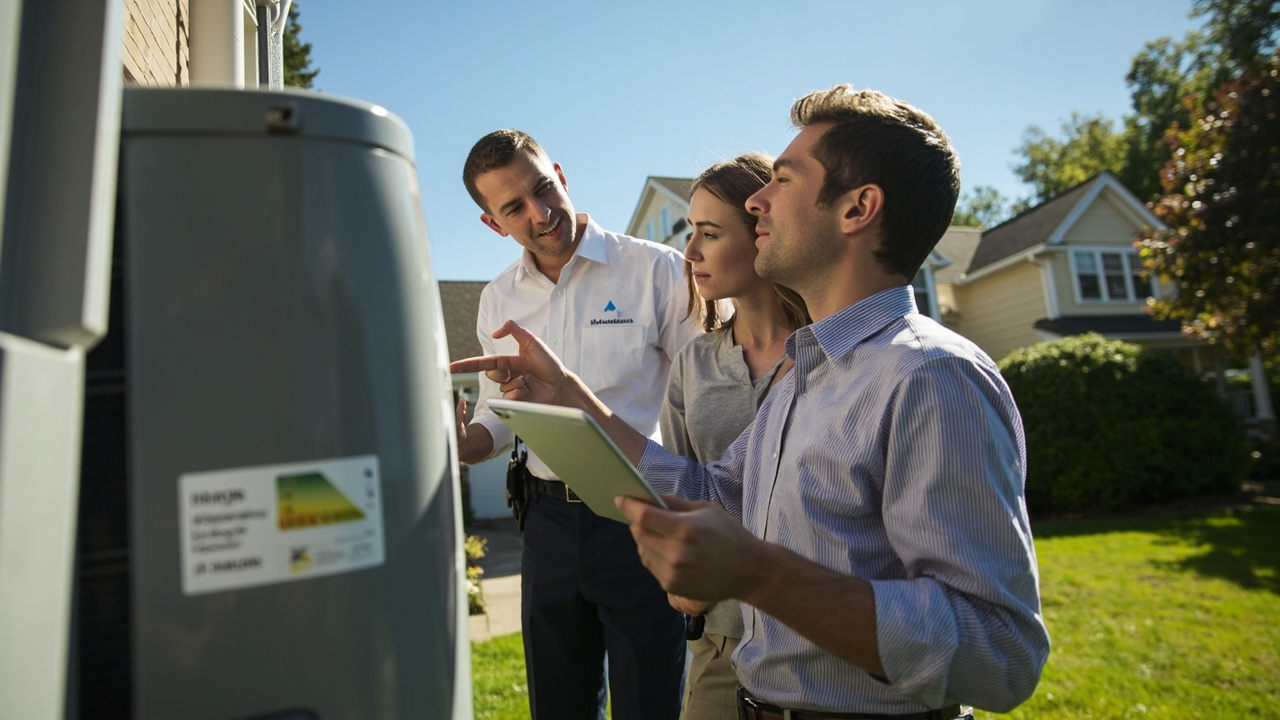


Boston's summer humidity levels average 65-75%, which forces air conditioners to work harder removing moisture than cooling air. Understanding SEER ratings becomes critical because the laboratory tests don't fully account for sustained high-humidity operation common from June through September. Systems spend more runtime in dehumidification mode, which affects actual efficiency compared to rated SEER. Boston's dense urban heat island effect in neighborhoods like Downtown and the North End adds 3-5 degrees to outdoor temperatures, pushing systems into higher-load conditions where SEER ratings drop. The seasonal energy efficiency ratio meaning assumes moderate climate conditions, but Boston's coastal humidity pattern creates operating conditions where real-world efficiency varies significantly from the label rating.
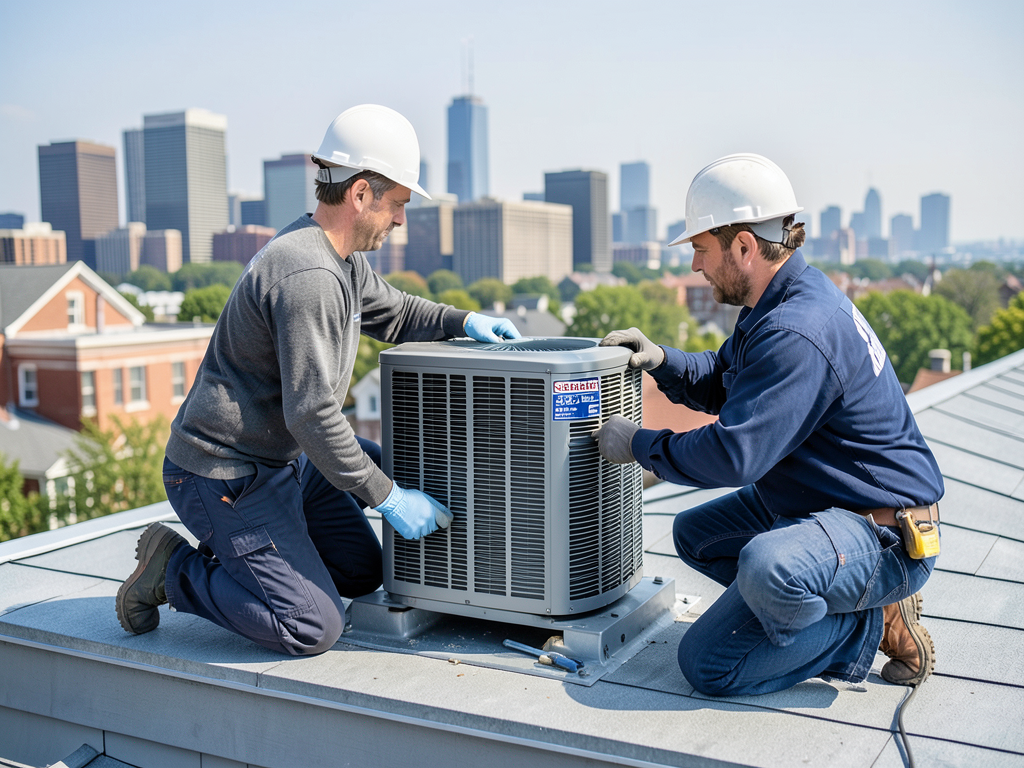
Boston's housing density and building age create installation challenges that affect SEER performance. Many triple-deckers and row houses lack space for optimal condenser placement, forcing compromises that reduce efficiency. Historical district regulations in Beacon Hill and Back Bay limit equipment visibility, requiring creative solutions that maintain aesthetics without sacrificing performance. Local HVAC contractors understand these constraints and know which high-SEER systems adapt to Boston's unique building stock. We work within city codes, historical preservation requirements, and the physical limitations of older construction to deliver maximum efficiency possible for your specific property, not theoretical laboratory conditions.