




Menu

Iced Up Evaporator Coil in Boston – Expert Diagnosis and Permanent Fix

When your air conditioner coil freezes up, you need technicians who understand the root cause, not just a temporary thaw. Our diagnostic approach identifies airflow restrictions, refrigerant leaks, and system imbalances that cause frozen cooling coils in Boston homes.

Slider Image 1
Slider Image 2
Slider Image 3
Slider Image 4
Slider Image 5
Slider Image 7
Slider Image 8
Slider Image 9
Slider Image 10
Slider Image 11

Why Your Evaporator Coil Keeps Freezing in Boston Homes

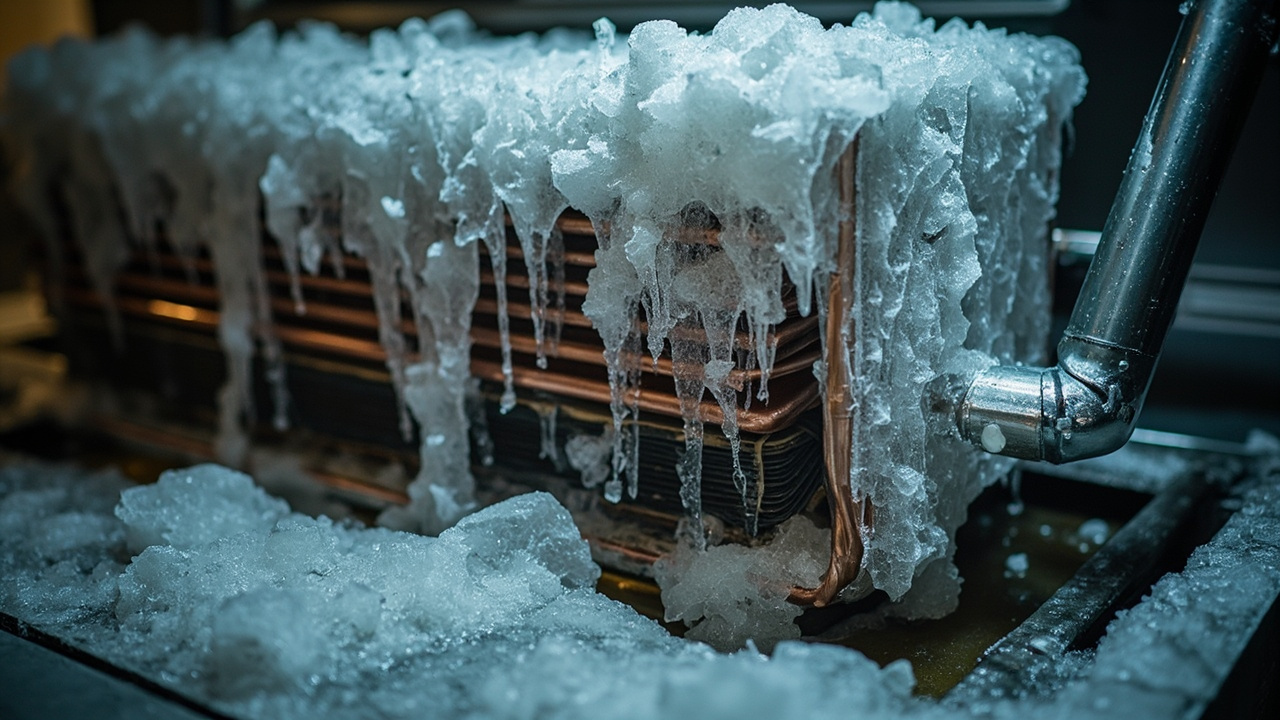
You walk downstairs and see ice coating your indoor AC unit. The air feels stuffy. Your system is running but not cooling. An iced over evaporator coil is not normal, and it signals a serious system problem that will not fix itself.

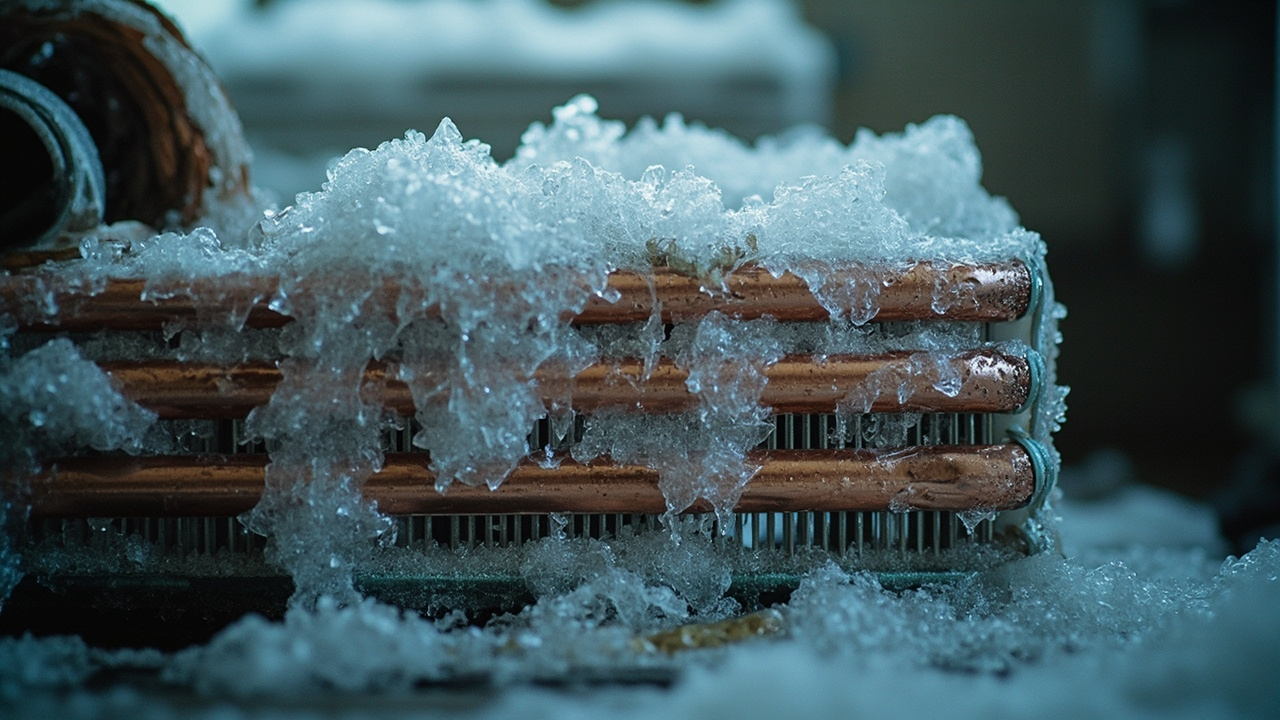
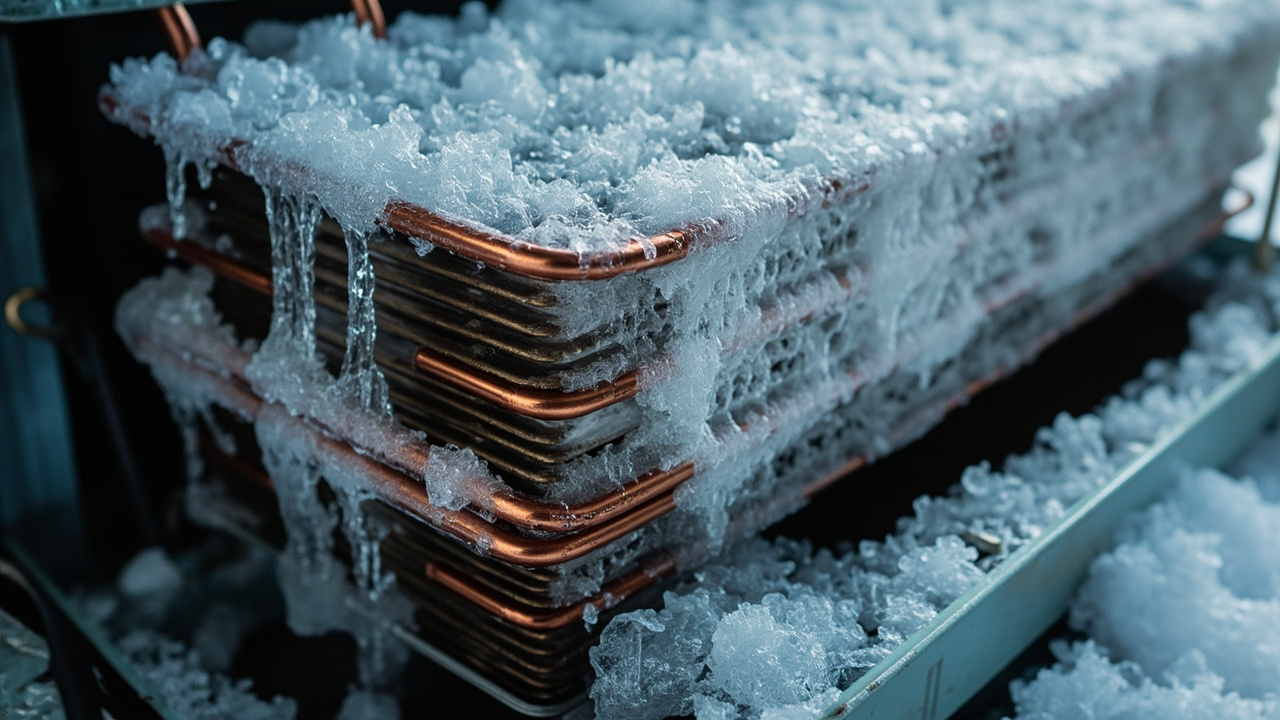
Boston's high summer humidity makes frozen ac evaporator coil issues more common than you think. When indoor coils drop below 32 degrees, moisture in the air crystallizes on the fins. This happens for three main reasons: restricted airflow from clogged filters or blocked return vents, low refrigerant levels caused by leaks in the line set, or a failing blower motor that cannot move enough air across the coil.

Many Boston homes built before 1980 have undersized return ducts. This creates negative pressure that starves the evaporator of airflow. Add a dirty filter, and the coil temperature plummets. Refrigerant leaks are also common in older systems. When refrigerant charge drops even 10 percent below specification, the remaining refrigerant absorbs more heat per molecule, causing the coil surface temperature to crash.

You cannot just turn off the system, let it thaw, and hope the problem disappears. Ice on evaporator coil means something in your system is broken or out of balance. Running the system while frozen damages the compressor. The ice acts as an insulator, forcing the compressor to work harder and overheat. If you ignore a frozen coil, you risk a $2,000 compressor replacement instead of a $300 repair.

The fix requires diagnosis, not guesswork. Technicians must measure airflow with a manometer, check refrigerant charge with gauges, and inspect the blower assembly. Anything less is a band-aid.

Why Your Evaporator Coil Keeps Freezing in Boston Homes
How We Diagnose and Repair Frozen Cooling Coils the Right Way

How We Diagnose and Repair Frozen Cooling Coils the Right Way

Most companies thaw the coil and leave. We find the root cause and fix it permanently. Our diagnostic process starts with a full system pressure test. We attach manifold gauges to the service ports and measure suction pressure, discharge pressure, and subcooling. Low suction pressure below 60 psi indicates a refrigerant leak or airflow restriction. High superheat above 20 degrees confirms undercharge.

Next, we measure static pressure across the evaporator coil using a digital manometer. Proper airflow requires 0.5 inches of water column or less across the coil. If static pressure exceeds 0.8 inches, we know the filter is clogged, the ductwork is undersized, or the blower wheel is coated in dust. We pull the blower assembly and inspect the wheel. A dirty blower wheel reduces CFM by 30 percent, even with a clean filter.

We also check the metering device. Boston systems use either a thermal expansion valve or a fixed orifice. A stuck TXV will starve the evaporator of refrigerant, causing localized freezing on the first few rows of coil fins. We measure the temperature drop across the valve body with an infrared thermometer. A 40-degree drop indicates a restriction.

If we find a refrigerant leak, we use electronic leak detectors and UV dye to pinpoint the exact location. Most leaks occur at the flare fittings on the line set or at the evaporator coil connections inside the air handler. We repair the leak, evacuate the system to 500 microns, and recharge to manufacturer specifications using a calibrated scale.

After the repair, we verify airflow with a flow hood at each supply register. Proper airflow should deliver 400 CFM per ton of cooling. We document baseline readings so you can compare future service calls.

What Happens During an Evaporator Coil Freeze-Up Service Call

Iced Up Evaporator Coil in Boston – Expert Diagnosis and Permanent Fix
01

System Shutdown and Safety

We immediately turn off the AC at the thermostat and breaker to prevent compressor damage. Ice must thaw completely before diagnosis begins. We use fans to accelerate thawing and place towels around the air handler to catch condensation. Forcing the system to run while frozen will destroy the compressor. Thawing takes 60 to 90 minutes depending on ice thickness.
02

Pressure Testing and Airflow Analysis

Once thawed, we connect refrigerant gauges and measure operating pressures while the system runs. We compare readings to the manufacturer's charging chart on the condenser label. We measure temperature split across the evaporator coil and static pressure across the filter. Low airflow or low refrigerant will show up in these measurements. We document every reading for comparison.
03

Repair and Verification Testing

After identifying the root cause, we complete the repair, whether it is a refrigerant leak, a clogged filter, or a failing blower motor. We restart the system and monitor for 20 minutes to confirm the coil stays above freezing. We measure supply air temperature, which should be 55 to 60 degrees. We recheck pressures and airflow to verify the system is balanced and operating within specifications.

Why Boston Homeowners Trust Us for Air Conditioner Coil Freezing Repairs

Boston's housing stock is old. Most triple-deckers and brownstones in Dorchester, Jamaica Plain, and South Boston were built before central air conditioning existed. These homes have ductwork that was retrofitted decades later, often undersized and poorly sealed. We understand the limitations of these systems and know how to optimize airflow in tight spaces.

We also understand Boston's climate. Summer humidity hovers around 70 percent, which means evaporator coils are constantly wet. This makes any airflow restriction more likely to cause freezing. A system that runs fine in dry climates will freeze up here if the airflow drops even 10 percent below specification. Our technicians are trained to account for local humidity when setting refrigerant charge and airflow.

Many Boston HVAC companies send undertrained techs who top off refrigerant without checking for leaks. This wastes your money and guarantees the problem will return in six months. We do not add refrigerant until we verify the system holds pressure. If there is a leak, we find it and fix it. No shortcuts.

We also carry parts for older systems. If you have a 15-year-old Carrier or Lennox system, we stock the blower motors, capacitors, and TXVs that fit your model. Most companies will tell you the part is discontinued and try to sell you a new system. We keep older equipment running as long as it makes financial sense.

Our technicians carry digital manifold gauges, manometers, and infrared thermometers on every truck. These are not cheap tools, but they allow us to measure what is actually happening inside your system instead of guessing. You deserve data-driven diagnosis, not gut feelings.

What to Expect When You Call Us for a Frozen Evaporator Coil

Same-Day Service Availability

We dispatch technicians within two hours for frozen coil emergencies. A frozen evaporator coil means your home is not cooling, and the compressor is at risk. We prioritize these calls because delay increases damage. Our trucks are stocked with common repair parts like capacitors, contactors, and refrigerant so we can complete most repairs on the first visit. You will not wait three days for a part to arrive.

Thorough Diagnostic Process

Our technicians spend 45 to 60 minutes diagnosing frozen coil issues. We do not rush. We measure refrigerant pressures, check airflow with a manometer, inspect the blower assembly, and test the metering device. You will receive a detailed explanation of what caused the freeze-up and what needs to be repaired. We show you the gauge readings and explain what they mean. No mystery, no upselling.

Permanent Fix, Not a Temporary Patch

We repair the underlying problem, whether it is a refrigerant leak, a clogged evaporator coil, or a failing blower motor. After the repair, we run the system for 20 minutes and verify operating pressures, airflow, and temperature split. The coil will not freeze again if the root cause is fixed. We do not just thaw the ice and hope for the best. You get a system that runs correctly and cools your home efficiently.

Follow-Up Support and Maintenance Plans

After the repair, we provide a written summary of what we found and what we fixed. We also recommend a maintenance schedule to prevent future freeze-ups. Most frozen coil issues are preventable with regular filter changes and annual coil cleaning. We offer maintenance plans that include two visits per year, priority scheduling, and discounted repair rates. Our plans keep your system running efficiently and catch small problems before they become expensive failures.

Frequently Asked Questions

You Have Questions,
We Have Answers

What is the best way to thaw out an iced up evaporator coil? +

Turn off your AC system immediately to stop further ice buildup. Switch your thermostat to fan mode only. This circulates warm air over the coil without running the compressor. Open your air vents and check your air filter. A clogged filter blocks airflow and causes freezing. Boston's summer humidity can slow the thaw process, so expect at least 2-4 hours for complete melting. Place towels under your indoor unit to catch dripping water. If ice remains after 8 hours or you see recurring problems, call a technician to check refrigerant levels and airflow issues specific to your system.

Will low refrigerant cause an evaporator to ice up? +

Yes. Low refrigerant is a leading cause of evaporator coil icing. When refrigerant levels drop, the remaining refrigerant expands too much and gets too cold inside the coil. This causes moisture in the air to freeze on contact. Refrigerant leaks happen from aging copper lines, failed connections, or corrosion from Boston's coastal salt air. You might notice reduced cooling, hissing sounds, or ice forming on refrigerant lines outside. Never add refrigerant yourself. A licensed technician must find the leak, repair it, then recharge to the exact factory specification for your system.

How to melt ice on an evaporator coil? +

Turn off your system at the thermostat and breaker to prevent compressor damage. Switch only the fan to ON to blow warm air across the coil. This is the safest method. Never chip, scrape, or use sharp tools on the coil. You will puncture the thin aluminum fins and cause a refrigerant leak requiring expensive repairs. Never use a hair dryer or heat gun. Uneven heating warps metal and damages electrical components. In Boston's humid summers, natural thawing takes 2-4 hours. Check your condensate drain pan for overflow during the melt.

What is the likely cause for heavy icing in the evaporator coil? +

Restricted airflow causes most evaporator icing. A dirty air filter is the top culprit. When air cannot move freely, the coil gets too cold and freezes condensation. Closed supply vents, blocked return grilles, or a failing blower motor also restrict airflow. Low refrigerant is the second major cause. It drops coil temperature below freezing. Dirty evaporator coils trap dust, reducing heat transfer. Boston homes with older ductwork may have undersized returns that starve the system of air. Refrigerant leaks, thermostat failures, and bad expansion valves also cause heavy icing requiring professional diagnosis.

Can I turn my AC back on after it thaws? +

Wait at least 24 hours before restarting your AC. Turning it back on immediately after thawing risks compressor damage from residual moisture and pressure imbalances. First, identify why it froze. Check your air filter. If dirty, replace it before restarting. Inspect supply vents to ensure they are open. Look for water damage around your indoor unit. If ice returns within hours of restarting, shut down immediately. You have an underlying problem requiring professional repair. Running a frozen system causes compressor failure, which costs thousands to replace in Boston's competitive HVAC market.

What is the most common cause of frozen evaporator coils? +

Dirty air filters cause most frozen evaporator coils. When filters clog with dust, pet hair, and pollen common in Boston homes, airflow drops below the minimum needed for proper operation. The coil cannot absorb enough heat, so it drops below 32 degrees and freezes condensation. Homeowners should check filters monthly during cooling season and replace every 30-90 days depending on usage. Low refrigerant from leaks is the second most common cause. Closed vents, dirty coils, failing blower motors, and bad thermostats also freeze coils but occur less frequently than filter neglect.

What is the $5000 AC rule? +

This informal guideline suggests replacing your entire AC system if a major repair costs more than $5000 and your unit is older than 10 years. It weighs repair cost against remaining lifespan. A $2000 compressor replacement might make sense on a 5-year-old system but not on a 15-year-old unit nearing failure. Boston's coastal climate ages HVAC equipment faster than inland areas due to salt air corrosion. Factor in efficiency improvements and potential utility rebates when deciding. This rule is not absolute. Consider total ownership cost, refrigerant type, and your home's comfort needs when making replacement decisions.

How long does it take for an AC evaporator coil to thaw? +

Complete thawing takes 2-8 hours depending on ice thickness and Boston's humidity levels. Light surface frost may melt in 2-3 hours. Heavy ice buildup covering the entire coil requires 6-8 hours. Turn off your AC and switch the fan to ON to circulate warm air. Higher humidity slows evaporation, extending thaw time. Never run your compressor while ice remains. Doing so damages components and risks flooding from rapid melting. Check the condensate drain pan hourly for overflow. If ice persists beyond 8 hours, you may have a drainage blockage or severe airflow restriction requiring professional attention.

What is the 3 minute rule for AC? +

The 3-minute rule prevents compressor damage during temperature adjustments. After shutting off your AC, wait at least 3 minutes before restarting. This allows refrigerant pressures to equalize between the high and low sides of the system. Starting the compressor against unbalanced pressure strains the motor and shortens its lifespan. This matters when testing your system after thawing a frozen coil or during thermostat adjustments. Most modern thermostats have built-in delay circuits that enforce this wait automatically. Older manual systems require you to watch the clock before flipping breakers back on after emergency shutdowns.

How long should I leave my AC off if it's frozen? +

Leave your AC off for at least 4-8 hours for complete thawing. Set your thermostat fan to ON to speed the process with warm air circulation. Light ice melts in 2-4 hours. Heavy buildup takes 6-8 hours in Boston's humid climate. After thawing, identify the cause before restarting. Check your air filter first. Replace if dirty. Inspect vents for blockages. Wait 24 hours before turning your system back on to ensure all moisture has evaporated from internal components. If freezing repeats within 24 hours of restart, call a technician immediately to prevent compressor failure.

How Boston's Humidity and Aging Ductwork Cause Frequent Evaporator Coil Freezing

Boston's summer dewpoint averages 65 degrees, which means the air holds a lot of moisture. When an evaporator coil drops below the dewpoint, condensation forms on the fins. If airflow is restricted, that condensation freezes. Many Boston homes have undersized return ducts because central air was added long after the house was built. A 1,500-square-foot home needs at least 600 CFM of return air, but older homes often have a single 14x20 return grille that delivers half that. This restricted airflow drops coil temperature below freezing, even when refrigerant charge is correct. Fixing frozen coils in Boston often requires ductwork modifications, not just refrigerant adjustments.

We have worked on HVAC systems in every Boston neighborhood, from the triple-deckers in Southie to the Victorian homes in Back Bay. We understand the quirks of older duct systems and know how to improve airflow without tearing apart walls. Boston homeowners need technicians who understand how humidity, duct design, and refrigerant charge interact. Cookie-cutter repairs do not work here. Our technicians are trained to adapt solutions to the realities of older homes and tight installation spaces. When you call us, you get someone who knows Boston buildings, not just textbook theory.
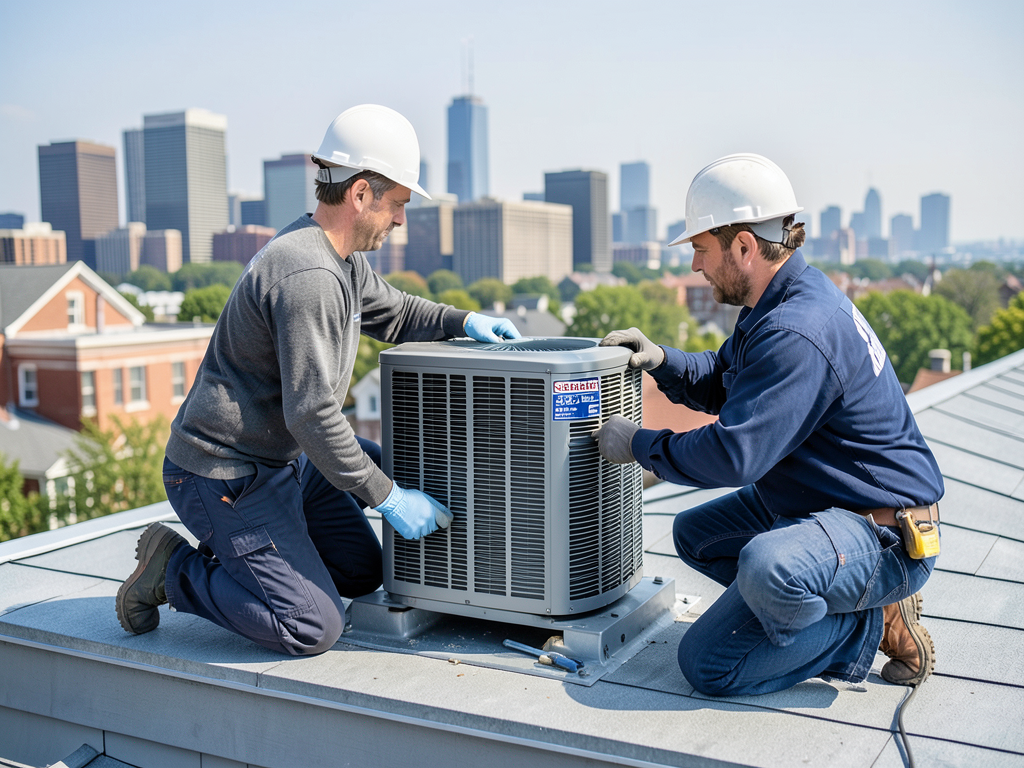
HVAC Services in The Boston Area

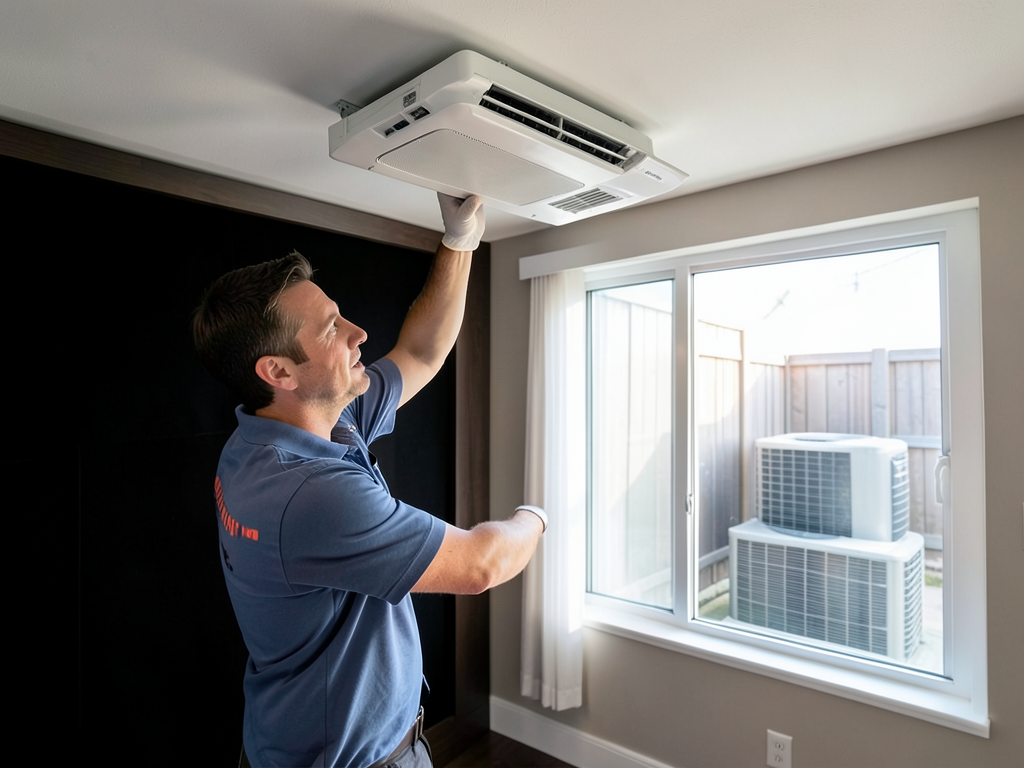
We are proud to serve our valued clients across the entire region. Whether you're in the city center or a surrounding community, our dedicated team is ready to provide top-notch HVAC services right to your doorstep. You can locate our main office here, and we encourage you to reach out to schedule a service, explore our offerings, or discuss your heating and cooling needs with our expert team. We look forward to serving you!

Address:
Titan HVAC Boston, 94 Shirley St, Boston, MA, 02119

Additional Services We Offer

Our news updates

Latest Articles & News from The Blogs

Finding a Silent HVAC Solution for Your Home Theater or Media Room in Wellesley If you've ever had to pause…

Finding a Silent HVAC Solution for Your Home Theater or Media Room in Wellesley

Finding a Silent HVAC Solution for Your Home Theater or Media Room in Wellesley If you've ever had to pause…

What the New SEER2 Efficiency Standards Mean for Your Next Boston AC Upgrade

What the New SEER2 Efficiency Standards Mean for Your Next Boston AC Upgrade The Department of Energy rolled out new…

How Smart Vents Can Fix Hot and Cold Spots in Large Multi-Story Newton Homes

Large multi-story homes in Newton often suffer from uneven temperatures where some rooms feel like a sauna while others stay…

Contact Us

Your frozen evaporator coil will not fix itself. Call Titan HVAC Boston at (617) 758-1599 right now. We will dispatch a technician today, diagnose the root cause, and get your system cooling again.