







Menu

Uneven Heating or Cooling in Boston – Expert Diagnosis and Permanent Solutions for Temperature Imbalances

Stop tolerating hot and cold spots in your home. Titan HVAC Boston uses advanced diagnostic tools and targeted airflow solutions to eliminate uneven heating or cooling in every room, restoring comfort without band-aid fixes.

Slider Image 1
Slider Image 2
Slider Image 3
Slider Image 4
Slider Image 5
Slider Image 7
Slider Image 8
Slider Image 9
Slider Image 10
Slider Image 11

Why Boston Homes Struggle with Inconsistent Room Temperatures

You walk upstairs and hit a wall of heat. The living room feels like a freezer while the bedroom stays stuffy. Different temperatures in each room are not a quirk of your home. They are a symptom of airflow problems, ductwork failures, or undersized equipment struggling against Boston's temperature swings.

Boston's climate makes home temperature imbalance worse. Winter lows routinely drop into the teens, forcing furnaces to work harder. Summer humidity spikes above 70 percent, pushing air conditioners to their limits. When your HVAC system cannot keep pace, hot and cold spots form in poorly insulated rooms, second floors with inadequate return air, or additions that were never integrated into the original duct design.

Older homes in neighborhoods like Beacon Hill, South End, and Jamaica Plain were built before forced air systems became standard. Retrofitting ductwork into these homes often creates undersized runs, kinked flex ducts, or blocked registers. Victorian-era homes with radiator heat often add mini-splits or window units, creating uneven airflow distribution that leaves some rooms comfortable and others unbearable.

Newer construction in Seaport and Dorchester faces different issues. Open floor plans with vaulted ceilings create thermal stratification, where warm air rises and stays trapped near the roofline. Poor zoning or single-thermostat systems cannot account for sun exposure differences between east-facing bedrooms and shaded living rooms. The result is the same frustration: you cannot get comfortable anywhere in your home.

Inconsistent room temperatures are not something you should tolerate. They signal real problems with your HVAC system that waste energy and shorten equipment life.

Why Boston Homes Struggle with Inconsistent Room Temperatures
How We Diagnose and Eliminate Temperature Imbalances

How We Diagnose and Eliminate Temperature Imbalances

Most HVAC companies guess at solutions. They add a booster fan or suggest closing vents in certain rooms. These shortcuts fail because they ignore the root cause. Titan HVAC Boston uses a diagnostic process that identifies exactly why your home has uneven heating or cooling.

We start with a room-by-room temperature mapping using infrared cameras and digital thermometers. This shows us where hot and cold spots exist and how severe the imbalance is. We measure static pressure in your ductwork to detect restrictions, leaks, or undersized supply runs. High static pressure means your blower motor is working too hard to push air through blocked or crimped ducts. Low pressure indicates leaks or disconnected sections.

Next, we test airflow at each register using a balometer. This tool measures cubic feet per minute, showing us which rooms are starved for air and which are getting too much. We inspect dampers, check for closed or blocked registers, and trace duct runs in attics, basements, and crawlspaces. In Boston's older homes, we often find original ductwork that was never sized for additions or finished basements.

We also calculate your home's Manual J heat load to verify your furnace or air conditioner is correctly sized. Oversized equipment short cycles, never running long enough to distribute air evenly. Undersized equipment runs constantly but cannot keep up with demand. Both scenarios create home temperature imbalance.

Once we have the data, we present solutions ranked by impact. This might include sealing duct leaks, adding return air pathways, installing zone dampers, or upgrading to a variable-speed blower that can adjust airflow based on real-time demand. Every recommendation is specific to your home's layout, construction, and existing equipment.

What Happens During Your Temperature Balance Assessment

Uneven Heating or Cooling in Boston – Expert Diagnosis and Permanent Solutions for Temperature Imbalances
01

Complete System Evaluation

We arrive with diagnostic equipment and walk through your home to document problem areas. You point out which rooms run hot or cold, and we take baseline temperature readings. We inspect your thermostat placement, ductwork access points, and equipment specifications. This initial walkthrough takes 30 to 45 minutes and gives us a clear picture of your system's current performance and limitations.
02

Airflow and Duct Testing

We measure static pressure at the plenum and test airflow velocity at every supply and return register. We use smoke pens to trace air movement and thermal imaging to spot duct leaks behind walls. We check damper positions, filter restrictions, and blower motor performance. This testing phase identifies bottlenecks, leaks, and design flaws causing uneven airflow distribution. We document everything with photos and pressure readings.
03

Solution Plan and Execution

We present a detailed report showing what we found and what needs to change. You see the data, not sales pitches. We explain which fixes deliver the biggest improvement and provide options at different price points. Once you approve the plan, we schedule the work and complete it without unnecessary delays. After repairs, we retest airflow and temperatures to confirm the problem is solved, not just masked.

Why Boston Homeowners Trust Titan HVAC for Temperature Balance Issues

Boston's housing stock is unlike anywhere else in the country. You have 19th-century brownstones next to modern condos, triple-deckers with shared HVAC systems, and single-family homes with additions tacked on over decades. Solving inconsistent room temperatures in these homes requires more than textbook knowledge. It requires experience with Boston's construction quirks and climate realities.

We understand how to work in tight attics with knob-and-tube wiring, how to route ductwork around cast iron plumbing, and how to integrate modern equipment into homes that were never designed for central air. We have seen every ductwork mistake contractors make during renovations, and we know how to fix them without tearing apart finished spaces.

Boston's energy codes are strict. Any ductwork modification requires sealing to specific leakage rates and insulation to minimum R-values. We follow the Massachusetts Stretch Energy Code when it applies and pull permits for any work that requires them. You will not get flagged during a home sale inspection because we cut corners.

We also understand the seasonal challenges Boston HVAC systems face. Your furnace has to handle single-digit overnight lows in January while your air conditioner battles 90-degree days with 80 percent humidity in July. Equipment that works fine in moderate climates fails here if it is not correctly sized, installed, and maintained. We design solutions that account for Boston's extremes, not national averages.

You hire us because we do not guess. We measure, diagnose, and fix the actual problem. You get a home where every room feels comfortable, and your equipment runs efficiently without fighting itself. That is the difference between a hack with a truck and a team that knows what they are doing.

What You Can Expect When You Call Titan HVAC Boston

Fast Response and Flexible Scheduling

We answer the phone when you call. No voicemail runaround. We schedule diagnostic appointments within 48 hours for most service areas in Boston, Cambridge, Brookline, Somerville, and surrounding communities. You get a two-hour arrival window, not an all-day wait. If you need evening or weekend availability, we make it work. Temperature imbalance is not an emergency, but it is a daily frustration. We treat it with the urgency it deserves and show up when we say we will.

Transparent Diagnostic Process

You are present during the entire evaluation. We explain what we are testing and why it matters. You see the temperature differences, the airflow readings, and the problem areas firsthand. We do not disappear into your basement and return with a vague diagnosis. You get a written report with photos, measurements, and specific findings. We explain what is causing your hot and cold spots in plain language, and we answer every question before we talk about solutions.

Proven Results, Not Temporary Fixes

We focus on corrections that eliminate the problem, not mask it. If your ductwork is undersized, we resize it. If you need zoning, we install it correctly with motorized dampers and multiple thermostats. If your blower motor cannot deliver variable airflow, we upgrade it. You will notice the difference immediately. Rooms that used to swing 10 degrees now stay within two degrees of your setpoint. Your system runs quieter, your energy bills drop, and you stop adjusting the thermostat every hour.

Ongoing Support and Maintenance Options

Once we solve your temperature balance issue, we offer maintenance plans to keep your system running efficiently. Regular filter changes, seasonal tune-ups, and duct inspections prevent new problems from developing. We keep records of your system configuration, so if you call us in two years, we already know your setup. You are not explaining your home layout to a stranger every time. We track your equipment's performance over time and catch small issues before they turn into expensive failures.

Frequently Asked Questions

You Have Questions,
We Have Answers

Is uneven heating normal? +

Minor temperature variations of 2-3 degrees between rooms can happen, but significant uneven heating is not normal. In Boston's older homes, poorly insulated walls, leaky ductwork, or undersized HVAC systems often cause noticeable cold spots. Historic row houses and multi-story Victorians struggle with natural heat rise, making upper floors warmer. If one room stays 10 degrees colder than your thermostat setting, you have a fixable problem. Common causes include blocked vents, dirty filters restricting airflow, or ductwork that was never properly balanced. Ignoring uneven heating wastes energy and strains your furnace.

Is 70 heat the same as 70 cool? +

No. Your furnace heats air to around 120 degrees and circulates it through your home until the thermostat reads 70. Your air conditioner cools air to about 55 degrees and circulates it until the thermostat reads 70. Because heating involves hotter supply air, you feel warmer faster. Cooling relies on dehumidification as much as temperature drop, which is why 70 in summer feels different than 70 in winter. Boston's high humidity in summer makes cooling feel less effective. Your body also radiates heat differently depending on the season, affecting comfort perception.

What is the $5000 rule for HVAC? +

The $5,000 rule is a quick replacement guideline. Multiply the repair cost by your system's age. If the total exceeds $5,000, replacement usually makes more financial sense than repair. For example, a $600 compressor repair on a 10-year-old unit equals $6,000, suggesting replacement. In Boston, where furnaces work harder during harsh winters, systems often fail around 15-18 years. This rule is not absolute. Factor in energy efficiency gains, refrigerant phase-outs, and whether your current system properly sizes for your home. A professional load calculation matters more than a simple formula.

How to fix uneven heating? +

Start by checking your air filter and replacing it if dirty. Walk through your home and confirm all supply vents are open and unblocked by furniture or curtains. Check return vents too. In Boston's multi-story homes, closing upper-floor vents slightly can redirect airflow downstairs. If problems persist, you likely need ductwork balancing, which involves adjusting dampers inside your duct system to control airflow to each room. Leaky ducts in unconditioned attics or basements waste conditioned air. A professional duct inspection with thermal imaging pinpoints leaks. Sealing ducts and adding insulation often solves uneven heating without replacing equipment.

Why is half my house hot and half cold? +

Your ductwork design likely favors one zone over another. In Boston's older homes, duct systems were often added during retrofits without proper sizing calculations. Rooms farther from the furnace receive weaker airflow. Closed or blocked dampers inside ducts restrict flow to certain areas. Leaky ductwork in crawl spaces or unfinished basements dumps heated air where you do not need it. Upper floors naturally get warmer because heat rises, while basement rooms stay cold. Inadequate insulation in exterior walls lets winter cold penetrate. A zoning system or ductwork rebalancing fixes most issues without full system replacement.

How to fix an unbalanced heating system? +

Balancing requires adjusting dampers in your ductwork to control airflow to each room. Start by partially closing vents in rooms that get too warm, forcing more air to colder areas. For a permanent fix, locate the dampers inside your main duct trunk lines. These metal handles control branch line airflow. Adjust them incrementally while monitoring room temperatures over several days. In Boston's variable climate, you may need seasonal adjustments. If you cannot access dampers or balancing fails, you likely have undersized ducts, a poorly located return, or significant duct leakage. A Manual D duct design analysis identifies the root cause.

What is the 3 minute rule for AC? +

The 3-minute rule prevents compressor damage. After your air conditioner shuts off, refrigerant pressure needs at least 3 minutes to equalize before restarting. Restarting too soon forces the compressor to work against high pressure, causing overheating and premature failure. Most modern thermostats have built-in delay timers. If your AC short cycles, turning on and off every few minutes, you have a serious problem. Causes include a dirty evaporator coil, low refrigerant, or an oversized system. Boston's humid summers make short cycling worse because the system never runs long enough to dehumidify your home properly.

Why does my house feel cold at 73 in winter? +

You feel cold because of radiant heat loss and air movement. Your body radiates heat toward cold surfaces like windows, exterior walls, and floors. In Boston's winters, single-pane windows and poorly insulated walls pull heat from your body, making you feel colder even when air temperature reads 73. Drafts from leaky window frames and door thresholds create convective cooling. Low humidity in winter also makes you feel colder because dry air evaporates moisture from your skin faster. Check your insulation levels, seal air leaks, and consider adding weatherstripping. A humidifier helps you feel warmer without raising the thermostat.

How long should it take to cool a house from 78 to 74? +

Expect 30 to 60 minutes in a properly sized system under normal conditions. Cooling speed depends on your home's insulation, outdoor temperature, and system capacity. A 2.5-ton AC in a 1,500-square-foot Boston home should drop 4 degrees in about 45 minutes on an 85-degree day. If cooling takes longer than 90 minutes, your system is struggling. Common causes include low refrigerant, a dirty condenser coil, or an undersized unit. Oversized systems cool too fast without removing humidity, leaving your home clammy. Ductwork leaks in unconditioned attics waste cooled air before it reaches living spaces.

What are signs my HVAC needs replacing? +

Watch for these warning signs. Age matters first. Most furnaces and AC units last 15-18 years in Boston's climate. Frequent repairs, especially if you are calling for service twice per year, signal the end. Rising energy bills despite similar usage indicate declining efficiency. Uneven temperatures that worsen over time suggest failing components. Strange noises like grinding, squealing, or banging indicate mechanical failure. Visible rust on your furnace heat exchanger is a safety hazard. If your system uses R-22 refrigerant, replacement makes sense because refrigerant costs have skyrocketed. A professional load calculation determines proper replacement sizing.

How Boston's Old Construction and Retrofit Ductwork Create Temperature Problems

Boston has one of the oldest housing stocks in the United States. Homes in Charlestown, North End, and Back Bay were built between 1850 and 1920, long before forced air heating existed. Adding central air to these homes means retrofitting ductwork into spaces never designed for it. Contractors squeeze ducts into tight attics, run them through uninsulated crawlspaces, or hide them behind soffits. These compromises create kinked runs, excessive bends, and undersized supply lines that starve certain rooms of airflow. The result is uneven heating or cooling that persists no matter how much you adjust the thermostat.

Boston's building inspectors enforce strict energy codes for duct modifications, and local HVAC companies that ignore these requirements leave homeowners vulnerable to failed inspections and wasted energy. Titan HVAC Boston follows Massachusetts energy codes for duct sealing, insulation, and airflow testing. We pull permits when required and document our work so you have proof of code compliance when you sell your home. Choosing a contractor who knows Boston's regulatory environment protects your investment and ensures repairs are done right the first time.
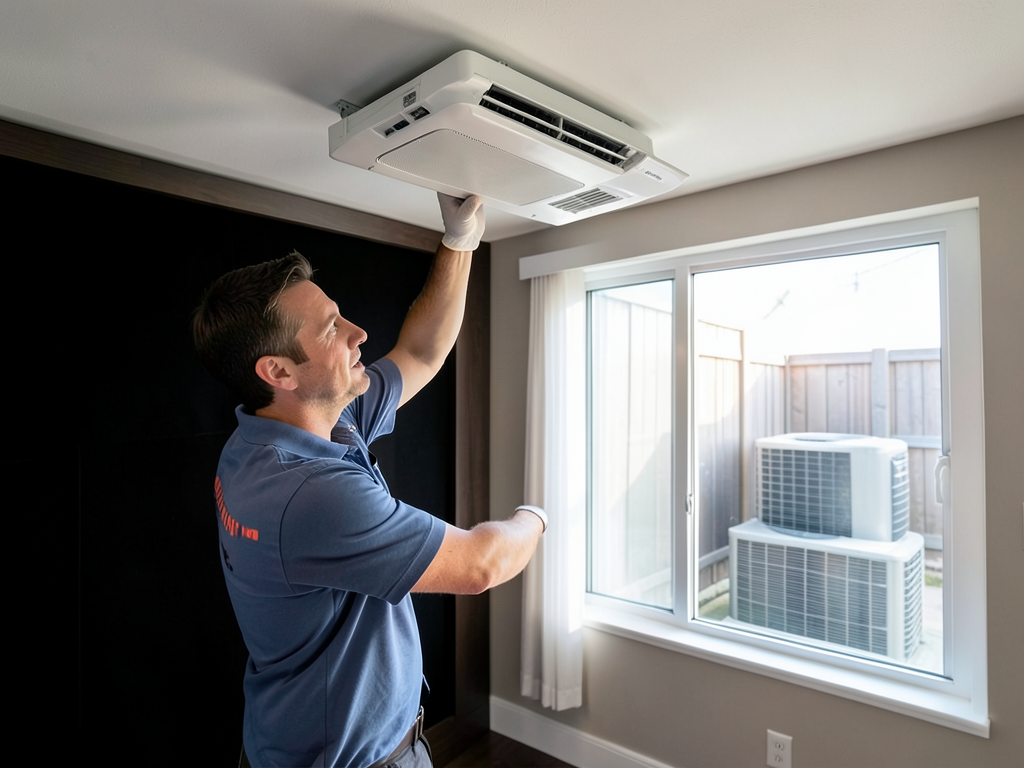
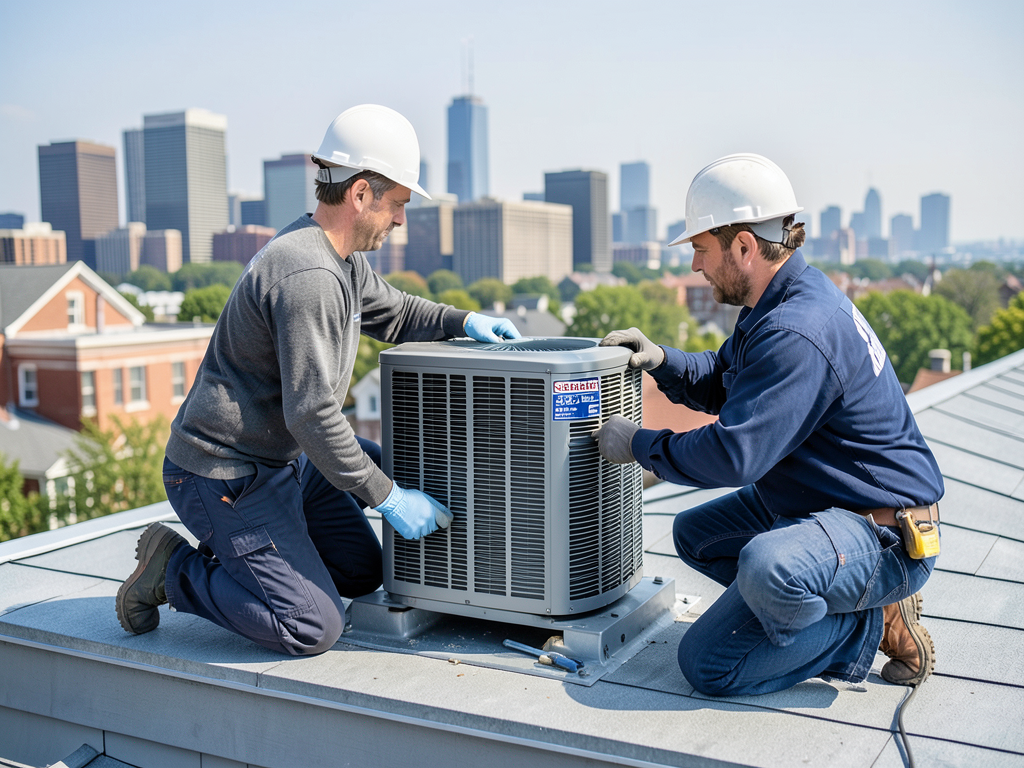
HVAC Services in The Boston Area

We are proud to serve our valued clients across the entire region. Whether you're in the city center or a surrounding community, our dedicated team is ready to provide top-notch HVAC services right to your doorstep. You can locate our main office here, and we encourage you to reach out to schedule a service, explore our offerings, or discuss your heating and cooling needs with our expert team. We look forward to serving you!

Address:
Titan HVAC Boston, 94 Shirley St, Boston, MA, 02119

Additional Services We Offer

Our news updates

Latest Articles & News from The Blogs

Finding a Silent HVAC Solution for Your Home Theater or Media Room in Wellesley If you've ever had to pause…

Finding a Silent HVAC Solution for Your Home Theater or Media Room in Wellesley

Finding a Silent HVAC Solution for Your Home Theater or Media Room in Wellesley If you've ever had to pause…

What the New SEER2 Efficiency Standards Mean for Your Next Boston AC Upgrade

What the New SEER2 Efficiency Standards Mean for Your Next Boston AC Upgrade The Department of Energy rolled out new…

How Smart Vents Can Fix Hot and Cold Spots in Large Multi-Story Newton Homes

Large multi-story homes in Newton often suffer from uneven temperatures where some rooms feel like a sauna while others stay…

Contact Us

You should not have to tolerate hot and cold spots in your own home. Call Titan HVAC Boston at (617) 758-1599 to schedule your temperature balance assessment. We will find the problem and fix it.