






Menu

Building Automation Systems in Boston – Reduce Operating Costs and Minimize Downtime with Intelligent Building Control Systems

Titan HVAC Boston deploys scalable Building Automation Systems that integrate Commercial HVAC Controls, Energy Management Systems, and Direct Digital Controls to optimize facility performance, cut utility spend, and maintain regulatory compliance across the greater Boston metro.

Slider Image 1
Slider Image 2
Slider Image 3
Slider Image 4
Slider Image 5
Slider Image 7
Slider Image 8
Slider Image 9
Slider Image 10
Slider Image 11

Why Boston Facilities Are Investing in Building Automation Systems Now

Boston's commercial real estate market faces a unique operational challenge. The city's aging building stock, combined with aggressive energy efficiency mandates under the BERDO ordinance, forces property managers to demonstrate measurable reductions in carbon output. Manual control of HVAC, lighting, and security systems no longer meets compliance thresholds. You need real-time data, automated setpoint adjustments, and integrated fault detection to avoid penalties and maintain tenant satisfaction.

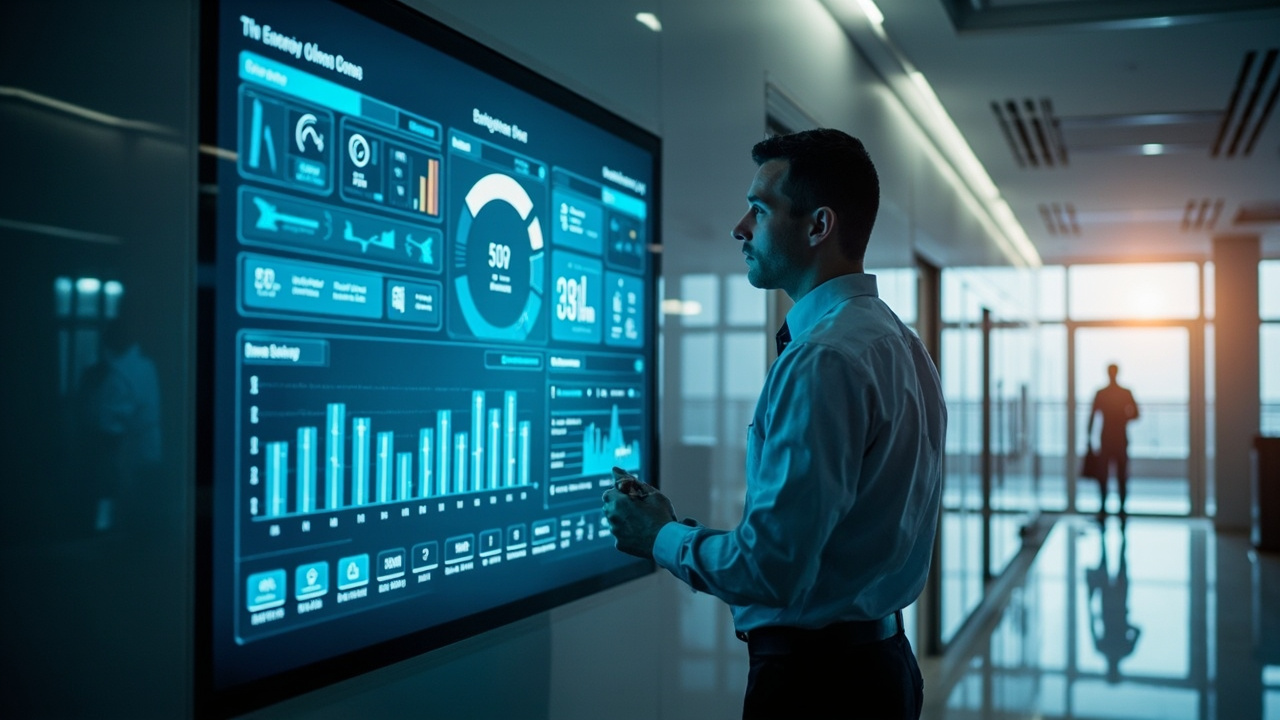
Building Automation Systems give you centralized control over every mechanical and electrical asset in your portfolio. When outdoor temperatures swing 40 degrees in 24 hours, as they do during Boston's volatile spring and fall seasons, automated systems adjust air handler speeds, modulate damper positions, and shift occupied/unoccupied schedules without human intervention. This prevents simultaneous heating and cooling, eliminates hot/cold calls from tenants, and reduces compressor cycling that shortens equipment life.

Boston's dense urban environment also means your mechanical rooms compete for space with telecommunications infrastructure, fire suppression equipment, and storage. Building Management Systems consolidate control panels, reduce physical footprint, and allow remote monitoring from off-site management offices. You no longer send technicians to multiple buildings to check boiler status or reset a tripped breaker. Everything appears on a single dashboard accessible from your phone.

The return on investment is measurable. Facilities with Energy Management Systems report 15 to 30 percent reductions in utility spend within the first 18 months. When you factor in avoided equipment failures, extended asset life, and compliance with local energy disclosure laws, the financial case becomes clear. Boston facilities that delay automation fall behind on operating efficiency and tenant retention.

Why Boston Facilities Are Investing in Building Automation Systems Now
How Titan HVAC Boston Engineers and Deploys Building Automation Systems

How Titan HVAC Boston Engineers and Deploys Building Automation Systems

We start every Building Automation Systems project with a comprehensive facility audit. Our team inventories existing HVAC equipment, lighting controls, and legacy pneumatic or analog control systems. We measure current energy consumption, document control sequences, and identify integration points for Commercial HVAC Controls. This audit reveals inefficiencies you cannot see without direct access to control logic and historical trend data.

Next, we design a control architecture tailored to your building's mechanical systems and operational requirements. We specify Direct Digital Controls that communicate via open protocols like BACnet or Modbus, preventing vendor lock-in and ensuring future scalability. Our designs separate critical life-safety systems from comfort controls, so fire alarm integration never compromises occupant safety. We also program custom algorithms for demand-controlled ventilation, optimal start/stop routines, and load shedding during peak demand periods when utility rates spike.

Installation happens in phases to avoid disrupting business operations. We replace obsolete controllers, install new sensors for temperature and CO2 monitoring, and commission each control loop individually. Our technicians verify that every variable air volume box, chiller, boiler, and rooftop unit responds correctly to commands from the Building Control Systems interface. We test fail-safe modes, backup power scenarios, and alarm notifications before signing off on system acceptance.

After deployment, we provide operator training on the graphical user interface. Your facilities team learns how to adjust setpoints, generate energy reports, and troubleshoot common alarms. We also configure automated email alerts for critical faults like refrigerant leaks, high discharge pressures, or pump failures. This proactive monitoring prevents small issues from escalating into emergency shutdowns that cost thousands in lost productivity and tenant complaints.

What Happens During a Building Automation Systems Deployment in Boston

Building Automation Systems in Boston – Reduce Operating Costs and Minimize Downtime with Intelligent Building Control Systems
01

Site Assessment and Integration Planning

We map your existing mechanical systems, document control wiring, and identify which legacy devices can integrate with new Building Management Systems. This includes testing communication protocols on older chillers and air handlers to determine if they support BACnet or require gateway devices. You receive a detailed integration plan showing which systems connect immediately and which need hardware upgrades before automation can proceed.
02

Controller Installation and Programming

Our technicians install Direct Digital Controls at each mechanical asset, wire sensors for accurate feedback, and program control sequences specific to your building's occupancy schedule and load profiles. We configure alarms, trend logs, and user access permissions inside the Energy Management Systems interface. Each control loop undergoes point-to-point testing to confirm accurate temperature readings, damper positioning, and valve modulation before we integrate it into the larger network.
03

Commissioning and Operator Training

We run the entire Building Automation Systems through simulated operating conditions, forcing equipment into heating mode, cooling mode, and emergency shutdown scenarios to verify correct responses. Your facilities team receives hands-on training in the control interface, learning how to generate energy reports, adjust schedules, and respond to alarms. We remain on-site during the first week of full operation to address any unexpected behavior and fine-tune control parameters for optimal performance.

Why Boston Facilities Trust Titan HVAC Boston for Building Automation Systems

Boston's building automation landscape is fragmented. Many contractors install systems but lack the programming expertise to optimize control sequences for actual operating conditions. You end up with functional hardware that never delivers promised energy savings because the logic is too generic or poorly tuned. Titan HVAC Boston employs certified control technicians who understand both the mechanical side and the software side. We write custom code, not just copy-paste templates from equipment manufacturers.

We also understand Boston's regulatory environment. BERDO compliance requires annual energy reporting and documented reductions in building emissions. Our Building Management Systems automatically generate the data you need for compliance filings, including BTU consumption by system, peak demand events, and carbon output calculations. We configure dashboards that show real-time energy use intensity so you can identify underperforming buildings in your portfolio before they trigger fines.

Local infrastructure matters too. Boston's electrical grid experiences voltage fluctuations during peak summer demand when downtown office towers and healthcare campuses run chillers at full capacity. Our Building Control Systems include power monitoring and load shedding routines that reduce non-critical loads when grid voltage drops. This prevents nuisance breaker trips and extends the life of sensitive electronic components in variable frequency drives and control panels.

We maintain long-term relationships with our clients. Building automation is not a one-time installation. Systems require firmware updates, sensor calibration, and control tuning as building occupancy patterns shift. We offer annual service agreements that include remote monitoring, quarterly performance reviews, and priority dispatch when alarms trigger. You get a dedicated account manager who knows your building's control architecture and can troubleshoot issues without requiring on-site visits for every minor adjustment.

Boston facilities that partner with Titan HVAC Boston gain a technical resource, not just a contractor. We help you plan capital improvements, evaluate new HVAC equipment for automation compatibility, and integrate renewable energy systems like rooftop solar or battery storage into your control strategy.

What to Expect When You Deploy Building Automation Systems with Titan HVAC Boston

Project Timeline and Phased Implementation

Most Building Automation Systems deployments take six to twelve weeks from contract signing to full commissioning, depending on building size and complexity. We phase the work to minimize disruption, typically scheduling controller installations during nights or weekends when occupancy is low. Critical systems like boilers and emergency generators receive priority integration to maintain life-safety compliance throughout the project. You receive weekly progress updates showing completed milestones, upcoming tasks, and any discovered issues requiring design adjustments. Large multi-building campuses may extend timelines to 16 weeks if extensive network infrastructure upgrades are needed to support data communication between facilities.

Initial System Assessment and Scope Definition

Before we propose a solution, we conduct a walkthrough of your mechanical rooms and occupied spaces to document existing equipment and control infrastructure. We review utility bills, maintenance logs, and any previous energy audits to understand baseline performance. This assessment identifies quick wins like fixing simultaneous heating and cooling issues, as well as long-term opportunities for integrating Energy Management Systems with renewable energy or battery storage. You receive a detailed scope document outlining which systems connect to the new Building Automation Systems, which require hardware upgrades, and projected return on investment based on current energy costs and expected savings.

System Performance and Energy Savings

After commissioning, you gain visibility into building performance you never had with manual controls or legacy pneumatic systems. The Commercial HVAC Controls interface displays real-time energy consumption by zone, equipment runtime hours, and alarm histories that reveal chronic issues causing inefficiency. Most Boston facilities see 15 to 25 percent reductions in heating and cooling costs within the first year as the system eliminates wasteful simultaneous heating and cooling, optimizes start times to avoid unnecessary morning warm-up, and reduces ventilation rates in unoccupied spaces. We provide quarterly performance reviews comparing actual savings to projected savings and recommend control adjustments to maximize return on investment.

Ongoing Support and System Optimization

Building automation requires continuous tuning as occupancy patterns shift, equipment ages, and operational priorities change. We offer annual service agreements that include remote monitoring of your Direct Digital Controls, quarterly calibration of temperature and humidity sensors, and firmware updates to address security vulnerabilities or add new features. When alarms trigger, our team receives automated notifications and can often resolve issues remotely without dispatching a technician. You also get access to our 24/7 support line for urgent issues like comfort complaints or system malfunctions that impact business operations. We train your facilities team on basic troubleshooting so they can handle routine adjustments without waiting for vendor support.

Frequently Asked Questions

You Have Questions,
We Have Answers

What are some examples of building automation systems? +

Building automation systems control HVAC, lighting, security, and energy management across commercial facilities. In Boston, typical examples include centralized HVAC controls that optimize heating during harsh winters, automated lighting systems for office towers in the Financial District, access control and fire alarm integration for university campuses, and energy monitoring platforms that track consumption across multi-building portfolios. Modern systems also manage elevators, parking ventilation, and emergency power coordination. These platforms reduce operational costs, maintain code compliance with Massachusetts energy efficiency standards, and provide real-time monitoring for property managers overseeing Boston's diverse commercial real estate market.

What are the 4 types of automation systems? +

The four core automation system types are fixed automation, programmable automation, flexible automation, and integrated automation. Fixed automation handles repetitive tasks with dedicated equipment. Programmable automation allows sequence changes through software updates, common in manufacturing facilities. Flexible automation adapts to product variations without major reprogramming. Integrated automation combines multiple systems through a unified control platform, which is standard in Boston commercial buildings where HVAC, lighting, and security must coordinate. For commercial properties in Boston's climate, integrated systems deliver the greatest ROI by managing heating loads during winter, optimizing cooling in summer, and reducing peak demand charges across all building functions.

What are the top 5 BMS systems? +

The top five building management systems are Honeywell Forge, Johnson Controls Metasys, Siemens Desigo, Schneider Electric EcoStruxure, and Tridium Niagara. These platforms dominate Boston's commercial market from Back Bay office towers to Cambridge biotech facilities. Each system offers scalable integration, cloud connectivity, and energy analytics. Selection depends on building size, existing infrastructure compatibility, and operational priorities. Boston properties with legacy systems often choose platforms that integrate with older pneumatic controls. Newer construction in the Seaport District typically installs IP-based systems with advanced predictive maintenance capabilities. Your system choice should align with long-term operational goals and local service provider availability.

What is a typical BMS system? +

A typical BMS system consists of controllers, sensors, actuators, and a user interface dashboard. Controllers process data from temperature sensors, occupancy detectors, and pressure transmitters throughout the building. Actuators adjust dampers, valves, and switches based on programmed logic. The interface allows facility managers to monitor performance, adjust setpoints, and generate reports. In Boston commercial buildings, systems must handle extreme temperature swings between seasons, integrate with utility demand response programs, and comply with city energy reporting requirements. Most installations include trend logging, alarm management, and remote access capability. The system coordinates mechanical equipment schedules with occupancy patterns to minimize waste while maintaining comfort.

What is the best BMS system? +

The best BMS system depends on your facility's specific requirements, existing infrastructure, and operational goals. Building size, equipment diversity, budget constraints, and in-house technical expertise all influence the right choice. Boston commercial properties with multiple buildings benefit from cloud-based platforms offering centralized oversight. Facilities with critical operations need redundant controllers and failover capability. Historic buildings in Beacon Hill require systems that integrate with renovated infrastructure while preserving architectural integrity. Energy-intensive facilities prioritize analytics and optimization features. Evaluate vendors based on local service availability, system scalability, integration flexibility, and total cost of ownership. The right system delivers measurable energy savings, reduces maintenance costs, and improves tenant satisfaction.

What are the three main automations? +

The three main automation categories are process automation, workflow automation, and task automation. Process automation manages sequential operations like startup and shutdown procedures in commercial HVAC systems. Workflow automation coordinates activities across departments, such as maintenance scheduling and work order routing. Task automation handles individual functions like scheduled lighting adjustments or temperature setpoint changes. In Boston commercial buildings, these automation types work together to optimize operations. Process automation manages boiler staging during cold snaps, workflow automation coordinates maintenance across multiple properties, and task automation adjusts setpoints based on occupancy schedules. This layered approach reduces labor costs, improves consistency, and minimizes human error across facility operations.

What are the 4 D's of automation? +

The four D's of automation are dull, dirty, dangerous, and dear. Dull tasks are repetitive operations like hourly data logging or routine equipment cycling. Dirty tasks involve environments unsuitable for constant human presence, such as rooftop equipment monitoring during Boston winters. Dangerous tasks include high-voltage equipment checks or confined space inspections. Dear tasks are expensive operations where automation reduces labor costs or prevents costly equipment failures. Building automation addresses all four categories by continuously monitoring systems, adjusting controls without manual intervention, alerting staff to unsafe conditions, and optimizing energy consumption. This framework helps facility managers identify which operations benefit most from automation investment.

What are examples of automation systems? +

Automation system examples include HVAC controls, lighting management, access control, fire alarm networks, and energy management platforms. In Boston commercial properties, you will find VAV box controllers managing airflow, occupancy sensors triggering lighting zones, card readers securing entry points, and smoke detectors integrated with air handling unit shutdowns. Advanced examples include predictive maintenance algorithms that identify failing equipment before breakdowns, demand response systems that curtail loads during peak pricing, and tenant billing systems that allocate utility costs by actual consumption. Manufacturing facilities add process control systems. Hospitals integrate nurse call and medical gas monitoring. Each system reduces operational costs while improving safety and reliability.

What are the different types of construction automation? +

Construction automation types include design automation through BIM software, prefabrication and modular construction, robotic equipment operation, and project management platforms. Design automation creates coordinated building models that detect conflicts before construction starts. Prefabrication automates component manufacturing in controlled environments, reducing on-site labor. Robotic systems handle tasks like concrete placement, welding, and material transport. Project management platforms automate scheduling, procurement, and progress tracking. In Boston, where winter weather limits construction seasons and labor costs run high, automation improves productivity and quality. Post-construction, building automation systems installed during the project continue optimizing facility operations. Each automation type reduces project duration, lowers costs, and improves safety outcomes.

What is the best home automation system in 2025? +

The best home automation system in 2025 depends on your priorities, budget, and existing smart devices. Popular platforms include Apple HomeKit for iOS users, Google Home for Android integration, Amazon Alexa for voice control, and Samsung SmartThings for device compatibility. In Boston homes, consider systems that integrate with heating controls for winter efficiency, work with existing HVAC equipment, and handle local power outages gracefully. Professional-grade systems like Control4 or Crestron offer greater customization but require dealer installation. DIY platforms provide flexibility at lower cost. Evaluate based on device compatibility, privacy policies, local integration capability, and whether the system requires cloud connectivity or supports local operation during internet outages.

How Boston's Seasonal Temperature Swings and BERDO Compliance Drive Building Automation Adoption

Boston experiences some of the most volatile weather patterns in the Northeast, with spring and fall days swinging from 35 degrees at sunrise to 75 degrees by afternoon. Manual HVAC controls cannot respond fast enough to these rapid changes, resulting in overheated offices in the morning and excessive cooling in the afternoon. Building Automation Systems use outdoor air temperature sensors and predictive algorithms to adjust heating and cooling output gradually, maintaining comfort without wasting energy. The city's BERDO ordinance also requires buildings over 20,000 square feet to report annual energy use and demonstrate reductions in emissions. Automated Energy Management Systems generate the data needed for compliance reporting and provide audit trails proving you met reduction targets.

Boston's commercial real estate market increasingly values properties with proven energy efficiency. Prospective tenants ask for energy performance data during lease negotiations, and buildings without modern Building Control Systems struggle to compete. Local property managers recognize that investing in automation protects asset value and attracts quality tenants who prioritize sustainability. Titan HVAC Boston works with facilities across the greater Boston metro, from Cambridge biotech campuses to downtown financial district high-rises, giving us deep familiarity with local utility rate structures, incentive programs through Mass Save, and the specific challenges of integrating automation into historic buildings with landmark restrictions.
HVAC Services in The Boston Area

We are proud to serve our valued clients across the entire region. Whether you're in the city center or a surrounding community, our dedicated team is ready to provide top-notch HVAC services right to your doorstep. You can locate our main office here, and we encourage you to reach out to schedule a service, explore our offerings, or discuss your heating and cooling needs with our expert team. We look forward to serving you!

Address:
Titan HVAC Boston, 94 Shirley St, Boston, MA, 02119

Additional Services We Offer

Our news updates

Latest Articles & News from The Blogs

Finding a Silent HVAC Solution for Your Home Theater or Media Room in Wellesley If you've ever had to pause…

Finding a Silent HVAC Solution for Your Home Theater or Media Room in Wellesley

Finding a Silent HVAC Solution for Your Home Theater or Media Room in Wellesley If you've ever had to pause…

What the New SEER2 Efficiency Standards Mean for Your Next Boston AC Upgrade

What the New SEER2 Efficiency Standards Mean for Your Next Boston AC Upgrade The Department of Energy rolled out new…

How Smart Vents Can Fix Hot and Cold Spots in Large Multi-Story Newton Homes

Large multi-story homes in Newton often suffer from uneven temperatures where some rooms feel like a sauna while others stay…

Contact Us

Stop wasting money on inefficient HVAC operations. Call Titan HVAC Boston at (617) 758-1599 to schedule a no-cost facility audit. We will identify immediate savings opportunities and design a Building Automation Systems solution tailored to your building's mechanical infrastructure and operational goals.