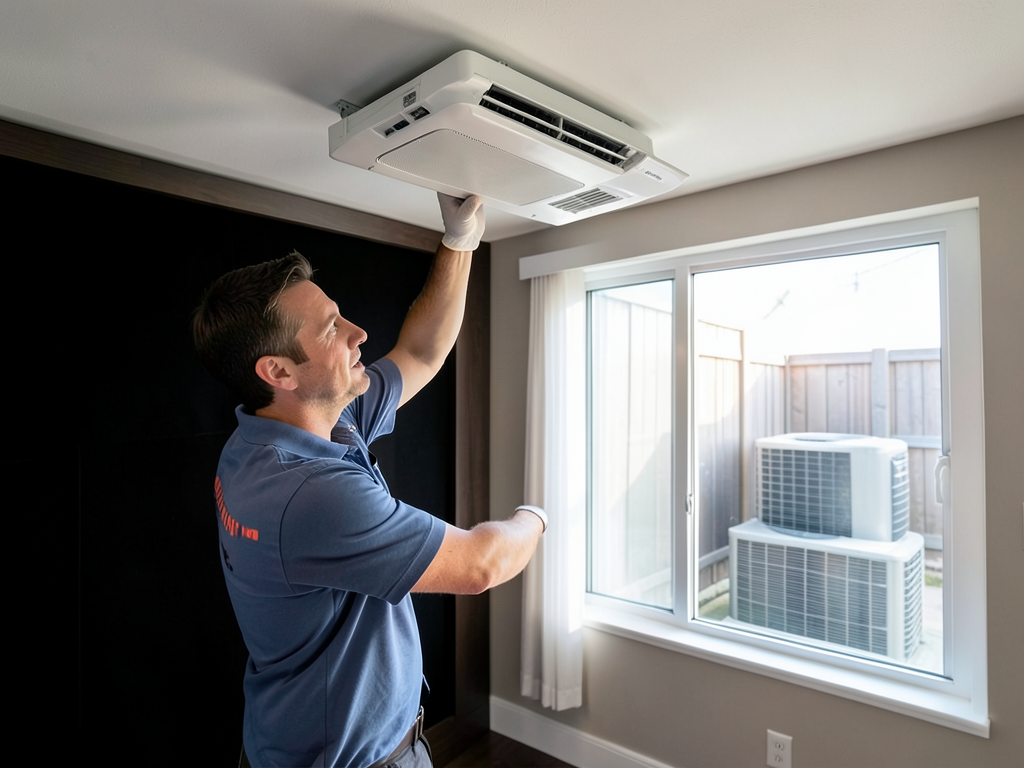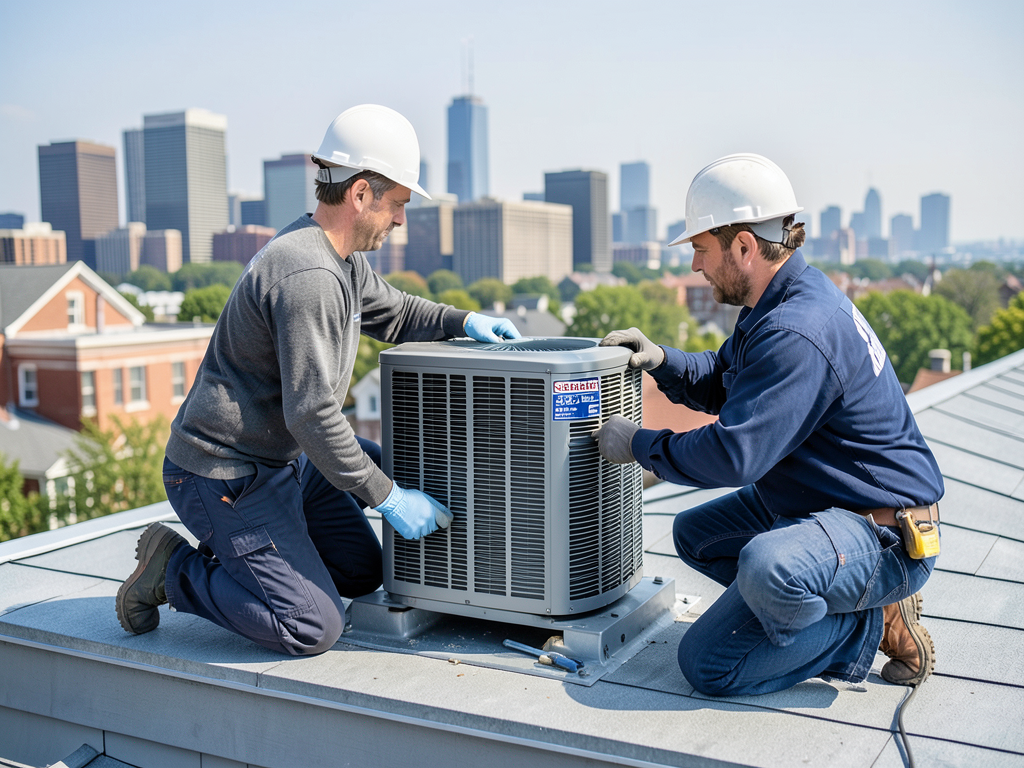







Boston's dense urban core creates an urban heat island effect that raises ambient temperatures 5 to 10 degrees compared to surrounding suburbs. Rooftop units in the Financial District, Back Bay, and the Seaport absorb reflected heat from adjacent buildings and pavement, which reduces condenser efficiency and forces compressors to work harder. Commercial cooling systems in these areas experience higher operating pressures and increased runtime, which accelerates wear on contactors, capacitors, and compressor bearings. The combination of salt air near the harbor and particulate matter from traffic further degrades condenser coils, reducing heat rejection capacity and increasing energy consumption.
Massachusetts mechanical code requires commercial HVAC systems to meet minimum efficiency standards and maintain proper refrigerant handling procedures. Our technicians understand local permitting requirements for refrigerant recovery and disposal, which matter when you need documentation for building compliance audits or tenant lease obligations. Boston's commercial real estate market values properties with well-maintained mechanical systems because energy costs and tenant comfort directly affect occupancy rates and lease renewals. Choosing a local commercial hvac repair provider means working with technicians who understand the relationship between building age, system design, and the operational demands specific to Boston's climate and building stock.