





Menu

Filter Replacement Services in Boston – Expert Air Filter Changing That Actually Improves Indoor Air Quality

Titan HVAC Boston delivers professional HVAC filter replacement for residential and commercial systems across the greater Boston metro, using MERV-rated filters matched to your specific equipment and indoor air quality needs.

Slider Image 1
Slider Image 2
Slider Image 3
Slider Image 4
Slider Image 5
Slider Image 7
Slider Image 8
Slider Image 9
Slider Image 10
Slider Image 11

Why Boston's Seasonal Air Quality Makes Regular Filter Replacement Critical

Boston's four-season climate creates a perfect storm for HVAC filter contamination. Winter heating cycles pull in salt-laden air from road treatments, while spring pollen counts from our urban tree canopy spike dramatically. Summer humidity breeds mold spores that clog media, and fall leaf decay adds organic particulates. Your filter is the frontline defense against all of it.

Most Boston homeowners and commercial property managers underestimate how quickly filters lose effectiveness in our dense urban environment. A standard pleated filter can reach 80% capacity in just 45 days during peak seasons, not the 90-day intervals you see on the package. Once a filter clogs, your system works harder, airflow drops, and unfiltered air bypasses the media entirely through gaps in the frame seal.

The result is higher utility bills, uneven heating and cooling, and poor indoor air quality that aggravates allergies and respiratory conditions. Neighborhoods near the Mass Pike, Storrow Drive, and Logan Airport flight paths face additional diesel particulates and jet fuel residue that accelerate filter loading.

Commercial spaces in Boston's Financial District and Seaport experience even faster degradation due to higher occupancy loads and continuous operation schedules. A clogged filter in a rooftop unit serving a restaurant or medical office creates liability risks that most business owners never consider until the system fails during a heat wave or cold snap.

Professional air filter changing service addresses these challenges with the right filter media, proper sizing, and scheduled replacement intervals based on actual operating conditions, not generic recommendations.

Why Boston's Seasonal Air Quality Makes Regular Filter Replacement Critical
How Professional HVAC Filter Replacement Differs From DIY Changeouts

How Professional HVAC Filter Replacement Differs From DIY Changeouts

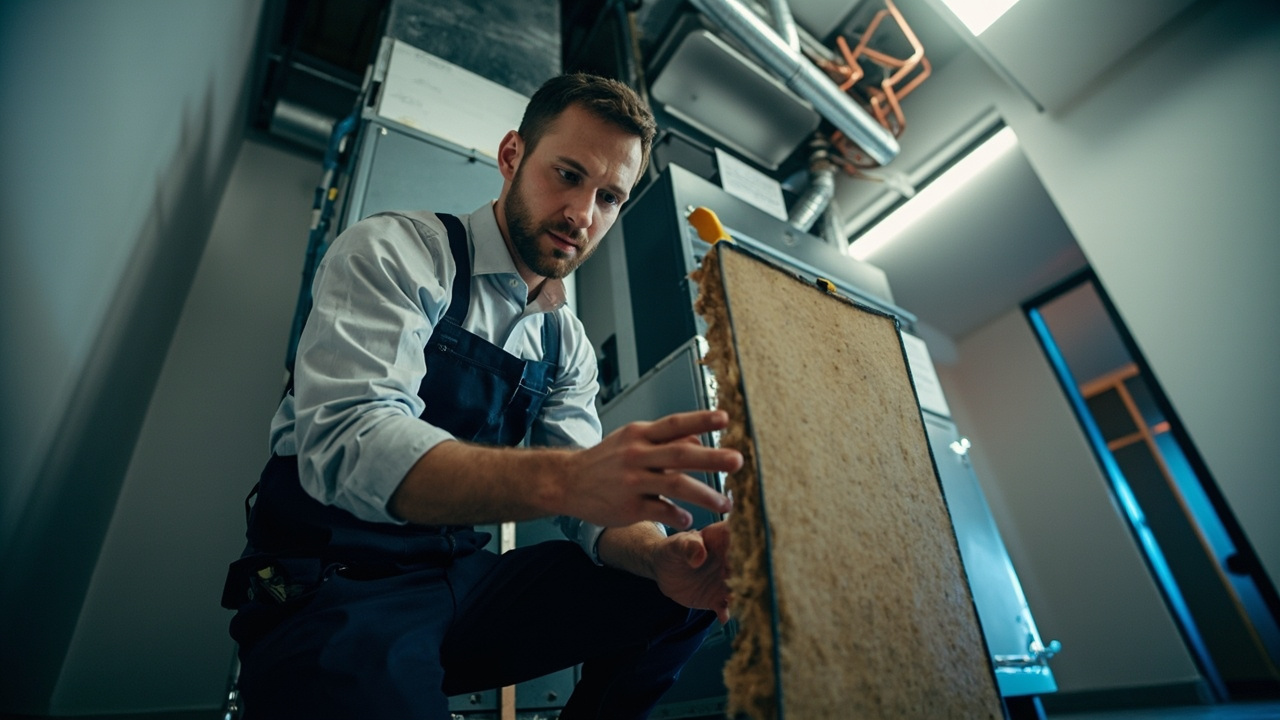
Furnace filter replacement and AC filter replacement are not just about swapping a dirty filter for a clean one. The filter must match the system's static pressure capacity, measured in inches of water column. Install a MERV 13 filter on a residential system designed for MERV 8, and you will choke airflow, trip the high limit switch, and potentially crack the heat exchanger.

We start every air conditioning filter exchange by checking the existing filter slot dimensions and measuring actual airflow at the return grille. Boston's older triple-deckers and brownstones often have undersized return ducts that already restrict airflow. Adding a high-efficiency filter without addressing the duct design compounds the problem.

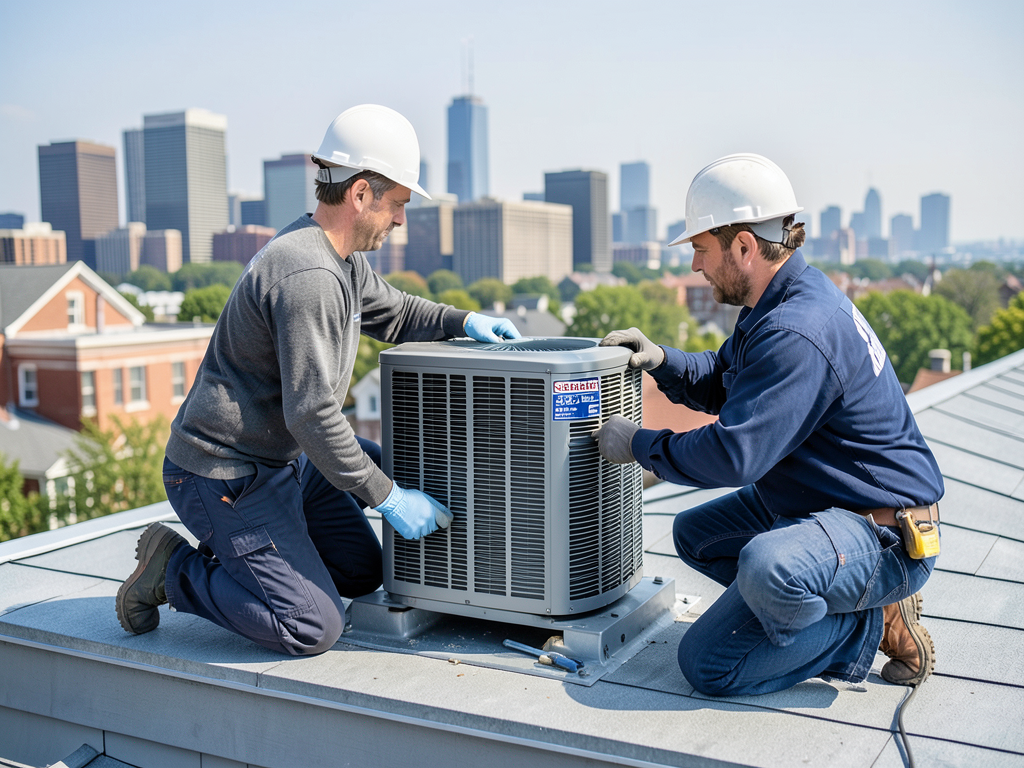
For commercial systems, we verify the filter rack is properly sealed and that bypass dampers are closed. Many rooftop units have filter tracks that warp over time, allowing unfiltered air to enter the blower section. We also inspect the coil face for dust accumulation, which indicates filter failure or improper installation.

Filter selection depends on the application. A downtown office needs activated carbon media to handle vehicle exhaust. A restaurant requires grease-rated pre-filters ahead of the primary bank. Medical offices and daycare centers benefit from MERV 11 or higher to capture bacteria and viral particles.

We install filters with the airflow arrow pointing toward the blower, ensure the gasket seals against the track, and verify the access door closes completely. After installation, we measure supply register temperatures and compare them to baseline readings. A drop in airflow shows up immediately as reduced temperature differential between supply and return air.

This level of attention prevents the callback visits and system damage that result from incorrect filter specs or sloppy installation.

What Happens During Your Filter Service Appointment

Filter Replacement Services in Boston – Expert Air Filter Changing That Actually Improves Indoor Air Quality
01

System Assessment and Measurement

Our technician inspects your existing filter setup, measures the filter slot dimensions to the nearest eighth inch, and checks the return air pathway for restrictions. We document your current filter type and note any damage to the filter rack or access panel. For commercial jobs, we verify the number of filter banks and photograph the installation for your facility records.
02

Filter Installation and Sealing

We install the correct MERV-rated filter based on your system's blower capacity and your indoor air quality goals. Each filter is checked for frame integrity and seated against the track with a continuous seal. We verify the airflow direction matches the system design and secure the access panel. For multi-filter commercial arrays, we install filters in sequence and mark each with the installation date.
03

Airflow Verification and Documentation

After installation, we measure supply air temperature and compare it to return air temperature to confirm proper airflow. We check static pressure across the filter if the system is equipped with test ports. You receive a service sticker with the installation date and recommended replacement interval based on your specific operating conditions, not generic guidelines. We dispose of the old filter properly.

Why Boston Properties Need Local HVAC Filter Expertise

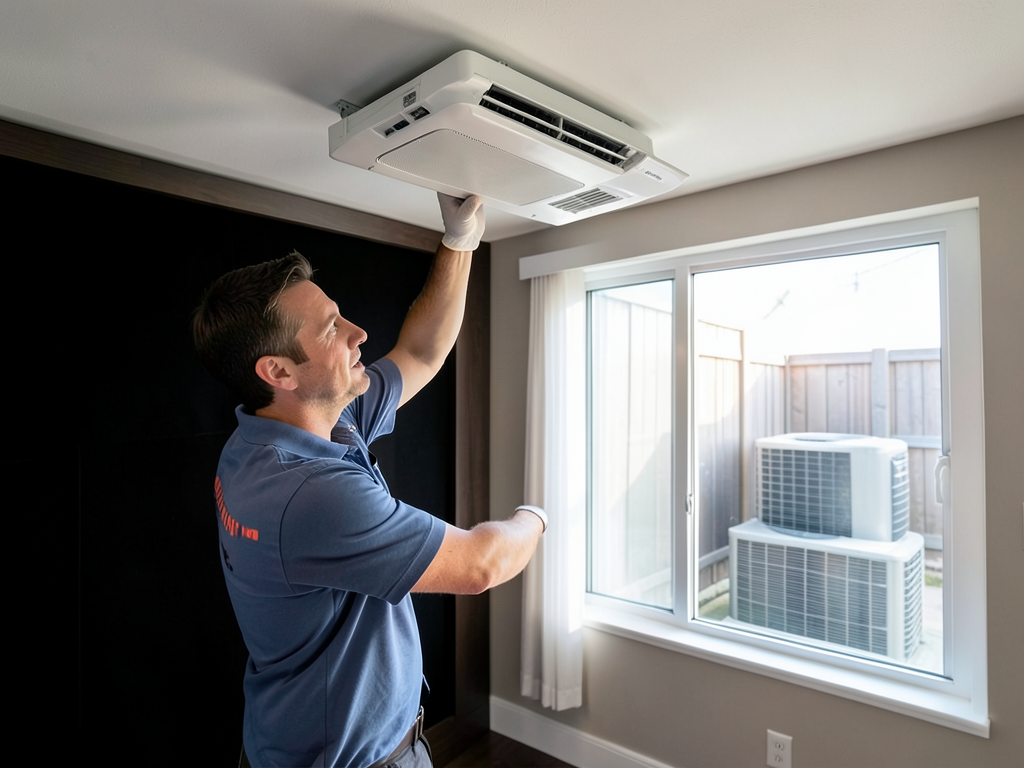
Boston's building stock presents unique challenges that out-of-town providers and big-box store filters cannot address. Our historic neighborhoods feature forced hot water systems with add-on air handlers that require custom filter solutions. The cast iron radiators and steam heat common in Back Bay, Beacon Hill, and South End buildings often coexist with ductless mini-splits, each requiring different filtration approaches.

We understand how Boston's coastal humidity affects filter performance. The salt air that corrodes metal roofs also deposits chlorides on filter media, reducing efficiency and creating musty odors. Properties in East Boston, Charlestown, and the Seaport need more frequent filter rotation than inland neighborhoods due to marine aerosols.

Commercial buildings in Boston operate under strict indoor air quality requirements. The Boston Air Pollution Control Commission enforces regulations that affect filter selection for restaurants, healthcare facilities, and any business with commercial cooking equipment. We stay current on these requirements and ensure your filter specifications meet both mechanical code and air quality standards.

Titan HVAC Boston has worked in triple-deckers with vertical return chases, converted textile mills with exposed ductwork, and modern high-rises with variable air volume systems. This experience means we show up with the right filters, not a trunk full of wrong sizes that force you to wait for a second trip.

We also understand the seasonal timing that matters in Boston. Spring and fall are transition periods when heating and cooling loads overlap, putting maximum stress on filters. Winter storm preparation includes fresh filters to handle the extended run times during cold snaps. Our scheduled service programs align with these seasonal realities.

Local expertise also means we can source specialty filters quickly when standard options do not fit your situation.

What to Expect From Professional Filter Replacement Service

Service Speed and Scheduling Flexibility

Most residential filter replacements take 20 to 30 minutes, including inspection and airflow verification. Commercial multi-filter installations require 45 minutes to 90 minutes depending on the number of units and roof access requirements. We offer same-day service for most Boston neighborhoods and can coordinate after-hours appointments for businesses that cannot interrupt operations during normal hours. Emergency filter replacement for healthcare facilities or clean room environments receives priority dispatch. You choose a two-hour arrival window, and we text you when the technician is 15 minutes out.

Initial Inspection and Filter Selection

We do not arrive with a predetermined filter. The inspection includes measuring your existing filter dimensions, checking the blower motor amperage, and reviewing your indoor air quality concerns. If you have allergies, pets, or respiratory sensitivities, we recommend higher MERV ratings with electrostatic media. If your system is older or has marginal airflow, we select a lower-resistance filter that maintains efficiency without overworking the blower. You receive a clear explanation of the options and the trade-offs. We never upsell filters your system cannot handle, because that creates problems, not solutions.

Post-Installation Performance Verification

After installing your new filter, we run the system and measure supply register output. The temperature split between supply and return air should fall within manufacturer specifications, typically 15 to 20 degrees for cooling and 40 to 70 degrees for heating. If readings fall outside this range, we investigate duct leaks, coil blockages, or airflow restrictions before we leave. You see the readings on our digital thermometer and understand what they mean. This verification step catches problems that would otherwise go unnoticed until the system fails. Your home or business gets filtered air that actually circulates properly.

Ongoing Maintenance and Filter Management

We offer scheduled filter replacement programs that align with Boston's seasonal demands. You receive reminders based on your actual usage patterns, not arbitrary 90-day intervals. Residential clients can join our quarterly service plan that includes filter replacement, system inspection, and priority scheduling for repairs. Commercial clients receive monthly or bi-monthly service depending on occupancy and operating hours. Each visit includes documentation for your facility maintenance logs. We track filter performance over time and adjust replacement intervals if your system shows signs of accelerated loading. This proactive approach prevents the emergency calls that happen when filters fail during peak demand periods.

Frequently Asked Questions

You Have Questions,
We Have Answers

How much should a filter change cost? +

HVAC filter changes in Boston typically cost $20 to $50 for a basic service call and standard filter. Premium filters like HEPA or whole-home media filters range from $60 to $150. Most HVAC companies bundle filter replacement with seasonal maintenance, which reduces your per-visit cost. Boston's humid summers and cold winters demand regular filter changes to maintain efficiency. If you replace filters yourself, standard pleated filters cost $8 to $25 at local hardware stores. Professional service ensures proper sizing and catches early system issues before they become expensive repairs.

Does AutoZone change air filters for free? +

AutoZone does not change engine air filters or cabin air filters for free, but staff may help you locate the correct filter and provide guidance. Their free services include battery testing, wiper blade installation, and diagnostic code reading. For cabin air filter replacement in Boston's harsh climate, consider having a professional handle it. Cabin filters trap road salt residue, pollen, and exhaust particles common in urban Boston traffic. Improper installation can bypass filtration entirely. Most automotive shops charge $25 to $50 for cabin filter replacement, which includes labor and ensures correct fitment.

How much does a replacement air filter cost? +

Replacement HVAC air filters cost $8 to $150 depending on type and size. Standard 1-inch pleated filters run $8 to $25. Higher-MERV filters for allergy sufferers cost $15 to $40. Media filters for whole-home systems range from $40 to $100. HEPA filters reach $60 to $150. Boston homes often need higher MERV ratings due to seasonal pollen from regional trees and urban air particulates. Automotive cabin air filters cost $12 to $45 for the part alone. Filter thickness, material quality, and filtration rating drive price differences. Buying in bulk saves money for homeowners committed to quarterly changes.

Does Jiffy Lube replace filters? +

Jiffy Lube offers both engine air filter and cabin air filter replacement as part of their preventive maintenance services. They inspect filters during oil changes and recommend replacement when needed. Boston drivers face accelerated filter clogging due to winter road salt, construction dust, and coastal humidity. Jiffy Lube technicians typically charge $25 to $60 for cabin filter service and $20 to $50 for engine air filter replacement. However, many Boston residents find dedicated HVAC professionals provide better expertise for home systems and automotive specialists offer more thorough vehicle inspections than quick-lube chains.

What is the $5000 rule for HVAC? +

The $5,000 rule states that if your HVAC repair cost multiplied by your system's age in years exceeds $5,000, replace the entire system instead of repairing. For example, a $500 repair on a 12-year-old furnace equals $6,000, suggesting replacement makes financial sense. In Boston's climate with harsh winters stressing heating systems and humid summers taxing AC units, this rule helps homeowners avoid throwing money at dying equipment. Modern systems offer 20 to 40 percent better efficiency than 10-year-old models, reducing utility bills and offsetting replacement costs through energy savings.

How often should you replace a house filter? +

Replace standard 1-inch HVAC filters every 30 to 90 days depending on household factors. Boston homes with pets, smokers, or allergy sufferers need monthly changes. Homes without pets can extend to 60 days. Thicker 4-inch or 5-inch media filters last 6 to 12 months. Boston's seasonal pollen from maple, oak, and birch trees clogs filters faster in spring and fall. High humidity summers promote mold growth on dirty filters. Check filters monthly by holding them to light. If you cannot see through the media, replace immediately to maintain airflow and efficiency.

How often should car air filters be changed? +

Change automotive air filters every 15,000 to 30,000 miles or annually, whichever comes first. Boston drivers face accelerated filter degradation from winter road salt spray, construction zones near highways, and coastal humidity carrying salt particles inland. Urban stop-and-go traffic on I-93 or Storrow Drive pulls more contaminated air through the system. Inspect your engine air filter every oil change. A clogged filter reduces fuel economy by 10 percent and hampers acceleration. Cabin air filters should be changed every 12,000 to 15,000 miles to maintain clean interior air and defroster performance during humid summers.

What services are free at AutoZone? +

AutoZone offers free battery testing and charging, check engine light code reading, wiper blade installation with purchase, and alternator and starter testing on most vehicles. They provide free Fix Finder reports to help diagnose check engine light issues. Boston drivers benefit from free battery testing before winter, as cold temperatures reduce battery capacity by 30 to 50 percent. However, AutoZone does not provide free filter changes, fluid top-offs, or mechanical repairs. Their Loan-A-Tool program offers free tool borrowing with deposit for DIY projects. These free services help diagnose issues but do not replace professional automotive service.

What are signs of a clogged air filter? +

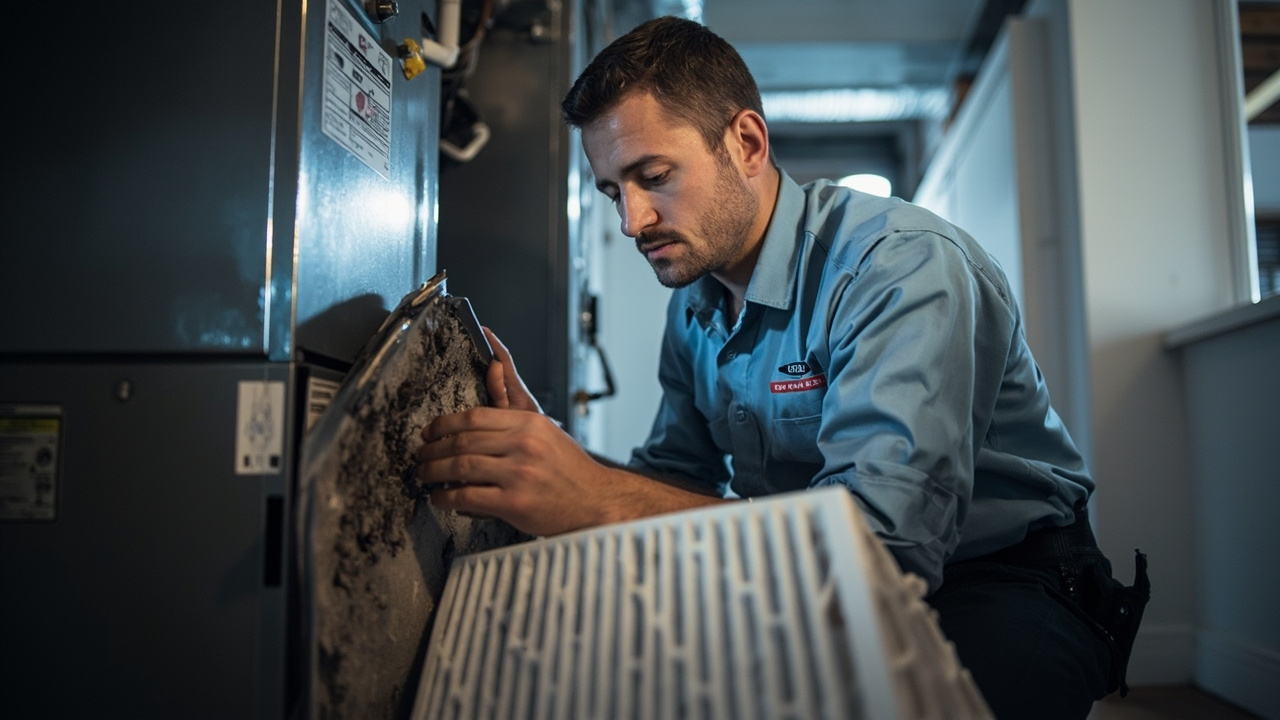
Signs of a clogged HVAC filter include reduced airflow from vents, longer heating or cooling cycles, increased energy bills, excessive dust on surfaces, and visible dirt accumulation on the filter itself. Boston homeowners notice system strain during temperature extremes when clogged filters force equipment to run constantly. You may hear whistling sounds as air struggles past blockages. The blower motor works harder, risking premature failure. Allergy symptoms worsen as the filter loses effectiveness. Ice formation on AC coils indicates severe restriction. Check filters monthly by visual inspection. If the media appears gray or you cannot see light through it, replace immediately.

What are signs of a bad filter? +

Bad filter symptoms include visible tears or gaps in filter media, warped frames from moisture damage, black mold spots, collapsed pleats, and cardboard frame deterioration. Boston's humidity accelerates filter breakdown. A failing filter allows dust, pollen, and particles to bypass filtration entirely, coating ductwork and equipment. You may smell musty odors from mold growth or notice visible dust clouds when the system starts. Energy bills spike as debris clogs coils and reduces heat transfer efficiency. Uneven temperatures throughout your home indicate restricted airflow. Replace filters showing any structural damage immediately to protect your HVAC system and indoor air quality.

How Boston's Urban Density and Coastal Location Affect Filter Lifespan

Boston sits at the convergence of dense urban pollution and Atlantic coastal weather patterns. Properties within two miles of Boston Harbor experience accelerated filter loading from salt spray, especially during nor'easters when wind-driven moisture carries sodium chloride particles inland. The MBTA's diesel bus fleet, concentrated traffic on I-93 and Route 1, and Logan Airport operations add carbon particulates that coat filter media faster than suburban environments. Boston's older housing stock often lacks proper ventilation, forcing HVAC systems to recirculate contaminated indoor air through filters that clog quickly. Spring pollen from our urban tree canopy combines with construction dust from continuous development projects in the Seaport, Fenway, and Kendall Square areas. Your filter works harder in Boston than it would in outlying suburbs, and replacement intervals need to reflect this reality.

Local expertise matters because Boston's building codes and retrofit complications require knowledge you will not find in national service chains. The city's Inspectional Services Department enforces ventilation requirements that affect filter specifications for multi-family buildings and commercial spaces. Titan HVAC Boston understands these regulations and knows which filter configurations pass inspection. We have worked in every neighborhood from Roxbury to Roslindale, dealing with everything from 19th-century forced air conversions to modern LEED-certified buildings. This experience means we solve problems on the first visit instead of making multiple trips to figure out your system. When you call a local provider who knows Boston's buildings, climate, and codes, you get service that actually works for your specific situation.
HVAC Services in The Boston Area

We are proud to serve our valued clients across the entire region. Whether you're in the city center or a surrounding community, our dedicated team is ready to provide top-notch HVAC services right to your doorstep. You can locate our main office here, and we encourage you to reach out to schedule a service, explore our offerings, or discuss your heating and cooling needs with our expert team. We look forward to serving you!

Address:
Titan HVAC Boston, 94 Shirley St, Boston, MA, 02119

Additional Services We Offer

Our news updates

Latest Articles & News from The Blogs

Finding a Silent HVAC Solution for Your Home Theater or Media Room in Wellesley If you've ever had to pause…

Finding a Silent HVAC Solution for Your Home Theater or Media Room in Wellesley

Finding a Silent HVAC Solution for Your Home Theater or Media Room in Wellesley If you've ever had to pause…

What the New SEER2 Efficiency Standards Mean for Your Next Boston AC Upgrade

What the New SEER2 Efficiency Standards Mean for Your Next Boston AC Upgrade The Department of Energy rolled out new…

How Smart Vents Can Fix Hot and Cold Spots in Large Multi-Story Newton Homes

Large multi-story homes in Newton often suffer from uneven temperatures where some rooms feel like a sauna while others stay…

Contact Us

Call Titan HVAC Boston at (617) 758-1599 for same-day filter replacement service. We stock filters for residential and commercial systems across the Boston metro area. Your system will breathe better by this afternoon.