




Menu

Geothermal Heating & Cooling in Boston – Cut Energy Bills by Up to 70% Year-Round

Ground source heat pump technology transforms how Boston homes and businesses manage comfort, using stable underground temperatures to deliver efficient geothermal HVAC systems that slash utility costs and eliminate fuel dependency.

Slider Image 1
Slider Image 2
Slider Image 3
Slider Image 4
Slider Image 5
Slider Image 7
Slider Image 8
Slider Image 9
Slider Image 10
Slider Image 11

Why Boston's Climate Demands Smarter HVAC Technology

Boston's weather extremes punish conventional HVAC systems. You face subzero January mornings that stress furnaces, humid July afternoons that overwork air conditioners, and volatile spring and fall transitions that force constant system switching. Traditional heat pumps lose efficiency below 25°F, exactly when you need heating most. Oil and gas furnaces deliver warmth but burn through fuel at alarming rates, especially during the extended heating season that runs from October through April.

Geothermal heating and cooling systems solve this problem by tapping into the earth's constant 50-55°F temperature just 6-10 feet underground. While surface temperatures in Boston swing 100 degrees annually, the ground remains stable. Ground source heat pumps use this thermal consistency to move heat rather than generate it, achieving efficiency levels that conventional systems cannot match.

The technology works for both heating and cooling. In winter, the ground-coupled heat pump extracts warmth from underground and concentrates it for indoor use. In summer, the process reverses, pulling heat from your building and depositing it into the cooler earth. This geoexchange system eliminates combustion entirely, requires no fuel deliveries, and operates efficiently regardless of outdoor temperature.

Boston's geology supports geothermal installations particularly well. The region's dense glacial till and bedrock provide excellent thermal conductivity. Properties in neighborhoods from Beacon Hill to Jamaica Plain can accommodate either vertical boreholes or horizontal loop fields, depending on available land area. Even urban sites with limited space can use standing column wells common to Massachusetts installations.

For commercial properties downtown or residential buildings in Dorchester, South Boston, and Charlestown, geothermal HVAC systems deliver consistent comfort while dramatically reducing the carbon footprint that Boston's climate action goals demand.

Why Boston's Climate Demands Smarter HVAC Technology
How Geothermal Heat Pump Systems Actually Work

How Geothermal Heat Pump Systems Actually Work

A geothermal HVAC system has three main components working together. The ground loop circulates a water-antifreeze solution through buried pipes. The heat pump unit contains the compressor, heat exchanger, and refrigerant circuit. The distribution system moves conditioned air or water through your building using ductwork or radiant floors.

Installation begins with geothermal site analysis. We calculate your heating and cooling loads based on building size, insulation values, window area, and occupancy patterns. Thermal conductivity testing of your soil determines optimal loop sizing. Boston's building codes require these calculations for permit approval, and we coordinate directly with city inspectors to ensure compliance.

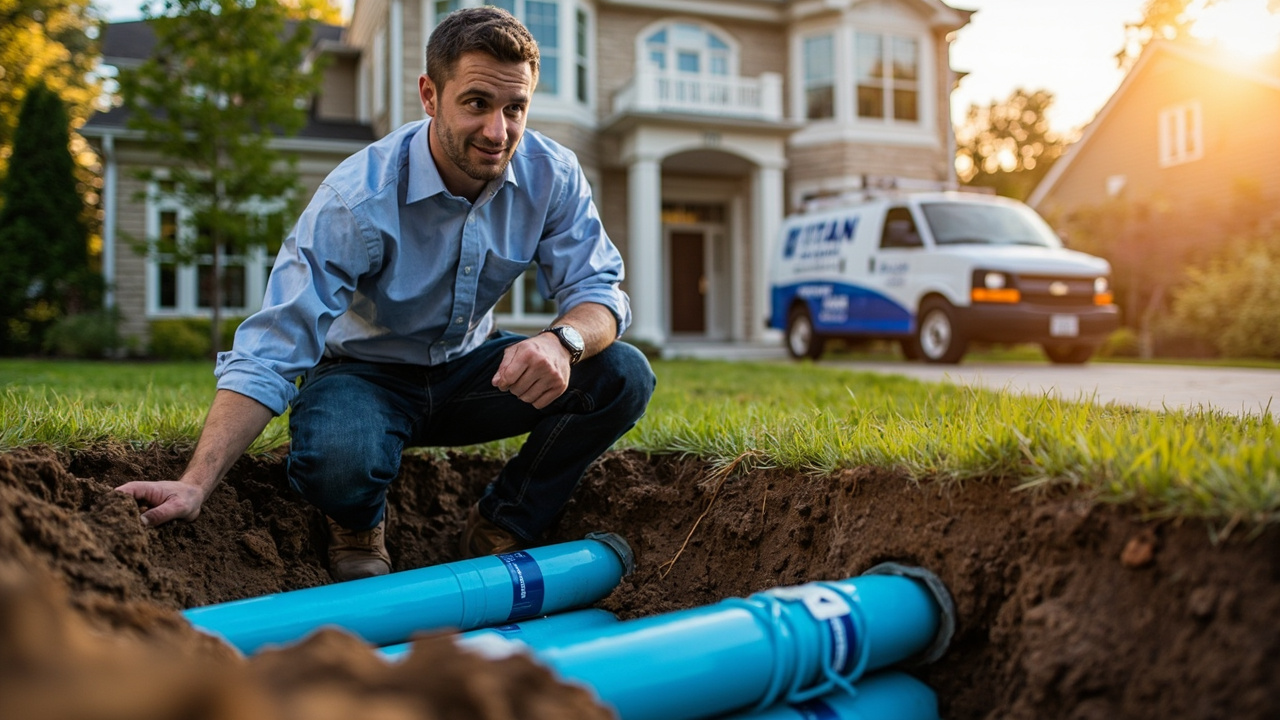
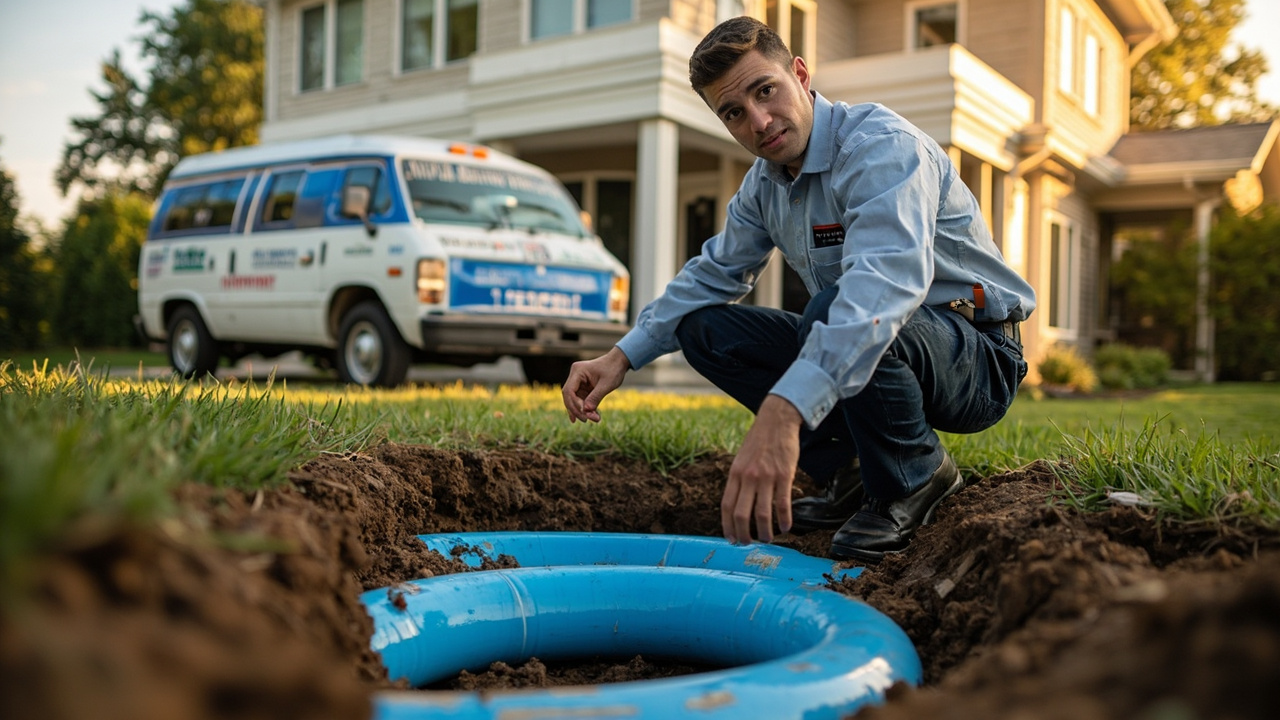
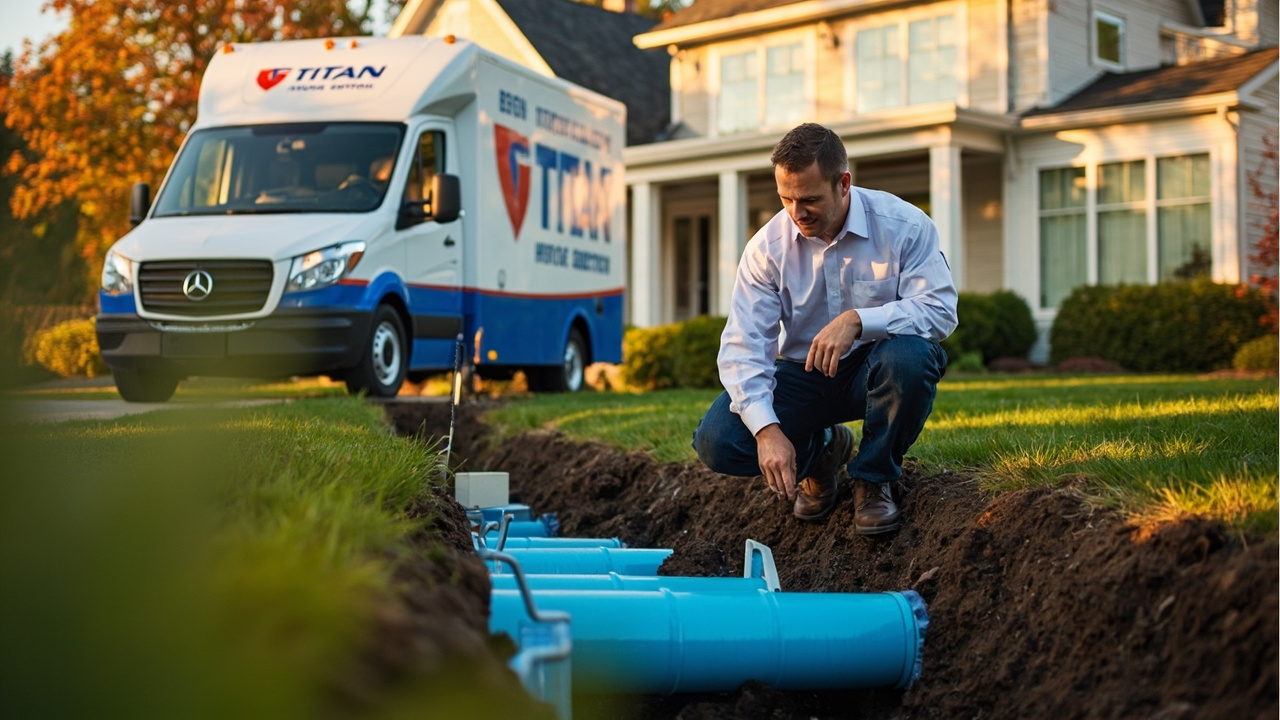
Loop installation varies by property. Vertical loops require drilling boreholes 150-400 feet deep, spaced 15-20 feet apart. We typically drill 3-6 boreholes for residential applications, more for commercial buildings. Horizontal loops need trenches 6-10 feet deep, running in parallel or slinky configurations. Properties near water can use pond loops if sufficient depth and surface area exist.

The heat pump itself sits inside your mechanical room, connected to the ground loop and your distribution system. We size the unit based on your peak load calculations, not on outdated rules of thumb. Proper refrigerant charge and flow rates matter tremendously. Many installations fail because contractors unfamiliar with geothermal systems apply air-source heat pump settings, which do not translate.

We integrate the system with your existing ductwork when possible, or design new distribution for optimal efficiency. Zone controls let you heat and cool different areas independently. For renovations in Back Bay brownstones or Cambridge triple-deckers, we often recommend high-velocity mini-duct systems that fit through existing walls without major demolition.

The result is a geoexchange system that operates quietly, efficiently, and reliably for 25-plus years with minimal maintenance.

What Happens During Your Geothermal Installation

Geothermal Heating & Cooling in Boston – Cut Energy Bills by Up to 70% Year-Round
01

Site Assessment and Design

We start with a detailed property evaluation, measuring your building envelope, testing soil thermal properties, and reviewing utility bills to establish baseline energy use. Our engineers design the ground loop configuration specific to your lot dimensions and drilling access. You receive load calculations, equipment specifications, and a project timeline before any work begins. This planning phase typically takes 1-2 weeks and determines system performance for decades.
02

Loop Field Installation

Drilling or excavation crews install the ground loop according to engineered specifications. For vertical systems, we drill to specified depths, insert U-bend piping, and grout the boreholes to ensure thermal contact. Horizontal installations require precise trench depth and pipe spacing. We pressure-test all loops before backfilling to verify integrity. This phase takes 2-5 days depending on system size and site conditions specific to Boston's varied terrain.
03

System Connection and Commissioning

Our HVAC technicians connect the ground loop to the heat pump unit, install distribution components, and wire controls. We fill the loop with properly mixed heat transfer fluid, purge all air from the system, and verify flow rates match design specifications. Commissioning includes refrigerant charge verification, airflow balancing, and control programming. You receive training on thermostat operation and maintenance requirements. Final inspection ensures code compliance and optimal performance.

Why Boston Properties Need Local Geothermal Expertise

Geothermal installations fail when contractors treat them like conventional HVAC projects. The technology requires specialized knowledge of heat transfer, hydronic systems, and underground loop design that most heating and cooling companies simply do not possess. Boston's specific conditions add complexity that out-of-town installers miss entirely.

Local geology matters tremendously. The bedrock formations that run from Brookline to Quincy differ from the glacial deposits in Lexington and Newton. These variations affect drilling costs, thermal conductivity, and loop sizing. We maintain relationships with local drilling contractors who understand Boston's subsurface conditions and can navigate underground utilities that crisscross urban neighborhoods.

Building code compliance requires familiarity with Boston's permit process and inspection requirements. The city has specific regulations for drilling depths, setbacks from property lines, and antifreeze concentrations in ground loops. We handle all permitting directly and coordinate inspections at required milestones. This local knowledge prevents the delays and rework that plague projects managed by unfamiliar contractors.

Historic properties present unique challenges. Many Boston homes and buildings have landmark status or exist in protected districts with restrictions on exterior modifications. We design geothermal systems that preserve architectural integrity while meeting preservation guidelines. This might mean using interior mechanical spaces creatively or coordinating drilling locations to avoid impacting historic landscaping.

The Massachusetts rebate and incentive programs change regularly. We stay current on Mass Save offerings, federal tax credits, and utility company programs that reduce your upfront investment. Proper documentation and contractor certification matter for incentive eligibility. Our team handles the paperwork to ensure you receive every available dollar.

Titan HVAC Boston has completed geothermal installations across Greater Boston, from single-family homes in Roslindale to commercial buildings downtown. We understand the seasonal demands you face and design systems that perform reliably through Boston's full temperature range.

What You Can Expect From Your Geothermal System

Project Timeline and Disruption

Complete geothermal installations typically take 1-3 weeks from drilling to final commissioning. The ground loop installation creates the most disruption, with drilling equipment on-site for 2-5 days. We coordinate access to minimize impact on your daily routine and restore landscaping to original condition. Indoor work happens simultaneously with loop installation when possible. You can occupy the building throughout most of the project. We schedule the final cutover during mild weather when temporary heating or cooling loss causes minimal discomfort. Emergency backup systems remain available during the transition.

Initial Consultation and Assessment

Your project begins with a no-obligation site visit. Our geothermal specialists evaluate your property, review current energy bills, and discuss your comfort goals. We explain how ground source heat pumps work and answer questions about costs, incentives, and expected savings. You receive a preliminary feasibility assessment on-site. If geothermal makes sense for your property, we schedule detailed load calculations and soil testing. This engineering phase produces accurate equipment sizing and loop design specific to your building and lot. You receive a comprehensive proposal with equipment specifications, project timeline, and total investment before making any commitment.

Performance and Comfort Results

Properly designed geothermal systems deliver consistent temperatures in every room, eliminating the hot and cold spots common with forced air heating. The equipment runs longer cycles at lower speeds, providing steady comfort rather than temperature swings. You will notice dramatically lower utility bills immediately. Most Boston-area installations reduce heating and cooling costs by 50-70% compared to oil heat and central air conditioning. The systems operate quietly, with indoor sound levels below 40 decibels. Humidity control improves because the equipment can modulate capacity to match loads precisely. You eliminate fuel deliveries, combustion odors, and carbon monoxide concerns entirely.

Maintenance and Longevity

Geothermal heat pumps require minimal maintenance compared to conventional systems. Annual service includes filter changes, electrical connection inspection, and refrigerant pressure checks. The buried ground loop needs no maintenance and carries warranties up to 50 years. Indoor equipment typically lasts 20-25 years, double the lifespan of standard furnaces and air conditioners. We offer preventive maintenance agreements that include priority service, annual inspections, and discounted repairs. The loop fluid should be tested every few years to verify proper antifreeze concentration and pH levels. Most repairs involve standard HVAC components like compressors, fans, and controls rather than geothermal-specific parts.

Frequently Asked Questions

You Have Questions,
We Have Answers

What is the downside of geothermal heating? +

The primary downside is upfront cost. Installation requires excavation to bury ground loops, which increases labor expenses compared to traditional HVAC systems. In Boston, drilling through bedrock or navigating tight urban lots adds complexity. The system also requires adequate yard space for horizontal loops or budget for vertical drilling. Additionally, geothermal depends on electricity to run the heat pump, so if your home lacks proper insulation or your electrical rate is high, operating costs can offset savings. Finally, finding qualified installers in the Boston metro area who understand local soil conditions and permitting requirements can be challenging.

Is geothermal heating and cooling worth it? +

Yes, geothermal is worth it for Boston homeowners planning to stay long-term. You eliminate fossil fuel dependence, which matters as Massachusetts pushes toward electrification mandates. The system slashes heating and cooling costs by up to 70% compared to oil or propane, common in older Boston homes. With federal tax credits covering 30% of installation and MassSave rebates, payback periods shorten significantly. Geothermal handles Boston's humid summers and brutal winters efficiently. The system adds resale value and future-proofs your home against rising energy costs. If you have the yard space and upfront capital, the return on investment is solid.

How much does it cost to put geothermal in a 2000 sq ft house? +

Installation costs vary widely based on loop type and site conditions. Horizontal loops are cheaper but require significant yard space, often unavailable in dense Boston neighborhoods. Vertical loops fit smaller lots but cost more due to drilling. Boston's rocky subsurface and high labor rates push costs higher than national averages. You also need to factor in ductwork upgrades if your home uses radiators or baseboard heat. The federal tax credit covers 30% of total project costs, and Massachusetts offers additional rebates through MassSave. Always get multiple quotes from installers experienced with Boston's building codes and soil conditions.

How does the 30% tax credit work for geothermal? +

The federal Residential Clean Energy Credit gives you 30% back on total geothermal installation costs, including equipment, labor, and ground loop installation. You claim the credit when filing your tax return for the year you completed the installation. The credit directly reduces your tax liability dollar for dollar. If the credit exceeds what you owe, you can carry the remainder forward to future tax years. Keep all receipts and contractor invoices showing the system qualifies as Energy Star certified geothermal equipment. Massachusetts residents can stack this with state rebates and MassSave incentives, further reducing net costs.

Why is my electric bill so high with geothermal? +

High electric bills with geothermal usually stem from poor insulation, undersized equipment, or thermostat misuse. If your Boston home has original single-pane windows or uninsulated walls common in older construction, the system works harder to maintain temperature. An incorrectly sized heat pump cycles inefficiently, driving up runtime. Some homeowners switch from oil or gas and experience sticker shock seeing heating costs on their electric bill instead of separate fuel deliveries, even though total energy spending dropped. Check your insulation levels, seal air leaks, and verify your installer performed a proper load calculation for Boston's climate zone.

What is the life expectancy of a geothermal system? +

The indoor heat pump unit lasts 20 to 25 years, similar to conventional HVAC equipment. The buried ground loop lasts 50 years or longer because it has no moving parts and sits protected underground. This longevity exceeds traditional furnaces and air conditioners by decades. In Boston's freeze-thaw soil conditions, proper installation with thermally fused pipe joints prevents leaks and extends loop life. You replace the heat pump once or twice over the loop's lifespan. This durability makes geothermal a smart investment for homeowners planning to age in place or wanting infrastructure that outlasts typical HVAC replacement cycles.

What is the biggest problem when using geothermal energy? +

The biggest operational problem is refrigerant leaks or compressor failure in the heat pump unit, which requires professional repair. Ground loop leaks are rare but difficult and expensive to locate and fix, often requiring excavation. In Boston, poorly designed systems struggle during extreme cold snaps if the installer miscalculated the ground loop size or failed to account for soil thermal conductivity. Inadequate soil moisture or bedrock interference can reduce heat transfer efficiency. Choosing an experienced installer who understands Boston's glacial till soils and conducts proper thermal response testing during design prevents most issues.

What size yard do I need for geothermal? +

Horizontal ground loops need roughly 2,000 to 2,500 square feet of yard space for a typical home, with trenches running four to six feet deep. This works for suburban Boston properties but not dense urban lots. Vertical loops require only a few hundred square feet because boreholes drill 150 to 400 feet deep. This makes geothermal feasible for tighter city parcels in neighborhoods like South Boston or Cambridge. Pond loops are another option if you have access to a water body. Your installer evaluates your specific lot, soil conditions, and landscaping constraints to determine the best loop configuration.

Does geothermal require a lot of maintenance? +

No, geothermal requires minimal maintenance compared to traditional HVAC systems. You change air filters regularly, just like any forced-air system. The buried ground loop needs zero maintenance because it contains no moving parts. Schedule annual inspections to check refrigerant levels, clean coils, and verify the heat pump operates efficiently. Boston homeowners should also flush the loop system every few years to remove mineral buildup if using an open-loop design with groundwater. There are no combustion components to clean or fuel deliveries to schedule. Overall, geothermal is one of the lowest-maintenance heating and cooling options available.

Is geothermal worth it in 2025? +

Yes, geothermal makes strong financial and environmental sense in 2025. The federal tax credit remains at 30% through 2032, and Massachusetts continues aggressive clean energy incentives as the state phases out fossil fuel heating. Electricity rates in Boston are stable compared to volatile oil and propane prices. New cold-climate heat pump technology performs better during Boston winters than older models. If you plan to stay in your home for at least seven to ten years, geothermal delivers measurable savings, increases property value, and aligns with Massachusetts building decarbonization goals. The technology is proven, efficient, and future-focused.

How Boston's Freeze-Thaw Cycles Make Geothermal Systems Essential

Boston experiences 90-110 freeze-thaw cycles annually, more than almost any major U.S. city. These temperature fluctuations destroy conventional heat pump efficiency and accelerate wear on furnaces and boilers that cycle on and off constantly. Geothermal systems bypass this problem entirely by operating from the stable underground temperature that never freezes. While air-source heat pumps lose 50% of their capacity when outdoor temperatures drop below 20°F, ground-coupled heat pumps maintain consistent output because soil temperatures remain constant. This matters tremendously during January and February cold snaps when heating demand peaks and conventional equipment struggles most.

Massachusetts leads the nation in energy efficiency standards and carbon reduction goals. Boston specifically has committed to carbon neutrality by 2050, with interim targets that affect building codes and renovation requirements. Geothermal HVAC systems help property owners meet these mandates while qualifying for substantial state and federal incentives. The technology aligns with Mass Save rebate programs and utility company efficiency initiatives that reduce upfront costs significantly. Local building departments have streamlined permitting for geothermal installations, recognizing their role in achieving climate goals. Choosing local contractors familiar with these programs ensures you maximize available incentives and navigate code requirements efficiently.
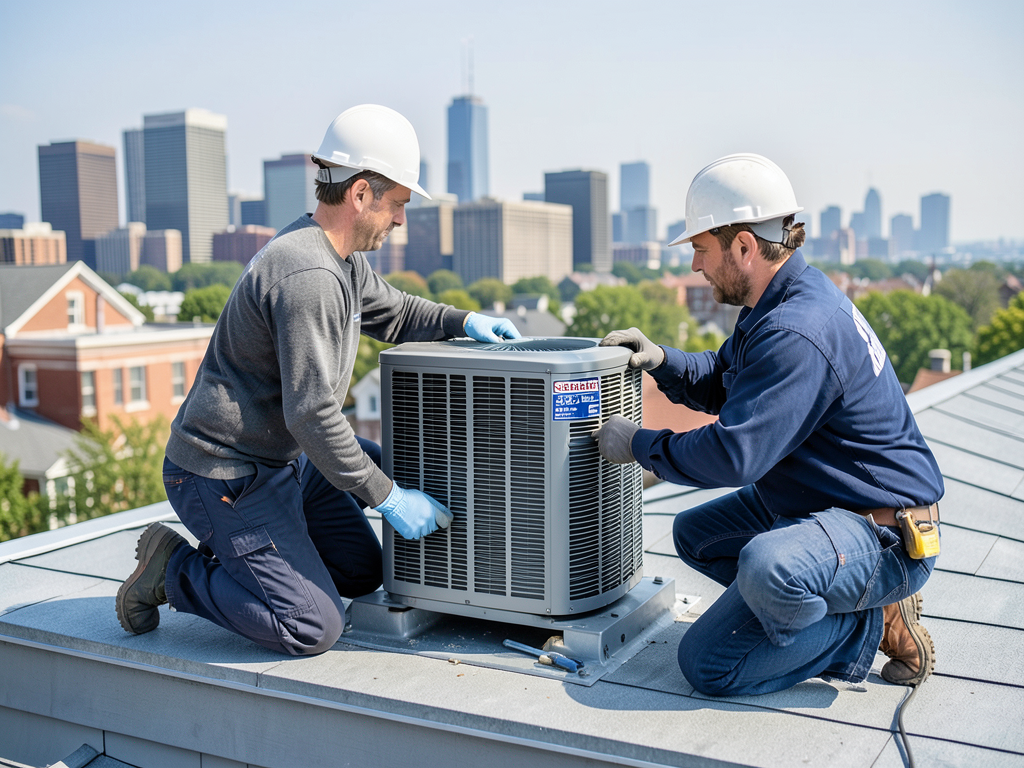
HVAC Services in The Boston Area

We are proud to serve our valued clients across the entire region. Whether you're in the city center or a surrounding community, our dedicated team is ready to provide top-notch HVAC services right to your doorstep. You can locate our main office here, and we encourage you to reach out to schedule a service, explore our offerings, or discuss your heating and cooling needs with our expert team. We look forward to serving you!

Address:
Titan HVAC Boston, 94 Shirley St, Boston, MA, 02119

Additional Services We Offer

Our news updates

Latest Articles & News from The Blogs

Is Radiant Floor Heating Worth the Investment for Your Winthrop Bathroom Remodel? Radiant floor heating delivers consistent warmth from the…

Is Radiant Floor Heating Worth the Investment for Your Winthrop Bathroom Remodel?

Is Radiant Floor Heating Worth the Investment for Your Winthrop Bathroom Remodel? Radiant floor heating delivers consistent warmth from the…

Managing the High Cost of Heating an Industrial Loft in the Fort Point District

Managing the High Cost of Heating an Industrial Loft in the Fort Point District Fort Point lofts face unique heating…

What to Look for When Hiring an HVAC Tech for a Historic Renovation in Belmont

What to Look for When Hiring an HVAC Tech for a Historic Renovation in Belmont Belmont’s historic homes deserve HVAC…

Contact Us

Find out if geothermal heating and cooling makes sense for your Boston property. Call Titan HVAC Boston at (617) 758-1599 for a no-obligation consultation. Our geothermal specialists will evaluate your site, calculate potential savings, and explain available incentives. Schedule your assessment today.