
What to Look for When Hiring an HVAC Tech for a Historic Renovation in Belmont
Belmont’s historic homes deserve HVAC systems that preserve their character while delivering modern comfort. The right HVAC technician brings specialized knowledge of high-velocity systems, Boston Landmarks Commission requirements, and preservation techniques that protect original plaster and woodwork. Belmont Historic District Commission.
Finding a true specialist means looking beyond basic licensing to verify experience with historic properties, understanding of preservation guidelines, and demonstrated success with non-invasive installations in homes built before 1940. Finding the Right Ductless Mini Split for a Beacon Hill Brownstone.
Understanding Belmont’s Historic Home Challenges
Belmont’s architectural heritage includes Victorian-era homes, Colonial Revival structures, and early 20th-century Craftsman designs. These buildings present unique HVAC challenges that standard contractors rarely encounter.
Historic Belmont homes typically feature lath and plaster walls that crumble when disturbed, narrow wall cavities that cannot accommodate traditional ductwork, and original wood windows that leak air. The dense clay soil common in Belmont’s landscape also affects foundation stability and outdoor unit placement. Upgrading Historic Back Bay Homes with Central Air (Without Ruining the Interior Walls).
Many Belmont properties fall within historic districts where exterior modifications require approval from the Belmont Historic District Commission. This means condenser units must be placed discreetly, often requiring creative solutions like rooftop installations or screened side-yard locations. The Most Reliable Heat Pump Installation Teams in Cambridge.
Specialized HVAC Systems for Historic Properties
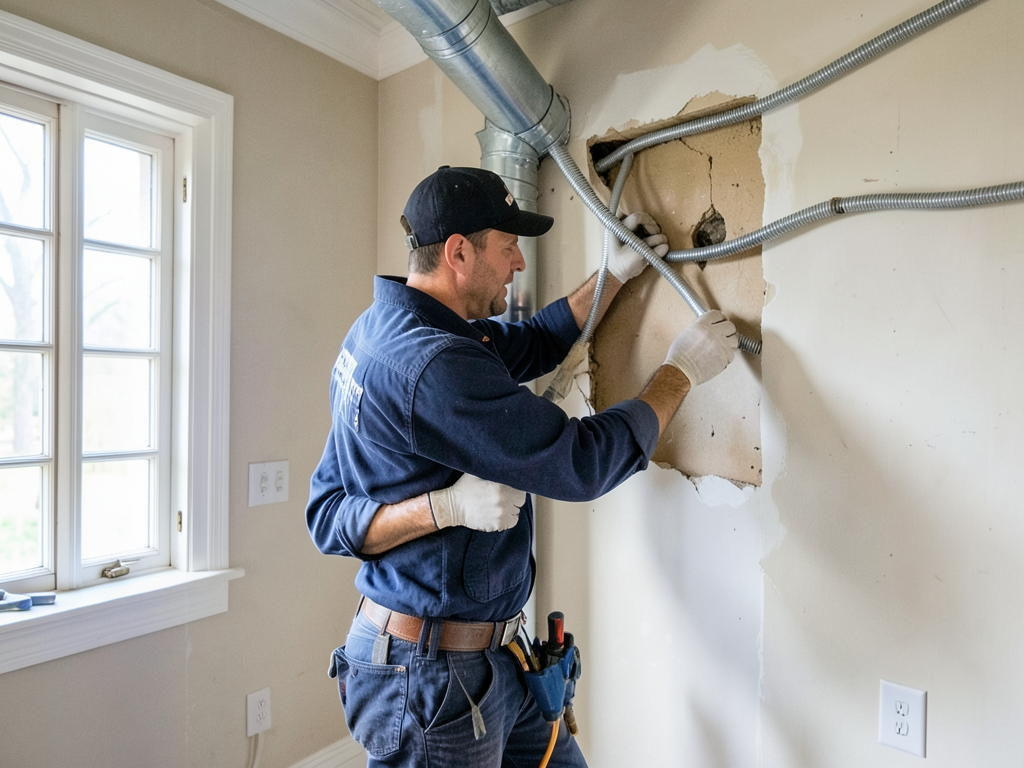
Standard ducted systems rarely work in historic Belmont homes. High-velocity HVAC systems like Unico and SpacePak use small, flexible ducts that fit within existing wall cavities without removing plaster.. Read more about What to Do When Your Historic Steam Boiler Starts Leaking From the Bottom (Cambridge Guide).
These systems operate at higher air pressure than conventional units, allowing smaller ducts to deliver the same heating and cooling capacity. The main trunk line typically measures just 7 inches in diameter, compared to 24 inches for traditional ductwork.. Read more about Is Radiant Floor Heating Worth the Investment for Your Winthrop Bathroom Remodel?.
Ductless mini-split systems offer another preservation-friendly option. These wall-mounted units require only small refrigerant lines through exterior walls, preserving interior finishes. Modern mini-splits include inverter technology that adjusts compressor speed for optimal efficiency, reducing energy costs by up to 30% compared to older systems. Benefits of Inverter Technology.
Variable Refrigerant Flow (VRF) systems provide zoned climate control for larger historic properties. These systems use a single outdoor unit to serve multiple indoor units, each controlled independently. VRF technology allows different rooms to maintain different temperatures while sharing one system.
Navigating Belmont’s Preservation Guidelines
Belmont’s Historic District Commission follows guidelines similar to the National Park Service’s preservation standards. These rules prioritize maintaining original building materials and architectural features.
Exterior HVAC components face strict placement requirements. Condenser units must be positioned where they remain invisible from public streets and sidewalks. This often means installing units on rear roofs or within fenced side yards with decorative screening.
Interior modifications require careful planning. Original plaster walls cannot be demolished to create chase ways for ductwork. Instead, technicians must work within existing cavities or use surface-mounted systems that preserve wall integrity.
The Massachusetts State Building Code includes specific provisions for historic structures under Chapter 40C. These provisions allow alternative compliance methods when standard requirements would damage historic fabric. Mass Save energy efficiency rebates.
Diagnostic Testing for Historic Homes
Proper HVAC installation in historic homes begins with comprehensive diagnostic testing. A qualified technician uses blower door tests to measure air infiltration through original windows and doors.
Thermal imaging cameras reveal heat loss patterns through uninsulated walls and roofs. This technology shows exactly where energy escapes without requiring destructive testing of plaster walls.
Moisture meters check for hidden water damage that could affect system placement. Many Belmont homes built before 1920 used wood framing that may have deteriorated over decades of exposure to New England weather.
Load calculations must account for the unique thermal properties of historic construction. Heavy masonry walls, high ceilings, and original single-pane windows create heating and cooling challenges that standard software often underestimates.
Preservation vs. Performance: Finding Balance
The best HVAC specialists understand that preservation and performance are not mutually exclusive. Modern high-efficiency equipment can be integrated into historic structures without compromising their character.
Air sealing techniques focus on reducing infiltration through original windows rather than replacing them. Weatherstripping, storm windows, and careful caulking maintain historic appearance while improving energy efficiency.
Insulation installation requires specialized approaches. Cellulose can be blown into wall cavities through small access holes, avoiding wholesale demolition of plaster walls. Attic insulation can be added without disturbing original ceiling finishes.
Ventilation systems must work with existing architecture. ERV (Energy Recovery Ventilator) units provide fresh air without large duct runs, maintaining indoor air quality while preserving historic spaces.
Questions to Ask Your HVAC Specialist
Experience with historic properties separates true specialists from general contractors. Ask specific questions about their work with Belmont’s architectural styles and preservation requirements.
Request examples of high-velocity system installations in homes similar to yours. A qualified specialist should describe specific projects, including the challenges faced and solutions implemented.. Read more about Why You Should Consider a Tankless Water Heater for Your Small North End Condo.
Verify familiarity with local preservation guidelines. The technician should understand Belmont’s historic district requirements and have experience obtaining necessary permits for exterior modifications.
Ask about diagnostic testing capabilities. Modern HVAC design for historic homes requires thermal imaging, blower door testing, and detailed load calculations beyond basic measurements.
Inquire about preservation techniques. The specialist should describe methods for protecting original plaster, woodwork, and other historic features during installation.
Red Flags to Watch For
Several warning signs indicate an HVAC contractor may not be suitable for historic renovation work. Avoid anyone who suggests demolishing plaster walls as a first option.
Contractors who lack knowledge of high-velocity or ductless systems may not understand preservation-friendly alternatives. Standard ducted systems often cause more damage than they solve in historic structures.
Anyone unfamiliar with local preservation guidelines poses risks. Improper installations can lead to permit denials, costly rework, or even legal issues with historic commissions.
Be wary of contractors who provide quotes without on-site evaluation. Historic homes require detailed assessment before accurate pricing can be determined.
Avoid specialists who cannot explain their diagnostic testing process. Modern HVAC design for historic properties requires sophisticated analysis beyond basic measurements.
Cost Considerations for Historic HVAC
Historic HVAC installations typically cost 15-30% more than standard replacements due to specialized equipment and preservation techniques. However, these systems often provide better long-term value through improved efficiency and preserved property value.
High-velocity systems range from $12,000 to $25,000 for whole-house installation, depending on home size and complexity. Ductless mini-splits cost $5,000 to $15,000 for comprehensive coverage.
Additional costs may include structural reinforcement for rooftop units, custom screening for condenser placement, or specialized electrical work for modern equipment in older homes.
Energy efficiency improvements often offset higher installation costs. Many historic homes see 20-40% reduction in heating and cooling costs after proper system installation.
Case Studies: Belmont Success Stories
A 1920s Colonial Revival in the Cushing Square area required complete HVAC replacement without disturbing original plaster walls. The solution involved a high-velocity system with strategically placed outlets that maintained the home’s architectural integrity while providing modern comfort.
A Victorian-era home near Belmont Center needed air conditioning without visible wall units. The installation used ductless mini-splits with low-profile indoor units that blended with historic trim work. Outdoor units were concealed behind a decorative lattice screen.
A 1910 Craftsman bungalow required heating system replacement while preserving original woodwork. The project used a high-efficiency boiler with radiant floor heating in select areas, maintaining the home’s character while improving comfort.
Frequently Asked Questions
Can I install central air in my historic Belmont home?
Yes, but it requires specialized approaches. High-velocity systems or ductless mini-splits provide central cooling without demolishing historic walls. These systems preserve original plaster while delivering modern comfort.
How long does historic HVAC installation take?
Most historic HVAC projects require 3-5 days for complete installation. This includes diagnostic testing, system design, and careful installation that protects historic features. Complex projects may take longer depending on home size and preservation requirements.
Will I need permits for HVAC work in a historic home?
Most HVAC installations require building permits. Exterior modifications in historic districts need additional approval from the Belmont Historic District Commission. A qualified specialist handles all permitting requirements as part of the project.
Are there energy efficiency rebates for historic homes?
Yes. Mass Save offers rebates for high-efficiency HVAC equipment, including systems suitable for historic homes. Some programs provide additional incentives for preserving original features while improving energy performance.
How do I maintain HVAC systems in historic homes?
Historic HVAC systems require regular maintenance to ensure optimal performance. Annual professional servicing, monthly filter changes, and prompt attention to any issues help protect both the system and the historic structure.
Making Your Final Decision
Choosing the right HVAC specialist for your historic Belmont home requires careful evaluation of experience, preservation knowledge, and technical capabilities. The investment in proper expertise protects both your comfort and your home’s historic value.
Request detailed proposals from multiple specialists, comparing their approaches to preservation, system recommendations, and understanding of local requirements. The lowest price rarely provides the best value for historic properties.
Verify credentials beyond basic licensing. Look for specialists with demonstrated experience in historic preservation, membership in preservation organizations, and positive references from similar projects.
Trust your instincts about communication and professionalism. A specialist who takes time to understand your home’s unique characteristics and preservation goals will likely provide better results than one pushing standard solutions.
Call (617) 758-1599 today to schedule your historic home HVAC consultation. Our specialists understand Belmont’s unique architectural heritage and preservation requirements, ensuring your home stays comfortable while maintaining its historic character.
You may also find this helpful. Finding a Trustworthy AC Repair Company in Brighton.
{
“@context”: “https://schema.org”,
“@type”: “BlogPosting”,
“headline”: “What to Look for When Hiring an HVAC Tech for a Historic Renovation in Belmont”,
“description”: “Find an HVAC expert who understands Belmont’s historic homes. Learn about high-velocity systems, preservation guidelines, and what separates true specialists from general contractors.”,
“wordCount”: 1587,
“datePublished”: “2026-04-06T07:35:00.000Z”,
“dateModified”: “2026-04-06T07:35:00.000Z”,
“inLanguage”: “en-US”,
“mainEntityOfPage”: {
“@type”: “WebPage”,
“@id”: “https://titanhvacboston.com”
},
“publisher”: {
“@type”: “LocalBusiness”,
“name”: “Titan HVAC Boston”,
“url”: “https://titanhvacboston.com”
},
“author”: {
“@type”: “Organization”,
“name”: “Titan HVAC Boston”,
“url”: “https://titanhvacboston.com”
},
“image”: {
“@type”: “ImageObject”,
“url”: “https://titanhvacboston.com/wp-content/uploads/2026/03/what-to-look-for-when-hiring-an-hvac-tech-for-a-hi-1.png”
}
}
{
“@context”: “https://schema.org”,
“@type”: “HVACBusiness”,
“name”: “Titan HVAC Boston”,
“url”: “https://titanhvacboston.com”,
“address”: {
“@type”: “PostalAddress”,
“addressLocality”: “Boston”
},
“areaServed”: {
“@type”: “City”,
“name”: “Boston”
}
}
{
“@context”: “https://schema.org”,
“@type”: “FAQPage”,
“mainEntity”: [
{
“@type”: “Question”,
“name”: “Can I install central air in my historic Belmont home?”,
“acceptedAnswer”: {
“@type”: “Answer”,
“text”: “Yes, but it requires specialized approaches. High-velocity systems or ductless mini-splits provide central cooling without demolishing historic walls. These systems preserve original plaster while delivering modern comfort.”
}
},
{
“@type”: “Question”,
“name”: “How long does historic HVAC installation take?”,
“acceptedAnswer”: {
“@type”: “Answer”,
“text”: “Most historic HVAC projects require 3-5 days for complete installation. This includes diagnostic testing, system design, and careful installation that protects historic features. Complex projects may take longer depending on home size and preservation requirements.”
}
},
{
“@type”: “Question”,
“name”: “Will I need permits for HVAC work in a historic home?”,
“acceptedAnswer”: {
“@type”: “Answer”,
“text”: “Most HVAC installations require building permits. Exterior modifications in historic districts need additional approval from the Belmont Historic District Commission. A qualified specialist handles all permitting requirements as part of the project.”
}
},
{
“@type”: “Question”,
“name”: “Are there energy efficiency rebates for historic homes?”,
“acceptedAnswer”: {
“@type”: “Answer”,
“text”: “Yes. Mass Save offers rebates for high-efficiency HVAC equipment, including systems suitable for historic homes. Some programs provide additional incentives for preserving original features while improving energy performance.”
}
},
{
“@type”: “Question”,
“name”: “How do I maintain HVAC systems in historic homes?”,
“acceptedAnswer”: {
“@type”: “Answer”,
“text”: “Historic HVAC systems require regular maintenance to ensure optimal performance. Annual professional servicing, monthly filter changes, and prompt attention to any issues help protect both the system and the historic structure.”
}
}
]
}
{
“@context”: “https://schema.org”,
“@type”: “BreadcrumbList”,
“itemListElement”: [
{
“@type”: “ListItem”,
“position”: 1,
“name”: “Home”,
“item”: “https://titanhvacboston.com”
},
{
“@type”: “ListItem”,
“position”: 2,
“name”: “Blog”,
“item”: “https://titanhvacboston.com/blog”
},
{
“@type”: “ListItem”,
“position”: 3,
“name”: “What to Look for When Hiring an HVAC Tech for a Historic Renovation in Belmont”
}
]
}
{
“@context”: “https://schema.org”,
“@type”: “Service”,
“serviceType”: “HVAC”,
“provider”: {
“@type”: “LocalBusiness”,
“name”: “Titan HVAC Boston”,
“url”: “https://titanhvacboston.com”
},
“areaServed”: {
“@type”: “City”,
“name”: “Boston”
},
“description”: “Find an HVAC expert who understands Belmont’s historic homes. Learn about high-velocity systems, preservation guidelines, and what separates true specialists from general contractors.”
}