
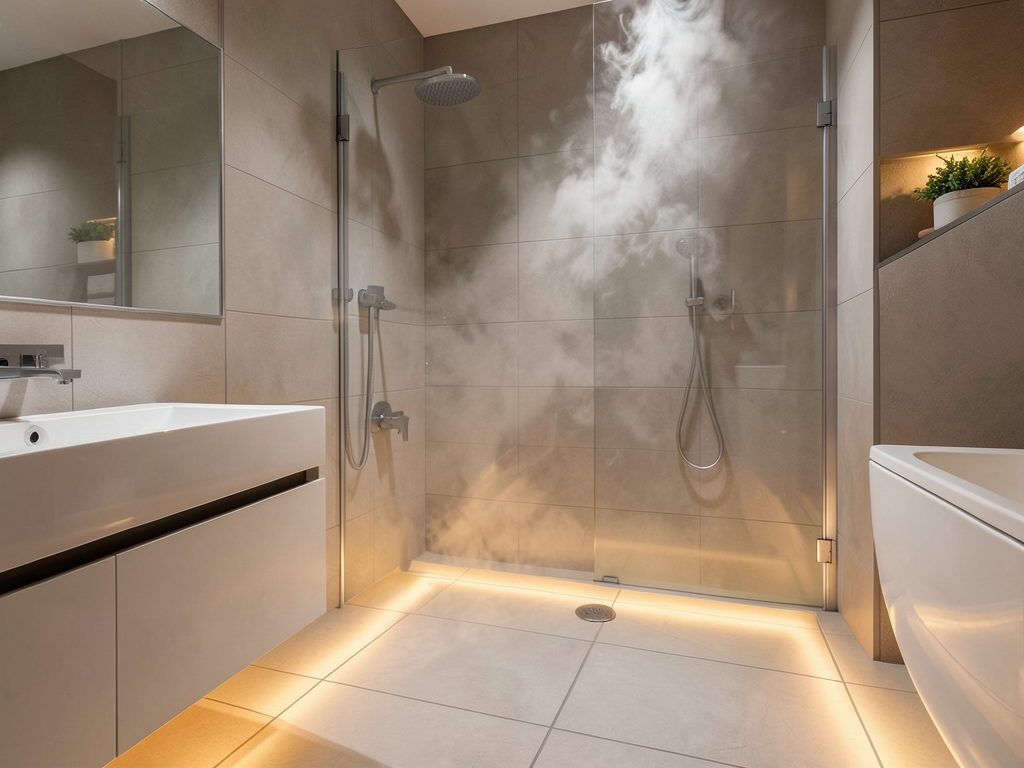
Is Radiant Floor Heating Worth the Investment for Your Winthrop Bathroom Remodel?
Radiant floor heating delivers consistent warmth from the ground up making your bathroom a cozy retreat during New England winters. For Winthrop homeowners dealing with cold mornings near the coast this upgrade can transform daily comfort. But is the investment justified when you factor in installation costs and long-term energy savings. Let’s break down the facts so you can decide if radiant heat fits your remodel plans. The Most Reliable Heat Pump Installation Teams in Cambridge.
How Radiant Floor Heating Works in a Bathroom Setting
Radiant floor systems use either electric resistance cables or hydronic tubing to heat the floor surface. Electric mats install directly under tile providing quick response times for smaller spaces. Hydronic systems circulate warm water through PEX tubing connected to a boiler or heat pump offering lower operating costs for larger areas. In a Winthrop bathroom the choice depends on your square footage existing infrastructure and how you use the space.
Electric systems heat up in 30 to 60 minutes making them ideal for occasional use. Hydronic systems take 2 to 4 hours to reach target temperature but maintain heat longer with less energy. Both options eliminate cold spots and reduce the need for bulky radiators freeing up wall space in tight bathroom layouts.
Comparing Electric vs Hydronic Systems for Your Project
| Feature | Electric Radiant | Hydronic Radiant |
|---|---|---|
| Installation Cost | $10 to $20 per square foot | $12 to $25 per square foot |
| Operating Cost | Higher per BTU | Lower per BTU |
| Response Time | 30-60 minutes | 2-4 hours |
| Best For | Small bathrooms remodels | Whole home or large bathrooms |
Electric systems win on simplicity and speed. Hydronic systems win on efficiency for whole home integration. In Winthrop where winters can dip below freezing hydronic setups pair well with high-efficiency boilers to maximize savings.
Benefits That Matter Most in Coastal New England
Winthrop’s coastal location means cold damp mornings are common from November through March. Radiant heat eliminates the shock of stepping onto cold tile delivering consistent floor temperatures around 75 to 80 degrees. This even heating reduces the need for supplemental space heaters and can lower overall energy consumption by 10 to 15 percent compared to forced air systems.
Radiant systems also improve indoor air quality by not blowing dust and allergens through ducts. For allergy sufferers or those with respiratory issues this can mean fewer symptoms during peak heating season. The lack of moving air also reduces dry skin and static shock common in New England winters.
Installation Considerations for Older Homes
Many Winthrop homes were built before 1970 with wood subfloors and limited access to crawl spaces. Installing radiant heat in these structures requires careful planning. Electric mats can overlay existing subfloors with minimal height increase. Hydronic systems often need access from below or require removing and replacing the subfloor entirely.
Floor height becomes critical in bathrooms with existing fixtures. A typical radiant system adds 1/2 to 3/4 inch to floor height which can affect door clearances and toilet flange height. In some cases a small step up into the bathroom becomes necessary. Working with a contractor familiar with Winthrop’s housing stock ensures these details are addressed before demolition begins. What to Do When Your Back Bay AC Unit Stops Working in July.
Cost Breakdown and ROI for 2026
Average installation costs in the Boston metro area run $12 to $20 per square foot for electric and $15 to $25 per square foot for hydronic systems. A typical 50 square foot bathroom might cost $600 to $1000 for electric or $750 to $1250 for hydronic materials and labor.
Operating costs depend on local utility rates. In 2026 National Grid natural gas averages $1.50 per therm while electricity runs around $0.28 per kilowatt hour. Hydronic systems using a 95 percent efficient boiler can cost 30 to 40 percent less to operate annually than electric mats. Over a 10 year period the efficiency gap can offset the higher upfront cost of hydronic installation. National Grid utility rates.
Energy Efficiency and Environmental Impact
Radiant heat operates at lower water temperatures than traditional radiators typically 90 to 110 degrees versus 150 to 180 degrees. This efficiency pairs well with modern condensing boilers and air source heat pumps. When integrated with a heat pump system radiant floors can achieve seasonal efficiencies above 300 percent.
For homeowners concerned about carbon footprint hydronic systems offer the best path to renewable integration. Solar thermal collectors can preheat water for the system reducing natural gas consumption. Electric mats can run on clean grid power or dedicated solar panels. Both options contribute to Massachusetts’ goal of net zero emissions by 2050. Mass Save rebates.
Maintenance Requirements and Longevity
Electric radiant systems require virtually no maintenance beyond the thermostat. The heating elements are embedded in mats or cables with 25 year warranties common. Hydronic systems need annual boiler maintenance including pressure checks and corrosion inhibitor top offs. PEX tubing carries a 50 year life expectancy when installed correctly.
The main vulnerability for hydronic systems is leaks at manifold connections or valve failures. Annual inspections catch these issues before they cause damage. Electric systems rarely fail but damaged cables from remodeling work can be difficult to locate and repair without specialized tools.
Compatibility with Bathroom Flooring Materials
Tile and stone conduct heat best making them the ideal choice for radiant floors. Porcelain and ceramic tiles transfer heat efficiently while providing a durable waterproof surface. Natural stone like marble or slate adds luxury but may require sealing to prevent moisture damage.
Luxury vinyl plank can work with radiant heat but verify the product is rated for floor warming. Some vinyls soften at high temperatures causing gaps or adhesive failure. Engineered hardwood offers a wood look with better stability than solid hardwood but still requires careful moisture control.
Smart Controls and Zoning Options
Modern radiant systems integrate with smart thermostats for precise scheduling and remote control. WiFi enabled thermostats learn your routine and adjust heating to match occupancy reducing wasted energy. In a bathroom this means warm floors when you wake up and cool down during work hours.
Zone control allows different temperatures in different rooms. A master bathroom can run at 80 degrees while a guest bath stays at 70 saving energy. Some systems integrate with whole home automation platforms like Control4 or Crestron for unified management of lighting HVAC and security.
Mass Save and Local Rebate Opportunities
Massachusetts residents can access Mass Save rebates for high efficiency heating equipment. While radiant floor systems rarely qualify directly the boilers and heat pumps that power them often do. A 95 percent efficient boiler might earn a $500 to $1000 rebate reducing overall project cost.
The Mass Save HEAT Loan program offers 0 percent interest financing for energy efficiency upgrades up to $50000 with terms up to 7 years. This can make radiant heat more affordable by spreading costs over time while energy savings offset monthly payments.
Common Mistakes to Avoid
Skipping a heat loss calculation leads to undersized systems that run constantly without reaching target temperature. Always have a professional perform a Manual J calculation specific to your bathroom dimensions and insulation levels.
Installing over inadequate insulation causes heat to escape downward wasting energy. Use at least R-10 insulation beneath the heating elements especially in crawl spaces or over unconditioned basements.
Choosing the wrong flooring material can void warranties or cause system failure. Verify all materials are rated for radiant heat before purchase.
Real World Performance in New England Winters
During the 2022-2023 winter Boston saw 50 days below freezing with several polar vortex events. Radiant floors maintained consistent comfort even when outdoor temperatures dropped to -10 degrees. The thermal mass of tile floors continued radiating heat for hours after the system cycled off reducing overall run time.
In older Winthrop homes with drafty windows radiant heat compensates for heat loss through creating a comfort buffer. The even heating eliminates cold spots near exterior walls where traditional radiators struggle to maintain temperature.
Is Radiant Heat Worth It for Your Bathroom
The answer depends on your priorities and budget. If you value luxury comfort and improved air quality the upgrade delivers immediate satisfaction. If you focus on long term energy savings hydronic systems with high efficiency boilers provide the best return on investment especially for larger bathrooms or whole home integration.
For a typical 50 square foot bathroom the added cost ranges from $800 to $1500 over traditional heating. Annual operating savings of $50 to $150 mean the system pays for itself in 10 to 20 years. The non monetary benefits of warm floors and improved air quality often justify the investment regardless of payback period. Benefits of Inverter Technology.
Call (617) 758-1599 today to schedule your inspection. Our team will evaluate your bathroom layout existing heating system and insulation to recommend the best radiant solution for your Winthrop home.
Frequently Asked Questions
How long does radiant floor heating take to warm up?
Electric systems reach target temperature in 30 to 60 minutes while hydronic systems take 2 to 4 hours due to the thermal mass of water and flooring materials.
Can I install radiant heat under existing tile?
Yes electric mats can install over existing tile with minimal height increase. Hydronic systems typically require removing the existing floor to access the subfloor.
Does radiant heat work with all flooring types?
Tile and stone work best. Engineered hardwood and luxury vinyl can work if rated for radiant heat. Solid hardwood and carpet insulate too much reducing efficiency.
What maintenance does radiant floor heating need?
Electric systems need no maintenance. Hydronic systems require annual boiler service including pressure checks and corrosion inhibitor top offs.
Are there rebates available for radiant floor heating in Massachusetts?
Direct rebates for radiant systems are rare but Mass Save offers rebates for high efficiency boilers and heat pumps that power hydronic systems. The HEAT Loan program provides 0 percent financing for qualifying upgrades. For more information, visit Department of Energy radiant heating guide.
You may also find this helpful. Why You Should Consider a Tankless Water Heater for Your Small North End Condo.
{
“@context”: “https://schema.org”,
“@type”: “BlogPosting”,
“headline”: “Is Radiant Floor Heating Worth the Investment for Your Winthrop Bathroom Remodel?”,
“description”: “Discover if radiant floor heating is worth the investment for your Winthrop bathroom remodel. Compare electric vs hydronic systems, costs, and energy savings.”,
“wordCount”: 1672,
“datePublished”: “2026-04-08T08:24:00.000Z”,
“dateModified”: “2026-04-08T08:24:00.000Z”,
“inLanguage”: “en-US”,
“mainEntityOfPage”: {
“@type”: “WebPage”,
“@id”: “https://titanhvacboston.com”
},
“publisher”: {
“@type”: “LocalBusiness”,
“name”: “Titan HVAC Boston”,
“url”: “https://titanhvacboston.com”
},
“author”: {
“@type”: “Organization”,
“name”: “Titan HVAC Boston”,
“url”: “https://titanhvacboston.com”
},
“image”: {
“@type”: “ImageObject”,
“url”: “https://titanhvacboston.com/wp-content/uploads/2026/03/is-radiant-floor-heating-worth-the-investment-for-1.png”
}
}
{
“@context”: “https://schema.org”,
“@type”: “HVACBusiness”,
“name”: “Titan HVAC Boston”,
“url”: “https://titanhvacboston.com”,
“address”: {
“@type”: “PostalAddress”,
“addressLocality”: “Boston”
},
“areaServed”: {
“@type”: “City”,
“name”: “Boston”
}
}
{
“@context”: “https://schema.org”,
“@type”: “FAQPage”,
“mainEntity”: [
{
“@type”: “Question”,
“name”: “How long does radiant floor heating take to warm up?”,
“acceptedAnswer”: {
“@type”: “Answer”,
“text”: “Electric systems reach target temperature in 30 to 60 minutes while hydronic systems take 2 to 4 hours due to the thermal mass of water and flooring materials.”
}
},
{
“@type”: “Question”,
“name”: “Can I install radiant heat under existing tile?”,
“acceptedAnswer”: {
“@type”: “Answer”,
“text”: “Yes electric mats can install over existing tile with minimal height increase. Hydronic systems typically require removing the existing floor to access the subfloor.”
}
},
{
“@type”: “Question”,
“name”: “Does radiant heat work with all flooring types?”,
“acceptedAnswer”: {
“@type”: “Answer”,
“text”: “Tile and stone work best. Engineered hardwood and luxury vinyl can work if rated for radiant heat. Solid hardwood and carpet insulate too much reducing efficiency.”
}
},
{
“@type”: “Question”,
“name”: “What maintenance does radiant floor heating need?”,
“acceptedAnswer”: {
“@type”: “Answer”,
“text”: “Electric systems need no maintenance. Hydronic systems require annual boiler service including pressure checks and corrosion inhibitor top offs.”
}
},
{
“@type”: “Question”,
“name”: “Are there rebates available for radiant floor heating in Massachusetts?”,
“acceptedAnswer”: {
“@type”: “Answer”,
“text”: “Direct rebates for radiant systems are rare but Mass Save offers rebates for high efficiency boilers and heat pumps that power hydronic systems. The HEAT Loan program provides 0 percent financing for qualifying upgrades. For more information, visit Department of Energy radiant heating guide.”
}
}
]
}
{
“@context”: “https://schema.org”,
“@type”: “BreadcrumbList”,
“itemListElement”: [
{
“@type”: “ListItem”,
“position”: 1,
“name”: “Home”,
“item”: “https://titanhvacboston.com”
},
{
“@type”: “ListItem”,
“position”: 2,
“name”: “Blog”,
“item”: “https://titanhvacboston.com/blog”
},
{
“@type”: “ListItem”,
“position”: 3,
“name”: “Is Radiant Floor Heating Worth the Investment for Your Winthrop Bathroom Remodel?”
}
]
}
{
“@context”: “https://schema.org”,
“@type”: “Service”,
“serviceType”: “HVAC”,
“provider”: {
“@type”: “LocalBusiness”,
“name”: “Titan HVAC Boston”,
“url”: “https://titanhvacboston.com”
},
“areaServed”: {
“@type”: “City”,
“name”: “Boston”
},
“description”: “Discover if radiant floor heating is worth the investment for your Winthrop bathroom remodel. Compare electric vs hydronic systems, costs, and energy savings.”
}