




Menu

Boiler Services in Boston – Expert Repair, Installation & Maintenance for Residential and Commercial Systems

Titan HVAC Boston delivers comprehensive boiler repair, replacement, and maintenance services engineered for New England's demanding heating season, keeping your property warm through the coldest winters.

Slider Image 1
Slider Image 2
Slider Image 3
Slider Image 4
Slider Image 5
Slider Image 7
Slider Image 8
Slider Image 9
Slider Image 10
Slider Image 11

Why Boston's Climate Demands Reliable Boiler Performance

Boston winters punish heating systems. When temperatures drop below freezing for weeks at a stretch, your boiler runs continuously. The freeze-thaw cycles that define New England weather create thermal stress on heat exchangers and pressure vessels. Add the corrosive effects of salt air in coastal neighborhoods like Charlestown and Seaport, and you understand why boiler maintenance matters here more than in milder climates.

Older Boston neighborhoods feature century-old cast iron radiators and steam distribution systems. These hydronic heating systems require specific expertise. A boiler technician who learned their trade in Phoenix cannot diagnose the water hammer issues common in triple-decker apartments across Dorchester and Jamaica Plain. The cast iron piping in South End brownstones behaves differently than modern PEX installations.

Boston's high water table and damp basement conditions accelerate corrosion on boiler components. Condensate return lines rust faster. Expansion tanks fail prematurely. When your boiler installation was completed decades ago, parts become obsolete. You need a service provider who understands both legacy systems and modern condensing boilers.

Boiler repair calls spike in January and February when systems fail under maximum load. Boiler replacement becomes urgent when heat loss threatens pipe freezing. Proper boiler servicing before heating season prevents these emergency situations. The question is not whether your boiler needs professional attention, but when you schedule it.

Why Boston's Climate Demands Reliable Boiler Performance
How Professional Boiler Services Protect Your Investment

How Professional Boiler Services Protect Your Investment

Effective boiler maintenance starts with combustion analysis. We measure flue gas temperature, oxygen levels, and carbon monoxide output using calibrated instruments. These readings reveal combustion efficiency and identify safety hazards before they become dangerous. A boiler operating at 75% efficiency wastes 25% of your fuel budget.

We inspect heat exchangers for scale buildup and corrosion. Scale accumulation acts as insulation, forcing your boiler to work harder and waste fuel. We test pressure relief valves to confirm they open at rated pressure. A stuck relief valve creates explosion risk. We examine circulator pumps for bearing wear and verify proper flow rates through distribution zones.

Boiler installation requires precise sizing calculations. Oversized boilers short-cycle, reducing efficiency and equipment lifespan. Undersized boilers cannot maintain temperature during peak demand. We calculate heat loss room by room, factoring in Boston's average winter design temperature of 9 degrees Fahrenheit. We match boiler output to actual load requirements.

Modern condensing boilers achieve 95% efficiency but require different venting and condensate drainage than atmospheric boilers. We install PVC vent piping with proper slope to prevent condensate pooling. We verify combustion air supply meets manufacturer specifications. We configure outdoor reset controls to modulate water temperature based on outdoor conditions, maximizing efficiency across the heating season.

Boiler replacement decisions depend on repair costs versus remaining equipment life. When a 20-year-old boiler needs a new heat exchanger, replacement makes more financial sense than repair. We present options with honest cost-benefit analysis, not sales pressure.

What Happens During Your Boiler Service Appointment

Boiler Services in Boston – Expert Repair, Installation & Maintenance for Residential and Commercial Systems
01

System Inspection and Testing

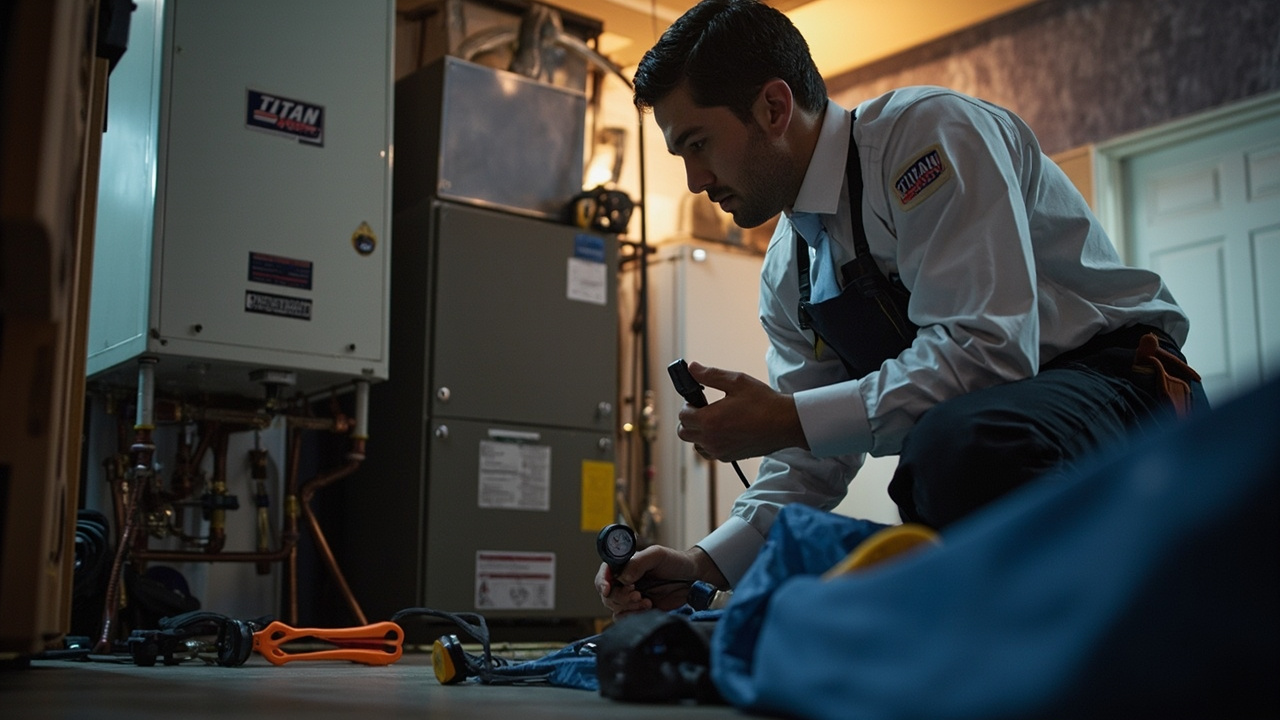
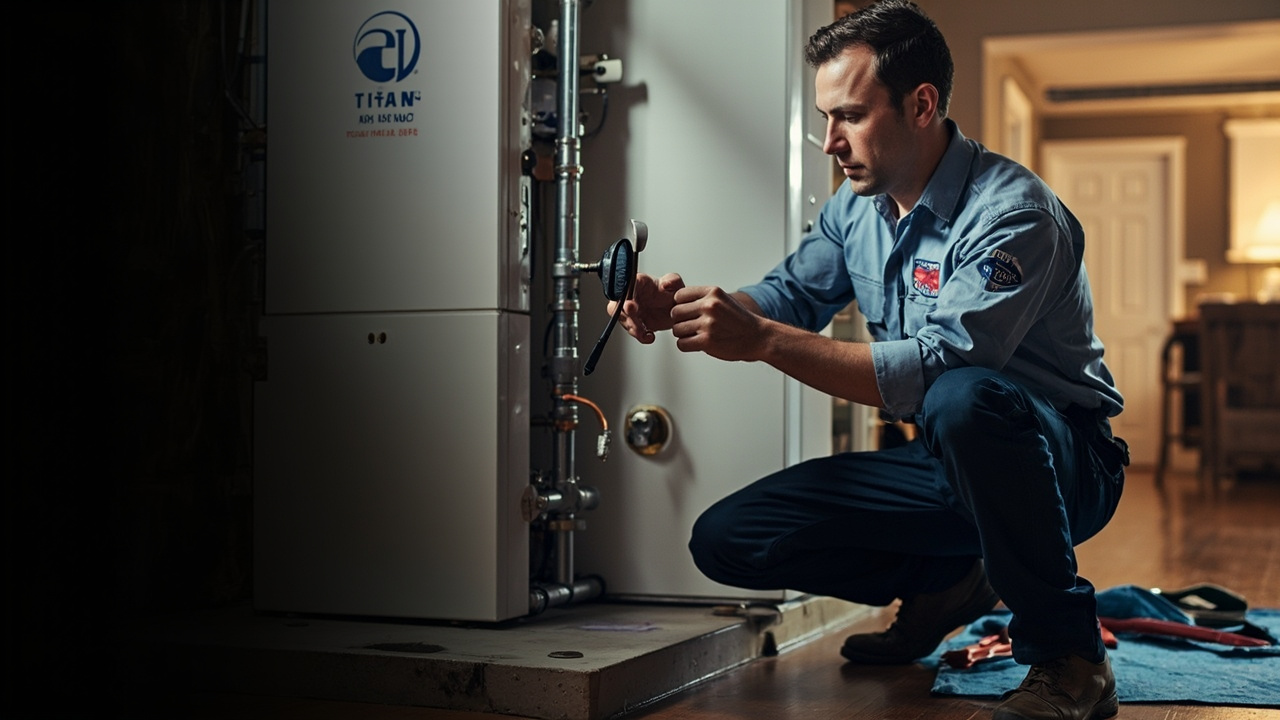
We arrive with diagnostic equipment and begin by observing your boiler through a complete heating cycle. We check flame pattern, listen for unusual sounds, and monitor pressure gauges. We test safety controls including low water cutoffs and pressure relief valves. We inspect all accessible piping for leaks, corrosion, and proper insulation. This diagnostic phase identifies both immediate problems and developing issues that need monitoring.
02

Cleaning and Adjustment

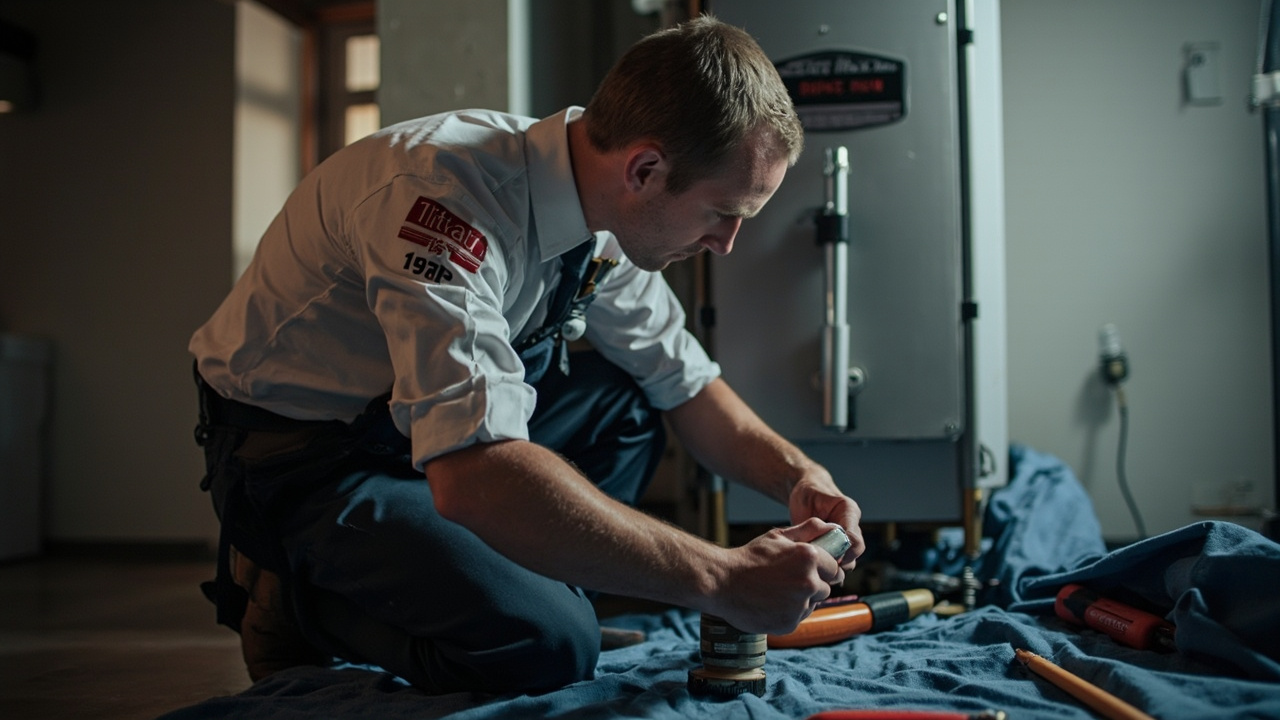
We clean burner assemblies, removing soot and debris that reduce efficiency. We brush heat exchanger surfaces to remove scale deposits. We lubricate circulator pump bearings and verify proper rotation. We test and calibrate aquastat controls for accurate temperature regulation. We bleed air from distribution zones and verify all radiators heat properly. We adjust burner settings to achieve optimal combustion, confirmed through flue gas analysis.
03

Documentation and Recommendations

We document all findings, including combustion test results, pressure readings, and equipment condition. We explain what we found in plain language. If we identify problems, we prioritize them by urgency and safety risk. You receive written recommendations with clear explanations of why each repair matters. We answer your questions about boiler operation, efficiency improvements, and replacement timing. You make informed decisions based on facts, not fear.

Why Boston Property Owners Choose Titan HVAC for Boiler Services

Boston's building stock ranges from Colonial-era structures to modern high-rises. We service both extremes. We have restored steam heating in Beacon Hill townhouses and installed modular boiler systems in Cambridge office buildings. This range of experience matters when you need someone who can diagnose a gravity return system or commission a Building Management System.

Massachusetts requires refrigeration and oil burner licenses for HVAC technicians working on boilers. We maintain all required state certifications. We stay current on Massachusetts fuel gas code updates and Boston-specific permit requirements. When your boiler installation requires city permits, we handle the paperwork and inspections.

We stock parts for common boiler brands including Weil-McLain, Buderus, and Burnham. Our trucks carry circulators, aquastats, pressure gauges, and relief valves. This parts inventory means we complete most repairs in a single visit. When we need to order components, we source them quickly through local suppliers.

Our service area covers Boston proper and surrounding communities. We know how to navigate parking restrictions in narrow North End streets. We understand the access challenges of basement boiler rooms in multi-family buildings throughout Allston and Brighton. We schedule service windows that work for condo associations and property managers coordinating with residents.

We provide both emergency repair and planned maintenance. When your boiler fails on a Sunday night in January, we respond. When you want to schedule annual servicing in September before heating season, we book that appointment and send reminders. You choose the service model that fits your situation and budget.

What to Expect from Titan HVAC Boiler Services

Response Times and Scheduling

We dispatch emergency boiler repair calls within two hours during business hours and within four hours for after-hours emergencies. When you have no heat in winter, we prioritize your call. For routine boiler maintenance, we typically schedule appointments within three to five business days. We provide two-hour arrival windows and call 30 minutes before arrival. We respect your schedule and your property. Our technicians wear shoe covers, use drop cloths, and clean up completely before leaving.

Diagnostic Process and Transparency

Every service call begins with diagnosis, not assumptions. We test components systematically to identify root causes. We explain what failed and why it failed. We show you the problem when possible. If your circulator seized due to bearing failure, we show you the locked rotor. If your heat exchanger cracked from thermal stress, we explain the crack location and failure mechanism. We provide written estimates before performing any repair work. You approve the work and the price before we proceed.

Quality of Work and Materials

We install manufacturer-specified parts, not generic substitutes. We use copper piping for water lines and black iron for gas piping. We follow torque specifications for flange bolts and clearance requirements for combustible materials. Our boiler installations meet or exceed Massachusetts fuel gas code requirements. We pressure test all piping before placing systems in service. We commission new equipment properly, verifying all safety controls function as designed. Our work passes inspection the first time because we do it correctly from the start.

Maintenance Plans and Follow-Up

We offer annual boiler maintenance agreements with priority scheduling and discounted service rates. Agreement customers receive reminder calls before heating season begins. We maintain service history on all equipment we install or service, tracking maintenance dates, repairs performed, and parts replaced. This documentation helps identify recurring problems and supports warranty claims. If issues develop after service, we return to verify our work and make it right. Our goal is reliable heat, not just completed service tickets.

Frequently Asked Questions

You Have Questions,
We Have Answers

How much should a full boiler service cost? +

A full boiler service in Boston typically varies based on system type and complexity. Gas boilers generally cost less than oil systems due to fewer components. Expect higher pricing for older homes in neighborhoods like Beacon Hill or Back Bay, where accessing tight mechanical rooms adds labor time. Pricing includes labor, diagnostic testing, minor adjustments, and filter replacement. Combo systems or high-efficiency condensing units may cost more due to additional inspection points. Get quotes from licensed contractors who pull permits and understand Massachusetts fuel gas codes. Seasonal demand affects pricing, with fall being peak season.

What is included in a boiler service? +

A complete boiler service includes visual inspection of the heat exchanger, burner assembly, and venting system. Technicians test combustion efficiency, check gas pressure or oil nozzle function, inspect safety controls like pressure relief valves and limit switches, and examine circulator pumps. They clean the burner, test for carbon monoxide leaks, flush sediment from the system, bleed radiators if needed, and verify proper thermostat operation. In Boston's older housing stock, technicians also check for proper chimney draft and inspect condensate drains on high-efficiency units. Documentation of findings and recommendations for repairs complete the service.

How much should boiler maintenance cost? +

Boiler maintenance costs vary based on service frequency and system complexity. Annual tune-ups cost less than emergency repairs. Oil-fired systems require more frequent attention than gas units due to soot buildup and nozzle wear. Boston's freeze-thaw cycles make regular maintenance critical to prevent mid-winter failures. Service plans often bundle annual maintenance with priority scheduling and discounts on repairs. Older cast-iron boilers in triple-deckers and brownstones may need additional service intervals. Budget for water treatment in areas with hard water to prevent scale buildup. Preventive maintenance always costs less than emergency breakdowns during January cold snaps.

How often does a boiler need to be serviced? +

Boilers need professional service annually before heating season begins. Schedule service in September or early October, before Boston's cold weather hits. Oil-fired boilers may benefit from twice-yearly service due to combustion byproducts. Homes with high heating demand or older systems should consider spring and fall check-ups. Commercial buildings and multi-family properties in areas like Allston-Brighton require more frequent inspection due to constant use. High-efficiency condensing boilers need annual maintenance to keep heat exchangers clean and condensate drains clear. Waiting until the system fails during winter leaves you vulnerable to frozen pipes and expensive emergency service calls.

What are signs my boiler needs a service? +

Strange noises like banging, whistling, or kettling indicate scale buildup or air in the system. Uneven heating across radiators or zones suggests circulation problems or trapped air. Yellow or flickering flames on gas boilers signal incomplete combustion and potential carbon monoxide issues. Increased fuel consumption without temperature changes means declining efficiency. Frequent pressure drops indicate leaks or expansion tank failure. Water pooling around the unit points to valve or seal problems. Boston's hard water accelerates mineral deposits, causing premature wear. Soot marks near oil burners or persistent pilot light problems require immediate attention. Address these signs quickly to prevent system failure.

What is the lifespan of a boiler? +

Boiler lifespan depends on fuel type, maintenance, and water quality. Cast-iron boilers in Boston's historic neighborhoods often last 25 to 35 years with proper care. Steel boilers typically run 15 to 20 years. High-efficiency condensing units average 15 to 20 years due to complex heat exchangers vulnerable to corrosion. Oil-fired systems may have shorter lifespans than gas units due to combustion byproducts. Water quality significantly impacts longevity. Boston's aging housing stock contains many boilers past their prime. Regular maintenance, proper water treatment, and quality installation extend life. Once repairs exceed half the replacement cost, consider upgrading to modern high-efficiency equipment.

What are common boiler problems? +

Common boiler problems include thermostat malfunctions, circulator pump failures, and pressure relief valve leaks. Air trapped in radiators causes cold spots and banging noises. Expansion tanks lose pre-charge pressure, causing frequent system shutoffs. Scale buildup reduces heat transfer efficiency. Gas valve problems prevent ignition, while oil nozzles clog with debris. Zone valves stick, leaving rooms cold. Boston's water chemistry accelerates corrosion in older systems. Frozen condensate lines plague high-efficiency boilers during extreme cold. Faulty aquastats cause short cycling. Leaking heat exchangers require replacement. Many problems stem from deferred maintenance. Annual service catches issues before they cause breakdowns during frigid January nights.

How much is an ideal boiler service? +

An ideal boiler service balances thoroughness with value. Expect comprehensive inspection of all safety controls, combustion testing with calibrated instruments, complete burner cleaning, and detailed reporting. Quality service includes checking proper venting, testing backflow preventers, inspecting expansion tanks, and verifying zone controls. Technicians should test for carbon monoxide, measure flue gas temperatures, and document efficiency readings. For Boston homes, checking proper chimney draft and condensate drainage prevents common failure modes. Avoid bare-minimum services that skip combustion analysis or safety testing. Choose contractors who follow manufacturer specifications and Massachusetts fuel gas codes. Quality service prevents expensive mid-winter emergencies and extends equipment life.

Do you really need a boiler service? +

Yes, annual boiler service is essential for safety, efficiency, and reliability. Skipping maintenance risks carbon monoxide exposure, system failures during bitter Boston winters, and voided manufacturer warranties. Regular service catches small problems before they become expensive repairs. Combustion efficiency drops over time without adjustment, wasting fuel. Safety controls degrade, creating hazards. Scale and sediment accumulate, reducing heat transfer. Insurance claims for fire or carbon monoxide incidents may be denied without documented maintenance records. Boston's building codes require proper maintenance for rental properties. Professional service pays for itself through fuel savings and prevents catastrophic mid-winter failures that leave you without heat.

What is the $5000 rule for HVAC? +

The $5000 rule is a replacement guideline: multiply repair cost by equipment age in years. If the result exceeds $5000, replacement makes more financial sense than repair. For example, a $500 repair on a 15-year-old boiler equals $7500, suggesting replacement. This rule considers that older equipment nearing end-of-life will likely need additional expensive repairs soon. Modern high-efficiency boilers offer better fuel economy, offsetting replacement cost through energy savings. Boston's harsh winters stress aging equipment. The rule helps homeowners make rational decisions instead of throwing money at failing systems. Consider efficiency gains, remaining lifespan, and total cost of ownership when deciding between repair and replacement.

How Boston's Heating Season Duration Affects Boiler Longevity and Maintenance Needs

Boston requires heating approximately 210 days per year, from October through April. This extended heating season means your boiler operates under load for seven months. Compare this to southern cities where heating systems run 90 days annually. The longer duty cycle accelerates wear on circulators, zone valves, and burner components. Scale buildup occurs faster. Combustion chambers experience more thermal cycles. This is why boiler maintenance matters more in New England than in milder climates. Skipping annual servicing in Boston creates reliability risks that would not exist in shorter heating seasons.

Massachusetts fuel gas code and Boston building codes establish minimum safety standards for boiler installation and repair. Licensed technicians must install gas piping, test for leaks, and verify proper venting. Local inspectors review permit applications and conduct final inspections. Working with properly licensed contractors protects you legally. If an unlicensed technician installs your boiler and carbon monoxide issues develop, your homeowner's insurance may deny claims. We maintain all required Massachusetts licenses and pull permits for installations that require them. This protects your investment and your safety.
HVAC Services in The Boston Area

We are proud to serve our valued clients across the entire region. Whether you're in the city center or a surrounding community, our dedicated team is ready to provide top-notch HVAC services right to your doorstep. You can locate our main office here, and we encourage you to reach out to schedule a service, explore our offerings, or discuss your heating and cooling needs with our expert team. We look forward to serving you!

Address:
Titan HVAC Boston, 94 Shirley St, Boston, MA, 02119

Additional Services We Offer

Our news updates

Latest Articles & News from The Blogs

Is Radiant Floor Heating Worth the Investment for Your Winthrop Bathroom Remodel? Radiant floor heating delivers consistent warmth from the…

Is Radiant Floor Heating Worth the Investment for Your Winthrop Bathroom Remodel?

Is Radiant Floor Heating Worth the Investment for Your Winthrop Bathroom Remodel? Radiant floor heating delivers consistent warmth from the…

Managing the High Cost of Heating an Industrial Loft in the Fort Point District

Managing the High Cost of Heating an Industrial Loft in the Fort Point District Fort Point lofts face unique heating…

What to Look for When Hiring an HVAC Tech for a Historic Renovation in Belmont

What to Look for When Hiring an HVAC Tech for a Historic Renovation in Belmont Belmont’s historic homes deserve HVAC…

Contact Us

Your boiler works hard through Boston winters. Give it the professional attention it needs. Call Titan HVAC Boston at (617) 758-1599 to schedule boiler maintenance, repair, or replacement. We answer calls seven days a week and dispatch technicians quickly for emergency situations.