




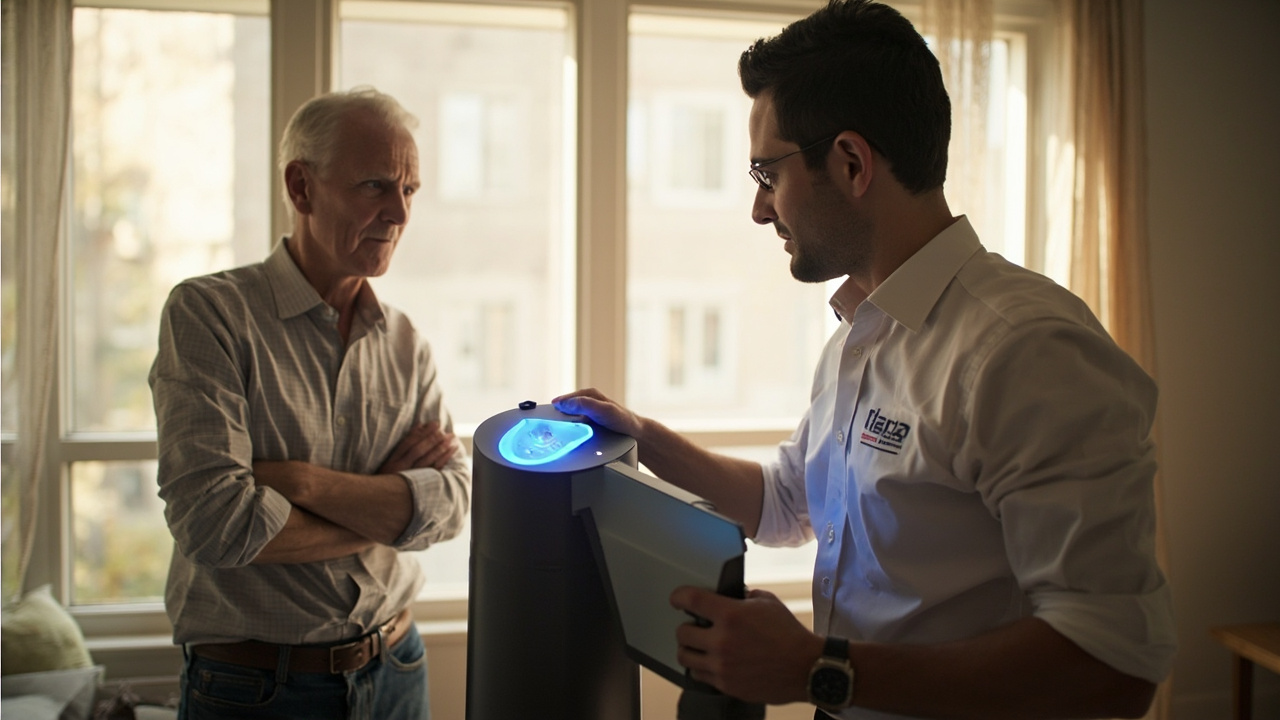


Boston's location on the Atlantic coast creates consistently high humidity levels that promote mold growth and dust mite populations in homes throughout the metro area. Relative humidity regularly exceeds 70 percent during summer months, especially in neighborhoods near the harbor like Seaport, East Boston, and Charlestown. This moisture encourages biological contaminants that central air cleaners effectively remove before they circulate through your living spaces. Whole-house air purifiers with antimicrobial filters or UV-C treatment specifically address the mold spore and bacteria concerns common to coastal New England homes. The constant humidity also means your HVAC system runs more frequently to maintain comfort, which increases how much air passes through your filtration system and accelerates air quality improvement compared to drier climates.
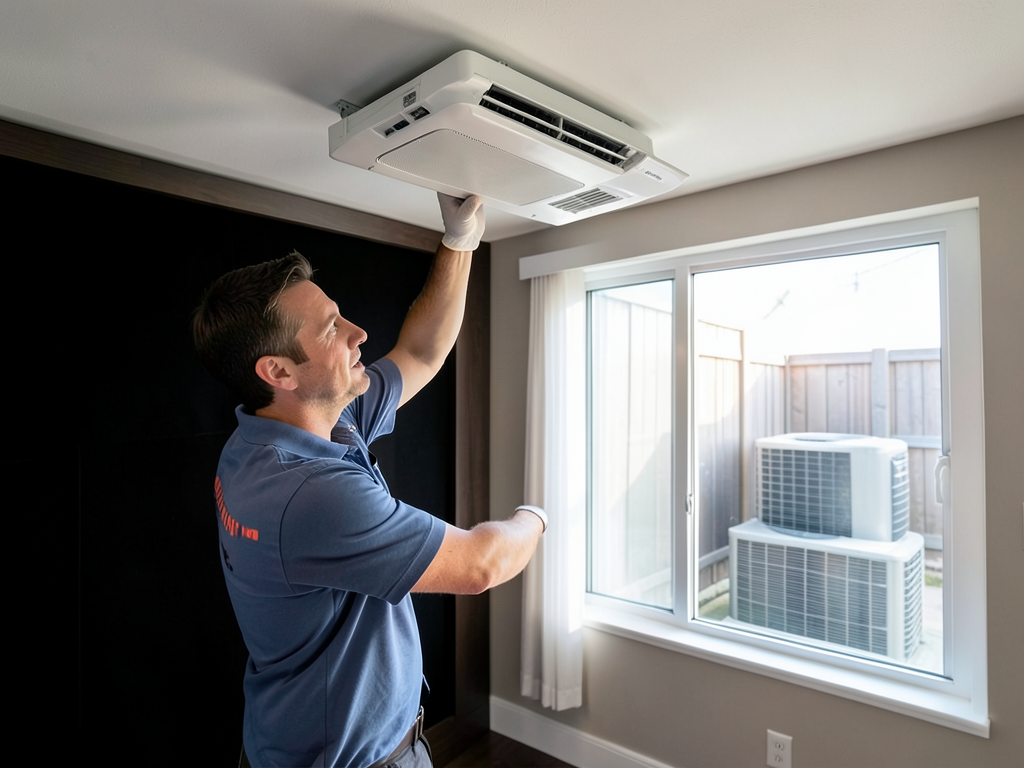
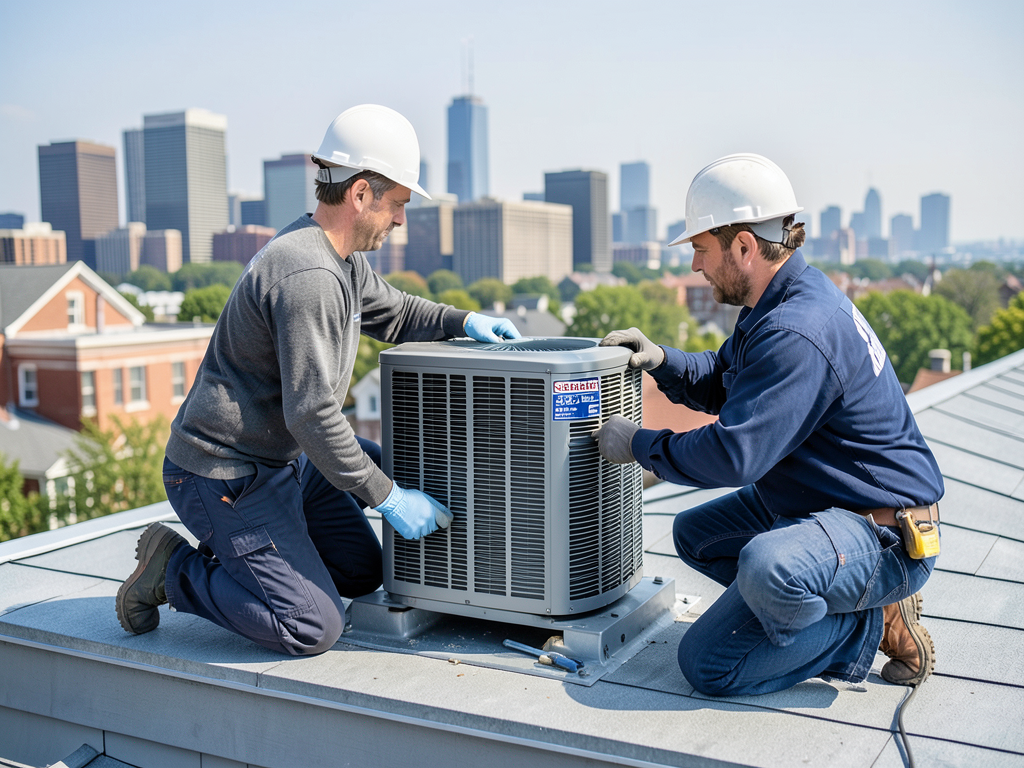
Massachusetts building codes have evolved to address indoor air quality, and many Boston homeowners upgrading their HVAC systems face questions about filtration requirements during permit inspections. Working with local HVAC professionals familiar with state mechanical codes ensures your air purification system installation meets regulatory standards and passes inspection without delays. Titan HVAC Boston maintains relationships with local building inspectors and understands the documentation requirements for ductwork modifications and electrical work associated with advanced air filtration systems. This local expertise prevents the complications and project delays that occur when out-of-area contractors attempt installations without understanding Boston's specific permitting processes and code enforcement practices.