





Winthrop sits on a peninsula surrounded by saltwater. That geography creates specific problems for heating and cooling systems that inland communities never face. Salt air corrodes outdoor condenser units faster than anywhere else in Greater Boston. The constant moisture accelerates rust on furnace heat exchangers and causes ductwork joints to deteriorate. When nor'easters roll through Boston Harbor, the combination of wind-driven rain and salt spray punishes rooftop HVAC equipment.
Beach Road homes near Yirrell Beach take the worst beating. The closer you live to the water, the faster corrosion eats through copper refrigerant lines and electrical connections. Air handlers in basements near Winthrop Shore Drive deal with higher humidity year-round, creating mold risks and indoor air quality issues. Older homes in Cottage Park and Point Shirley often have undersized ductwork that struggles to keep up during extreme cold snaps when arctic air sweeps across the harbor.
Your HVAC system works harder here than it would five miles inland. Winter wind chills drop 10 degrees lower on the peninsula. Summer humidity stays elevated because you're surrounded by water. These conditions mean equipment fails faster and needs more frequent maintenance to survive the coastal environment.
We've seen what salt air does to HVAC equipment. Too many companies send techs who learned their trade in the suburbs and don't understand coastal corrosion patterns. They miss the early warning signs until your system fails completely. Titan HVAC Boston trains every technician on the specific challenges Winthrop homes face. We inspect for galvanic corrosion on condensing units. We check for salt buildup in condenser coils that reduces efficiency. We know which brands hold up best in this environment and which ones fail within three years.
Our service vans carry parts for the equipment actually installed in Winthrop homes. When your furnace quits on a January night, we don't need to order parts from a warehouse in Worcester. We stock ignitors, flame sensors, and blower motors for the systems common in this community. That means we fix problems today instead of leaving you with space heaters for a week.
We price every job upfront before work starts. You get a written estimate that includes parts and labor. No hidden fees for after-hours service. No surprise charges when the job takes longer than expected. If we quote $850 to replace your compressor, that's what you pay. We've built our reputation in Winthrop on straight answers and fair pricing. When your neighbor recommends an HVAC company, they're usually talking about us. That trust comes from showing up on time, fixing problems right the first time, and treating your home with respect.

Your AC quits during a heat wave. Your furnace fails when temperatures drop below freezing. These aren't problems that can wait until next Tuesday. We dispatch techs the same day you call because we know heating and cooling failures create genuine emergencies. Most repairs finish within two hours of arrival.

You get a written price before any work begins. That quote covers parts, labor, and cleanup. We don't charge more because the job ran long or we hit a complication. The price we quote is the price you pay. No surprise bills. No padding the invoice with mystery fees.
Salt air destroys HVAC equipment in ways that suburban techs never encounter. We train specifically on corrosion patterns, moisture intrusion, and equipment selection for coastal homes. We know which condensers survive Winthrop weather and which ones corrode within 18 months. That expertise saves you thousands in premature replacements.
Our techs live and work in this community. We service furnaces in Cottage Park and replace AC units on Cliff Avenue. When you call for emergency heat repair, we're 15 minutes away, not driving from Quincy or Lynn. Local service means faster response and techs who understand your neighborhood.
Climate control in Winthrop requires more than basic furnace repair and air conditioner service. Your system battles coastal humidity, salt corrosion, and temperature extremes year-round. Titan HVAC Boston handles every aspect of heating, cooling, and ventilation for residential and commercial properties. We fix emergency breakdowns at 2 AM. We install new high-efficiency systems that lower your utility bills. We maintain equipment to prevent failures before they happen.
Our service range covers forced-air furnaces, central air conditioning, heat pumps, ductless mini-splits, boiler systems, and commercial rooftop units. We work on every major brand including Carrier, Trane, Lennox, Rheem, and Mitsubishi. Whether you need a simple thermostat repair or a complete HVAC system replacement, we have the equipment and expertise to handle it. We separate our services into three core categories based on urgency, scope, and system type. This approach ensures you get the right technician with the right parts for your specific situation.
Your furnace quits at midnight when temperatures hit 15 degrees. Your central air fails during a July heat wave. These emergencies demand immediate response. We dispatch technicians around the clock for no-heat and no-cool situations. Our vans carry common replacement parts for quick repairs. We diagnose the failure, explain your options, and restore comfort fast. Most emergency repairs finish in one visit without waiting for parts orders or callbacks.
Replacing a 20-year-old furnace or upgrading to central air requires careful planning. We calculate proper system sizing based on your home's square footage, insulation, and window exposure. We recommend equipment rated for coastal environments that resist salt corrosion. Installation includes new ductwork modifications, thermostat upgrades, and air filtration systems. You get a complete climate control system designed for Winthrop weather and built to last 15-plus years.
Regular maintenance prevents 80% of HVAC failures. Our seasonal tune-ups include cleaning condenser coils, checking refrigerant levels, testing electrical connections, and inspecting heat exchangers for cracks. We catch small problems before they become expensive emergencies. Maintenance customers get priority scheduling and discounted repair rates. Spring AC tune-ups and fall furnace inspections keep your system running efficiently through peak heating and cooling seasons.
Living on a peninsula creates specific heating and cooling challenges. The salt air that makes Winthrop Beach beautiful also destroys outdoor HVAC equipment. High humidity from being surrounded by water promotes mold growth in ductwork and air handlers. Homes built in the 1920s and 1930s often have inadequate insulation and undersized heating systems that struggle during cold snaps. We see the same problems repeatedly in Winthrop homes because the environment creates predictable failure patterns.
Understanding these common issues helps you recognize warning signs before complete system failure. Strange noises from your furnace mean something is wrong. Weak airflow from vents indicates duct problems or blower motor issues. Higher electric bills signal efficiency loss from dirty coils or refrigerant leaks. Catching these problems early saves money and prevents the midnight emergency service call when your system quits completely.
Outdoor AC condensers near the water develop rust and corrosion faster than equipment anywhere else in Massachusetts. Salt spray eats through aluminum fins, copper refrigerant lines, and electrical connections. This corrosion reduces cooling efficiency and leads to refrigerant leaks. Units installed within 500 feet of the shoreline often need replacement two to three years earlier than expected.
Heat exchangers in gas furnaces develop stress cracks after 15 to 20 years of use. Coastal humidity accelerates this deterioration. A cracked heat exchanger can leak carbon monoxide into your living space. Warning signs include yellow or flickering burner flames, soot buildup around the furnace, and frequent headaches when the heat runs. This is a safety emergency requiring immediate shutdown and replacement.
Your AC runs constantly but barely cools the house. Ice forms on refrigerant lines or the indoor evaporator coil. This happens when airflow drops from dirty filters or blower problems, or when refrigerant levels run low from leaks. Frozen coils damage compressors if you keep running the system. The fix requires identifying whether you have an airflow problem or a refrigerant leak.
Many Cottage Park and Point Shirley homes were built before modern insulation standards. Original heating systems are undersized for today's comfort expectations. Single-pane windows and minimal wall insulation create massive heat loss. Your furnace runs constantly but rooms stay cold. Solutions include upgrading to a properly sized system, adding zone controls, or installing supplemental heat pumps for problem areas.
You need to know what happens when you call for HVAC service. Too many companies leave customers guessing about arrival times, costs, and repair duration. We run our service operation with clear communication and predictable processes. When you call our dispatch line, you speak with a person who understands HVAC problems, not a generic call center reading from a script.
We ask specific questions about your heating or cooling issue to determine urgency and send the right technician. If your furnace is blowing cold air, we treat that as an emergency and dispatch same-day. If you need a routine maintenance visit, we schedule at your convenience within two to three days. Every customer gets a confirmed arrival window and a callback 30 minutes before the tech arrives. Our goal is to remove uncertainty from the service experience and deliver exactly what we promise.
Our technician diagnoses your HVAC problem and explains what's wrong in plain language. You get a written estimate that includes parts, labor, and any additional work needed to fix the issue properly. We break down the cost so you understand what you're paying for. If you have options like repair versus replacement, we explain the tradeoff in cost and expected lifespan. You approve the price before we start work. No surprise bills after the job finishes.
Our techs wear shoe covers and use drop cloths to protect your floors. We bring our own vacuum to clean up any mess from ductwork or equipment access. You won't find dirty handprints on your walls or muddy footprints on your carpet. We treat your home the way we'd want someone treating ours. Tools get put away, not left scattered across your basement. If we need to move furniture to access equipment, we put it back exactly where it was.
We call a few days after major repairs to confirm everything works properly. If you notice any issues with the repair, we come back to make it right at no charge. Our work includes parts and labor warranties that protect you from defects or installation problems. You get our direct phone number for questions or concerns. We don't disappear after collecting payment. We stand behind our work and want you comfortable with the results.
HVAC repair doesn't need to be complicated. We've streamlined our service process to get your heating or cooling system working again with minimal disruption to your day.
Our technician arrives during your scheduled window and examines your HVAC system. We test components, check airflow, measure temperatures, and identify the root cause of the problem. You get a clear explanation of what failed and why. We show you the broken part when possible. This diagnostic process typically takes 20 to 45 minutes depending on system complexity and problem severity.
After you approve the estimate, we complete the repair using quality parts designed for coastal environments. Most repairs finish in one to three hours. Complex jobs like heat exchanger replacement or full system installation require longer but we give you accurate time estimates upfront. We test the system thoroughly after repair to confirm proper operation and safety.
We run your heating or cooling system through multiple cycles to verify the repair solved the problem. We check safety controls, measure temperature output, and confirm proper airflow. The work area gets cleaned completely. You receive documentation of work performed and recommendations for preventing future issues. We answer any questions about operating your system efficiently or maintaining it between service visits.
The Massachusetts State Building Code requires specific ventilation rates and combustion air provisions for HVAC equipment. Furnaces need proper makeup air to prevent backdrafting and carbon monoxide spillage. These requirements become critical in Winthrop's tight, weatherized homes where negative pressure can pull exhaust gases into living spaces. We verify code compliance on every installation and ensure proper ventilation during system upgrades.
Refrigerant handling follows EPA Section 608 regulations for safe recovery and disposal. Technicians must hold proper certification to work with R-410A and older R-22 refrigerants. We recover old refrigerant before repairs and charge systems to manufacturer specifications using calibrated gauges. Improper refrigerant levels reduce efficiency by 20 percent or more and can damage compressors. The salt air environment accelerates refrigerant line corrosion, creating leaks that require brazing repairs with nitrogen purge to prevent oxidation inside copper lines.
Ductwork installation in Massachusetts follows SMACNA standards for proper sealing and insulation. Leaky ducts in unconditioned attics or crawl spaces waste 30 percent of heated or cooled air. We use mastic sealant and foil-backed tape on all joints, never standard cloth duct tape that fails within months. Insulation levels must meet current energy code minimums to prevent condensation and efficiency loss. Coastal homes need extra attention to vapor barriers because humidity levels run higher year-round compared to inland locations.
Load calculations determine proper system sizing using ACCA Manual J methodology. This calculation factors in window area, insulation levels, air infiltration, and internal heat gains. Oversized equipment short-cycles and fails to dehumidify properly. Undersized systems run constantly and never reach comfortable temperatures. We measure actual room dimensions and window exposure rather than guessing based on square footage alone.
Outdoor condensing units need corrosion-resistant coatings rated for coastal installation. Standard aluminum fins corrode within five years near saltwater. We recommend coated coil options that survive 10 to 15 years in Winthrop's environment. Some manufacturers offer marine-grade equipment specifically designed for waterfront installation. The upfront cost runs higher but replacement frequency drops significantly.
New HVAC system costs depend on equipment efficiency rating, brand selection, system size, and installation complexity. High-efficiency variable-speed equipment costs more but reduces utility bills. Ductwork modifications add to project scope. Homes without existing central air need electrical upgrades and refrigerant line installation. We provide itemized quotes that separate equipment costs from labor so you understand the investment breakdown.
Simple repairs like thermostat replacement or capacitor swaps take 30 minutes. Blower motor replacement runs two to three hours. Heat exchanger replacement requires four to six hours because we disassemble the furnace cabinet. Complete system installations take one to two days depending on ductwork modifications needed. We give you accurate time estimates based on actual job requirements, not best-case scenarios.
The Town of Winthrop requires building permits for HVAC system replacement and major modifications. Gas line work needs separate plumbing permits. Installations must pass inspection before we consider the job complete. We handle all permit applications and coordinate inspections as part of our service. Unlicensed contractors who skip permits create liability issues and code violations that surface during home sales.
This video explains common HVAC problems affecting Winthrop MA homes due to coastal salt air exposure and humidity. Topics include condenser corrosion patterns, heat exchanger deterioration, refrigerant line damage, and proper equipment selection for waterfront properties. Titan HVAC Boston demonstrates diagnostic techniques and repair solutions specific to peninsula climate challenges.
Titan HVAC Boston serves the entire Winthrop peninsula from Cottage Park to Point Shirley. We work in the historic homes along Winthrop Shore Drive where salt air beats against outdoor condensing units year-round. The Beach Road corridor near Yirrell Beach sees some of the worst corrosion damage because equipment sits just yards from breaking waves. We've replaced countless corroded condensers in this area and learned which brands survive the exposure and which ones fail prematurely.
Cottage Park and Court Road neighborhoods feature older housing stock built in the 1920s and 1930s. These homes often have undersized heating systems, minimal insulation, and outdated electrical service that complicates upgrades. We've installed modern high-efficiency systems in dozens of these properties and know how to navigate the challenges of upgrading vintage homes. Ductwork often requires creative routing through tight spaces where original gravity furnaces never needed return air systems.
Point Shirley homes at the eastern tip of the peninsula take the full force of nor'easter winds. Rooftop HVAC equipment faces extreme weather exposure that accelerates wear and failure. We've seen condenser fan motors burn out from constant wind buffeting and heat exchangers crack prematurely from thermal cycling. Properties along Shirley Street and end-of-the-peninsula roads need equipment specifically rated for high-wind coastal installation.
The Winthrop Highlands area near the water tower sits on higher ground with better protection from direct salt spray. Systems here last longer but still face humidity challenges from being surrounded by water on three sides. We service plenty of homes along Bartlett Road, Winthrop Street, and Washington Avenue where coastal moisture creates indoor air quality issues that require dehumidification solutions.
Our service area extends beyond Winthrop proper to East Boston neighborhoods just across Belle Isle Inlet. We handle commercial HVAC work for businesses along Revere Beach Parkway and residential service throughout the Route 145 corridor. Being local means we respond faster than companies dispatching from Lynn or Quincy. Most emergency calls get same-day service because our trucks run routes through these communities daily.
The $5000 rule helps you decide between repair and replacement. If your system's age multiplied by the repair cost exceeds $5000, replacement makes more sense. For example, a 12-year-old unit needing $500 in repairs equals $6000, so replacement wins. In Winthrop, where coastal salt air accelerates wear on condensers and coils, this calculation matters more. Factor in efficiency gains too. A new system cuts energy bills by 20-40 percent, which adds up fast with our humid summers and cold winters. This rule gives you a baseline, not a mandate.
Most HVAC jobs in Winthrop range widely based on scope. A simple repair like replacing a capacitor or cleaning coils runs a few hundred dollars. Furnace or air handler repairs typically cost more, especially if you need refrigerant work or ductwork modifications. Installation jobs for complete system replacements vary based on home size, equipment tier, and ductwork condition. Coastal homes here often need corrosion-resistant components, which affects pricing. Always get a detailed estimate that breaks down labor, parts, and permits. Pricing transparency prevents surprises and helps you budget correctly.
For a 2000 square foot house in Winthrop, you need a 3 to 4-ton system depending on insulation, window quality, and sun exposure. Total costs vary based on efficiency ratings, brand selection, and ductwork condition. Homes near the waterfront may need upgraded equipment to handle salt air corrosion. Installation complexity matters too. If your existing ductwork needs modification or your electrical panel requires an upgrade, costs increase. Multi-zone systems cost more but deliver better comfort control. Get a proper load calculation before buying. Oversized or undersized equipment wastes money and fails early.
The $5000 rule helps you decide between repair and replacement. If your system's age multiplied by the repair cost exceeds $5000, replacement makes more sense. For example, a 12-year-old unit needing $500 in repairs equals $6000, so replacement wins. In Winthrop, where coastal salt air accelerates wear on condensers and coils, this calculation matters more. Factor in efficiency gains too. A new system cuts energy bills by 20-40 percent, which adds up fast with our humid summers and cold winters. This rule gives you a baseline, not a mandate.
Most HVAC jobs in Winthrop range widely based on scope. A simple repair like replacing a capacitor or cleaning coils runs a few hundred dollars. Furnace or air handler repairs typically cost more, especially if you need refrigerant work or ductwork modifications. Installation jobs for complete system replacements vary based on home size, equipment tier, and ductwork condition. Coastal homes here often need corrosion-resistant components, which affects pricing. Always get a detailed estimate that breaks down labor, parts, and permits. Pricing transparency prevents surprises and helps you budget correctly.
For a 2000 square foot house in Winthrop, you need a 3 to 4-ton system depending on insulation, window quality, and sun exposure. Total costs vary based on efficiency ratings, brand selection, and ductwork condition. Homes near the waterfront may need upgraded equipment to handle salt air corrosion. Installation complexity matters too. If your existing ductwork needs modification or your electrical panel requires an upgrade, costs increase. Multi-zone systems cost more but deliver better comfort control. Get a proper load calculation before buying. Oversized or undersized equipment wastes money and fails early.
Dirty filters cause most HVAC problems, restricting airflow and forcing your system to work harder. Refrigerant leaks reduce cooling capacity and damage compressors. Thermostat malfunctions lead to comfort issues and wasted energy. Ignitor failures stop furnaces from firing. In Winthrop, salt air corrodes outdoor units faster, leading to coil damage and electrical issues. Condensate drain clogs cause water damage, especially in humid weather. Ductwork leaks waste conditioned air, spiking bills. Capacitor failures prevent motors from starting. Regular maintenance catches these issues early, preventing expensive breakdowns during heat waves or cold snaps.
Complete HVAC replacement costs vary based on system size, efficiency tier, and installation complexity. A basic single-stage system costs less than a variable-speed model with zoning. Winthrop homes often need ductwork modifications or electrical upgrades, which add to the total. Coastal properties benefit from corrosion-resistant components that last longer in salt air. Financing options spread costs over time. Spring and fall offer better pricing than peak summer or winter demand. Focus on right-sizing your system. An oversized unit cycles too frequently, wasting energy and wearing out faster. Proper installation matters more than brand name.
The 3-minute rule prevents compressor damage by allowing refrigerant pressures to equalize before restarting. After your AC shuts off, wait at least 3 minutes before turning it back on. Starting the compressor under high pressure causes electrical strain and shortens its lifespan. Modern thermostats often include this delay automatically. If your system short-cycles, turning on and off repeatedly within minutes, you have a bigger problem. Dirty filters, refrigerant leaks, or oversized equipment cause short-cycling. In Winthrop's humid climate, short-cycling also prevents proper dehumidification, leaving your home clammy and uncomfortable.
A 1200 square-foot house in Winthrop needs a 2 to 2.5-ton system depending on insulation, ceiling height, and window efficiency. Costs vary based on equipment efficiency, brand, and whether you choose a heat pump or traditional split system. Older homes may need ductwork improvements or electrical panel upgrades. Coastal exposure affects equipment selection since salt air corrodes standard components faster. A proper Manual J load calculation ensures correct sizing. Contractors who skip this step often install oversized equipment that costs more upfront, wastes energy, and fails sooner. Get multiple quotes and verify contractor credentials.
HVAC systems last 15 to 20 years with proper maintenance. Furnaces often outlast air conditioners by a few years. In Winthrop, coastal salt air can shorten lifespan by corroding outdoor units and coils. Heat pumps work harder year-round, so they typically last 10 to 15 years. Installation quality matters enormously. Poor ductwork, incorrect refrigerant charges, or undersized equipment cause premature failure. Annual maintenance extends lifespan by catching small issues before they cascade. Changing filters every 1 to 3 months prevents most common problems. When repair costs exceed half the replacement cost, upgrade to newer, more efficient equipment.
Insurance rarely covers HVAC repair unless damage results from a covered peril like fire, lightning, or vandalism. Normal wear and tear, lack of maintenance, and mechanical breakdown fall outside standard homeowners policies. Some insurers offer equipment breakdown endorsements that cover sudden mechanical failures for an added premium. Flood damage requires separate flood insurance. In Winthrop, where coastal storms can damage outdoor units, check your policy for wind damage coverage. If a covered event damages your system, document everything with photos and get repair estimates quickly. Filing promptly improves claim success rates.
October through early November offers the best HVAC pricing in Winthrop. Contractors have lighter schedules after summer cooling season ends but before winter heating emergencies start. You get faster installation, better attention to detail, and often discounted rates. Spring is the second-best window, particularly March and April. Avoid buying during July heat waves or January cold snaps when demand spikes and contractors rush jobs. Equipment manufacturers release new models in spring, so previous-year inventory gets discounted in fall. Plan ahead rather than waiting for failure. Emergency replacements cost more and limit your options.
Dirty filters cause most HVAC problems, restricting airflow and forcing your system to work harder. Refrigerant leaks reduce cooling capacity and damage compressors. Thermostat malfunctions lead to comfort issues and wasted energy. Ignitor failures stop furnaces from firing. In Winthrop, salt air corrodes outdoor units faster, leading to coil damage and electrical issues. Condensate drain clogs cause water damage, especially in humid weather. Ductwork leaks waste conditioned air, spiking bills. Capacitor failures prevent motors from starting. Regular maintenance catches these issues early, preventing expensive breakdowns during heat waves or cold snaps.
Complete HVAC replacement costs vary based on system size, efficiency tier, and installation complexity. A basic single-stage system costs less than a variable-speed model with zoning. Winthrop homes often need ductwork modifications or electrical upgrades, which add to the total. Coastal properties benefit from corrosion-resistant components that last longer in salt air. Financing options spread costs over time. Spring and fall offer better pricing than peak summer or winter demand. Focus on right-sizing your system. An oversized unit cycles too frequently, wasting energy and wearing out faster. Proper installation matters more than brand name.
The 3-minute rule prevents compressor damage by allowing refrigerant pressures to equalize before restarting. After your AC shuts off, wait at least 3 minutes before turning it back on. Starting the compressor under high pressure causes electrical strain and shortens its lifespan. Modern thermostats often include this delay automatically. If your system short-cycles, turning on and off repeatedly within minutes, you have a bigger problem. Dirty filters, refrigerant leaks, or oversized equipment cause short-cycling. In Winthrop's humid climate, short-cycling also prevents proper dehumidification, leaving your home clammy and uncomfortable.
A 1200 square-foot house in Winthrop needs a 2 to 2.5-ton system depending on insulation, ceiling height, and window efficiency. Costs vary based on equipment efficiency, brand, and whether you choose a heat pump or traditional split system. Older homes may need ductwork improvements or electrical panel upgrades. Coastal exposure affects equipment selection since salt air corrodes standard components faster. A proper Manual J load calculation ensures correct sizing. Contractors who skip this step often install oversized equipment that costs more upfront, wastes energy, and fails sooner. Get multiple quotes and verify contractor credentials.
HVAC systems last 15 to 20 years with proper maintenance. Furnaces often outlast air conditioners by a few years. In Winthrop, coastal salt air can shorten lifespan by corroding outdoor units and coils. Heat pumps work harder year-round, so they typically last 10 to 15 years. Installation quality matters enormously. Poor ductwork, incorrect refrigerant charges, or undersized equipment cause premature failure. Annual maintenance extends lifespan by catching small issues before they cascade. Changing filters every 1 to 3 months prevents most common problems. When repair costs exceed half the replacement cost, upgrade to newer, more efficient equipment.
Insurance rarely covers HVAC repair unless damage results from a covered peril like fire, lightning, or vandalism. Normal wear and tear, lack of maintenance, and mechanical breakdown fall outside standard homeowners policies. Some insurers offer equipment breakdown endorsements that cover sudden mechanical failures for an added premium. Flood damage requires separate flood insurance. In Winthrop, where coastal storms can damage outdoor units, check your policy for wind damage coverage. If a covered event damages your system, document everything with photos and get repair estimates quickly. Filing promptly improves claim success rates.
October through early November offers the best HVAC pricing in Winthrop. Contractors have lighter schedules after summer cooling season ends but before winter heating emergencies start. You get faster installation, better attention to detail, and often discounted rates. Spring is the second-best window, particularly March and April. Avoid buying during July heat waves or January cold snaps when demand spikes and contractors rush jobs. Equipment manufacturers release new models in spring, so previous-year inventory gets discounted in fall. Plan ahead rather than waiting for failure. Emergency replacements cost more and limit your options.
We are proud to serve our valued clients across the entire region. Whether you're in the city center or a surrounding community, our dedicated team is ready to provide top-notch HVAC services right to your doorstep. You can locate our main office here, and we encourage you to reach out to schedule a service, explore our offerings, or discuss your heating and cooling needs with our expert team. We look forward to serving you!
Address:
Winthrop, MA, 2152
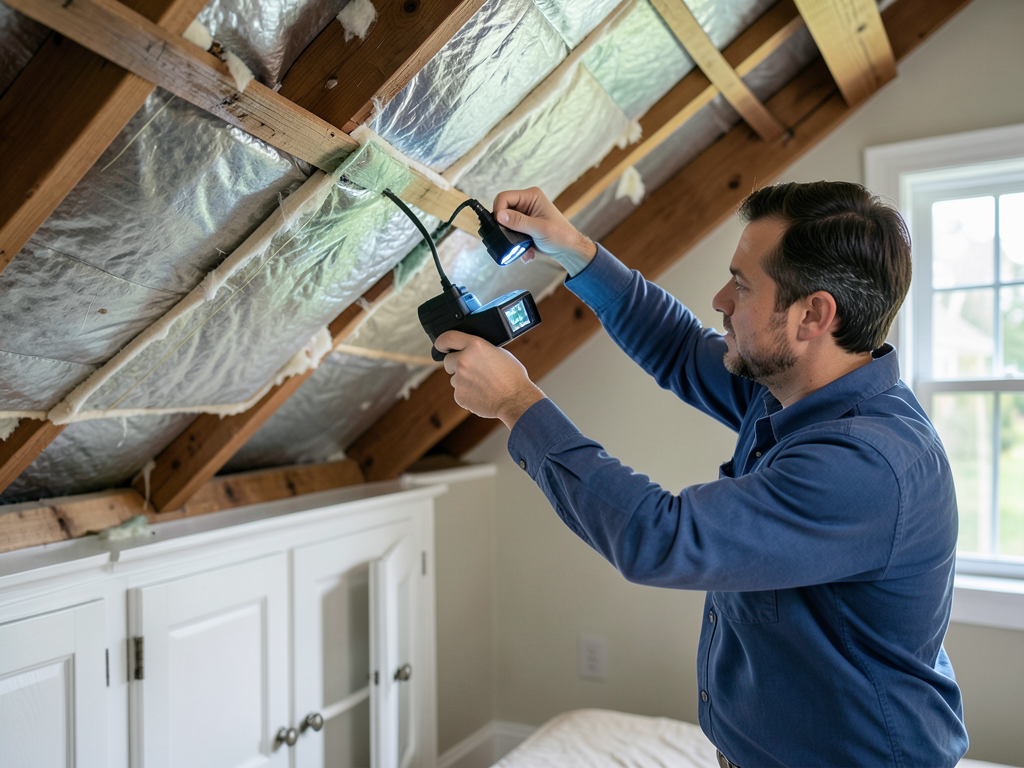
Why Your Saugus Home Needs Better Attic Insulation Before You Replace the Furnace Many Saugus homeowners rush to replace their furnace when energy bills spike, but the real culprit might be hiding above your head.…
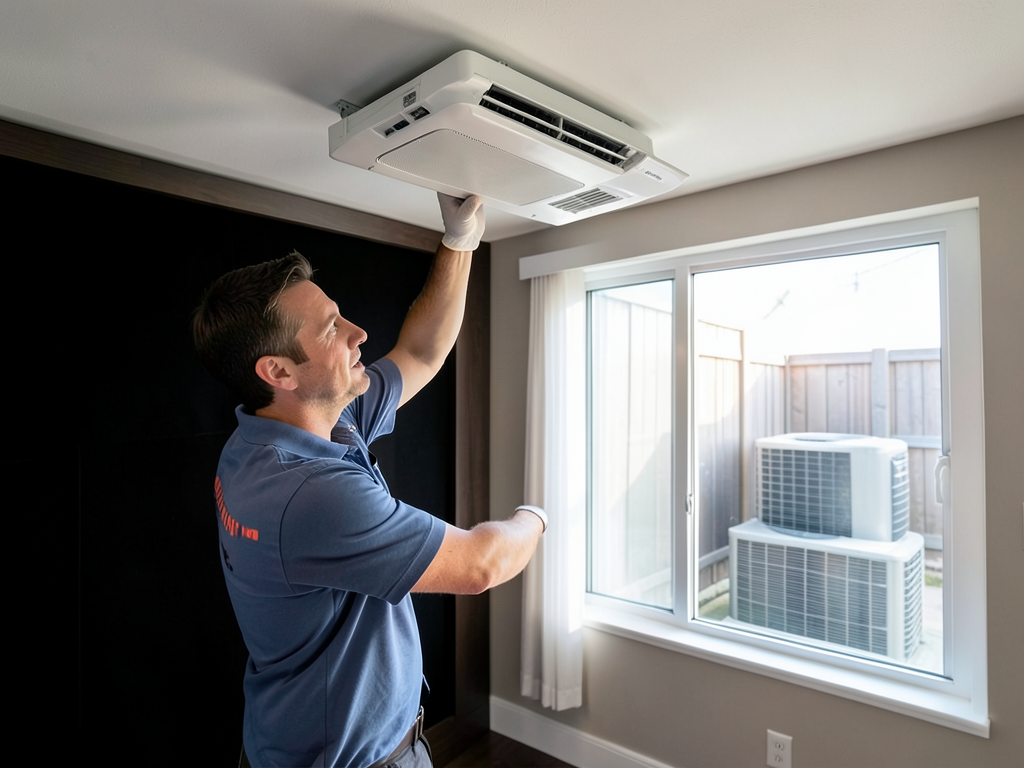
Finding a Silent HVAC Solution for Your Home Theater or Media Room in Wellesley If…
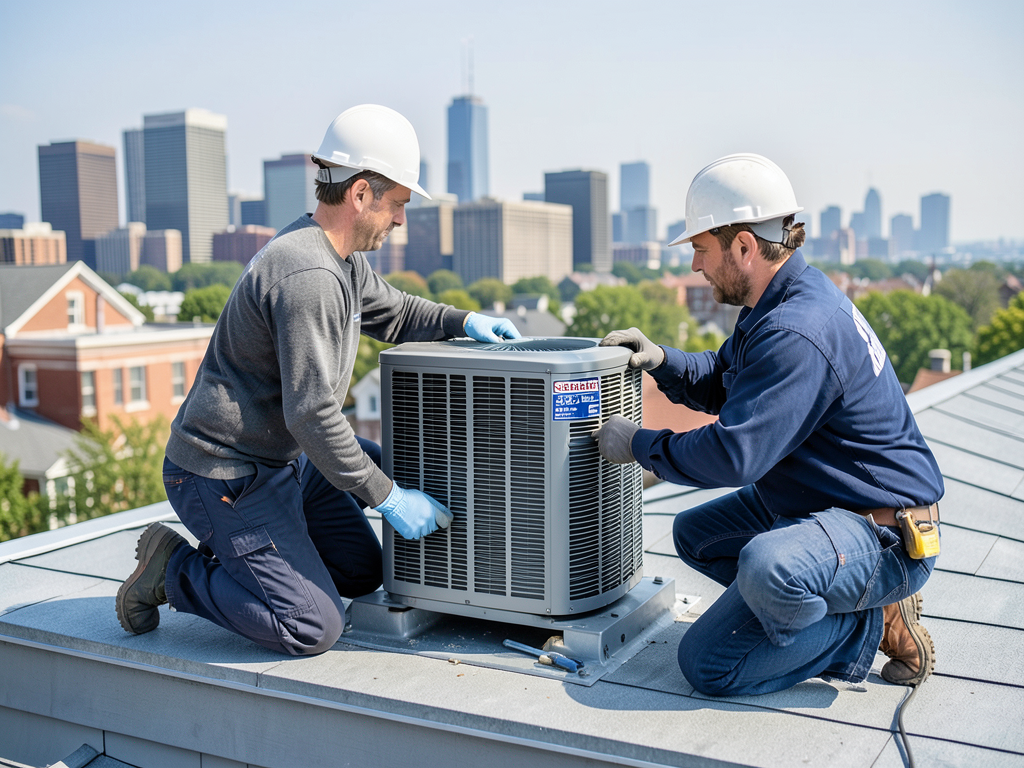
What the New SEER2 Efficiency Standards Mean for Your Next Boston AC Upgrade The Department…

Large multi-story homes in Newton often suffer from uneven temperatures where some rooms feel like…
Your heating or cooling system needs attention now. Call Titan HVAC Boston at (617) 758-1599 for same-day emergency service or to schedule a maintenance visit. We answer calls 24/7 and dispatch techs who show up when promised with the parts to fix your problem right the first time.