





Arlington sits in a brutal climate zone for heating and cooling equipment. Winter temperatures plunge below zero, forcing furnaces and heat pumps to run continuously for months. Summer humidity climbs past 70%, making air conditioners work overtime to dehumidify homes while fighting heat loads. This constant strain shortens equipment lifespan and causes unexpected failures.
The housing stock adds another layer of complexity. Arlington Heights, Brattle Street, and Morningside neighborhoods contain century-old homes with outdated ductwork, undersized systems, and zero insulation in exterior walls. These older systems leak conditioned air through gaps around basement foundations and attic spaces, driving up energy bills while struggling to maintain comfort. Modern split-level homes near Spy Pond and along Massachusetts Avenue have their own issues with zone balancing and airflow distribution across multiple levels.
Arlington's location between Route 2 and the Mystic Lakes creates microclimates that affect HVAC performance differently across town. Homes near the Mystic Valley Parkway deal with higher humidity from water proximity. Properties closer to Cambridge and Somerville face urban heat island effects that make cooling systems work harder. These geographic factors mean cookie-cutter HVAC solutions fail in Arlington. Systems need proper sizing, quality installation, and regular maintenance to handle the extreme temperature swings and humidity cycles year after year.
Titan HVAC Boston has served Arlington and surrounding communities for over a decade, building a reputation on fast response times and honest diagnostics. We do not upsell unnecessary replacements or push expensive maintenance plans. Our technicians arrive with fully stocked trucks containing parts for Carrier, Trane, Lennox, Rheem, and other major brands. Most repairs finish the same day because we carry inventory instead of ordering parts and making you wait three days for a callback.
Our pricing model is transparent. You get an exact quote before any work starts. No hidden fees, no trip charges disguised as diagnostic fees, no surprise labor rates. We show you the failed component, explain what caused the failure, and give you options with clear pricing for each. If your 15-year-old furnace needs a $900 repair but replacement makes more financial sense, we tell you. We are not here to squeeze maximum revenue from every service call.
Every Titan technician carries EPA certification, manufacturer training credentials, and years of field experience. We do not send apprentices to figure out your system on your dime. Our team knows how to diagnose intermittent failures, airflow problems, and electrical issues that other companies miss. We understand how Arlington's older homes interact with modern HVAC equipment, from sizing high-efficiency furnaces for homes with limited gas line capacity to installing ductless mini-splits in houses where traditional ductwork is impossible.
We answer our phones 24/7 because HVAC emergencies do not wait for business hours. A furnace failure at 2 AM in January is not something you can ignore until morning. We dispatch immediately, arrive quickly, and restore heat or cooling fast. That commitment to availability and speed has made us the first call for thousands of Arlington families when their systems fail.

We dispatch from our Cambridge location within minutes of your call and reach most Arlington addresses in under an hour. Our trucks stay in motion across the metro area, positioned to respond fast when systems fail. No waiting days for an appointment while your family freezes or swelters.

You know the exact cost before we touch your system. We diagnose the problem, show you the failed part, and quote a firm price that includes labor and materials. No hourly rates that climb while technicians work slowly. No surprise charges when the bill arrives.
Our trucks carry blower motors, capacitors, contactors, igniters, thermostats, and other common failure parts for all major brands. We complete most repairs the same day instead of ordering parts and scheduling a follow-up visit. One trip, one fix, heat or cooling restored today.
We understand how extreme temperature swings, high humidity, and Arlington's mix of old and new construction affect system performance. Our technicians know how to size equipment correctly, improve airflow in older homes, and solve comfort problems that come from Arlington's unique housing challenges and weather patterns.
Titan HVAC Boston handles every aspect of residential and light commercial heating, cooling, and air quality systems across Arlington. Our service range covers emergency repairs when equipment fails, planned replacements for aging systems, and preventive maintenance to extend equipment life. We work on forced air furnaces, central air conditioners, heat pumps, ductless mini-splits, boilers, and commercial rooftop units.
Our technicians diagnose and repair all major brands including Carrier, Trane, Lennox, Rheem, Goodman, American Standard, and York. We service both modern high-efficiency systems and older builder-grade equipment still running in Arlington's historic neighborhoods. Whether you need a blower motor replaced in a 20-year-old furnace or a compressor swapped in a newer AC unit, we have the parts, tools, and expertise to complete the repair quickly.
Installation projects range from simple thermostat upgrades to whole-house system replacements. We handle ductwork modifications, zone control systems, air purifiers, humidifiers, and ventilation improvements. Our team pulls permits, coordinates inspections, and ensures every installation meets Massachusetts building codes and manufacturer specifications. The following service categories cover our most common calls from Arlington residents and business owners seeking reliable HVAC solutions.
Furnaces quit during cold snaps. Air conditioners fail during heatwaves. These emergencies demand immediate response. Titan HVAC Boston dispatches technicians around the clock to diagnose failed components, restore heating or cooling, and get your system running again. We repair igniter failures, blower motor burnouts, refrigerant leaks, electrical faults, and thermostat malfunctions on the spot. Our trucks stock common failure parts so most emergency repairs finish the same visit without waiting for parts orders or return appointments.
Old equipment eventually reaches the end of its useful life. Frequent repairs, rising energy bills, and declining performance signal replacement time. We perform load calculations to size new systems correctly for your home, recommend high-efficiency equipment that cuts operating costs, and complete installations with proper ductwork, refrigerant charging, and startup procedures. Our installation services cover furnaces, air conditioners, heat pumps, ductless systems, and hybrid dual-fuel configurations. We pull permits, coordinate inspections, and warranty all labor and equipment.
Regular maintenance prevents unexpected breakdowns and keeps systems running efficiently. Our tune-up service includes cleaning blower assemblies, checking refrigerant charge, testing electrical connections, lubricating motors, inspecting heat exchangers for cracks, and measuring airflow. We catch small problems before they become expensive failures. Annual maintenance improves energy efficiency, extends equipment lifespan, and maintains manufacturer warranties that require professional service. Scheduled maintenance visits happen on your timeline, not during emergency situations when you have no heat or air conditioning.
Arlington's combination of extreme weather, aging housing stock, and heavily used HVAC systems creates predictable patterns of equipment failure and performance problems. Winter cold snaps force furnaces to cycle continuously, wearing out igniters, flame sensors, and blower motors. Summer humidity overworks air conditioners, leading to frozen evaporator coils, compressor failures, and condensate drain clogs. These climate-driven failures happen suddenly, leaving families without heat or cooling when they need it most.
Older homes in neighborhoods like Arlington Heights and along Massachusetts Avenue have undersized ductwork, poor insulation, and HVAC systems installed decades ago without proper load calculations. These homes struggle to maintain comfortable temperatures, waste energy heating or cooling uninsulated spaces, and cycle equipment too frequently. Homeowners often blame their furnace or air conditioner when the real problem is inadequate ductwork or air leaks. The following issues represent the most common HVAC complaints we address in Arlington properties throughout the year.
Furnaces fail when you need them most. Igniter cracks, flame sensors get covered in carbon buildup, and blower motors burn out from continuous operation during sub-zero weather. These failures leave families without heat overnight or during weekend cold snaps when repair options seem limited. Fast diagnosis and same-day parts availability restore heat quickly instead of forcing you to wait days for service.
Evaporator coils freeze solid when airflow drops or refrigerant levels fall low. Dirty filters, blocked return vents, failed blower motors, and refrigerant leaks all cause ice buildup that stops cooling completely. The system runs constantly but produces no cool air. Fixing frozen coils requires finding the root cause, not just thawing ice and restarting the unit.
One room stays cold while others overheat. Upstairs bedrooms swelter in summer while the basement stays comfortable. These temperature imbalances come from ductwork problems, improper system sizing, or insufficient return air pathways. Band-aid solutions like closing vents make problems worse. Proper fixes involve airflow balancing, duct modifications, or zone control systems that address the underlying design flaws.
Old furnaces and air conditioners waste energy heating and cooling Arlington homes. Equipment installed 15 or 20 years ago operates at 60% to 70% efficiency compared to modern systems reaching 95% to 98%. The efficiency gap costs hundreds of dollars yearly in wasted gas and electricity. Replacement systems pay for themselves through lower utility bills while providing better comfort and reliability.
Titan HVAC Boston runs service calls differently than typical HVAC companies. We answer phones immediately instead of routing you to voicemail. Our dispatcher gathers information about your problem, confirms your Arlington address, and sends a technician directly to your home. You get a call when the tech is 15 minutes away so you are not waiting around wondering when someone will show up.
The technician arrives in a marked truck with your service details already loaded. They introduce themselves, put on shoe covers, and ask you to describe what is happening with your system. Then they get to work diagnosing the problem. Most issues take 15 to 30 minutes to pinpoint. The tech shows you the failed component, explains what caused the failure, and provides an exact price quote for the repair. If you approve the price, they complete the work immediately using parts from their truck. You pay when the job is done and heat or cooling is restored. The entire process from phone call to working system typically takes 90 minutes to two hours for common repairs.
You talk to a real person who understands HVAC emergencies, not an answering service reading a script. Our dispatcher asks the right questions to understand your problem, confirms your location in Arlington, and sends a technician immediately. You receive a callback within minutes with an estimated arrival time. No waiting on hold, no voicemail tag, no callbacks hours later asking when you need service.
The technician diagnoses your system thoroughly, identifies the failed component, and explains the problem in plain language. You see the broken part. You understand what failed and why. Then you get an exact price quote that includes labor and materials before any repair work begins. No hourly rates, no estimates that balloon when the final bill arrives, no pressure to approve work without knowing the cost.
Most repairs finish the same day because our trucks carry extensive parts inventory. The technician installs the new component, tests system operation, and confirms heating or cooling is restored before leaving your home. All repairs come with a parts and labor warranty. If the same component fails again, we return and fix it at no charge. You get reliable results, not temporary fixes that fail weeks later.
HVAC emergencies create stress. We remove that stress with a straightforward process focused on speed and transparency. Three simple steps get your Arlington home comfortable again.
Call (617) 758-1599 and describe your heating or cooling problem. Our dispatcher gathers details about your system, confirms your Arlington address, and sends a certified technician immediately. You receive a callback within minutes with the tech's name and estimated arrival time. The technician calls again when they are 15 minutes from your home so you know exactly when to expect them.
The technician inspects your system, tests components, and identifies the failure. They show you the broken part and explain what caused the problem. You receive an exact price quote covering parts and labor before any repair work starts. Approve the price and the tech begins the repair immediately. Decline and you pay nothing except a reasonable diagnostic fee.
The technician installs new parts from inventory on the truck, completes the repair, and tests full system operation. They verify heating or cooling is restored, check safety controls, and clean up the work area. You pay the quoted price when the job is finished. The repair comes with a parts and labor warranty for your protection and peace of mind.
Massachusetts enforces strict building codes governing HVAC installations, modifications, and replacements through the state building code based on the International Mechanical Code. Arlington requires permits for furnace replacements, air conditioner installations, ductwork modifications, and gas line work. These permits trigger inspections to verify proper combustion air supply, venting configurations, refrigerant charging, electrical connections, and carbon monoxide detector placement. Homeowners who skip permits risk failed home inspections during sales and potential liability if improper installations cause property damage or injury.
Combustion air requirements present particular challenges in Arlington's older homes. The Massachusetts fuel gas code mandates specific volumes of combustion air for furnaces and boilers based on BTU input ratings. Tight basement spaces and energy-efficient homes with sealed construction often lack adequate combustion air, requiring dedicated outdoor air intakes or combustion air ducts. Improper combustion air causes flame rollout, carbon monoxide production, and premature heat exchanger failure. Professional installations measure actual air volumes and add makeup air systems when needed.
Refrigerant handling falls under EPA regulations requiring technician certification. The transition from R-22 refrigerant to R-410A and newer low-GWP refrigerants means older air conditioners and heat pumps need complete system replacement rather than simple compressor swaps. Mixing refrigerants or using incorrect types damages compressors, reduces efficiency, and voids equipment warranties. Proper refrigerant charging requires measuring superheat and subcooling, not just adding refrigerant until pressures look right. Undercharged systems freeze evaporator coils while overcharged systems kill compressors.
Ductwork design impacts system performance more than most homeowners realize. Manual D load calculations determine proper duct sizing based on airflow requirements for each room. Undersized ducts create high static pressure that overworks blowers and reduces efficiency. Oversized ducts allow air to slow down, reducing throw distance and causing temperature stratification. Leaky duct connections waste 20% to 30% of conditioned air in unconditioned attics and crawlspaces. Professional duct sealing using mastic or Aeroseal technology recovers that lost energy and improves comfort. Sheet metal connections sealed with foil tape meet code requirements while duct tape fails within months as adhesive dries out.
Arlington requires building permits for HVAC replacements, new installations, and major repairs involving gas lines or electrical work. Permitted work includes inspections verifying proper venting, combustion air, refrigerant charging, and safety controls. Contractors pull permits, coordinate inspections, and ensure installations meet Massachusetts building code. Skipping permits creates problems during home sales when inspectors find unpermitted work.
Proper HVAC sizing requires Manual J load calculations accounting for insulation levels, window areas, air infiltration, and occupancy patterns. Oversized equipment short cycles, wastes energy, and fails to dehumidify properly. Undersized equipment runs constantly without reaching setpoint temperatures. Professional installations include room-by-room load calculations and equipment selection matching actual heating and cooling demands, not guessing based on square footage.
EPA Section 608 certification is mandatory for purchasing, handling, and charging refrigerants in air conditioning and heat pump systems. Proper charging requires measuring superheat and subcooling values, not just matching pressure charts. Incorrect refrigerant levels cause compressor damage, frozen coils, and efficiency losses. The phase-out of R-22 refrigerant means older systems need complete replacement rather than refrigerant top-offs when leaks develop.
Manual D duct design calculations determine proper sizing for supply and return ducts based on required airflow volumes. Undersized ducts increase static pressure and reduce system efficiency. Leaky duct connections waste conditioned air in attics and crawlspaces. Professional duct sealing using mastic compound stops air leaks that duct tape cannot seal permanently. Proper duct insulation prevents condensation and energy loss.
This video explains Titan HVAC Boston's service process for heating and air conditioning repair in Arlington MA. Topics include common HVAC problems in Arlington homes, the three-step repair process from diagnosis to completion, Massachusetts code requirements for installations, and what customers should expect when calling for emergency furnace or AC service. The video covers service areas throughout Arlington including Arlington Heights, Morningside, and East Arlington neighborhoods.
Titan HVAC Boston serves all Arlington neighborhoods from our Cambridge location just minutes away via Massachusetts Avenue. We respond quickly to service calls in Arlington Heights, where Victorian and Colonial homes present unique HVAC challenges with multi-story layouts, original ductwork, and limited basement space for modern equipment. The tree-lined streets around Robbins Library and Arlington Center contain some of the town's oldest housing stock, much of it still running furnaces and boilers installed decades ago.
Our technicians know the split-level and ranch homes throughout Morningside and along the Mystic Valley Parkway near the Mystic Lakes. These mid-century properties often need ductwork modifications to improve airflow between levels and address hot or cold spots that plague multi-level floor plans. The proximity to water creates higher humidity levels that challenge air conditioning systems during summer months. Proper dehumidification becomes critical for comfort and preventing mold growth in these lakeside properties.
We service the newer construction and renovated homes in East Arlington near the Minuteman Bikeway and along Massachusetts Avenue toward Lexington. These properties often feature modern high-efficiency equipment but still face comfort issues from inadequate duct design or poor installation by original builders. Zone control systems and ductless mini-splits work well in these homes for addressing specific problem areas without replacing entire HVAC systems.
The neighborhood around Spy Pond and along Route 2 includes diverse housing from small Cape Cod homes to large contemporary residences. Each property type demands different HVAC solutions. Smaller homes benefit from right-sized equipment that does not short-cycle, while larger properties may need multi-zone systems or hybrid heating approaches combining forced air and radiant heat. Our team evaluates each home's specific requirements rather than applying generic solutions.
Our service area extends beyond Arlington to Cambridge, Somerville, Medford, Winchester, Lexington, and Belmont. The entire inner metro Boston region shares similar climate challenges, housing characteristics, and HVAC needs. We maintain the same fast response times and service quality across all communities we serve. Whether you call from Arlington Center or the Arlington-Lexington border, our dispatch process and service delivery remain consistent. We stock parts for all major brands and complete most repairs the same day regardless of your specific location within our service territory.
The $5000 rule is a guideline to decide whether to repair or replace your HVAC system. Multiply the age of your unit by the repair cost. If the result exceeds $5000, replacement makes more financial sense. For example, a 12-year-old system needing a $500 repair equals $6000, suggesting replacement. Arlington homeowners face humid summers and bitter winters, which stress older systems. If your unit struggles with New England's temperature swings and repair costs stack up, a new energy-efficient system often saves more long-term than patching an aging unit.
HVAC job costs vary by scope. A basic service call and filter change runs lower, while duct sealing, refrigerant recharge, or blower motor replacement costs more. Full system replacements represent the highest investment. Arlington's mix of historic homes and newer construction affects pricing. Older homes with outdated ductwork or accessibility challenges require more labor. Size, efficiency rating, and brand choice also impact your total. Most Arlington residents find that investing in proper sizing and quality installation prevents costly callbacks and ensures comfort through humid July heat and January cold snaps.
A complete HVAC system includes both heating and cooling components. System costs depend on your home's square footage, efficiency rating (SEER for cooling, AFUE for heating), and brand. Arlington homeowners upgrading from old oil or electric heat to high-efficiency heat pumps see different pricing than those replacing gas furnaces. Multi-zone systems for larger colonial-style homes cost more than single-zone installations. Ductwork modifications, thermostat upgrades, and removal of old equipment add to the total. Energy-efficient models cost more upfront but reduce utility bills through Massachusetts winters and humid summers.
The $5000 rule is a guideline to decide whether to repair or replace your HVAC system. Multiply the age of your unit by the repair cost. If the result exceeds $5000, replacement makes more financial sense. For example, a 12-year-old system needing a $500 repair equals $6000, suggesting replacement. Arlington homeowners face humid summers and bitter winters, which stress older systems. If your unit struggles with New England's temperature swings and repair costs stack up, a new energy-efficient system often saves more long-term than patching an aging unit.
HVAC job costs vary by scope. A basic service call and filter change runs lower, while duct sealing, refrigerant recharge, or blower motor replacement costs more. Full system replacements represent the highest investment. Arlington's mix of historic homes and newer construction affects pricing. Older homes with outdated ductwork or accessibility challenges require more labor. Size, efficiency rating, and brand choice also impact your total. Most Arlington residents find that investing in proper sizing and quality installation prevents costly callbacks and ensures comfort through humid July heat and January cold snaps.
A complete HVAC system includes both heating and cooling components. System costs depend on your home's square footage, efficiency rating (SEER for cooling, AFUE for heating), and brand. Arlington homeowners upgrading from old oil or electric heat to high-efficiency heat pumps see different pricing than those replacing gas furnaces. Multi-zone systems for larger colonial-style homes cost more than single-zone installations. Ductwork modifications, thermostat upgrades, and removal of old equipment add to the total. Energy-efficient models cost more upfront but reduce utility bills through Massachusetts winters and humid summers.
Replacing HVAC for a 2000 square foot home depends on system type and efficiency. A mid-efficiency gas furnace and central AC differs in price from a high-efficiency heat pump system. Arlington's climate demands reliable heating for cold months and adequate cooling for summer humidity. Two-story colonials common in Arlington may need zoned systems for balanced comfort. Ductwork condition matters. Homes with existing, well-sealed ducts cost less than those needing duct replacement or sealing. Higher SEER ratings reduce operating costs but increase upfront investment. Choose based on your budget and long-term energy savings goals.
The federal Energy Efficient Home Improvement Credit extends through 2032. Qualifying HVAC systems can earn you up to $2000 in tax credits for 2025. Heat pumps may qualify for higher credits. The system must meet specific efficiency requirements: central AC needs 16 SEER2 or higher, gas furnaces need 97% AFUE or higher. Keep your manufacturer certification and installation receipts. Massachusetts also offers rebates through Mass Save for high-efficiency upgrades. Arlington homeowners replacing old systems should explore both federal credits and state rebates to offset installation costs and improve year-round comfort.
Most HVAC systems last 15 to 20 years with proper maintenance. Furnaces often reach 20 years, while air conditioners typically last 15 to 17 years. Arlington's freeze-thaw cycles and high summer humidity stress components. Systems that run year-round in New England climates age faster than those in milder regions. Annual maintenance extends lifespan by catching small issues before they cause failures. Dirty filters, neglected coils, and deferred repairs shorten equipment life. If your system approaches 15 years and needs frequent repairs, plan for replacement before it fails during a January cold snap or July heatwave.
The 3-minute rule prevents compressor damage and extends AC lifespan. After your air conditioner shuts off, wait at least 3 minutes before restarting. This allows refrigerant pressure to equalize throughout the system. Starting the compressor under high pressure strain causes wear and potential failure. This rule applies when you adjust your thermostat, after a power outage, or if you manually cycle the system. Modern thermostats include short-cycle protection, but older systems in Arlington's historic homes may lack this feature. Respect the 3-minute delay to protect your compressor and avoid expensive emergency repairs.
Homeowners insurance typically excludes HVAC repair unless damage results from a covered peril like fire, lightning, or vandalism. Wear and tear, lack of maintenance, and age-related failures are not covered. If a storm damages your outdoor condenser or a pipe burst floods your furnace, insurance may cover it after your deductible. Review your policy for equipment breakdown coverage, which some carriers offer as an endorsement. Arlington homeowners should maintain their systems regularly and budget for repairs separately. Home warranties sometimes cover HVAC, but read the fine print for exclusions and coverage limits.
The most common HVAC repairs include thermostat malfunctions, clogged filters, refrigerant leaks, ignition failures, and blower motor issues. Arlington's humidity causes condensate drain clogs, leading to water damage or system shutdown. Dirty coils reduce efficiency and strain compressors. Capacitor failures prevent motors from starting. Cracked heat exchangers in older furnaces create safety hazards. Ductwork leaks waste conditioned air and spike utility bills. Many issues stem from deferred maintenance. Annual tune-ups catch these problems early. If your system short-cycles, blows warm air when cooling, or makes unusual noises, call a technician before minor issues become expensive failures.
Installing central AC in a 1500 square foot house depends on existing ductwork and system type. Homes with forced-air heating and existing ducts cost less than those requiring new ductwork installation. A standard split system with outdoor condenser and indoor evaporator coil suits most Arlington homes. Ductless mini-splits cost more per ton but work well for homes without ducts or room additions. Higher SEER ratings increase upfront costs but lower summer electric bills. Arlington's humid summers demand proper sizing to control moisture and temperature. Oversized units short-cycle and fail to dehumidify. Choose a contractor who performs load calculations for optimal comfort.
Replacing HVAC for a 2000 square foot home depends on system type and efficiency. A mid-efficiency gas furnace and central AC differs in price from a high-efficiency heat pump system. Arlington's climate demands reliable heating for cold months and adequate cooling for summer humidity. Two-story colonials common in Arlington may need zoned systems for balanced comfort. Ductwork condition matters. Homes with existing, well-sealed ducts cost less than those needing duct replacement or sealing. Higher SEER ratings reduce operating costs but increase upfront investment. Choose based on your budget and long-term energy savings goals.
The federal Energy Efficient Home Improvement Credit extends through 2032. Qualifying HVAC systems can earn you up to $2000 in tax credits for 2025. Heat pumps may qualify for higher credits. The system must meet specific efficiency requirements: central AC needs 16 SEER2 or higher, gas furnaces need 97% AFUE or higher. Keep your manufacturer certification and installation receipts. Massachusetts also offers rebates through Mass Save for high-efficiency upgrades. Arlington homeowners replacing old systems should explore both federal credits and state rebates to offset installation costs and improve year-round comfort.
Most HVAC systems last 15 to 20 years with proper maintenance. Furnaces often reach 20 years, while air conditioners typically last 15 to 17 years. Arlington's freeze-thaw cycles and high summer humidity stress components. Systems that run year-round in New England climates age faster than those in milder regions. Annual maintenance extends lifespan by catching small issues before they cause failures. Dirty filters, neglected coils, and deferred repairs shorten equipment life. If your system approaches 15 years and needs frequent repairs, plan for replacement before it fails during a January cold snap or July heatwave.
The 3-minute rule prevents compressor damage and extends AC lifespan. After your air conditioner shuts off, wait at least 3 minutes before restarting. This allows refrigerant pressure to equalize throughout the system. Starting the compressor under high pressure strain causes wear and potential failure. This rule applies when you adjust your thermostat, after a power outage, or if you manually cycle the system. Modern thermostats include short-cycle protection, but older systems in Arlington's historic homes may lack this feature. Respect the 3-minute delay to protect your compressor and avoid expensive emergency repairs.
Homeowners insurance typically excludes HVAC repair unless damage results from a covered peril like fire, lightning, or vandalism. Wear and tear, lack of maintenance, and age-related failures are not covered. If a storm damages your outdoor condenser or a pipe burst floods your furnace, insurance may cover it after your deductible. Review your policy for equipment breakdown coverage, which some carriers offer as an endorsement. Arlington homeowners should maintain their systems regularly and budget for repairs separately. Home warranties sometimes cover HVAC, but read the fine print for exclusions and coverage limits.
The most common HVAC repairs include thermostat malfunctions, clogged filters, refrigerant leaks, ignition failures, and blower motor issues. Arlington's humidity causes condensate drain clogs, leading to water damage or system shutdown. Dirty coils reduce efficiency and strain compressors. Capacitor failures prevent motors from starting. Cracked heat exchangers in older furnaces create safety hazards. Ductwork leaks waste conditioned air and spike utility bills. Many issues stem from deferred maintenance. Annual tune-ups catch these problems early. If your system short-cycles, blows warm air when cooling, or makes unusual noises, call a technician before minor issues become expensive failures.
Installing central AC in a 1500 square foot house depends on existing ductwork and system type. Homes with forced-air heating and existing ducts cost less than those requiring new ductwork installation. A standard split system with outdoor condenser and indoor evaporator coil suits most Arlington homes. Ductless mini-splits cost more per ton but work well for homes without ducts or room additions. Higher SEER ratings increase upfront costs but lower summer electric bills. Arlington's humid summers demand proper sizing to control moisture and temperature. Oversized units short-cycle and fail to dehumidify. Choose a contractor who performs load calculations for optimal comfort.
We are proud to serve our valued clients across the entire region. Whether you're in the city center or a surrounding community, our dedicated team is ready to provide top-notch HVAC services right to your doorstep. You can locate our main office here, and we encourage you to reach out to schedule a service, explore our offerings, or discuss your heating and cooling needs with our expert team. We look forward to serving you!
Address:
Arlington, MA, 2474
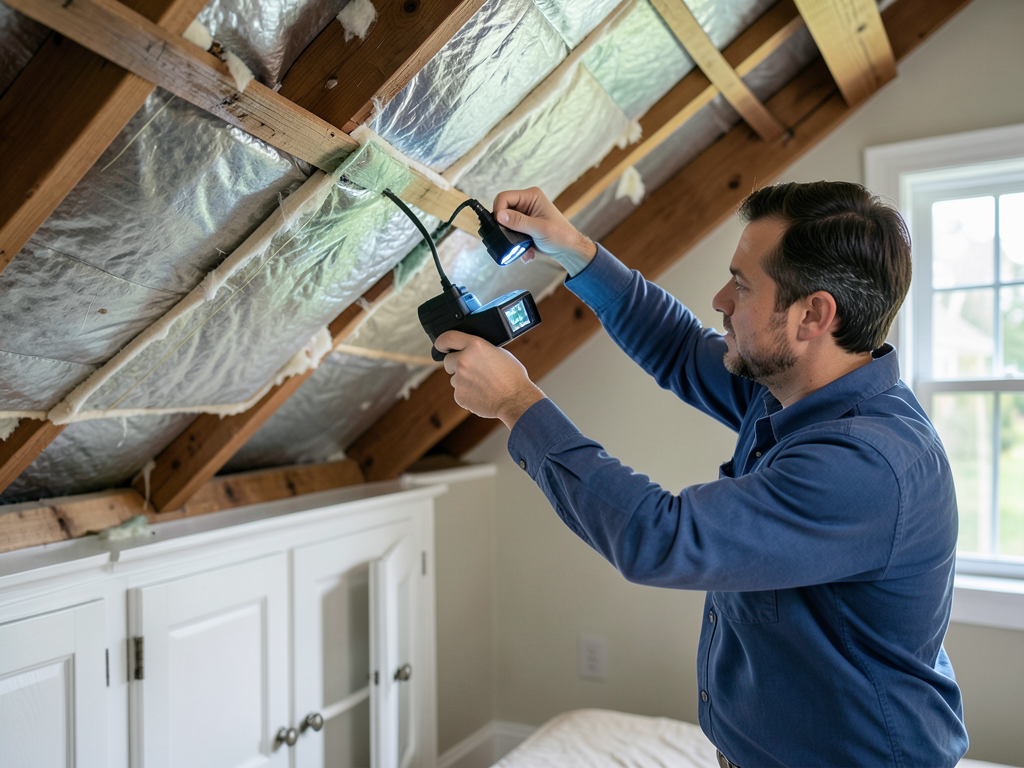
Why Your Saugus Home Needs Better Attic Insulation Before You Replace the Furnace Many Saugus homeowners rush to replace their furnace when energy bills spike, but the real culprit might be hiding above your head.…
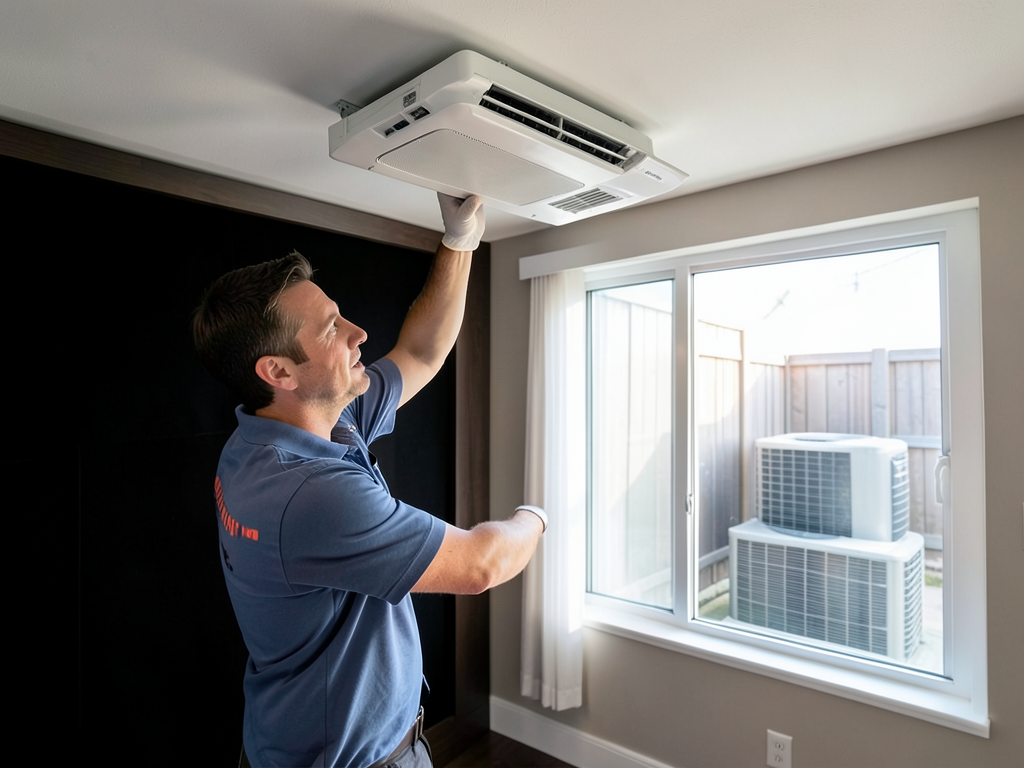
Finding a Silent HVAC Solution for Your Home Theater or Media Room in Wellesley If…
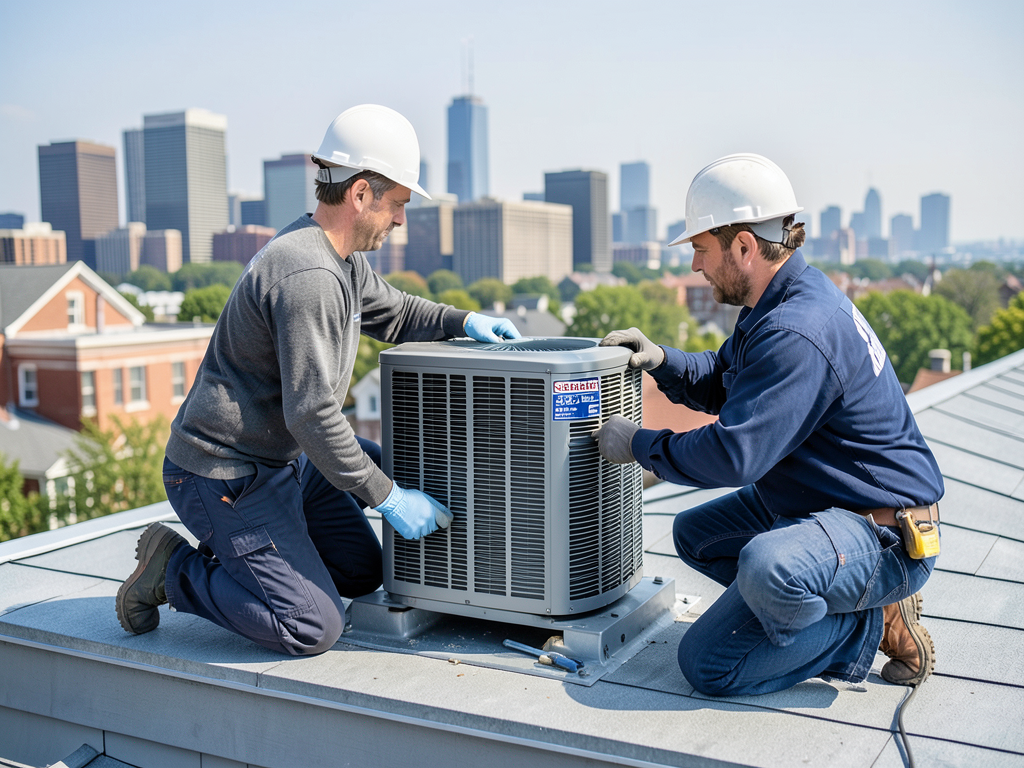
What the New SEER2 Efficiency Standards Mean for Your Next Boston AC Upgrade The Department…

Large multi-story homes in Newton often suffer from uneven temperatures where some rooms feel like…
Your heating or cooling problem will not fix itself. Call Titan HVAC Boston at (617) 758-1599 right now for immediate dispatch and same-day repair. Our technicians are ready to restore comfort to your Arlington home today.