





Everett sits along the Mystic River where coastal humidity meets urban density. Your HVAC system battles salt air corrosion from nearby Boston Harbor, temperature swings from 15-degree winters to 90-degree summers, and constant freeze-thaw cycles that crack condensate lines and stress compressors. Homes in Ferry Street and Glendale neighborhoods built before 1950 often have undersized ductwork that forces equipment to run harder and fail sooner.
Massachusetts energy codes require 14 SEER minimum for new installations, but older systems across Broadway and Everett Square still run at 8 SEER, driving up utility bills while struggling to maintain comfort. The peninsula geography traps humidity, creating mold risks in basements and attics when ventilation fails. Winter nor'easters knock out power, and when it returns, electrical surges fry circuit boards and capacitors. Your system needs to handle conditions most equipment never faces, which is why choosing a company that understands coastal Massachusetts climate matters.
Titan HVAC Boston has served Everett and Greater Boston for over two decades, building a reputation on speed, honesty, and repairs that survive New England weather. We keep fully stocked trucks with parts for every major brand, which means we fix most problems the same day without ordering components or making you wait.
Our technicians train on coastal climate challenges specific to communities along the Mystic River. We know how salt air degrades condensers. We understand why attic units in Woodlawn overheat during summer and why basement furnaces in the Heights flood during spring thaws. This expertise means faster diagnosis and permanent solutions instead of temporary patches.
We price every job upfront before starting work. You see exactly what the repair costs, what parts we use, and why the work matters. No hidden fees, no upselling, no pressure. If your system is beyond economical repair, we tell you straight and explain your options without games.
Our emergency response covers all of Everett 24 hours a day. A failed furnace in January or a dead AC in August gets same-day dispatch because we staff for emergencies, not convenience. We answer our phone, show up on time, and communicate through every step. You deal with the same local office from first call to final invoice, which matters when something goes wrong and you need it fixed now.

When your heating or cooling fails, we dispatch within hours, not days. Fully stocked trucks carry parts for same-day repairs across Everett. No waiting for components while you suffer through temperature extremes. We staff for emergencies and answer calls 24/7 because HVAC failures happen on their schedule, not yours.

You see the complete cost before work begins. We diagnose the problem, explain what failed and why, then price the repair with all parts and labor included. No hidden charges, no surprises on the final bill. If you decline the work, you only pay the diagnostic fee. Honesty builds trust.
Everett's location along the Mystic River creates unique HVAC challenges. Our technicians understand how salt air corrodes outdoor units, how humidity affects indoor air quality, and how freeze-thaw cycles damage condensate systems. We spec equipment and repairs for coastal Massachusetts conditions, not generic installations that fail early.
We have served Everett neighborhoods since the early 2000s. Our technicians know the housing stock, common system types, and recurring problems in different areas. This history means faster diagnosis and solutions proven to work in your specific community. We built our reputation here and protect it with every service call.
Titan HVAC Boston handles every heating and cooling need across Everett, from emergency furnace repairs in January to AC installations before summer heat arrives. We service all equipment types including forced air furnaces, central air conditioning, ductless mini-splits, heat pumps, boilers with air handlers, and commercial rooftop units. Our technicians carry diagnostic tools and common parts for every major brand, which eliminates delays waiting for components.
We divide our services into emergency repairs, planned replacements, and preventive maintenance because each addresses different customer situations. Emergency work focuses on fast restoration when something breaks. Replacement projects involve careful planning for efficiency, capacity, and budget. Maintenance prevents failures through scheduled inspections and cleaning. Understanding which service you need helps us respond appropriately, whether you need immediate dispatch or want to schedule an upgrade during off-season for better pricing.
When your furnace quits during a cold snap or your AC dies during a heatwave, we dispatch immediately. Our trucks carry replacement parts for thermostats, circuit boards, capacitors, contactors, blower motors, and ignition systems. We diagnose the failure, explain what broke and why, then complete most repairs the same day. If a part needs ordering, we provide temporary solutions to keep you comfortable until permanent repairs finish.
When repair costs exceed half the replacement value or your system is over 15 years old, upgrading makes financial sense. We perform load calculations to size equipment correctly for your home, recommend efficiency levels that balance upfront cost with energy savings, and install systems that meet or exceed Massachusetts code requirements. Installations include ductwork inspection, thermostat upgrades, and startup testing to verify proper operation.
Annual tune-ups catch small problems before they become expensive failures. We clean coils and burners, test electrical components, measure refrigerant charge, inspect ductwork for leaks, and replace filters. Regular maintenance extends equipment life by years, reduces energy consumption, and prevents mid-winter or mid-summer breakdowns when you need your system most. Service plans include priority scheduling and discounted repairs.
Everett's coastal location and aging housing stock create predictable HVAC problems. Salt air from Boston Harbor corrodes outdoor condensers and heat pump compressors faster than inland locations. Homes built before central air became standard often have inadequate electrical service, undersized ductwork, and poor insulation that forces systems to work harder. Humidity from the Mystic River encourages mold growth when ventilation fails or condensate drains clog.
Winter freeze-thaw cycles crack condensate lines, ice over heat pumps, and cause expansion damage to ductwork. Power surges during nor'easters fry control boards and capacitors. These problems repeat across neighborhoods because the environmental conditions and housing types share similar characteristics. Recognizing patterns helps us diagnose faster and recommend solutions that address root causes instead of just symptoms.
Coastal humidity and salt spray corrode condenser coils, fan motors, and compressor housings. Rust weakens refrigerant lines, causing leaks. Electrical connections corrode, creating intermittent failures. We clean coils regularly, apply protective coatings, and recommend corrosion-resistant components for replacements near the waterfront to extend equipment life in harsh conditions.
High-efficiency furnaces produce condensation that drains through PVC pipes. When these lines freeze during cold snaps, water backs up and triggers safety shutoffs. Poorly insulated drain lines in unheated spaces freeze repeatedly. We reroute drains to heated areas, add insulation and heat tape, and install larger diameter pipes that resist freezing better than standard quarter-inch lines.
Many Everett homes built before 1970 have ductwork designed for heating only. When central air gets added, the small ducts restrict airflow, causing frozen evaporator coils, reduced efficiency, and hot spots. We measure airflow, calculate required duct sizes, and upgrade trunk lines and supply registers to match modern equipment capacity and efficiency standards.
Power outages during nor'easters often end with voltage surges when electricity returns. These surges destroy circuit boards, capacitors, and compressor windings. We install surge protectors on outdoor disconnects and recommend whole-house protection to prevent expensive control board replacements. After major storms, we test all electrical components before restarting systems to catch damage early.
From first contact to final payment, we focus on clear communication and predictable service. When you call with an HVAC problem, you reach our local office, not a call center. We ask questions to understand your situation, then schedule service based on urgency. Emergency calls get same-day dispatch. Routine maintenance gets scheduled at your convenience.
Our technicians arrive in marked trucks with your appointment time confirmed beforehand. They diagnose the problem using calibrated tools, explain what failed in plain language, and price the repair before touching anything. You approve the work or decline with no pressure. After repairs finish, we test the system through complete heating or cooling cycles to verify proper operation. You receive an itemized invoice showing parts, labor, and warranty information. We follow up to ensure the repair solved the problem and answer any questions about operation or maintenance.
You speak with our local team who knows Everett and understands regional HVAC challenges. We confirm appointment times, explain what to expect, and call if the technician runs early or late. During the visit, we walk you through the problem and solution in plain language without jargon or pressure. After service, we follow up to verify everything works correctly and answer questions.
After diagnosing the problem, we provide a complete price that includes parts, labor, disposal fees, and taxes. You see exactly what the repair costs before we start. If you choose not to proceed, you only pay the diagnostic fee. No hidden charges appear on the final invoice. We explain why specific parts or approaches cost what they do so you understand the value.
All repairs include written warranties on parts and labor. If something we installed fails during the warranty period, we return and fix it at no charge. We stand behind our work because we use quality components and experienced technicians. Manufacturer warranties on equipment apply for years, giving you long-term protection on major investments like furnaces, air conditioners, and heat pumps.
We keep the process simple because HVAC failures create enough stress without confusing service procedures. Every job follows the same three steps regardless of problem complexity.
Our technician arrives with diagnostic equipment and tests your system to identify exactly what failed. We check electrical components, measure refrigerant pressures, test airflow, and inspect for underlying issues that might cause future problems. Once we isolate the failure, we explain what broke, why it happened, and what fixing it involves. You receive a complete price before any repair work begins.
After you approve the work, we complete the repair using parts from our truck inventory. Most common failures get fixed the same day. For system replacements, we schedule installation at your convenience, usually within a week. We protect your home with floor coverings and clean up completely before leaving. All work gets tested to verify proper operation before we consider the job complete.
We run your system through complete heating or cooling cycles, measure temperatures, check for proper airflow, and verify all safety controls operate correctly. You receive an itemized invoice with warranty information for parts and labor. We explain maintenance steps to prevent future problems and answer questions about operation. Follow-up contact ensures the repair solved your problem completely.
Massachusetts maintains strict energy efficiency requirements through the state building code and utility rebate programs. All new HVAC installations in Everett must meet 780 CMR stretch energy code requirements, which mandate minimum 95 AFUE for gas furnaces and 14.5 SEER for air conditioners in most residential applications. These standards exceed federal minimums because Massachusetts prioritizes energy conservation and carbon reduction.
Permits are required for all equipment replacements, ductwork modifications, and refrigerant line installations. The City of Everett Building Department reviews plans for proper load calculations, adequate combustion air for fuel-burning appliances, and conformance with electrical codes. Inspections verify proper installation before utilities activate new service. This permitting process protects homeowners by ensuring work meets safety standards and qualifies for manufacturer warranties, which often require documented professional installation.
Refrigerant handling requires EPA Section 608 certification. Massachusetts banned R-22 refrigerant recovery venting in 2015, requiring proper reclamation for all systems. Newer systems use R-410A or R-32 refrigerants with different pressure specifications and compatibility requirements. Mixing refrigerants or charging systems without proper equipment voids warranties and creates safety hazards. We maintain certified technicians and recovery equipment to handle all refrigerant types legally and safely.
Load calculations determine proper equipment sizing using Manual J methodology. Oversized equipment cycles frequently, reducing efficiency and dehumidification. Undersized systems run constantly without maintaining comfort. We calculate heating and cooling loads based on insulation values, window area, air infiltration rates, and occupancy patterns specific to your home. This engineering approach prevents the guessing that causes most comfort complaints and premature equipment failure.
The state requires 95 AFUE minimum for furnaces and 14.5 SEER for central air in most applications. Stretch code communities like Everett enforce stricter standards than federal minimums. All installations need permits and inspections to verify code compliance. We pull permits, submit documentation, and coordinate inspections so your installation qualifies for rebates and manufacturer warranties.
Proper sizing requires Manual J load calculations based on your home's insulation, windows, orientation, and air leakage. Contractors who guess at tonnage install oversized equipment that short cycles, wastes energy, and fails early. We measure and calculate to spec equipment that maintains comfort efficiently without oversizing penalties that cost thousands in wasted capacity and reduced lifespan.
EPA regulations require Section 608 certification for anyone handling refrigerants. Massachusetts prohibits venting R-22 and requires proper recovery equipment. Using wrong refrigerant types or charging without manifold gauges and superheat calculations damages compressors and voids warranties. Our certified technicians follow legal protocols and use calibrated tools to protect your investment and the environment.
Duct sizing follows Manual D calculations to deliver proper airflow to each room. Undersized ducts create noise, reduce efficiency, and cause frozen coils. We measure airflow with manometers and anemometers, seal leaks with mastic, and balance dampers to achieve design temperatures in every space. Proper ductwork makes the difference between mediocre and excellent system performance.
This video explains common HVAC failures in Everett, Massachusetts and how Titan HVAC Boston provides fast repair service. Topics include coastal climate challenges, salt air corrosion, frozen condensate lines, undersized ductwork in older homes, and electrical surge damage. The video covers Massachusetts energy code requirements, proper equipment sizing through load calculations, and refrigerant handling standards. Viewers learn what to expect during emergency service calls, system replacements, and preventive maintenance appointments across Everett neighborhoods.
Titan HVAC Boston provides heating and cooling service throughout Everett, from the historic homes near Everett Square to newer construction in the Glendale neighborhood. We respond to calls across Ferry Street, where triple-deckers built in the early 1900s often need ductwork upgrades when adding central air. The Woodlawn area features mid-century single-family homes with original furnaces and air conditioners reaching end of life after 20-plus years of service.
Properties near the Mystic River waterfront face accelerated corrosion from salt air, requiring more frequent coil cleaning and earlier replacement of outdoor units. The Broadway corridor runs through dense residential areas where quick emergency response matters because neighbors share walls and HVAC failures affect multiple families. We keep technicians positioned throughout Greater Boston to reach Everett customers quickly regardless of which neighborhood you call home.
The Heights section includes many multi-family properties where boiler systems with air handlers provide both heat and cooling. These configurations require specialized knowledge of hydronic heating combined with forced air distribution. Commercial properties along Route 16 and Second Street need rooftop unit service, often outside normal business hours to avoid disrupting operations.
Everett sits just minutes from our Boston service area, bordered by Chelsea to the south, Malden to the north, and Medford to the west. This central location means fast response times across the entire city. We know the local building inspectors, understand permit requirements specific to Everett, and maintain relationships with supply houses that stock parts for the equipment types common to this area. When you call Titan HVAC Boston, you get technicians who have worked in your neighborhood before and understand the unique challenges your specific location presents.
The $5000 rule helps you decide between repair or replacement. If your system is over 10 years old, multiply its age by the repair cost. If the total exceeds $5000, replacement makes more financial sense. For example, a 15-year-old furnace needing a $400 repair equals $6000, so replace it. In Everett, where humidity and temperature swings stress equipment, older systems often fail repeatedly. This rule prevents throwing good money after bad on a dying unit that will need another expensive fix soon.
A new HVAC system typically ranges from moderate to significant investment depending on size, efficiency rating, and installation complexity. Everett homes often need systems that handle high summer humidity and cold winter temperatures, which affects equipment selection. Variables include ductwork condition, brand choice, SEER rating, and whether you need gas furnace or heat pump. Older Everett homes with outdated ductwork or electrical panels increase installation costs. Get multiple quotes from licensed contractors who assess your specific square footage, insulation quality, and layout before committing.
A 3000 square foot house in Everett typically needs a 3.5 to 5-ton air conditioning system and 80,000 to 120,000 BTU furnace, depending on insulation, ceiling height, window quality, and sun exposure. Older Everett homes with poor insulation or many south-facing windows need larger capacity. Your contractor should perform a Manual J load calculation, not just use square footage rules of thumb. This calculation accounts for Everett's climate zone, your home's construction, and air leakage to prevent oversizing or undersizing your system.
The $5000 rule helps you decide between repair or replacement. If your system is over 10 years old, multiply its age by the repair cost. If the total exceeds $5000, replacement makes more financial sense. For example, a 15-year-old furnace needing a $400 repair equals $6000, so replace it. In Everett, where humidity and temperature swings stress equipment, older systems often fail repeatedly. This rule prevents throwing good money after bad on a dying unit that will need another expensive fix soon.
A new HVAC system typically ranges from moderate to significant investment depending on size, efficiency rating, and installation complexity. Everett homes often need systems that handle high summer humidity and cold winter temperatures, which affects equipment selection. Variables include ductwork condition, brand choice, SEER rating, and whether you need gas furnace or heat pump. Older Everett homes with outdated ductwork or electrical panels increase installation costs. Get multiple quotes from licensed contractors who assess your specific square footage, insulation quality, and layout before committing.
A 3000 square foot house in Everett typically needs a 3.5 to 5-ton air conditioning system and 80,000 to 120,000 BTU furnace, depending on insulation, ceiling height, window quality, and sun exposure. Older Everett homes with poor insulation or many south-facing windows need larger capacity. Your contractor should perform a Manual J load calculation, not just use square footage rules of thumb. This calculation accounts for Everett's climate zone, your home's construction, and air leakage to prevent oversizing or undersizing your system.
A 2000 square foot house needs a 2.5 to 3.5-ton air conditioner in most cases. Everett's humid summers and variable spring temperatures require proper sizing to maintain comfort and control moisture. A Manual J load calculation determines exact tonnage by factoring in insulation levels, window count, home orientation, and occupancy. Oversized units short-cycle and fail to dehumidify properly, while undersized units run constantly and struggle on hot days. Your contractor should measure your specific home instead of guessing based on square footage alone.
A 4000 square foot home requires a substantial HVAC investment, often needing dual-zone systems or high-capacity equipment. Everett's climate demands units that handle heating loads during freezing winters and cooling needs during humid summers. Variables include your home's age, insulation quality, ductwork condition, and efficiency preferences. Older Everett properties may need duct replacement or electrical upgrades, increasing total project costs. Two-story homes often benefit from zoned systems for better temperature control. Request detailed Manual J calculations and multiple contractor assessments for accurate budgeting.
The 3-minute rule prevents compressor damage after your AC shuts off. Wait at least 3 minutes before restarting your system after it cycles off or loses power. This waiting period lets refrigerant pressure equalize between the high and low sides of your system. Restarting too quickly forces the compressor to start against high pressure, causing electrical strain and potential failure. In Everett, where summer storms sometimes cause brief power outages, this rule protects your equipment. Most modern thermostats have built-in delay protection.
Installing central AC in a 2000 square foot house varies based on whether you have existing ductwork. Everett homes with forced-air heating already have ducts, reducing installation costs. Homes with radiators or baseboard heat need complete duct installation, which increases expense. Your home's electrical panel may need upgrading to handle AC load. Factors include insulation quality, window count, and whether you choose standard efficiency or high-SEER equipment. Get site-specific estimates from licensed contractors who inspect your home's layout and existing infrastructure.
HVAC systems last 15 to 20 years with proper maintenance. In Everett, where equipment handles cold winters and humid summers, lifespan depends on installation quality and upkeep. Furnaces often outlast air conditioners because they run fewer total hours annually. Heat pumps work year-round and typically need replacement sooner. Annual professional maintenance, regular filter changes, and keeping outdoor units clear of debris extend equipment life. Coastal proximity in some Everett neighborhoods can accelerate corrosion, reducing lifespan without proper protection.
Buy HVAC systems in spring or fall when contractors offer better pricing and scheduling flexibility. In Everett, avoid summer and winter rushes when demand peaks and wait times stretch weeks. October through April gives you negotiating power and thorough installation without rushed work. Manufacturers often release rebates during shoulder seasons to boost sales. You get better attention from installers who can take time to do quality work instead of rushing between emergency calls. Plan replacement before your old system fails during extreme weather.
Replacement costs in 2025 will reflect ongoing inflation in materials, labor, and refrigerant regulations. Everett homeowners should expect moderate increases compared to previous years. New efficiency standards and refrigerant phase-outs affect equipment pricing. Supply chain improvements have stabilized somewhat, but skilled labor shortages keep installation costs elevated. Your specific price depends on system size, efficiency rating, ductwork condition, and installation complexity. Early planning lets you budget accurately and avoid emergency replacement premiums during peak heating or cooling season when prices spike further.
A 2000 square foot house needs a 2.5 to 3.5-ton air conditioner in most cases. Everett's humid summers and variable spring temperatures require proper sizing to maintain comfort and control moisture. A Manual J load calculation determines exact tonnage by factoring in insulation levels, window count, home orientation, and occupancy. Oversized units short-cycle and fail to dehumidify properly, while undersized units run constantly and struggle on hot days. Your contractor should measure your specific home instead of guessing based on square footage alone.
A 4000 square foot home requires a substantial HVAC investment, often needing dual-zone systems or high-capacity equipment. Everett's climate demands units that handle heating loads during freezing winters and cooling needs during humid summers. Variables include your home's age, insulation quality, ductwork condition, and efficiency preferences. Older Everett properties may need duct replacement or electrical upgrades, increasing total project costs. Two-story homes often benefit from zoned systems for better temperature control. Request detailed Manual J calculations and multiple contractor assessments for accurate budgeting.
The 3-minute rule prevents compressor damage after your AC shuts off. Wait at least 3 minutes before restarting your system after it cycles off or loses power. This waiting period lets refrigerant pressure equalize between the high and low sides of your system. Restarting too quickly forces the compressor to start against high pressure, causing electrical strain and potential failure. In Everett, where summer storms sometimes cause brief power outages, this rule protects your equipment. Most modern thermostats have built-in delay protection.
Installing central AC in a 2000 square foot house varies based on whether you have existing ductwork. Everett homes with forced-air heating already have ducts, reducing installation costs. Homes with radiators or baseboard heat need complete duct installation, which increases expense. Your home's electrical panel may need upgrading to handle AC load. Factors include insulation quality, window count, and whether you choose standard efficiency or high-SEER equipment. Get site-specific estimates from licensed contractors who inspect your home's layout and existing infrastructure.
HVAC systems last 15 to 20 years with proper maintenance. In Everett, where equipment handles cold winters and humid summers, lifespan depends on installation quality and upkeep. Furnaces often outlast air conditioners because they run fewer total hours annually. Heat pumps work year-round and typically need replacement sooner. Annual professional maintenance, regular filter changes, and keeping outdoor units clear of debris extend equipment life. Coastal proximity in some Everett neighborhoods can accelerate corrosion, reducing lifespan without proper protection.
Buy HVAC systems in spring or fall when contractors offer better pricing and scheduling flexibility. In Everett, avoid summer and winter rushes when demand peaks and wait times stretch weeks. October through April gives you negotiating power and thorough installation without rushed work. Manufacturers often release rebates during shoulder seasons to boost sales. You get better attention from installers who can take time to do quality work instead of rushing between emergency calls. Plan replacement before your old system fails during extreme weather.
Replacement costs in 2025 will reflect ongoing inflation in materials, labor, and refrigerant regulations. Everett homeowners should expect moderate increases compared to previous years. New efficiency standards and refrigerant phase-outs affect equipment pricing. Supply chain improvements have stabilized somewhat, but skilled labor shortages keep installation costs elevated. Your specific price depends on system size, efficiency rating, ductwork condition, and installation complexity. Early planning lets you budget accurately and avoid emergency replacement premiums during peak heating or cooling season when prices spike further.
We are proud to serve our valued clients across the entire region. Whether you're in the city center or a surrounding community, our dedicated team is ready to provide top-notch HVAC services right to your doorstep. You can locate our main office here, and we encourage you to reach out to schedule a service, explore our offerings, or discuss your heating and cooling needs with our expert team. We look forward to serving you!
Address:
Everett, MA, 2149
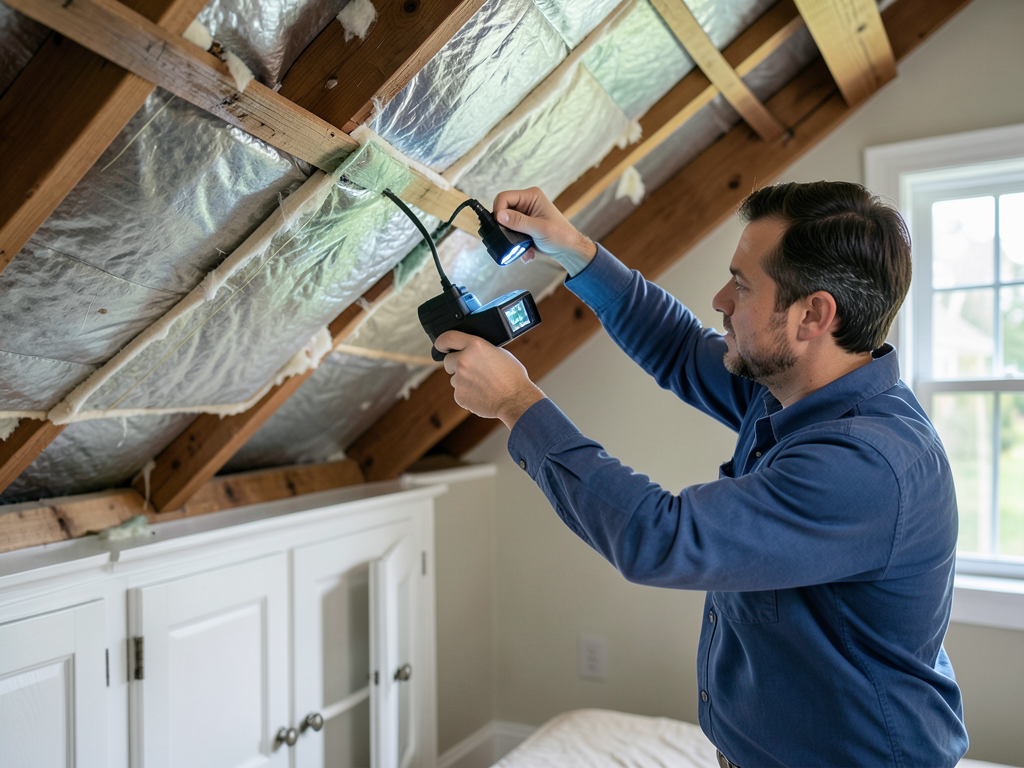
Why Your Saugus Home Needs Better Attic Insulation Before You Replace the Furnace Many Saugus homeowners rush to replace their furnace when energy bills spike, but the real culprit might be hiding above your head.…
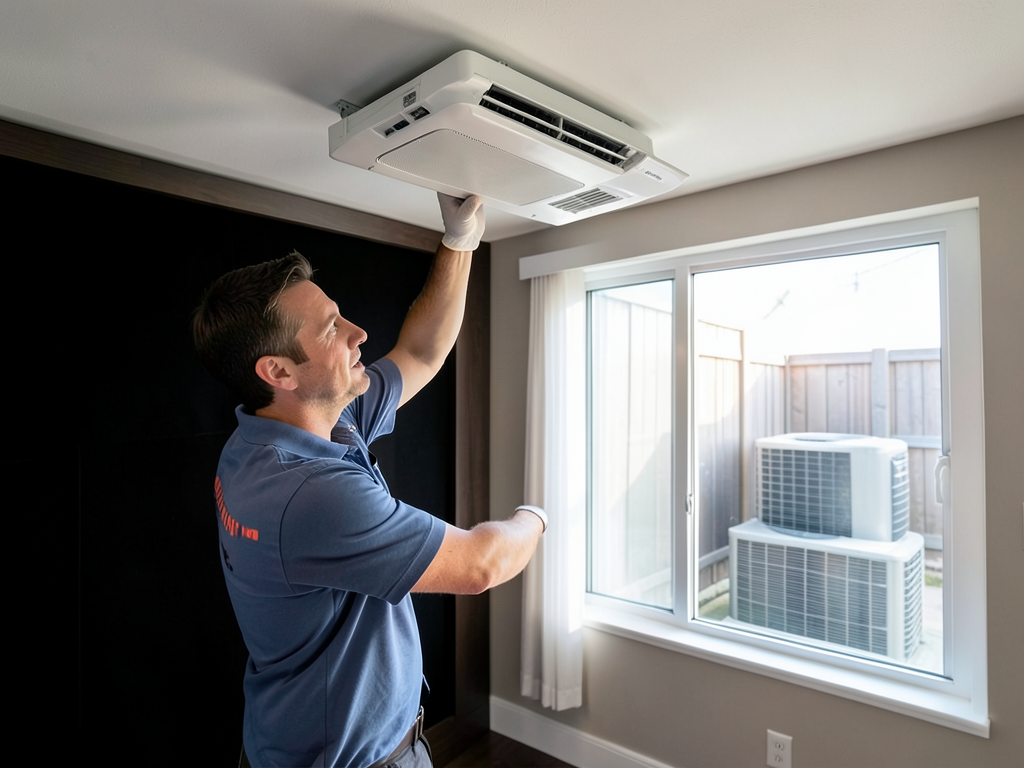
Finding a Silent HVAC Solution for Your Home Theater or Media Room in Wellesley If…
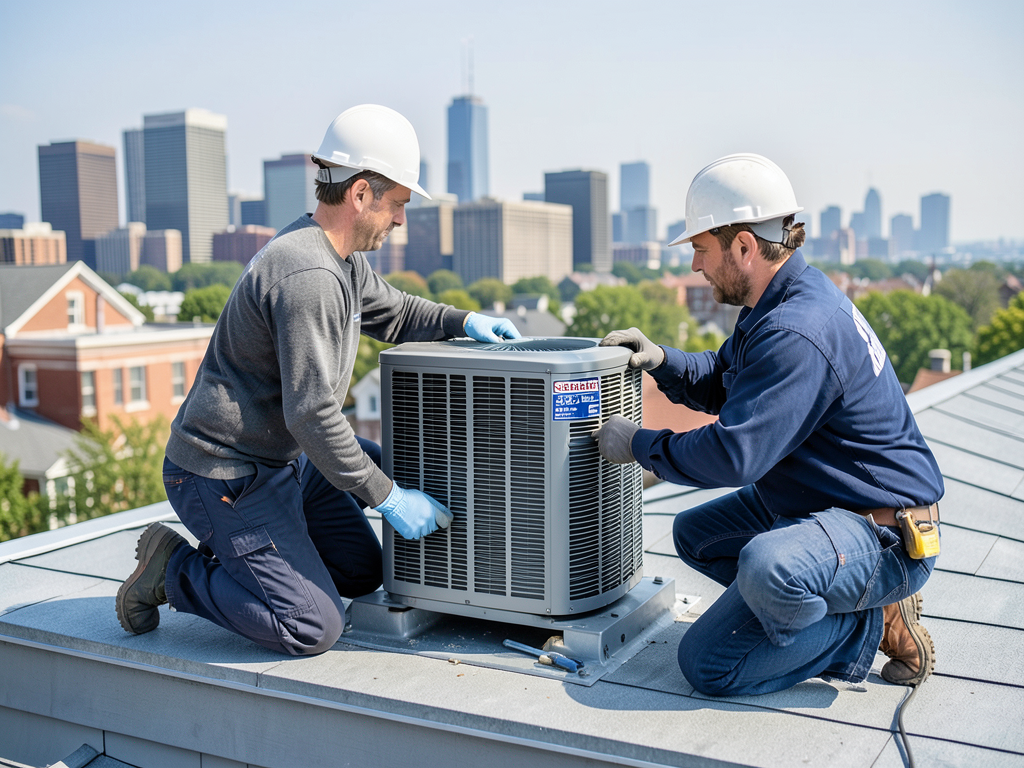
What the New SEER2 Efficiency Standards Mean for Your Next Boston AC Upgrade The Department…

Large multi-story homes in Newton often suffer from uneven temperatures where some rooms feel like…
Your comfort matters. Call Titan HVAC Boston at (617) 758-1599 for same-day emergency service or to schedule maintenance. Our technicians are ready to diagnose your problem, price the repair upfront, and restore your heating or cooling today.