





Cambridge homes battle extreme seasonal swings that punish heating and cooling equipment. Winter temperatures drop below zero, forcing furnaces to run continuously for weeks. Summer humidity climbs above 70%, making air conditioners work overtime to maintain comfort. This freeze-thaw cycle creates unique stress on HVAC systems.
The Charles River basin traps moisture, creating microclimates where humidity damages ductwork and breeds mold in forced air systems. Older neighborhoods like Harvard Square and Mid Cambridge feature homes built before modern insulation standards, forcing HVAC equipment to compensate for heat loss through uninsulated walls and drafty windows. Triple-decker homes common in Area Four and Cambridgeport create vertical airflow challenges where top floors overheat while basements stay cold.
Massachusetts energy codes require specific efficiency ratings for replacement equipment, limiting options when your system fails. Cambridge building permits require licensed contractors for HVAC work, and inspections verify proper installation. These regulations protect homeowners but mean emergency repairs need proper documentation even when your heat fails on a Sunday night.
Cambridge homeowners need HVAC service they can count on when systems fail at the worst possible moment. Titan HVAC Boston built its reputation responding to emergency calls across Riverside, Wellington-Harrington, and neighborhoods throughout the city. We answer our phones on holidays. We show up when we say we will. We fix problems instead of selling unnecessary replacements.
Our technicians understand Cambridge housing stock. We've worked in century-old homes near Harvard and modern condos along Memorial Drive. We know the difference between cast iron radiators that need boiler repair and forced air systems struggling with poor ductwork design. We've diagnosed why third-floor bedrooms in triple-deckers overheat while first floors stay cold. This experience matters when your family needs heat restored quickly.
We carry extensive parts inventory because Cambridge has diverse HVAC equipment. Victorian homes may have legacy heating systems. Newer construction uses high-efficiency heat pumps. When your system fails, we arrive prepared with components that fit your specific equipment instead of making multiple trips while you wait without heating or cooling.
Honest pricing defines our service. We diagnose the actual problem, explain what failed and why, then provide options. Emergency service costs more than scheduled maintenance, but we never exploit panic. Cambridge families recommend us because we treat their homes like our own and solve problems without creating new ones.

Real people answer emergency calls at 2am on Christmas morning. No answering service, no callback delays. When your heat fails during a winter storm, our dispatch connects you directly with technicians ready to respond across Cambridge within the hour.

Our technicians navigate the unique challenges of Cambridge homes, from Victorian heating systems to modern heat pump installations. We understand local building codes, permit requirements, and architectural quirks that affect HVAC performance throughout different neighborhoods.
We find root causes instead of replacing parts randomly. Proper diagnosis saves money and prevents repeat failures. Our technicians carry testing equipment that identifies exactly what failed, why it happened, and what needs replacement to restore reliable operation.
You get honest quotes before work begins, even during emergencies. We explain what's broken, what it costs to fix, and how long repairs take. No surprise charges when the job finishes. Cambridge homeowners trust us because we respect their need for clear information during stressful situations.
Titan HVAC Boston handles every aspect of residential heating and cooling in Cambridge. Our service range covers emergency breakdowns that need immediate attention, scheduled maintenance that prevents future failures, and complete system replacements when equipment reaches end of life. We service all major brands and fuel types, from natural gas furnaces to electric heat pumps to oil-fired boilers common in older Cambridge neighborhoods.
Central air repair addresses failed compressors, refrigerant leaks, frozen evaporator coils, and electrical failures that stop cooling. Furnace service covers ignition problems, cracked heat exchangers, blower motor failures, and thermostat malfunctions. Boiler work includes circulator pump replacement, zone valve repair, expansion tank issues, and pressure problems. Heat pump service requires specialized knowledge of both heating and cooling modes, defrost cycles, and backup heat operation during extreme cold.
Our comprehensive approach means one call handles any HVAC problem. You don't need separate contractors for heating versus cooling, repairs versus installation, or emergency service versus routine maintenance. Cambridge homeowners benefit from established relationships with technicians who understand their specific equipment and home comfort history.
When heating or cooling fails unexpectedly, emergency response restores comfort fast. We dispatch technicians immediately for no heat calls during winter cold snaps and AC failures during summer heatwaves. Our trucks carry common replacement parts for quick repairs. Diagnostic testing identifies failed components accurately so repairs solve problems permanently instead of temporarily. Emergency service includes nights, weekends, and holidays because HVAC breakdowns ignore normal business hours.
Regular maintenance prevents emergency breakdowns and extends equipment life. Annual furnace inspections before winter verify safe operation and catch small problems before they become expensive failures. Air conditioner tune-ups before cooling season clean coils, check refrigerant levels, and test electrical components. Maintenance customers receive priority scheduling and reduced rates on repairs. Preventive service costs less than emergency calls and keeps Cambridge homes comfortable year-round.
Old equipment eventually costs more to repair than replace. We install high-efficiency furnaces, central air conditioners, heat pumps, and boilers sized correctly for Cambridge homes. Proper installation includes load calculations, ductwork modifications, thermostat upgrades, and permit acquisition. New systems come with manufacturer warranties and improved energy efficiency that reduces utility bills. We handle everything from equipment selection through final inspection and startup.
Cambridge's harsh climate and older housing stock create specific HVAC challenges. Extreme temperature swings force equipment to work harder than systems in milder climates. High humidity summers promote mold growth in ductwork and drain pans. Bitter winters cause frozen condensate lines and cracked heat exchangers. Homes built before modern insulation standards lose conditioned air through walls, attics, and basements, making HVAC systems run constantly.
Many Cambridge triple-deckers and multi-family homes have undersized ductwork installed decades ago. Modern high-efficiency equipment requires proper airflow that old ducts can't deliver. Restricted airflow causes premature compressor failure, frozen evaporator coils, and uneven temperatures between floors. Radiator heating systems in older neighborhoods develop circulation problems, valve failures, and boiler inefficiency. These issues compound during extreme weather when you need reliable heating and cooling most.
Summer humidity creates constant condensation that drains from air conditioners. When drain lines clog with algae or debris, water backs up and freezes the evaporator coil. Your AC stops cooling even though the system runs. Regular drain cleaning prevents this common Cambridge air conditioning problem.
Triple-decker homes struggle with temperature balance. Heat rises naturally, leaving first floors cold while third floors overheat. Poor ductwork design, inadequate insulation, and single-zone thermostats create comfort problems. Proper zoning systems and airflow balancing solve multi-floor heating issues common in Cambridge housing.
Furnaces or air conditioners that start and stop constantly waste energy and fail prematurely. Short cycling indicates oversized equipment, thermostat problems, restricted airflow, or refrigerant issues. Proper diagnosis identifies the root cause so repairs restore normal operation instead of masking symptoms with temporary fixes.
Modern furnaces use electronic ignition instead of pilot lights. Ignition failures leave homes without heat during winter cold snaps. Dirty flame sensors, failed ignitors, and gas valve problems cause no-heat emergencies. Quick diagnosis and parts replacement restore heating before frozen pipes create additional damage.
HVAC emergencies create stress. Your family needs heat or cooling restored quickly, but you also need honest service at fair prices. Titan HVAC Boston provides both. When you call our Cambridge emergency line, real technicians answer and dispatch immediately. No phone trees, no callback delays, no runaround.
Our technicians arrive in fully stocked trucks ready to diagnose and repair common failures on the first visit. We test systematically to identify exactly what failed instead of guessing and replacing parts randomly. You receive clear explanation of the problem, repair options with transparent pricing, and realistic timelines before work begins. Emergency service costs more than scheduled appointments, but we never exploit panic or pressure unnecessary replacements.
After repairs finish, we test operation thoroughly and explain what we fixed, what caused the failure, and how to prevent future problems. You receive documentation for your records and warranty information for parts installed. Our goal is solving your immediate problem and building long-term trust with Cambridge homeowners who need reliable HVAC service.
Emergency calls receive immediate technician dispatch across Cambridge. We provide accurate arrival windows and call when we're close to your location. Our GPS-tracked trucks let dispatch optimize routes for fastest response. During extreme weather events when call volume spikes, we communicate realistic wait times honestly instead of making promises we can't keep. Most emergency responses reach Cambridge homes within 60 to 90 minutes of your call.
Our technicians use testing equipment to identify root causes instead of symptoms. We check electrical voltages, measure refrigerant pressures, test safety controls, and verify airflow before recommending repairs. You receive clear explanation of what failed, why it happened, and what's needed to fix it. Diagnostic accuracy prevents repeat callbacks and unnecessary part replacements that waste your money.
You get upfront pricing before work begins, even during emergencies. Our technicians explain repair options, answer questions, and respect your decisions. No surprise charges appear when service finishes. We provide written documentation of work completed, parts installed, and warranties that apply. If additional problems surface during repairs, we discuss options before proceeding. Cambridge homeowners appreciate honest communication during stressful breakdowns.
Getting your heating or cooling restored should be straightforward. Our process focuses on speed, accuracy, and clear communication so Cambridge homeowners know exactly what to expect from first call to completed repair.
Call our emergency line and speak directly with technicians who understand HVAC problems. Describe your symptoms and we dispatch immediately to your Cambridge location. You receive the technician's name, estimated arrival time, and direct contact number. Our dispatch system prioritizes no-heat calls during winter and AC failures during dangerous heat. We keep you informed if anything changes.
Technicians test your system systematically to identify the exact failure. We explain what's broken, show you the failed component when possible, and provide repair options with transparent pricing. Once you approve, we complete repairs using quality parts and proper installation techniques. Most common failures get fixed during the first visit because our trucks carry extensive inventory.
After repairs finish, we test complete system operation through multiple cycles. Your heating or cooling must work properly before we leave. You receive documentation of work completed, parts installed with warranty information, and recommendations for preventing future problems. We follow up within a few days to verify continued operation and answer any questions about your repaired system.
HVAC work in Cambridge requires strict compliance with Massachusetts building codes and city permit requirements. The state enforces 780 CMR building code that mandates specific efficiency standards, installation methods, and safety protocols. All HVAC contractors must hold valid Massachusetts construction supervisor licenses and hire only licensed technicians for gas fitting and refrigeration work. Cambridge Building Department requires permits for equipment replacement, fuel conversions, and ductwork modifications.
These regulations exist for good reason. Improper furnace installation can cause carbon monoxide poisoning. Incorrect refrigerant handling damages the environment and violates EPA regulations. Undersized equipment wastes energy and fails prematurely. Oversized systems short cycle and create comfort problems. Licensed contractors understand load calculation requirements under ACCA Manual J standards that determine proper equipment sizing for Cambridge homes.
Massachusetts requires minimum AFUE ratings of 80% for new furnaces and minimum SEER ratings of 14 for central air conditioners. High-efficiency equipment qualifies for rebates through Mass Save programs, but installation must meet program specifications. Technicians need certification in refrigerant handling under EPA Section 608 regulations. Gas work requires separate licensing beyond general HVAC credentials.
Cambridge inspection protocols verify proper installation before systems go into service. Inspectors check combustion safety on furnaces, refrigerant charge on air conditioners, electrical connections, condensate drainage, and vent terminations. Work that fails inspection must be corrected before homeowners can use new equipment. These standards protect Cambridge residents and ensure HVAC systems operate safely and efficiently for years.
Massachusetts mandates minimum efficiency ratings for new HVAC equipment. Furnaces must achieve 80% AFUE or higher. Central air conditioners need 14 SEER minimum ratings. High-efficiency systems qualify for Mass Save rebates but cost more initially. Energy savings offset higher purchase prices over the equipment's lifespan through reduced utility bills.
Cambridge requires permits for HVAC equipment replacement, fuel conversions, and major ductwork changes. Contractors submit applications with equipment specifications and installation plans. Building inspectors verify proper installation before systems go into service. Inspection covers combustion safety, refrigerant charge, electrical connections, and code compliance. Permits protect homeowners by ensuring professional installation.
Proper equipment sizing requires ACCA Manual J load calculations based on home square footage, insulation levels, window area, and climate zone. Contractors who guess at sizing install equipment that performs poorly. Undersized systems can't maintain comfort during temperature extremes. Oversized equipment short cycles, wastes energy, and creates humidity problems. Professional load calculations ensure optimal performance.
Educational video explaining HVAC emergency service for Cambridge homeowners. Covers what to expect during heating and cooling repairs, how climate affects equipment performance, Massachusetts building code requirements, and how to identify professional service versus inadequate quick fixes. Includes information on furnace repair, air conditioning service, proper diagnosis methods, and permit requirements for HVAC replacement in Cambridge.
Titan HVAC Boston provides emergency heating and cooling service throughout Cambridge and adjacent communities. Our technicians respond quickly to calls from Harvard Square's historic homes, Mid Cambridge triple-deckers, and modern condos along Memorial Drive near the Charles River. We service HVAC equipment in Area Four, Cambridgeport, and Riverside neighborhoods where housing density creates unique climate control challenges.
East Cambridge families near Lechmere and North Point call us for furnace repairs and AC service. Wellington-Harrington residents rely on our expertise with older heating systems common in that neighborhood's Victorian homes. West Cambridge homeowners near Fresh Pond trust our emergency response when equipment fails. Agassiz and Neighborhood Nine receive the same rapid service we provide across the entire city.
Cambridge borders create service overlap with adjacent communities. We respond to Somerville calls just across the city line near Davis Square and Union Square. Arlington residents near Alewife benefit from our proximity and fast response times. Watertown homeowners east of Mount Auburn Cemetery receive emergency service from our Cambridge-based technicians. Belmont calls near the Cambridge border get quick attention during HVAC emergencies.
The Charles River basin affects humidity and temperature patterns differently across Cambridge. Homes near the water in Cambridgeport and Riverside face higher moisture levels that challenge air conditioning systems. Inland neighborhoods like North Cambridge and West Cambridge experience slightly drier conditions but colder winter temperatures. Our technicians understand these microclimates and how they impact HVAC performance.
Massachusetts Avenue creates a central corridor through Cambridge where commercial and residential properties mix. Porter Square, Central Square, and Harvard Square present distinct HVAC challenges based on building age and construction type. Triple-deckers dominate certain blocks while modern apartments occupy others. Our experience across Cambridge's diverse housing stock means we arrive prepared for whatever system your home uses.
The $5000 rule helps you decide between repairing or replacing your air conditioner. Multiply the age of your unit by the repair cost. If the result exceeds $5000, replacement makes more financial sense. For example, a 12-year-old system needing a $500 repair equals $6000, suggesting replacement. Cambridge homes often face high humidity and temperature swings, which stress aging systems. Units older than 10 years typically lose efficiency and require frequent repairs. A new Energy Star system cuts cooling costs and handles New England's humid summers better than patching an old unit.
HVAC jobs in Cambridge vary widely based on scope. Simple repairs like thermostat replacement or filter changes run lower, while compressor replacements or ductwork modifications cost more. Full system replacements represent the highest investment. Cambridge's older housing stock, especially near Harvard Square and Cambridgeport, often requires custom ductwork or zoning solutions that affect pricing. Climate factors matter too. Our cold winters and humid summers demand systems that handle extreme temperature ranges. Get multiple quotes from local contractors who understand Cambridge building codes and the challenges of retrofitting historic properties.
A new HVAC system for Cambridge homes depends on square footage, existing infrastructure, and efficiency ratings. Factors include whether you need ductwork modifications, zoning capabilities, and heat pump versus traditional furnace systems. Cambridge's mix of Victorian homes, triple-deckers, and modern condos each present unique installation challenges. Older properties in Neighborhood Nine or Mid-Cambridge often lack modern duct systems, increasing costs. Energy-efficient systems cost more upfront but slash heating bills during brutal New England winters. Massachusetts rebates and federal tax credits can offset investment. Request detailed quotes that include equipment, labor, permits, and disposal.
The $5000 rule helps you decide between repairing or replacing your air conditioner. Multiply the age of your unit by the repair cost. If the result exceeds $5000, replacement makes more financial sense. For example, a 12-year-old system needing a $500 repair equals $6000, suggesting replacement. Cambridge homes often face high humidity and temperature swings, which stress aging systems. Units older than 10 years typically lose efficiency and require frequent repairs. A new Energy Star system cuts cooling costs and handles New England's humid summers better than patching an old unit.
HVAC jobs in Cambridge vary widely based on scope. Simple repairs like thermostat replacement or filter changes run lower, while compressor replacements or ductwork modifications cost more. Full system replacements represent the highest investment. Cambridge's older housing stock, especially near Harvard Square and Cambridgeport, often requires custom ductwork or zoning solutions that affect pricing. Climate factors matter too. Our cold winters and humid summers demand systems that handle extreme temperature ranges. Get multiple quotes from local contractors who understand Cambridge building codes and the challenges of retrofitting historic properties.
A new HVAC system for Cambridge homes depends on square footage, existing infrastructure, and efficiency ratings. Factors include whether you need ductwork modifications, zoning capabilities, and heat pump versus traditional furnace systems. Cambridge's mix of Victorian homes, triple-deckers, and modern condos each present unique installation challenges. Older properties in Neighborhood Nine or Mid-Cambridge often lack modern duct systems, increasing costs. Energy-efficient systems cost more upfront but slash heating bills during brutal New England winters. Massachusetts rebates and federal tax credits can offset investment. Request detailed quotes that include equipment, labor, permits, and disposal.
Replacing HVAC in a 2000 square foot Cambridge home depends on system type, efficiency level, and existing infrastructure. A standard split system differs from ductless mini-splits or heat pumps. Cambridge's variable climate requires systems that heat efficiently in January and cool during humid July nights. Homes in West Cambridge or Strawberry Hill with existing ductwork cost less than properties needing new installation. Two-story layouts may need zoning for comfort. Get assessments from contractors familiar with Cambridge's building codes and seasonal demands. Higher SEER ratings increase upfront cost but reduce monthly bills significantly.
HVAC system costs have tax implications in specific situations. Energy-efficient upgrades may qualify for federal tax credits under the Inflation Reduction Act. High-efficiency heat pumps and qualified air conditioning systems can earn credits up to certain limits. Massachusetts also offers rebates through Mass Save for efficient equipment. Consult a tax professional about your specific situation, as rules change annually. If you use part of your Cambridge home as a business office, you might deduct proportional HVAC costs. Landlords can typically depreciate HVAC systems as capital improvements. Keep all receipts and specification sheets for documentation.
HVAC systems in Cambridge typically last 15 to 20 years with proper maintenance. Furnaces often reach 15 to 18 years, while air conditioners last 12 to 15 years. Heat pumps average 15 years. Our harsh New England climate shortens lifespan compared to milder regions. Coastal humidity near the Charles River accelerates corrosion. Systems running year-round in older Cambridge homes wear faster than those with moderate use. Annual maintenance extends equipment life significantly. Replace filters quarterly, schedule professional tune-ups before heating and cooling seasons, and address minor issues immediately. Units older than 12 years lose efficiency and cost more to operate.
The 3-minute rule protects your air conditioner's compressor from damage. After your AC shuts off, wait at least three minutes before restarting it. This delay lets refrigerant pressures equalize throughout the system. Restarting too quickly forces the compressor to work against high pressure, causing premature failure. Modern thermostats often include built-in delay features. This matters in Cambridge where power fluctuations during summer storms can cause rapid cycling. If your system short-cycles frequently, you have a bigger problem. Call a technician to diagnose issues like refrigerant leaks, dirty coils, or faulty controls before compressor damage occurs.
Homeowners insurance rarely covers routine HVAC repairs or age-related failures. Policies typically exclude mechanical breakdowns from normal wear. However, insurance may cover HVAC damage from covered perils like fire, lightning strikes, vandalism, or fallen trees during storms. Cambridge experiences nor'easters and occasional wind damage that could qualify. If a burst pipe floods your furnace, water damage coverage might apply. Always review your specific policy. Some insurers offer optional equipment breakdown endorsements that cover mechanical failures. Home warranties differ from insurance and may cover HVAC repairs, but read exclusions carefully before purchasing.
Common HVAC repairs in Cambridge include thermostat malfunctions, dirty or clogged filters, refrigerant leaks, and failed capacitors. Ignition problems plague furnaces during cold snaps, while frozen evaporator coils occur during humid summers. Blower motor failures happen in older systems. Cambridge's temperature extremes stress components. Corroded ductwork in basements near the Charles River reduces efficiency. Drainage clogs cause water damage when AC condensate lines freeze or back up. Many issues stem from skipped maintenance. Annual tune-ups catch problems early. Strange noises, weak airflow, uneven heating, or rising energy bills signal you need professional diagnosis before minor issues become expensive failures.
HVAC prices will likely increase in 2025 due to several factors. New Department of Energy efficiency standards took effect in 2023, requiring updated equipment that costs more to manufacture. Refrigerant regulations phase out older types, increasing prices for compliant systems. Supply chain improvements have stabilized but not reversed pandemic-era increases. Labor shortages continue affecting installation costs nationwide. Massachusetts energy codes grow stricter, requiring higher-efficiency equipment. However, federal tax credits and Mass Save rebates help offset costs for Cambridge homeowners. Replacing failing systems now versus waiting depends on your current equipment's condition. Get quotes soon if your system approaches 12 years old.
Replacing HVAC in a 2000 square foot Cambridge home depends on system type, efficiency level, and existing infrastructure. A standard split system differs from ductless mini-splits or heat pumps. Cambridge's variable climate requires systems that heat efficiently in January and cool during humid July nights. Homes in West Cambridge or Strawberry Hill with existing ductwork cost less than properties needing new installation. Two-story layouts may need zoning for comfort. Get assessments from contractors familiar with Cambridge's building codes and seasonal demands. Higher SEER ratings increase upfront cost but reduce monthly bills significantly.
HVAC system costs have tax implications in specific situations. Energy-efficient upgrades may qualify for federal tax credits under the Inflation Reduction Act. High-efficiency heat pumps and qualified air conditioning systems can earn credits up to certain limits. Massachusetts also offers rebates through Mass Save for efficient equipment. Consult a tax professional about your specific situation, as rules change annually. If you use part of your Cambridge home as a business office, you might deduct proportional HVAC costs. Landlords can typically depreciate HVAC systems as capital improvements. Keep all receipts and specification sheets for documentation.
HVAC systems in Cambridge typically last 15 to 20 years with proper maintenance. Furnaces often reach 15 to 18 years, while air conditioners last 12 to 15 years. Heat pumps average 15 years. Our harsh New England climate shortens lifespan compared to milder regions. Coastal humidity near the Charles River accelerates corrosion. Systems running year-round in older Cambridge homes wear faster than those with moderate use. Annual maintenance extends equipment life significantly. Replace filters quarterly, schedule professional tune-ups before heating and cooling seasons, and address minor issues immediately. Units older than 12 years lose efficiency and cost more to operate.
The 3-minute rule protects your air conditioner's compressor from damage. After your AC shuts off, wait at least three minutes before restarting it. This delay lets refrigerant pressures equalize throughout the system. Restarting too quickly forces the compressor to work against high pressure, causing premature failure. Modern thermostats often include built-in delay features. This matters in Cambridge where power fluctuations during summer storms can cause rapid cycling. If your system short-cycles frequently, you have a bigger problem. Call a technician to diagnose issues like refrigerant leaks, dirty coils, or faulty controls before compressor damage occurs.
Homeowners insurance rarely covers routine HVAC repairs or age-related failures. Policies typically exclude mechanical breakdowns from normal wear. However, insurance may cover HVAC damage from covered perils like fire, lightning strikes, vandalism, or fallen trees during storms. Cambridge experiences nor'easters and occasional wind damage that could qualify. If a burst pipe floods your furnace, water damage coverage might apply. Always review your specific policy. Some insurers offer optional equipment breakdown endorsements that cover mechanical failures. Home warranties differ from insurance and may cover HVAC repairs, but read exclusions carefully before purchasing.
Common HVAC repairs in Cambridge include thermostat malfunctions, dirty or clogged filters, refrigerant leaks, and failed capacitors. Ignition problems plague furnaces during cold snaps, while frozen evaporator coils occur during humid summers. Blower motor failures happen in older systems. Cambridge's temperature extremes stress components. Corroded ductwork in basements near the Charles River reduces efficiency. Drainage clogs cause water damage when AC condensate lines freeze or back up. Many issues stem from skipped maintenance. Annual tune-ups catch problems early. Strange noises, weak airflow, uneven heating, or rising energy bills signal you need professional diagnosis before minor issues become expensive failures.
HVAC prices will likely increase in 2025 due to several factors. New Department of Energy efficiency standards took effect in 2023, requiring updated equipment that costs more to manufacture. Refrigerant regulations phase out older types, increasing prices for compliant systems. Supply chain improvements have stabilized but not reversed pandemic-era increases. Labor shortages continue affecting installation costs nationwide. Massachusetts energy codes grow stricter, requiring higher-efficiency equipment. However, federal tax credits and Mass Save rebates help offset costs for Cambridge homeowners. Replacing failing systems now versus waiting depends on your current equipment's condition. Get quotes soon if your system approaches 12 years old.
We are proud to serve our valued clients across the entire region. Whether you're in the city center or a surrounding community, our dedicated team is ready to provide top-notch HVAC services right to your doorstep. You can locate our main office here, and we encourage you to reach out to schedule a service, explore our offerings, or discuss your heating and cooling needs with our expert team. We look forward to serving you!
Address:
Cambridge, MA, 2143
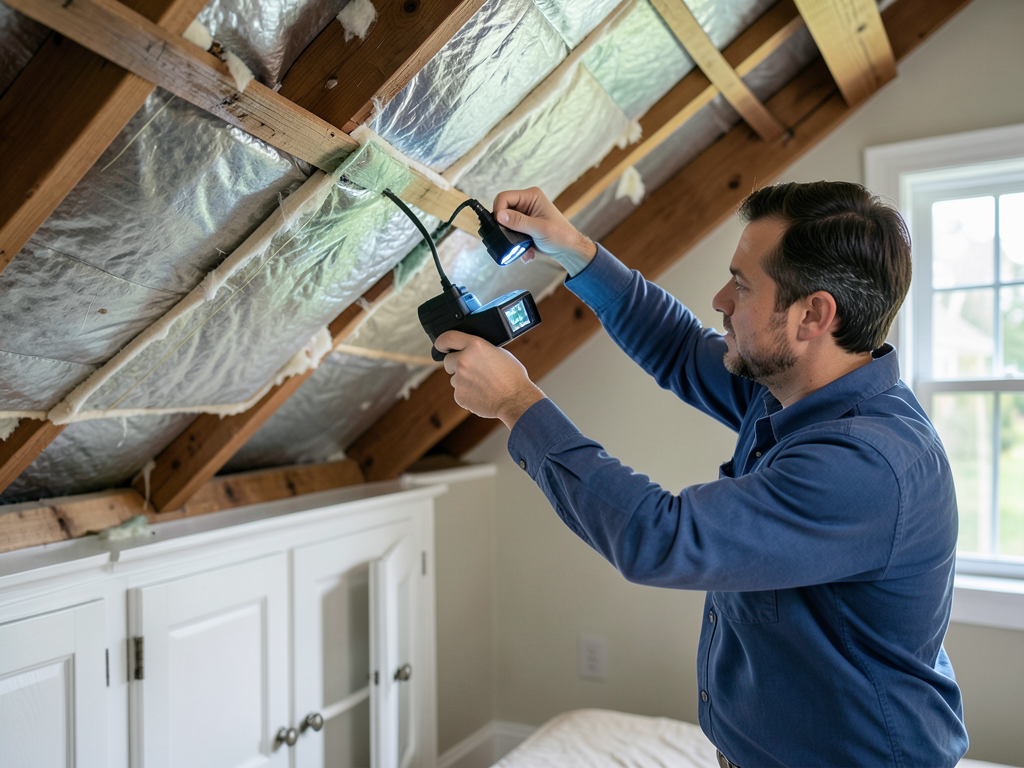
Why Your Saugus Home Needs Better Attic Insulation Before You Replace the Furnace Many Saugus homeowners rush to replace their furnace when energy bills spike, but the real culprit might be hiding above your head.…
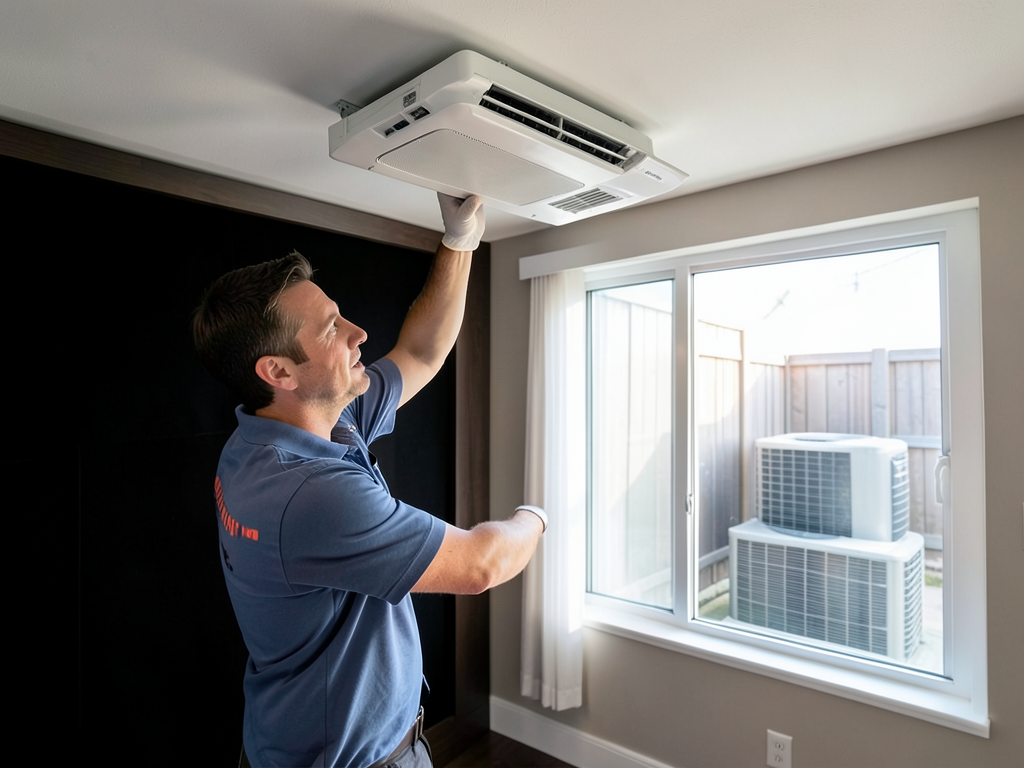
Finding a Silent HVAC Solution for Your Home Theater or Media Room in Wellesley If…
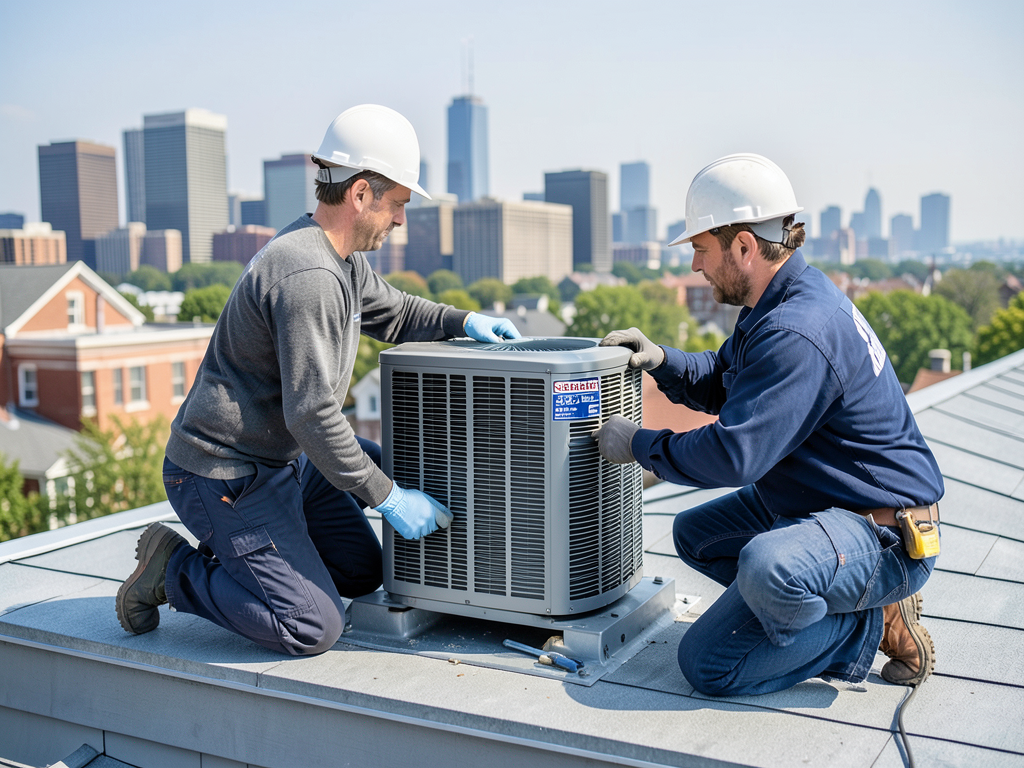
What the New SEER2 Efficiency Standards Mean for Your Next Boston AC Upgrade The Department…

Large multi-story homes in Newton often suffer from uneven temperatures where some rooms feel like…
Your heating or cooling emergency needs immediate attention. Call Titan HVAC Boston now at (617) 758-1599 for rapid dispatch across Cambridge. Our technicians answer 24/7 and arrive ready to restore comfort to your home.