
Why You Should Consider a Tankless Water Heater for Your Small North End Condo
Living in a North End condo means maximizing every square foot. Traditional 50-gallon water heaters eat up valuable closet space and keep heating water even when you’re not using it. Tankless water heaters mount on the wall and provide endless hot water on demand, making them perfect for compact Boston living. With Mass Save rebates available and Boston’s cold winter groundwater temperatures, switching to tankless can save you space, money, and energy starting today. Mass Save rebates.
Space-Saving Benefits for North End Living

A standard 50-gallon tank measures about 60 inches tall by 24 inches wide, taking up 10 square feet of floor space. In a North End condo where closets are already tight, that’s prime real estate. Tankless units mount on the wall and measure just 28 inches tall by 20 inches wide, freeing up that entire closet for storage or even a stacked washer-dryer setup. The wall-mount design also eliminates the risk of tank leaks flooding your unit below.
Performance in Boston’s Cold Climate
Boston’s winter groundwater temperature drops to around 40°F, which means your water heater needs significant temperature rise to deliver hot water. Tankless units are rated by gallons per minute (GPM) at specific temperature rises. A typical 199,000 BTU gas tankless unit can deliver 5.8 GPM at a 70°F rise, enough for two showers and a dishwasher running simultaneously. Electric models may require a 200-amp service upgrade but work well for smaller households. The key is proper sizing based on your condo’s simultaneous hot water needs. Boston Inspectional Services Department.
Condo-Specific Installation Considerations
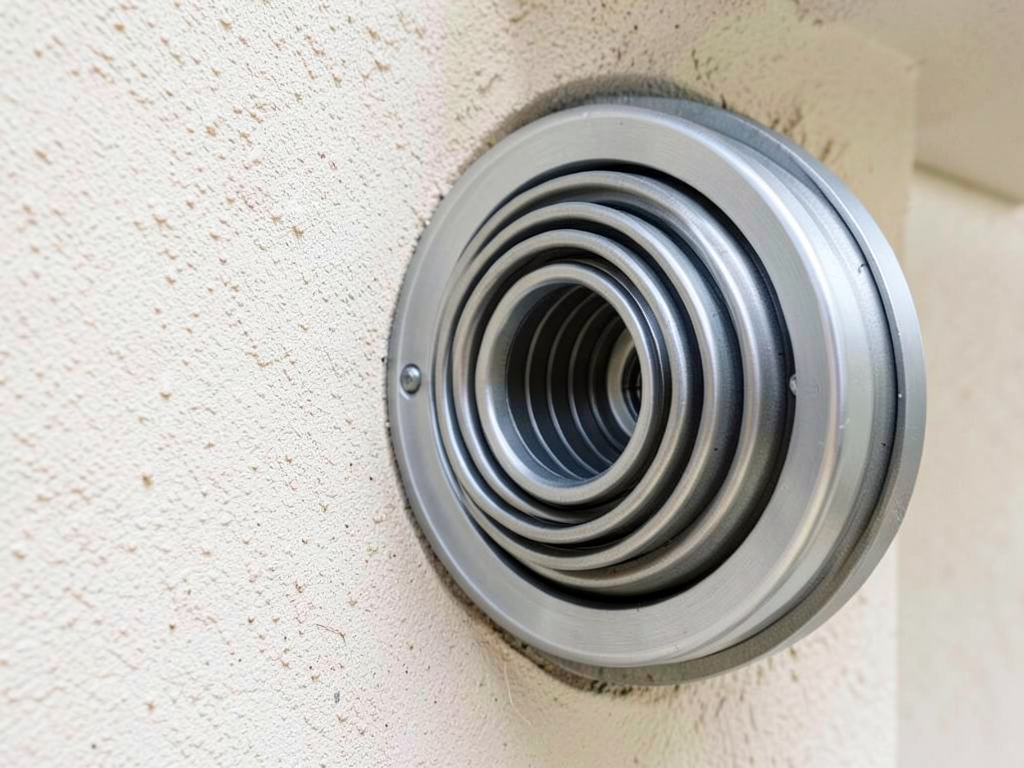
Installing a tankless system in a North End condo requires navigating building codes and condo association rules. The Boston Inspectional Services Department requires permits for gas line modifications and proper venting through exterior walls. Most North End buildings have shared wall construction, so venting must use concentric pipes that bring in combustion air and exhaust through a single penetration. Electric tankless units avoid venting issues but need adequate electrical service. Always check your condo board’s alteration agreement before starting work.
Mass Save Rebates and Financial Incentives
Massachusetts residents can receive up to $2,300 in Mass Save rebates for high-efficiency tankless water heaters. The exact amount depends on the unit’s Uniform Energy Factor (UEF) rating and whether it’s gas or electric. Federal tax credits through 2026 offer an additional 30% of installation costs up to $2,000. National Grid and Eversource also offer separate rebates for qualifying equipment. These incentives can cut your installation cost by 50% or more, making the upgrade much more affordable. The Most Reliable Heat Pump Installation Teams in Cambridge.
Comparing Tank vs. Tankless for Small Condos
Choosing between traditional and tankless systems comes down to your specific needs. Here’s how they compare for a typical one or two-bedroom North End condo:. Read more about Choosing the Right Compact HVAC System for Small Retail Shops in the North End.
| Feature | Traditional Tank | Tankless |
|---|---|---|
| Space Required | 10 sq ft floor space | Wall mount, 0 sq ft floor |
| Energy Efficiency | 60-70% efficient | 95-98% efficient |
| Hot Water Capacity | 50 gallons, then runs out | Endless, limited by flow rate |
| Lifespan | 8-12 years | 20+ years |
| Installation Cost | $1,200 – $2,000 | $3,000 – $5,000 |
| Rebate Eligibility | Limited | Up to $2,300 Mass Save |
Hard Water Considerations in Boston
Boston’s water supply comes from the Quabbin Reservoir and is considered moderately hard at 15-20 grains per gallon. This mineral content can cause scale buildup in tankless heat exchangers, reducing efficiency over time. Professional installation includes a scale inhibitor or recommends annual flushing to maintain performance. The small heat exchanger in tankless units is actually less prone to catastrophic failure than a full tank rusting out, but regular maintenance is essential for longevity.
Gas Line and Electrical Requirements
Most North End condos built before 2000 have 1/2-inch gas lines that won’t support a tankless unit’s 199,000 BTU demand. Upgrading to 3/4-inch pipe typically costs $500-$800 but is mandatory for proper operation. Electric tankless units draw 80-100 amps at 240 volts, often requiring a service panel upgrade. A licensed plumber and electrician should evaluate your condo’s existing infrastructure before you commit to a specific system type. Upgrading Historic Back Bay Homes with Central Air (Without Ruining the Interior Walls).
ROI and Long-Term Savings
While tankless units cost more upfront, they use 30-50% less energy than traditional tanks. For a two-person household, that translates to $100-$150 in annual savings. Combined with rebates and the 20+ year lifespan, most homeowners recoup their investment in 5-7 years. The space savings also add value in the Boston condo market where storage is at a premium. Many buyers now expect energy-efficient appliances as standard features.
Installation Timeline and Process
Professional tankless installation typically takes 4-6 hours once permits are approved. The process includes removing the old tank, modifying gas lines or electrical service, mounting the new unit, and testing for proper operation. Boston requires inspections for both plumbing and gas work, which can add a few days to the timeline. Most installations can be completed within one week of permit approval, making it a quick upgrade for your condo.
Maintenance Requirements
Tankless water heaters need less maintenance than traditional tanks but aren’t maintenance-free. Annual descaling prevents mineral buildup that reduces efficiency. The combustion chamber should be inspected yearly for gas units. Most manufacturers recommend professional servicing every two years to maintain warranty coverage. These simple steps ensure your system delivers reliable hot water for decades.
Frequently Asked Questions
Will a tankless water heater work during a power outage?
Gas tankless units with pilot lights will work during power outages, but most modern units with electronic ignition need electricity for the control board and fan. Electric tankless units won’t work without power. Consider a small backup generator if uninterrupted hot water is critical.
How do I know what size tankless unit I need?
Calculate your peak hot water demand by adding up the flow rates of fixtures you might use simultaneously. A shower uses 2.5 GPM, a dishwasher 1.5 GPM, and a washing machine 2 GPM. Choose a unit that can handle your total GPM at Boston’s groundwater temperature.
Can I install a tankless water heater myself?
Massachusetts plumbing code requires licensed professionals for water heater installation, especially when modifying gas lines or electrical service. DIY installation voids warranties and can create safety hazards. Professional installation also ensures you qualify for Mass Save rebates.
Ready to Upgrade Your North End Condo?
Call (617) 758-1599 today to schedule your free consultation and learn how a tankless water heater can transform your small condo. Our Boston-based technicians understand the unique challenges of North End buildings and can help you navigate permits, rebates, and installation. Don’t wait until your old tank fails – upgrade now and start saving space and money immediately.
Pick up the phone and call (617) 758-1599 before the next cold snap hits. Your perfect hot shower is just one call away.
You may also find this helpful. Comparing VRF and VRV Systems for Luxury Condo Renovations in the Seaport.
{
“@context”: “https://schema.org”,
“@type”: “BlogPosting”,
“headline”: “Why You Should Consider a Tankless Water Heater for Your Small North End Condo”,
“description”: “Discover how tankless water heaters save space, cut energy costs, and qualify for Mass Save rebates in your North End condo. Get expert installation by Titan HVAC.”,
“wordCount”: 1147,
“datePublished”: “2026-04-16T09:16:00.000Z”,
“dateModified”: “2026-04-16T09:16:00.000Z”,
“inLanguage”: “en-US”,
“mainEntityOfPage”: {
“@type”: “WebPage”,
“@id”: “https://titanhvacboston.com”
},
“publisher”: {
“@type”: “LocalBusiness”,
“name”: “Titan HVAC Boston”,
“url”: “https://titanhvacboston.com”
},
“author”: {
“@type”: “Organization”,
“name”: “Titan HVAC Boston”,
“url”: “https://titanhvacboston.com”
},
“image”: {
“@type”: “ImageObject”,
“url”: “https://titanhvacboston.com/wp-content/uploads/2026/03/why-you-should-consider-a-tankless-water-heater-fo-1.png”
}
}
{
“@context”: “https://schema.org”,
“@type”: “HVACBusiness”,
“name”: “Titan HVAC Boston”,
“url”: “https://titanhvacboston.com”,
“address”: {
“@type”: “PostalAddress”,
“addressLocality”: “Boston”
},
“areaServed”: {
“@type”: “City”,
“name”: “Boston”
}
}
{
“@context”: “https://schema.org”,
“@type”: “FAQPage”,
“mainEntity”: [
{
“@type”: “Question”,
“name”: “Will a tankless water heater work during a power outage?”,
“acceptedAnswer”: {
“@type”: “Answer”,
“text”: “Gas tankless units with pilot lights will work during power outages, but most modern units with electronic ignition need electricity for the control board and fan. Electric tankless units won’t work without power. Consider a small backup generator if uninterrupted hot water is critical.”
}
},
{
“@type”: “Question”,
“name”: “How do I know what size tankless unit I need?”,
“acceptedAnswer”: {
“@type”: “Answer”,
“text”: “Calculate your peak hot water demand by adding up the flow rates of fixtures you might use simultaneously. A shower uses 2.5 GPM, a dishwasher 1.5 GPM, and a washing machine 2 GPM. Choose a unit that can handle your total GPM at Boston’s groundwater temperature.”
}
},
{
“@type”: “Question”,
“name”: “Can I install a tankless water heater myself?”,
“acceptedAnswer”: {
“@type”: “Answer”,
“text”: “Massachusetts plumbing code requires licensed professionals for water heater installation, especially when modifying gas lines or electrical service. DIY installation voids warranties and can create safety hazards. Professional installation also ensures you qualify for Mass Save rebates.”
}
},
{
“@type”: “Question”,
“name”: “Ready to Upgrade Your North End Condo?”,
“acceptedAnswer”: {
“@type”: “Answer”,
“text”: “Call (617) 758-1599 today to schedule your free consultation and learn how a tankless water heater can transform your small condo. Our Boston-based technicians understand the unique challenges of North End buildings and can help you navigate permits, rebates, and installation. Don’t wait until your old tank fails – upgrade now and start saving space and money immediately.”
}
}
]
}
{
“@context”: “https://schema.org”,
“@type”: “BreadcrumbList”,
“itemListElement”: [
{
“@type”: “ListItem”,
“position”: 1,
“name”: “Home”,
“item”: “https://titanhvacboston.com”
},
{
“@type”: “ListItem”,
“position”: 2,
“name”: “Blog”,
“item”: “https://titanhvacboston.com/blog”
},
{
“@type”: “ListItem”,
“position”: 3,
“name”: “Why You Should Consider a Tankless Water Heater for Your Small North End Condo”
}
]
}
{
“@context”: “https://schema.org”,
“@type”: “Service”,
“serviceType”: “HVAC”,
“provider”: {
“@type”: “LocalBusiness”,
“name”: “Titan HVAC Boston”,
“url”: “https://titanhvacboston.com”
},
“areaServed”: {
“@type”: “City”,
“name”: “Boston”
},
“description”: “Discover how tankless water heaters save space, cut energy costs, and qualify for Mass Save rebates in your North End condo. Get expert installation by Titan HVAC.”
}