
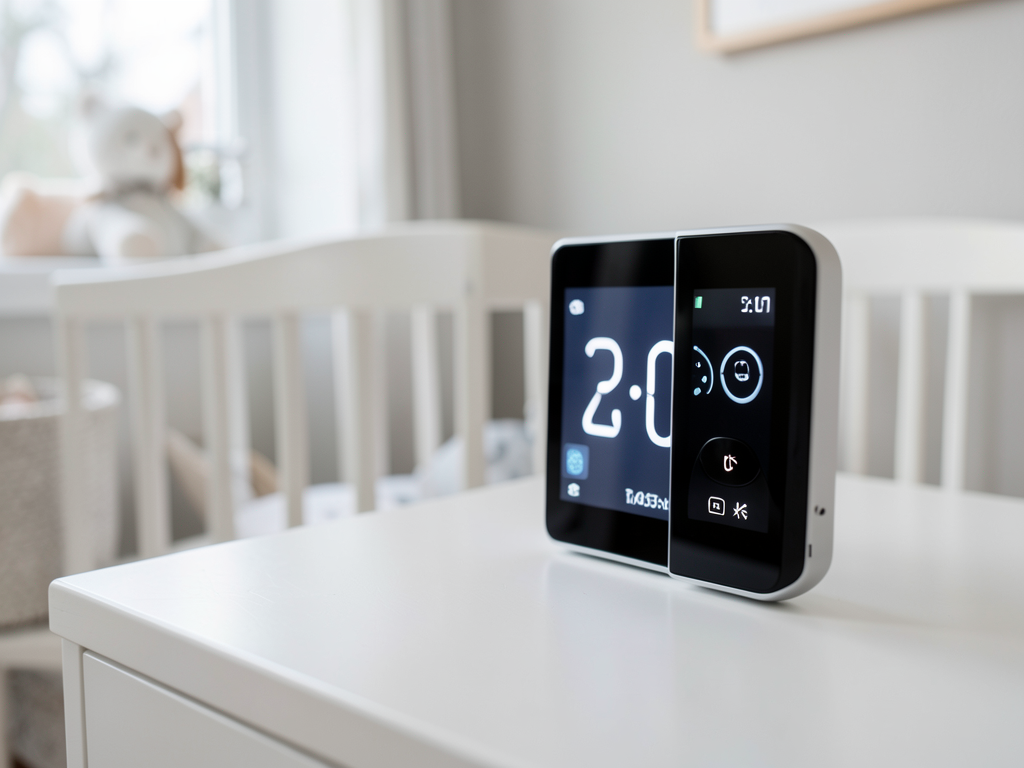
How to Maintain the Perfect Temperature in Your Baby’s Nursery During a Boston Winter
The ideal nursery temperature for a baby during a Boston winter is between 68 and 72 degrees Fahrenheit. This range keeps your infant warm enough to sleep safely without risking overheating which can increase the chances of Sudden Infant Death Syndrome. Boston winters bring unique challenges with historic brownstones, drafty windows and extremely dry air from forced heating systems. This guide combines pediatric safety standards with Boston-specific HVAC solutions to help you create a safe and comfortable sleeping environment. Upgrading Historic Back Bay Homes with Central Air (Without Ruining the Interior Walls).
What is the Recommended Temperature Range for a Baby’s Room?
The American Academy of Pediatrics recommends keeping your baby’s nursery between 68 and 72 degrees Fahrenheit. This temperature range balances safety and comfort. Babies cannot regulate their body temperature as well as adults so maintaining a consistent environment is critical. In Boston where January lows often dip below 20 degrees Fahrenheit your home heating system works overtime. Older homes in neighborhoods like Beacon Hill and the South End often have uneven heating with some rooms feeling like saunas while others stay chilly. A reliable thermostat with a remote sensor placed in the nursery gives you accurate readings of the actual room temperature not just the hallway. American Academy of Pediatrics.
Why Nursery Temperature Matters SIDS and Overheating Risks
Overheating is a significant risk factor for Sudden Infant Death Syndrome. The AAP advises against heavy blankets and loose bedding. Instead focus on maintaining the right air temperature and using appropriate sleepwear. Boston’s dry winter air can make it harder to judge if your baby is too warm. Signs of overheating include sweating damp hair flushed cheeks and rapid breathing. Boston’s climate with its sharp temperature swings between heated interiors and freezing outdoors creates additional stress on a baby’s developing respiratory system. Monitoring both temperature and humidity becomes essential. Finding the Right Ductless Mini Split for a Beacon Hill Brownstone.
Boston Winter Challenges Dealing with Drafts and Dry Air
Historic Boston homes built before 1940 often have single-pane windows and minimal wall insulation. Neighborhoods like the North End and Back Bay are filled with these charming but drafty structures. Cold air seeps through window frames and door gaps dropping the nursery temperature by several degrees overnight. Boston’s winter air holds very little moisture. Relative humidity often falls below 30 percent causing dry nasal passages and skin irritation for infants. This dryness also makes the air feel cooler than the actual temperature so you might be tempted to crank the heat which only makes the air drier. Managing both temperature and humidity is key to nursery comfort.
HVAC Solutions for Consistent Nursery Climate Control
Modern HVAC solutions can solve uneven heating problems common in Boston homes. A zoning system allows you to control the temperature in individual rooms. This is perfect for nurseries that sit over unheated basements or near drafty windows. Smart thermostats with remote sensors like the Ecobee or Nest let you monitor and adjust the nursery temperature from your phone. In homes with radiators a thermostatic radiator valve gives precise control over individual units. For homes with forced-air systems a professional duct balancing ensures warm air reaches the nursery without starving other rooms. Regular furnace maintenance including filter changes and burner cleaning keeps your system running efficiently when you need it most. How to Get Fast Emergency Furnace Repair in Dorchester This Winter.
5 Tips to Keep Your Nursery Safe Without Overheating
- Use a digital hygrometer to monitor humidity. Keep levels between 30 and 50 percent. Dry air irritates nasal passages and can lead to congestion.
- Draft proof the nursery. Use weather stripping around windows and doors. Install thermal curtains to block cold air.
- Choose the right sleep sack. Use TOG rated sleepwear based on room temperature. A 1.0 TOG sack works well for 68 to 72 degrees.
- Position the crib wisely. Keep it away from windows vents and radiators to avoid cold drafts and direct heat.
- Schedule a furnace tune-up before winter. Clean filters and burners improve efficiency and air quality.
Frequently Asked Questions About Nursery Heating
Is it safe to use a space heater in my baby’s nursery?
Space heaters pose burn and fire risks. If you must use one choose a model with tip-over and overheat protection and never leave it unattended. A central heating solution is safer.
How do I know if my nursery is too dry?
Static electricity frequent nosebleeds dry skin and a sore throat are signs of low humidity. A hygrometer gives you an exact reading.
Should I close the nursery door to keep it warm?
Closing the door can restrict airflow and cause temperature swings. If you do close it make sure the room has a working thermostat or sensor. What to Do When Your Back Bay AC Unit Stops Working in July.
What is the best way to heat a nursery in an old Boston home?
A combination of draft proofing supplemental radiant heat and a smart thermostat with a remote sensor offers the most consistent and safe heating.. Read more about How Smart Vents Can Fix Hot and Cold Spots in Large Multi-Story Newton Homes.
How often should I replace my furnace filter in winter?
Replace standard one-inch filters every one to three months during heavy use. High-efficiency filters may last up to six months but check them monthly. For more information, visit EPA indoor air quality recommendations.
{
“@context”: “https://schema.org”,
“@type”: “BlogPosting”,
“headline”: “How to Maintain the Perfect Temperature in Your Baby’s Nursery During a Boston Winter”,
“description”: “Keep your baby safe and comfortable this winter. Learn the ideal nursery temperature range, Boston-specific HVAC tips, and how to prevent dry air and drafts.”,
“wordCount”: 906,
“datePublished”: “2026-05-30T10:39:00.000Z”,
“dateModified”: “2026-05-30T10:39:00.000Z”,
“inLanguage”: “en-US”,
“mainEntityOfPage”: {
“@type”: “WebPage”,
“@id”: “https://titanhvacboston.com”
},
“publisher”: {
“@type”: “LocalBusiness”,
“name”: “Titan HVAC Boston”,
“url”: “https://titanhvacboston.com”
},
“author”: {
“@type”: “Organization”,
“name”: “Titan HVAC Boston”,
“url”: “https://titanhvacboston.com”
},
“image”: {
“@type”: “ImageObject”,
“url”: “https://titanhvacboston.com/wp-content/uploads/2026/03/how-to-maintain-the-perfect-temperature-in-your-ba-1.png”
}
}
{
“@context”: “https://schema.org”,
“@type”: “HVACBusiness”,
“name”: “Titan HVAC Boston”,
“url”: “https://titanhvacboston.com”,
“address”: {
“@type”: “PostalAddress”,
“addressLocality”: “Boston”
},
“areaServed”: {
“@type”: “City”,
“name”: “Boston”
}
}
{
“@context”: “https://schema.org”,
“@type”: “FAQPage”,
“mainEntity”: [
{
“@type”: “Question”,
“name”: “What is the Recommended Temperature Range for a Baby’s Room?”,
“acceptedAnswer”: {
“@type”: “Answer”,
“text”: “The American Academy of Pediatrics recommends keeping your baby’s nursery between 68 and 72 degrees Fahrenheit. This temperature range balances safety and comfort. Babies cannot regulate their body temperature as well as adults so maintaining a consistent environment is critical. In Boston where January lows often dip below 20 degrees Fahrenheit your home heating system works overtime. Older homes in neighborhoods like Beacon Hill and the South End often have uneven heating with some rooms feeling like saunas while others stay chilly. A reliable thermostat with a remote sensor placed in the nursery gives you accurate readings of the actual room temperature not just the hallway. American Academy of Pediatrics.”
}
},
{
“@type”: “Question”,
“name”: “Is it safe to use a space heater in my baby’s nursery?”,
“acceptedAnswer”: {
“@type”: “Answer”,
“text”: “Space heaters pose burn and fire risks. If you must use one choose a model with tip-over and overheat protection and never leave it unattended. A central heating solution is safer.”
}
},
{
“@type”: “Question”,
“name”: “How do I know if my nursery is too dry?”,
“acceptedAnswer”: {
“@type”: “Answer”,
“text”: “Static electricity frequent nosebleeds dry skin and a sore throat are signs of low humidity. A hygrometer gives you an exact reading.”
}
},
{
“@type”: “Question”,
“name”: “Should I close the nursery door to keep it warm?”,
“acceptedAnswer”: {
“@type”: “Answer”,
“text”: “Closing the door can restrict airflow and cause temperature swings. If you do close it make sure the room has a working thermostat or sensor. What to Do When Your Back Bay AC Unit Stops Working in July.”
}
},
{
“@type”: “Question”,
“name”: “What is the best way to heat a nursery in an old Boston home?”,
“acceptedAnswer”: {
“@type”: “Answer”,
“text”: “A combination of draft proofing supplemental radiant heat and a smart thermostat with a remote sensor offers the most consistent and safe heating.”
}
},
{
“@type”: “Question”,
“name”: “How often should I replace my furnace filter in winter?”,
“acceptedAnswer”: {
“@type”: “Answer”,
“text”: “Replace standard one-inch filters every one to three months during heavy use. High-efficiency filters may last up to six months but check them monthly. For more information, visit EPA indoor air quality recommendations.”
}
}
]
}
{
“@context”: “https://schema.org”,
“@type”: “BreadcrumbList”,
“itemListElement”: [
{
“@type”: “ListItem”,
“position”: 1,
“name”: “Home”,
“item”: “https://titanhvacboston.com”
},
{
“@type”: “ListItem”,
“position”: 2,
“name”: “Blog”,
“item”: “https://titanhvacboston.com/blog”
},
{
“@type”: “ListItem”,
“position”: 3,
“name”: “How to Maintain the Perfect Temperature in Your Baby’s Nursery During a Boston Winter”
}
]
}
{
“@context”: “https://schema.org”,
“@type”: “Service”,
“serviceType”: “HVAC”,
“provider”: {
“@type”: “LocalBusiness”,
“name”: “Titan HVAC Boston”,
“url”: “https://titanhvacboston.com”
},
“areaServed”: {
“@type”: “City”,
“name”: “Boston”
},
“description”: “Keep your baby safe and comfortable this winter. Learn the ideal nursery temperature range, Boston-specific HVAC tips, and how to prevent dry air and drafts.”
}