
Large multi-story homes in Newton often suffer from uneven temperatures where some rooms feel like a sauna while others stay freezing cold. Smart vents offer a proven solution by automatically adjusting airflow to each room based on real-time temperature data. These systems can reduce hot and cold spots by up to 90% while potentially cutting your energy bills by 15-20%. Air Conditioning Contractors of America.
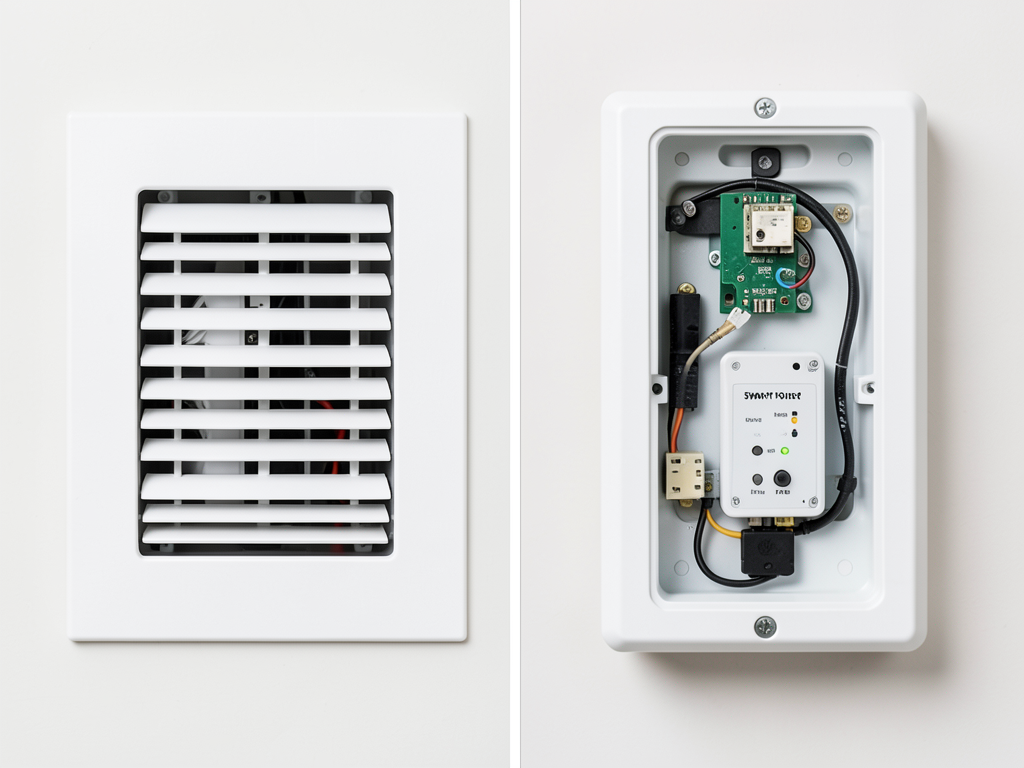
Smart vents work by replacing your standard register covers with motorized dampers that open and close based on signals from room sensors or your smart thermostat. When the living room hits the target temperature, the vent there closes while the bedroom vent stays open to push more conditioned air where it’s needed. This creates a dynamic zoning system without the cost of traditional ductwork modifications.
The technology shines in Newton’s older homes where ductwork was designed for a different era. Many homes built before the 1980s have undersized returns or poorly balanced supply ducts that create pressure imbalances. Smart vents can compensate for these design flaws by redirecting airflow rather than fighting against it.
Before installing smart vents, you need to understand your home’s specific airflow patterns. Many Newton homes have closed-off rooms that create pressure imbalances when vents are restricted. A professional HVAC assessment can identify whether your system can handle the additional static pressure these devices create.
How Smart Vents Actually Work in Your Newton Home

Smart vents contain small motors that move a damper blade inside the register. When your thermostat calls for cooling, the system’s central hub sends signals to each vent telling it whether to open or close based on temperature readings from wireless sensors placed throughout your home.
The most advanced systems use predictive algorithms that learn your home’s thermal characteristics. They understand that the west-facing bedroom heats up faster in afternoon sun and automatically adjust airflow before the room becomes uncomfortable. This anticipatory control prevents temperature swings rather than just reacting to them.
Installation typically takes 2-4 hours for a standard home. The vents replace your existing register covers and connect to your Wi-Fi network. Battery-powered models run for 12-24 months on standard AA batteries, while hardwired versions tap into your existing thermostat wiring. The Most Reliable Heat Pump Installation Teams in Cambridge.
Newton homes present unique challenges due to their age and construction. Many have plaster walls with no easy access for running new wiring. Battery-powered smart vents eliminate this problem, though they require periodic battery replacement.
Top Smart Vent Systems for Newton’s Multi-Story Homes
| System | Battery Life | Hub Required | Thermostat Compatibility |
|---|---|---|---|
| Flair Smart Vent | 12-24 months | Yes | Ecobee, Nest, Honeywell |
| Keen Home Smart Vent | 24+ months | No | Alexa, Google Home |
| Ecovent Smart Vent | 12-18 months | Yes | Ecobee only |
Flair Smart Vents lead the market for Newton homes due to their compatibility with multiple thermostat brands and their ability to work with older HVAC systems. The system includes room sensors that measure temperature, humidity, and occupancy, creating a complete picture of your home’s comfort needs.
Keen Home vents offer the advantage of not requiring a separate hub, which reduces complexity and potential points of failure. However, they lack the sophisticated learning algorithms found in Flair’s system.
Ecovent vents integrate seamlessly with Ecobee thermostats but limit your flexibility if you ever want to switch thermostat brands. They do offer the most accurate temperature readings since the sensors are built into the vents themselves.
The Technical Truth About Static Pressure and Blower Motor Health
Smart vents create static pressure in your ductwork by closing off vents. Your HVAC blower must work harder to push air through the remaining open vents. This additional load can strain older blower motors and reduce system efficiency if not properly managed.
According to ACCA Manual D standards, residential duct systems should maintain static pressure below 0.5 inches of water column. Smart vent systems monitor this pressure and can automatically open emergency vents if pressure exceeds safe levels. How to Get Fast Emergency Furnace Repair in Dorchester This Winter.
Newton homes with original 1950s-1970s ductwork are particularly vulnerable to static pressure issues. These systems were designed for constant-volume airflow and may not tolerate the dynamic changes smart vents create.
A professional assessment should include measuring your system’s static pressure with all vents open, then modeling how that pressure changes when vents close. Systems exceeding 0.4 inches of water column when all vents are open may need modifications before smart vent installation.
Variable-speed air handlers handle smart vent restrictions better than single-speed units. The variable-speed motors can ramp up to maintain proper airflow when vents close, preventing the dangerous low-flow conditions that can freeze air conditioner coils or crack furnace heat exchangers.
Installation Options: DIY vs Professional HVAC Integration
DIY installation appeals to tech-savvy homeowners who want to save money. Most smart vent systems install like standard register covers – you unscrew the old one and screw in the new one. The main challenge is configuring the system and placing sensors correctly.
Professional installation offers several advantages for Newton homes. HVAC technicians can assess your system’s static pressure, verify proper airflow, and identify potential issues before they cause damage. They also ensure proper integration with your existing thermostat and zoning controls.
The Massachusetts State Building Code (780 CMR 1309.0) requires that any modifications to HVAC systems maintain proper ventilation rates. Professional installers understand these requirements and can ensure your smart vent installation complies with local regulations. Mass Save energy efficiency program.
Professional installation typically costs $500-1,500 more than DIY but includes system testing, pressure measurements, and a warranty on the installation work. For homes with complex ductwork or older HVAC equipment, this investment often pays for itself by preventing costly repairs.
Cost-Benefit Analysis for Newton Homeowners
Smart vents cost $75-200 per vent plus $100-300 for the central hub. A typical Newton home needs 10-15 vents for whole-house coverage, putting total system costs between $1,000-3,500.
Energy savings vary based on your home’s characteristics. Homes with severe temperature imbalances often see the biggest benefits. A 15% reduction in heating and cooling costs translates to $300-600 annual savings for a typical Newton home.
The payback period ranges from 3-7 years depending on your energy usage patterns and local utility rates. Massachusetts electricity rates average 29 cents per kilowatt-hour, making energy efficiency improvements particularly valuable in this region.
Mass Save offers rebates for energy-efficient HVAC upgrades, though smart vents themselves may not qualify. However, if the system enables you to downsize your HVAC equipment or extend the life of your existing system, the indirect savings can be substantial.
Compatibility with Boston’s Historic Housing Stock
Newton contains numerous historic districts with strict architectural guidelines. Smart vents offer an advantage here because they install inside existing registers without visible exterior modifications. This makes them ideal for homes in areas like Newton Centre or along the Auburndale train line. Upgrading Historic Back Bay Homes with Central Air (Without Ruining the Interior Walls).
Many Newton homes built before 1940 have radiators rather than forced air heating. Smart vents only work with forced air systems, so these homes cannot use this technology. However, homes with mixed systems (radiant heat plus central AC) can use smart vents for cooling-only zones.
The narrow, multi-story construction common in Newton creates ideal conditions for smart vent technology. Heat naturally rises, creating hot second-floor conditions in summer and cold first-floor conditions in winter. Smart vents can counteract these natural tendencies by directing more conditioned air to problem areas.
Older homes often have asbestos-wrapped ductwork that cannot be easily modified. Smart vents provide a non-invasive way to improve comfort without disturbing hazardous materials or requiring expensive abatement procedures.
Maintenance and Troubleshooting Your Smart Vent System
Smart vents require minimal maintenance beyond battery replacement. Most systems send mobile alerts when batteries run low, typically giving you 30 days notice before vents stop functioning.
Dust accumulation can affect vent operation. Every 6-12 months, remove vents and clean the damper mechanism with compressed air. This prevents the motor from straining against debris and extends battery life.
Common issues include Wi-Fi connectivity problems, sensor calibration drift, and app glitches. Most manufacturers offer 24/7 technical support, and many Newton-area HVAC contractors now provide smart vent service as part of their offerings.
If your system shows error codes related to static pressure, immediately open several vents to reduce restriction. Continuing to operate under high static pressure can damage your blower motor and void your HVAC warranty.
Mass Save and Local Utility Considerations
Mass Save’s Home Energy Assessment program evaluates your home’s energy efficiency and recommends improvements. While smart vents aren’t currently eligible for direct rebates, the assessment can identify other energy-saving opportunities that complement your smart vent investment.
Eversource and National Grid offer time-of-use rates that can make smart vent systems more valuable. By automatically adjusting temperatures during peak rate periods, these systems can shift energy usage to off-peak hours when rates are lower.
The Massachusetts Department of Energy Resources encourages smart building technologies through various initiatives. While not providing direct incentives for smart vents, these programs create a regulatory environment that favors energy-efficient home improvements.
Local building inspectors in Newton have become more familiar with smart home technologies in recent years. Most now understand that smart vents don’t modify the HVAC system itself, just how it distributes air, making permitting straightforward for most installations.
Final Recommendations for Newton Homeowners
Smart vents work best in homes with clear temperature imbalances, modern variable-speed HVAC equipment, and homeowners comfortable with technology. They’re less suitable for homes with original single-speed systems, severe static pressure issues, or homeowners who prefer manual control.
For the best results, start with a professional assessment to measure your system’s static pressure and identify problem areas. This $200-300 investment can prevent costly mistakes and ensure your smart vent system improves rather than damages your HVAC equipment.
Consider beginning with a partial system covering your most problematic rooms. Many homeowners start with 4-6 vents in the upstairs bedrooms and living areas, then expand later if they see good results.
The technology continues improving rapidly. Systems from 2020-2021 lacked the sophisticated pressure management found in current models. If you investigated smart vents a few years ago but didn’t install them, the current generation offers significantly better performance and reliability.
Call (617) 758-1599 today to schedule your smart vent assessment. Our Newton-based HVAC technicians can evaluate your home’s specific needs and recommend the right system for your multi-story home. Don’t spend another season battling hot and cold spots – let technology solve the problem that’s been frustrating you for years. Finding the Right Ductless Mini Split for a Beacon Hill Brownstone.
Frequently Asked Questions
Do smart vents work with all HVAC systems?
Smart vents work with most forced-air heating and cooling systems. They’re compatible with gas furnaces, heat pumps, and central air conditioners. They don’t work with boilers, radiant floor heating, or ductless mini-split systems.
Will smart vents void my HVAC warranty?
Smart vents don’t modify your HVAC equipment, so they typically don’t void warranties. However, if they cause static pressure problems that damage your system, those specific repairs might not be covered. Professional installation minimizes this risk.
How long do smart vents last?
Quality smart vents typically last 7-10 years. The motors and electronics are reliable, but like any battery-powered device, they eventually need replacement. Most manufacturers offer 3-5 year warranties on their products.
Can I install smart vents myself?
Yes, DIY installation is possible and many homeowners do it successfully. However, professional installation includes system testing and pressure measurements that prevent potential damage to your HVAC equipment. For complex systems or older homes, professional installation is recommended.
Do smart vents work during power outages?
Battery-powered smart vents continue to function during power outages since they don’t require electricity. However, your HVAC system won’t operate without power, so the vents won’t be able to adjust airflow even if they’re working correctly. What to Do When Your Back Bay AC Unit Stops Working in July.
{
“@context”: “https://schema.org”,
“@type”: “BlogPosting”,
“headline”: “How Smart Vents Can Fix Hot and Cold Spots in Large Multi-Story Newton Homes”,
“description”: “Stop battling uneven temperatures in your Newton home. Learn how smart vent systems diagnose and fix hot and cold spots in large multi-story homes with real HVAC data.”,
“wordCount”: 1993,
“datePublished”: “2026-06-12T10:30:00.000Z”,
“dateModified”: “2026-06-12T10:30:00.000Z”,
“inLanguage”: “en-US”,
“mainEntityOfPage”: {
“@type”: “WebPage”,
“@id”: “https://titanhvacboston.com”
},
“publisher”: {
“@type”: “LocalBusiness”,
“name”: “Titan HVAC Boston”,
“url”: “https://titanhvacboston.com”
},
“author”: {
“@type”: “Organization”,
“name”: “Titan HVAC Boston”,
“url”: “https://titanhvacboston.com”
},
“image”: {
“@type”: “ImageObject”,
“url”: “https://titanhvacboston.com/wp-content/uploads/2026/03/how-smart-vents-can-fix-hot-and-cold-spots-in-larg-1.png”
}
}
{
“@context”: “https://schema.org”,
“@type”: “HVACBusiness”,
“name”: “Titan HVAC Boston”,
“url”: “https://titanhvacboston.com”,
“address”: {
“@type”: “PostalAddress”,
“addressLocality”: “Boston”
},
“areaServed”: {
“@type”: “City”,
“name”: “Boston”
}
}
{
“@context”: “https://schema.org”,
“@type”: “FAQPage”,
“mainEntity”: [
{
“@type”: “Question”,
“name”: “Do smart vents work with all HVAC systems?”,
“acceptedAnswer”: {
“@type”: “Answer”,
“text”: “Smart vents work with most forced-air heating and cooling systems. They’re compatible with gas furnaces, heat pumps, and central air conditioners. They don’t work with boilers, radiant floor heating, or ductless mini-split systems.”
}
},
{
“@type”: “Question”,
“name”: “Will smart vents void my HVAC warranty?”,
“acceptedAnswer”: {
“@type”: “Answer”,
“text”: “Smart vents don’t modify your HVAC equipment, so they typically don’t void warranties. However, if they cause static pressure problems that damage your system, those specific repairs might not be covered. Professional installation minimizes this risk.”
}
},
{
“@type”: “Question”,
“name”: “How long do smart vents last?”,
“acceptedAnswer”: {
“@type”: “Answer”,
“text”: “Quality smart vents typically last 7-10 years. The motors and electronics are reliable, but like any battery-powered device, they eventually need replacement. Most manufacturers offer 3-5 year warranties on their products.”
}
},
{
“@type”: “Question”,
“name”: “Can I install smart vents myself?”,
“acceptedAnswer”: {
“@type”: “Answer”,
“text”: “Yes, DIY installation is possible and many homeowners do it successfully. However, professional installation includes system testing and pressure measurements that prevent potential damage to your HVAC equipment. For complex systems or older homes, professional installation is recommended.”
}
},
{
“@type”: “Question”,
“name”: “Do smart vents work during power outages?”,
“acceptedAnswer”: {
“@type”: “Answer”,
“text”: “Battery-powered smart vents continue to function during power outages since they don’t require electricity. However, your HVAC system won’t operate without power, so the vents won’t be able to adjust airflow even if they’re working correctly. What to Do When Your Back Bay AC Unit Stops Working in July.”
}
}
]
}
{
“@context”: “https://schema.org”,
“@type”: “BreadcrumbList”,
“itemListElement”: [
{
“@type”: “ListItem”,
“position”: 1,
“name”: “Home”,
“item”: “https://titanhvacboston.com”
},
{
“@type”: “ListItem”,
“position”: 2,
“name”: “Blog”,
“item”: “https://titanhvacboston.com/blog”
},
{
“@type”: “ListItem”,
“position”: 3,
“name”: “How Smart Vents Can Fix Hot and Cold Spots in Large Multi-Story Newton Homes”
}
]
}
{
“@context”: “https://schema.org”,
“@type”: “Service”,
“serviceType”: “HVAC”,
“provider”: {
“@type”: “LocalBusiness”,
“name”: “Titan HVAC Boston”,
“url”: “https://titanhvacboston.com”
},
“areaServed”: {
“@type”: “City”,
“name”: “Boston”
},
“description”: “Stop battling uneven temperatures in your Newton home. Learn how smart vent systems diagnose and fix hot and cold spots in large multi-story homes with real HVAC data.”
}