
Heating and Cooling Your New Accessory Dwelling Unit in Lexington Without Adding Ductwork
Building an Accessory Dwelling Unit in Lexington means creating a comfortable, climate-controlled space without the complexity and cost of traditional ductwork. Lexington homeowners face unique challenges with New England’s extreme seasonal swings, from sub-zero winter nights to humid summer heat. The right HVAC solution for your ADU must deliver reliable heating and cooling while navigating local building codes and maximizing energy efficiency. Finding the Right Ductless Mini Split for a Beacon Hill Brownstone.
Without ductwork, you have several high-performance options that can handle Lexington’s climate demands. Ductless mini-split systems lead the market for ADUs under 1,000 square feet, offering zoned comfort control and exceptional efficiency. Air source heat pumps with cold-climate technology can operate effectively even when temperatures drop below zero, while small-duct high-velocity systems provide a middle ground for homeowners who want some ducting without major renovations.. Read more about What the New SEER2 Efficiency Standards Mean for Your Next Boston AC Upgrade.
Understanding your options starts with recognizing that Lexington ADUs require specialized HVAC approaches. The compact footprint means every BTU counts, and the independent nature of these units demands self-sufficient climate control systems that integrate seamlessly with your existing home infrastructure.
Why ADU HVAC Requirements Differ from Main Homes
Accessory Dwelling Units present distinct HVAC challenges compared to traditional home systems. The smaller square footage of most Lexington ADUs, typically ranging from 400 to 900 square feet, means standard HVAC calculations don’t apply. You need precise Manual J load calculations that account for the specific insulation values, window orientations, and occupancy patterns of these compact spaces.. Read more about How to Properly Size a New AC Unit for a 500 Square Foot North End Studio.
Lexington’s climate zone classification (Zone 5) requires equipment that can handle design temperatures as low as -10°F, well below what standard heat pumps can manage. This means you need either cold-climate heat pump technology or a hybrid system that combines electric heating with a backup fuel source.
The independent nature of ADUs also affects HVAC planning. Unlike additions that can tap into existing ductwork, Lexington ADUs often require standalone systems with their own electrical service and condensate drainage. This independence provides better control but requires careful planning for utility connections and outdoor unit placement.
Building codes in Lexington and surrounding Middlesex County have specific requirements for ADU HVAC systems. The Massachusetts Stretch Energy Code mandates minimum efficiency standards, while local zoning may restrict outdoor unit locations based on setbacks from property lines and neighboring structures. Mass Save Rebates.
Top 3 HVAC Solutions for Boston ADUs
Ductless Mini-Split Systems (The Gold Standard)
Ductless mini-split systems represent the most popular choice for Lexington ADUs, and for good reason. These systems consist of an outdoor condenser unit connected to one or more indoor air handlers via refrigerant lines. The absence of ductwork eliminates energy losses through duct leaks and provides superior efficiency ratings.
For Lexington’s climate, look for mini-splits with HSPF2 ratings above 10 and SEER2 ratings above 18. These high-efficiency units can deliver heating capacity even when outdoor temperatures plummet to -15°F, making them ideal for Massachusetts winters. Mitsubishi Electric’s Hyper-Heating INVERTER® technology and Fujitsu’s Halcyon XLTH series are specifically engineered for cold-climate performance. Massachusetts Stretch Energy Code.
Installation flexibility is a major advantage. Indoor units can be wall-mounted, ceiling-recessed, or floor-standing, allowing you to preserve valuable floor space in your ADU. The outdoor units require only a small concrete pad and can be placed as close as 50 feet from indoor units, making them suitable for tight Lexington lots. The Most Reliable Heat Pump Installation Teams in Cambridge.
Noise levels matter in compact ADUs. Quality mini-splits operate at 19-26 decibels indoors, quieter than a whisper. This low noise profile is crucial when the ADU serves as a home office or guest suite where quiet operation is essential.
Air Source Heat Pumps (Cold Climate Performance)
Modern air source heat pumps have evolved dramatically, with cold-climate models now capable of providing 100% heating capacity at temperatures as low as -15°F. These systems use variable-speed compressors and advanced refrigerants to extract heat from outdoor air even in freezing conditions.
For Lexington ADUs, cold-climate heat pumps offer the advantage of single-system operation for both heating and cooling. This eliminates the need for separate heating equipment, saving space and simplifying maintenance. The integrated design also provides better humidity control during Lexington’s muggy summers.
Energy efficiency is a key selling point. Heat pumps with ENERGY STAR certification and Cold Climate Air Source Heat Pump (ccASHP) designation can achieve HSPF2 ratings above 12, translating to significant utility savings compared to electric resistance heating or propane systems.
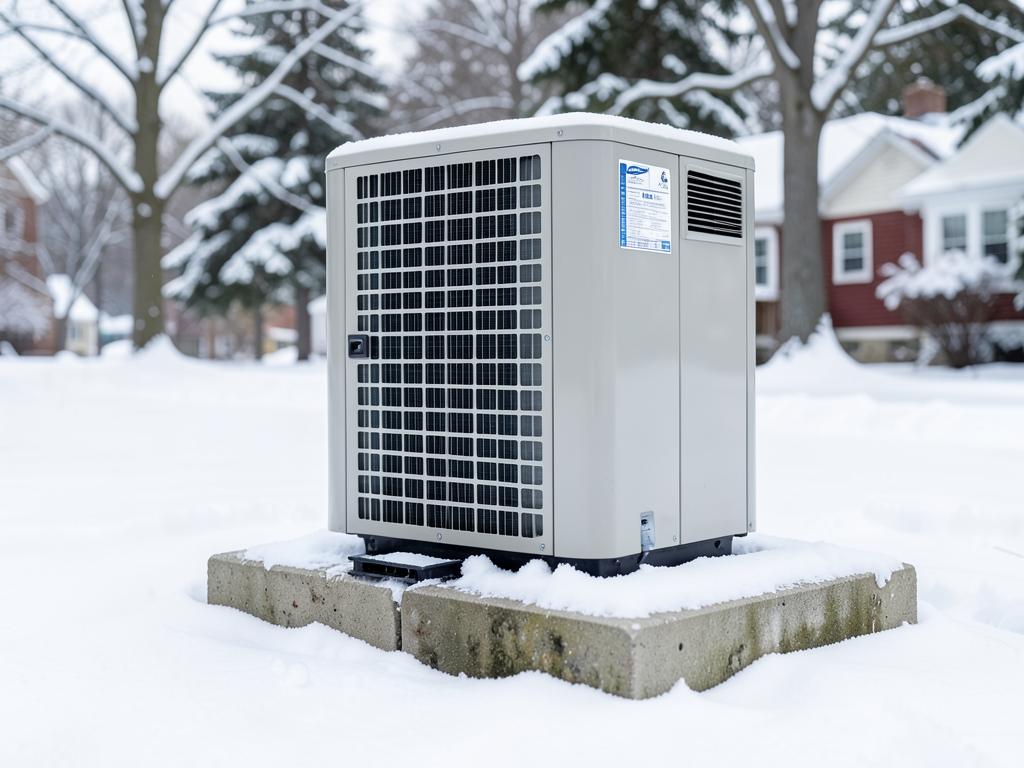
Installation considerations include adequate outdoor clearance for snow removal and proper condensate drainage. The outdoor units need to be mounted high enough to avoid snow burial and positioned where meltwater won’t create ice hazards on walkways.
Small-Duct High-Velocity (SDHV) Systems
Small-duct high-velocity systems offer a compromise between traditional ductwork and ductless solutions. These systems use narrow, flexible ducts that can be routed through wall cavities, making them suitable for Lexington’s older homes where space is at a premium.. Read more about Finding a Silent HVAC Solution for Your Home Theater or Media Room in Wellesley.
The key advantage is uniform air distribution. Unlike single-point ductless units, SDHV systems use multiple small outlets to deliver conditioned air throughout the space. This eliminates hot and cold spots that can occur with single-zone ductless systems.
Noise is a consideration with SDHV systems. The high-velocity air movement creates more sound than ductless units, typically operating at 35-45 decibels. However, the outlets are designed to minimize turbulence and can be positioned for optimal sound distribution.
Installation complexity is higher than ductless systems but lower than traditional ductwork. The flexible ducts can navigate around obstacles, but the system still requires professional design to ensure proper airflow and static pressure management.
Navigating Boston Building Codes & Mass Save Rebates
Massachusetts building codes have specific requirements for ADU HVAC systems that go beyond standard residential installations. The Massachusetts Stretch Energy Code, adopted by Lexington and most Bay State communities, requires minimum efficiency standards and often mandates energy modeling for new construction or major renovations.
Mass Save, the state’s energy efficiency program, offers substantial rebates for high-efficiency HVAC equipment. For Lexington homeowners, these rebates can cover up to $10,000 for qualifying cold-climate heat pump installations. The program requires that equipment meet specific HSPF2 and SEER2 thresholds and be installed by certified contractors.. Read more about Choosing the Best High-Efficiency AC for a Flat Roof Townhome in South Boston.
Local permitting in Lexington involves HVAC plan review to ensure compliance with energy codes. The building department typically requires Manual J calculations, equipment efficiency documentation, and confirmation that outdoor units meet setback requirements. Working with a contractor familiar with Lexington’s specific requirements can streamline this process. What to Do When Your Back Bay AC Unit Stops Working in July.
The Specialized Energy Code adopted by Boston and surrounding municipalities adds another layer of requirements. This code mandates specific efficiency levels for different building types and may require energy recovery ventilators (ERVs) in tightly sealed ADUs to maintain indoor air quality.
Electrical service upgrades are often necessary for modern HVAC systems. Lexington’s electrical infrastructure, particularly in older neighborhoods, may require panel upgrades to accommodate the electrical loads of high-efficiency heat pumps and associated controls.
Installation Considerations: Noise, Aesthetics, and Footprint
Outdoor unit placement requires careful planning in Lexington’s compact neighborhoods. The units need clearance from property lines, typically 5-10 feet depending on local zoning, and must be positioned where snow accumulation won’t bury them. Elevation is crucial – mounting units on platforms or wall brackets can prevent snow damage and improve drainage.
Noise ordinances in Lexington limit outdoor equipment sound levels to 60 decibels at property lines. Quality outdoor units operate at 50-55 decibels, but proximity to neighbors may require additional sound barriers or strategic placement behind existing structures.
Aesthetic integration matters in Lexington’s historic districts. The Town of Lexington has specific guidelines for visible equipment in designated areas. Some homeowners opt for landscaping screens or decorative enclosures that meet code requirements while preserving neighborhood character. Upgrading Historic Back Bay Homes with Central Air (Without Ruining the Interior Walls).
Indoor unit placement affects both comfort and aesthetics. Wall-mounted units offer the best efficiency but may conflict with furniture placement or window locations. Ceiling-recessed units preserve floor space but require adequate ceiling cavity depth for installation.
Condensate drainage requires attention to prevent water damage. The condensate lines must slope properly to outdoor drains or condensate pumps may be necessary for units installed below grade or where gravity drainage isn’t possible.
Cost Breakdown and ROI for Boston Property Owners
Understanding the true cost of ADU HVAC systems requires looking beyond equipment prices. A complete ductless mini-split installation for a 600-square-foot Lexington ADU typically ranges from $6,500 to $9,500, including equipment, installation, and electrical work. This price varies based on the number of indoor units, equipment efficiency ratings, and installation complexity.
Cold-climate heat pumps with similar capacity range from $7,000 to $11,000 installed. The higher cost reflects more sophisticated controls and the ability to provide reliable heating in extreme cold. However, the single-system approach can offset some costs compared to separate heating and cooling equipment.
SDHV systems represent the premium option, with installations typically costing $10,000 to $15,000. The higher cost reflects the custom duct design and more complex installation process, but provides superior air distribution for larger ADUs or those with multiple rooms.
Mass Save rebates significantly impact the economics. A $2,500 to $4,000 rebate on qualifying equipment can reduce net costs by 25-40%. Combined with federal tax credits of up to 30% for energy-efficient HVAC equipment, the total incentives can cover 50% or more of the installation cost.
The return on investment calculation includes both energy savings and increased property value. High-efficiency systems can reduce heating costs by 40-60% compared to electric resistance heating, while the improved comfort and energy performance can increase rental income potential for ADUs used as income properties.
Maintenance costs should factor into long-term planning. Quality HVAC systems require annual professional maintenance, typically costing $150-300 per year. However, the improved reliability and efficiency of modern systems often offsets these costs through energy savings and prevented breakdowns.
Making the Right Choice for Your Lexington ADU
The optimal HVAC solution for your Lexington ADU depends on several factors. For most homeowners, ductless mini-splits offer the best combination of efficiency, installation simplicity, and cost-effectiveness. The ability to zone different areas and the proven cold-climate performance make them ideal for Lexington’s weather extremes.
However, if your ADU will serve multiple rooms or you prefer the air distribution characteristics of traditional systems, SDHV technology might be worth the premium cost. The key is matching the system capabilities to your specific usage patterns and comfort preferences.
Professional load calculations are essential before making any decisions. The compact nature of ADUs means that oversizing or undersizing equipment has more dramatic effects on comfort and efficiency than in larger homes. A qualified HVAC contractor should perform Manual J calculations specific to your ADU’s construction details.
Consider future expansion when planning your system. If you might convert the ADU to a rental property or use it for different purposes over time, choosing a system with adequate capacity and zoning flexibility can prevent costly upgrades later.
Energy efficiency should be a primary consideration given Lexington’s high electricity rates. Investing in higher-efficiency equipment often pays for itself within 3-5 years through utility savings, especially when combined with available rebates and incentives.
Finally, work with contractors who understand Lexington’s specific requirements. Local experience with building codes, utility programs, and neighborhood characteristics can prevent costly mistakes and ensure your system performs optimally for years to come.
Frequently Asked Questions
What size HVAC system do I need for a 600-square-foot ADU in Lexington?
A 600-square-foot ADU typically requires 12,000 to 18,000 BTU of heating and cooling capacity, but this varies based on insulation levels, window quality, and local climate conditions. Professional Manual J calculations are essential for proper sizing.
Can I install the HVAC system myself to save money?
Massachusetts law requires licensed HVAC contractors for system installation, and DIY installation voids equipment warranties. Additionally, improper installation can lead to efficiency losses, comfort problems, and potential safety hazards.
How long does a typical ADU HVAC installation take?
Most ductless mini-split installations in Lexington ADUs can be completed in one to two days. The process includes equipment mounting, refrigerant line installation, electrical connections, and system commissioning. More complex systems may require additional time.
Will my ADU HVAC system work during power outages?
Standard HVAC systems require electricity to operate. However, you can add a small backup generator or battery system to power essential HVAC functions during outages, which is particularly important in Lexington’s winter storms.
What maintenance does an ADU HVAC system require?
Annual professional maintenance includes cleaning coils, checking refrigerant levels, testing electrical components, and replacing air filters. DIY tasks include monthly filter checks and keeping outdoor units clear of debris and snow.
Call (617) 758-1599 today to schedule your inspection. Our Lexington ADU HVAC specialists will assess your specific needs and recommend the most efficient, cost-effective solution for your new space. Don’t wait until winter – proper planning now ensures comfortable, reliable heating and cooling year-round.
Pick up the phone and call (617) 758-1599 before the next storm hits. Our team understands Lexington’s unique building requirements and can help you navigate permits, rebates, and installation timelines to get your ADU comfortable and efficient as quickly as possible.
{
“@context”: “https://schema.org”,
“@type”: “BlogPosting”,
“headline”: “Heating and Cooling Your New Accessory Dwelling Unit in Lexington Without Adding Ductwork”,
“description”: “Discover the best HVAC solutions for your Lexington ADU without ductwork. Learn about ductless mini-splits, heat pumps, and Mass Save rebates for Boston-area homeowners.”,
“wordCount”: 2202,
“datePublished”: “2026-05-28T10:57:00.000Z”,
“dateModified”: “2026-05-28T10:57:00.000Z”,
“inLanguage”: “en-US”,
“mainEntityOfPage”: {
“@type”: “WebPage”,
“@id”: “https://titanhvacboston.com”
},
“publisher”: {
“@type”: “LocalBusiness”,
“name”: “Titan HVAC Boston”,
“url”: “https://titanhvacboston.com”
},
“author”: {
“@type”: “Organization”,
“name”: “Titan HVAC Boston”,
“url”: “https://titanhvacboston.com”
},
“image”: {
“@type”: “ImageObject”,
“url”: “https://titanhvacboston.com/wp-content/uploads/2026/03/heating-and-cooling-your-new-accessory-dwelling-un-1.png”
}
}
{
“@context”: “https://schema.org”,
“@type”: “HVACBusiness”,
“name”: “Titan HVAC Boston”,
“url”: “https://titanhvacboston.com”,
“address”: {
“@type”: “PostalAddress”,
“addressLocality”: “Boston”
},
“areaServed”: {
“@type”: “City”,
“name”: “Boston”
}
}
{
“@context”: “https://schema.org”,
“@type”: “FAQPage”,
“mainEntity”: [
{
“@type”: “Question”,
“name”: “What size HVAC system do I need for a 600-square-foot ADU in Lexington?”,
“acceptedAnswer”: {
“@type”: “Answer”,
“text”: “A 600-square-foot ADU typically requires 12,000 to 18,000 BTU of heating and cooling capacity, but this varies based on insulation levels, window quality, and local climate conditions. Professional Manual J calculations are essential for proper sizing.”
}
},
{
“@type”: “Question”,
“name”: “Can I install the HVAC system myself to save money?”,
“acceptedAnswer”: {
“@type”: “Answer”,
“text”: “Massachusetts law requires licensed HVAC contractors for system installation, and DIY installation voids equipment warranties. Additionally, improper installation can lead to efficiency losses, comfort problems, and potential safety hazards.”
}
},
{
“@type”: “Question”,
“name”: “How long does a typical ADU HVAC installation take?”,
“acceptedAnswer”: {
“@type”: “Answer”,
“text”: “Most ductless mini-split installations in Lexington ADUs can be completed in one to two days. The process includes equipment mounting, refrigerant line installation, electrical connections, and system commissioning. More complex systems may require additional time.”
}
},
{
“@type”: “Question”,
“name”: “Will my ADU HVAC system work during power outages?”,
“acceptedAnswer”: {
“@type”: “Answer”,
“text”: “Standard HVAC systems require electricity to operate. However, you can add a small backup generator or battery system to power essential HVAC functions during outages, which is particularly important in Lexington’s winter storms.”
}
},
{
“@type”: “Question”,
“name”: “What maintenance does an ADU HVAC system require?”,
“acceptedAnswer”: {
“@type”: “Answer”,
“text”: “Annual professional maintenance includes cleaning coils, checking refrigerant levels, testing electrical components, and replacing air filters. DIY tasks include monthly filter checks and keeping outdoor units clear of debris and snow.”
}
}
]
}
{
“@context”: “https://schema.org”,
“@type”: “BreadcrumbList”,
“itemListElement”: [
{
“@type”: “ListItem”,
“position”: 1,
“name”: “Home”,
“item”: “https://titanhvacboston.com”
},
{
“@type”: “ListItem”,
“position”: 2,
“name”: “Blog”,
“item”: “https://titanhvacboston.com/blog”
},
{
“@type”: “ListItem”,
“position”: 3,
“name”: “Heating and Cooling Your New Accessory Dwelling Unit in Lexington Without Adding Ductwork”
}
]
}
{
“@context”: “https://schema.org”,
“@type”: “Service”,
“serviceType”: “HVAC”,
“provider”: {
“@type”: “LocalBusiness”,
“name”: “Titan HVAC Boston”,
“url”: “https://titanhvacboston.com”
},
“areaServed”: {
“@type”: “City”,
“name”: “Boston”
},
“description”: “Discover the best HVAC solutions for your Lexington ADU without ductwork. Learn about ductless mini-splits, heat pumps, and Mass Save rebates for Boston-area homeowners.”
}