
Finding the Right Air Filtration System for Families Living Near the Mass Pike or Logan Airport
Living near Boston’s major transportation corridors means dealing with constant exposure to vehicle emissions, jet exhaust, and fine particulate matter. Families in neighborhoods like East Boston, Chelsea, and parts of Revere face unique air quality challenges from both the Mass Pike traffic and Logan Airport operations. This guide explains how to protect your home’s air quality with the right filtration system. Finding the Right Ductless Mini Split for a Beacon Hill Brownstone.
The Air Quality Challenge in Boston’s Transportation Corridors
Boston’s urban environment creates specific air quality concerns for residents near major roadways and airports. The Massachusetts Department of Environmental Protection monitors PM2.5 levels across the city, with elevated readings consistently recorded in areas adjacent to I-90, I-93, and Logan Airport flight paths. EPA Air Quality Index.
PM2.5 refers to particulate matter smaller than 2.5 microns. These microscopic particles can penetrate deep into lungs and bloodstreams. Sources include diesel exhaust from trucks on the Mass Pike, jet engine emissions from Logan’s runways, and brake dust from constant stopping and starting traffic.
According to the EPA’s Air Quality Index monitoring, Boston experiences more days with unhealthy air quality than many other Northeast cities due to our dense urban layout and heavy traffic patterns. The problem intensifies during temperature inversions, which trap pollutants near ground level.
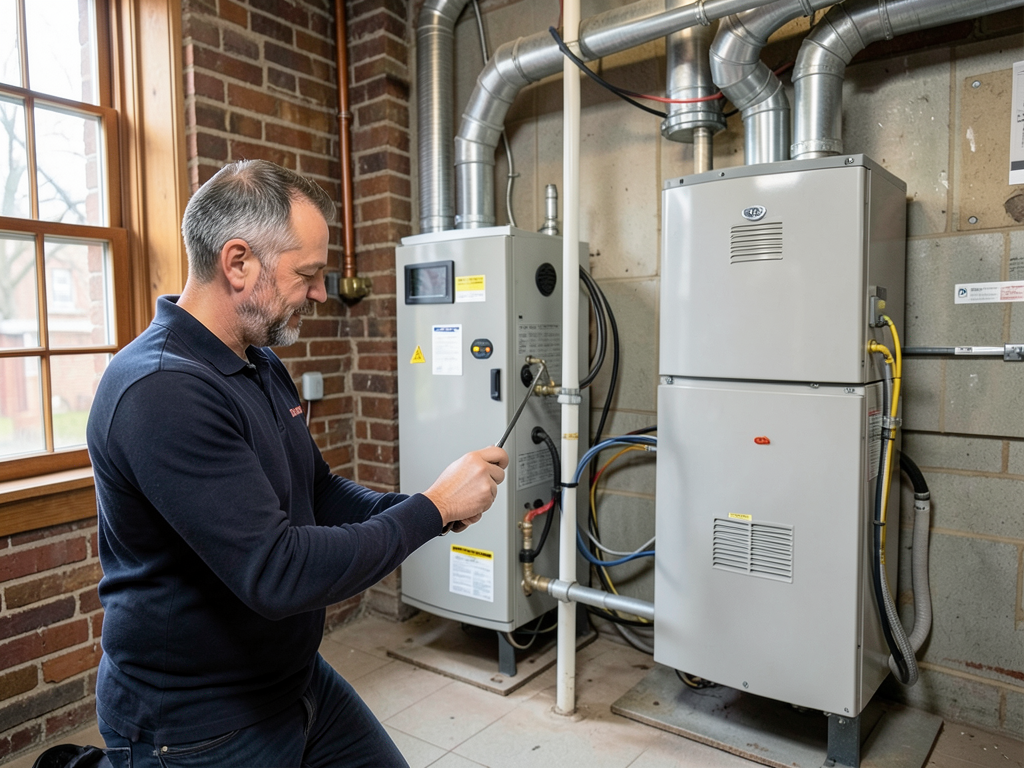
Diagram showing PM2.5 particle size compared to a human hair and common urban pollutants. Illustration of how these particles enter homes through windows, doors, and HVAC systems.. Read more about Does Your HVAC System Need UV Lights to Kill Bacteria and Mold in Quincy?.
Understanding HEPA Filtration Standards
High-Efficiency Particulate Air (HEPA) filters must meet strict standards established by the U.S. Department of Energy. True HEPA filters capture at least 99.97% of particles 0.3 microns in diameter.
The 0.3-micron size represents the most penetrating particle size. Particles larger or smaller are captured at even higher efficiency rates. This means HEPA filters effectively trap dust, pollen, mold spores, bacteria, and many viruses.
ASHRAE Standard 52.2 defines filter performance testing methods. This standard measures pressure drop across the filter and particle capture efficiency at different sizes. When selecting a filtration system, look for products tested to this standard.
Most standard HVAC filters are rated using the MERV scale (Minimum Efficiency Reporting Value). MERV 13 filters capture particles as small as 1 micron, but they don’t meet HEPA standards. True HEPA filters typically rate between MERV 17 and MERV 20.
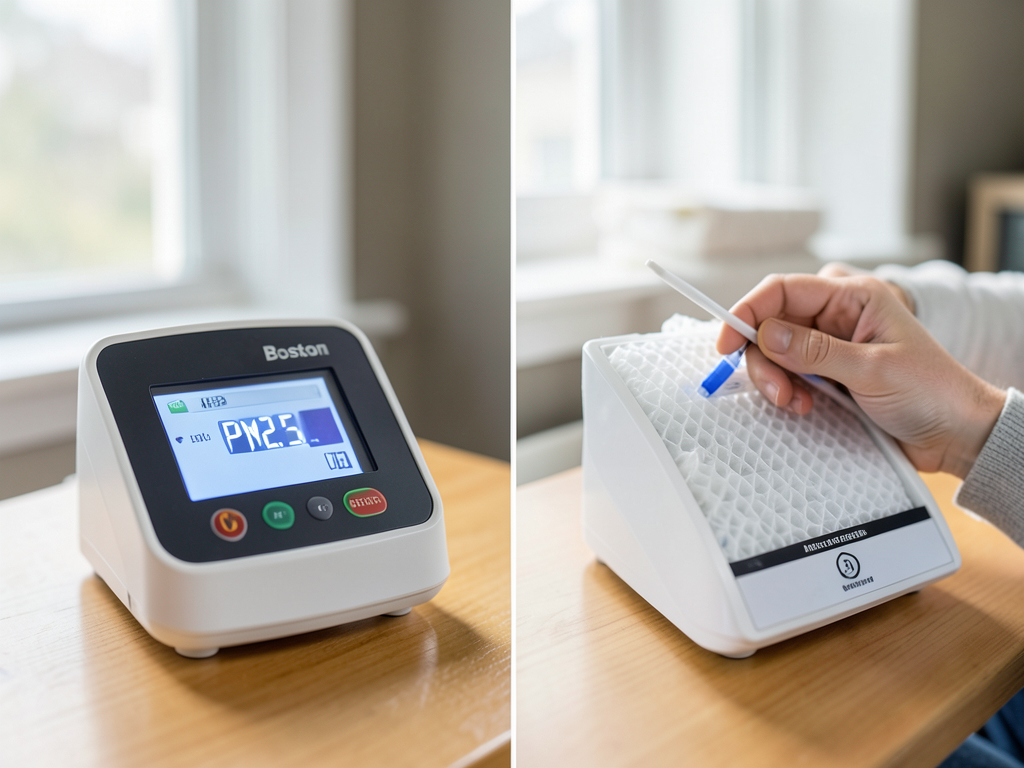
Technician using a particle counter to test air quality before and after HEPA filter installation in a Boston brownstone. Shows handheld device measuring PM2.5 levels. The Most Reliable Heat Pump Installation Teams in Cambridge.
The Static Pressure Problem with HEPA in Residential Systems
Standard residential HVAC blowers cannot handle the high static pressure of true HEPA filters. The dense filtration media creates significant airflow resistance. When a HEPA filter is installed in a standard furnace or air handler, the blower motor must work much harder. How to Get Fast Emergency Furnace Repair in Dorchester This Winter.
This increased strain can cause several problems. The motor may overheat and fail prematurely. The system may short-cycle, turning on and off rapidly. Most critically, the reduced airflow can cause the heat exchanger to overheat, creating a safety hazard.
The solution is a bypass HEPA system. These systems install a separate HEPA filtration unit alongside your existing HVAC equipment. A dedicated blower pulls air through the HEPA filter and returns clean air to your home’s ductwork.
Bypass systems maintain proper airflow through your furnace or air handler while providing true HEPA filtration. They also include pre-filters that capture larger particles, extending the life of the expensive HEPA filter.
Comparing Filtration Options for Boston Homes
Different filtration approaches work better for different situations. Consider your home’s layout, your HVAC system’s capacity, and your specific air quality concerns.
| Filtration Type | Initial Cost | Annual Filter Replacement | Air Quality Improvement | Best For |
|---|---|---|---|---|
| Standard MERV 13 | $50-150 | $100-200 | Moderate | Basic dust and pollen |
| Bypass HEPA System | $1,200-2,500 | $300-500 | High | City pollution, allergies |
| Portable HEPA Unit | $300-800 | $100-300 | Room-specific | Bedrooms, offices |
| Whole-Home Media Filter | $400-900 | $150-300 | Good | General improvement |
Bypass HEPA systems provide the best protection against Boston’s urban pollutants. They filter all air circulating through your home and don’t create the static pressure problems of installing a HEPA filter directly in your HVAC system.
Portable units work well for bedrooms or home offices but only clean the air in one room. They’re useful as supplements to whole-home systems or for renters who can’t modify their HVAC equipment.
Installation Considerations for Boston Architecture
Boston’s diverse housing stock presents unique installation challenges. Historic brownstones in the South End often have limited mechanical space. Triple-deckers in Dorchester may have multiple separate heating systems. Modern condos in the Seaport District might have high-efficiency HVAC systems with specific requirements. Upgrading Historic Back Bay Homes with Central Air (Without Ruining the Interior Walls).
Older homes built before 1980 typically have less efficient HVAC systems with smaller blowers. These systems are more likely to struggle with high-efficiency filters. A professional assessment determines whether your system can handle upgraded filtration or needs a bypass solution.
Newer construction in areas like Assembly Row or the Seaport often includes high-efficiency HVAC equipment designed to work with better filtration. These systems may accommodate MERV 13 filters or even have provisions for HEPA filtration.
Condo associations in buildings along the waterfront may have restrictions on HVAC modifications. Portable units or in-unit air scrubbers might be the only options for improving air quality.. Read more about Why a Whole-House Air Scrubber Is the Best Investment for Allergy Relief in Waltham.
Installation of a bypass HEPA system in a Boston triple-decker. Shows the separate HEPA unit mounted near the furnace with ductwork connections clearly visible.
Maintenance Requirements in Urban Environments
Boston’s urban environment means filters clog faster than in suburban or rural areas. Construction dust from projects like the Suffolk Downs development, vehicle emissions from the Mass Pike, and airport operations all contribute to faster filter loading.
Standard MERV 13 filters in city homes typically need replacement every 60-90 days instead of the usual 6-12 months. HEPA filters in bypass systems may last 12-18 months, but pre-filters need more frequent changes.
Watch for these signs that indicate filter replacement is needed:
- Reduced airflow from vents
- Increased dust accumulation on surfaces
- Musty or stale odors when HVAC runs
- Visible dirt on supply registers
Schedule professional maintenance twice yearly for systems in high-pollution areas. Technicians can measure airflow, check for duct contamination, and ensure your filtration system operates at peak efficiency.
Health Benefits for Boston Families
Improved filtration provides specific health benefits for families living near transportation corridors. Children and elderly residents are particularly vulnerable to air pollution effects. Benefits of Inverter Technology.
Studies by the Boston Public Health Commission show higher asthma rates in neighborhoods near highways and the airport. HEPA filtration can reduce asthma triggers by removing pollen, dust mites, mold spores, and air pollution particles.
Better indoor air quality also reduces allergy symptoms. Many Boston residents suffer from seasonal allergies that are exacerbated by urban pollution. HEPA systems capture pollen and other allergens that standard filters miss.
During wildfire season or periods of high ozone, HEPA filtration provides protection against outdoor air quality emergencies. Boston occasionally experiences smoke from Canadian wildfires that affects air quality across the region.
Some HEPA systems also include activated carbon filters that absorb volatile organic compounds (VOCs) from cleaning products, paints, and building materials. This provides additional protection against indoor air pollutants.
Cost Considerations and Energy Impact
High-efficiency filtration systems increase energy costs, but the impact varies by system type. Bypass HEPA systems use a separate blower, so they don’t affect your main HVAC system’s energy consumption.
Standard high-efficiency filters can increase HVAC energy use by 5-15% due to the higher static pressure. However, this is often offset by improved system efficiency from cleaner coils and heat exchangers.
Consider these cost factors:
- Initial installation costs for bypass systems
- Annual filter replacement expenses
- Potential energy cost increases
- Health care cost savings from improved air quality
Many Boston families find that the health benefits justify the costs, especially those with allergy sufferers or respiratory conditions. The peace of mind from knowing your family breathes cleaner air has value beyond the financial calculations.
Making the Right Choice for Your Home
The best filtration system depends on your specific situation. Consider these factors when making your decision:
- Your home’s HVAC system capacity and age
- Your proximity to pollution sources
- Any family members with respiratory issues
- Your budget for installation and maintenance
- Your home’s architectural constraints
Schedule a professional assessment before investing in high-end filtration. A qualified HVAC technician can evaluate your system’s capabilities and recommend appropriate solutions.
Don’t forget about other air quality improvements. Proper ventilation, humidity control, and duct cleaning complement filtration systems. A comprehensive approach provides the best results.
Ready to breathe easier in your Boston home? Call (617) 758-1599 today to schedule your air quality assessment. Our technicians understand the unique challenges of urban air pollution and can recommend the right solution for your family’s needs.
Frequently Asked Questions
Can I just install a HEPA filter in my existing furnace?
Most residential furnaces cannot handle the high static pressure of true HEPA filters. This can damage your blower motor and reduce heating efficiency. A bypass system is usually necessary for true HEPA filtration.
How much do HEPA filters cost to replace?
HEPA filter replacements typically cost $300-500 annually, while pre-filters need changing every 3-6 months at $50-100 each. This is more expensive than standard filters but provides superior air quality.
Will a better filter reduce my energy bills?
High-efficiency filters can increase energy use by 5-15% due to higher static pressure. However, they also keep your system cleaner, which can improve efficiency over time. The health benefits often outweigh the small energy cost increase.
How long does installation take?
Most bypass HEPA system installations take 4-6 hours. The technician will need access to your mechanical room and may need to modify existing ductwork slightly.
Are these systems noisy?
Bypass HEPA systems include sound-dampening features and typically operate at noise levels similar to your existing HVAC system. Most homeowners don’t notice any additional noise.
Call (617) 758-1599 today to schedule your air quality assessment and take the first step toward cleaner air for your family. For more information, visit Massachusetts Department of Environmental Protection.
{
“@context”: “https://schema.org”,
“@type”: “BlogPosting”,
“headline”: “Finding the Right Air Filtration System for Families Living Near the Mass Pike or Logan Airport”,
“description”: “Discover HEPA filtration solutions for Boston families near highways and airports. Learn about PM2.5 protection, whole-home systems, and local air quality challenges.”,
“wordCount”: 1715,
“datePublished”: “2026-04-15T10:35:00.000Z”,
“dateModified”: “2026-04-15T10:35:00.000Z”,
“inLanguage”: “en-US”,
“mainEntityOfPage”: {
“@type”: “WebPage”,
“@id”: “https://titanhvacboston.com”
},
“publisher”: {
“@type”: “LocalBusiness”,
“name”: “Titan HVAC Boston”,
“url”: “https://titanhvacboston.com”
},
“author”: {
“@type”: “Organization”,
“name”: “Titan HVAC Boston”,
“url”: “https://titanhvacboston.com”
},
“image”: {
“@type”: “ImageObject”,
“url”: “https://titanhvacboston.com/wp-content/uploads/2026/03/finding-the-right-air-filtration-system-for-famili-1.png”
}
}
{
“@context”: “https://schema.org”,
“@type”: “HVACBusiness”,
“name”: “Titan HVAC Boston”,
“url”: “https://titanhvacboston.com”,
“address”: {
“@type”: “PostalAddress”,
“addressLocality”: “Boston”
},
“areaServed”: {
“@type”: “City”,
“name”: “Boston”
}
}
{
“@context”: “https://schema.org”,
“@type”: “FAQPage”,
“mainEntity”: [
{
“@type”: “Question”,
“name”: “Can I just install a HEPA filter in my existing furnace?”,
“acceptedAnswer”: {
“@type”: “Answer”,
“text”: “Most residential furnaces cannot handle the high static pressure of true HEPA filters. This can damage your blower motor and reduce heating efficiency. A bypass system is usually necessary for true HEPA filtration.”
}
},
{
“@type”: “Question”,
“name”: “How much do HEPA filters cost to replace?”,
“acceptedAnswer”: {
“@type”: “Answer”,
“text”: “HEPA filter replacements typically cost $300-500 annually, while pre-filters need changing every 3-6 months at $50-100 each. This is more expensive than standard filters but provides superior air quality.”
}
},
{
“@type”: “Question”,
“name”: “Will a better filter reduce my energy bills?”,
“acceptedAnswer”: {
“@type”: “Answer”,
“text”: “High-efficiency filters can increase energy use by 5-15% due to higher static pressure. However, they also keep your system cleaner, which can improve efficiency over time. The health benefits often outweigh the small energy cost increase.”
}
},
{
“@type”: “Question”,
“name”: “How long does installation take?”,
“acceptedAnswer”: {
“@type”: “Answer”,
“text”: “Most bypass HEPA system installations take 4-6 hours. The technician will need access to your mechanical room and may need to modify existing ductwork slightly.”
}
},
{
“@type”: “Question”,
“name”: “Are these systems noisy?”,
“acceptedAnswer”: {
“@type”: “Answer”,
“text”: “Bypass HEPA systems include sound-dampening features and typically operate at noise levels similar to your existing HVAC system. Most homeowners don’t notice any additional noise.”
}
}
]
}
{
“@context”: “https://schema.org”,
“@type”: “BreadcrumbList”,
“itemListElement”: [
{
“@type”: “ListItem”,
“position”: 1,
“name”: “Home”,
“item”: “https://titanhvacboston.com”
},
{
“@type”: “ListItem”,
“position”: 2,
“name”: “Blog”,
“item”: “https://titanhvacboston.com/blog”
},
{
“@type”: “ListItem”,
“position”: 3,
“name”: “Finding the Right Air Filtration System for Families Living Near the Mass Pike or Logan Airport”
}
]
}
{
“@context”: “https://schema.org”,
“@type”: “Service”,
“serviceType”: “HVAC”,
“provider”: {
“@type”: “LocalBusiness”,
“name”: “Titan HVAC Boston”,
“url”: “https://titanhvacboston.com”
},
“areaServed”: {
“@type”: “City”,
“name”: “Boston”
},
“description”: “Discover HEPA filtration solutions for Boston families near highways and airports. Learn about PM2.5 protection, whole-home systems, and local air quality challenges.”
}