
Does Your HVAC System Need UV Lights to Kill Bacteria and Mold in Quincy?
Quincy homeowners face unique indoor air quality challenges due to Boston’s coastal humidity and aging home infrastructure. UV lights installed in your HVAC system use germicidal irradiation to neutralize mold spores, bacteria, and viruses before they circulate through your home. These systems target the evaporator coil where biological growth thrives in the damp environment created by cooling cycles.
The technology works by emitting ultraviolet-C light at 253.7 nanometers, a wavelength that damages the DNA of microorganisms. This prevents them from reproducing and eliminates existing colonies on surfaces. In Quincy’s climate, where summer humidity regularly exceeds 70% and many homes have older ductwork, UV lights provide measurable improvements in both air quality and system efficiency.
How UV-C Germicidal Irradiation Actually Works in Your HVAC System
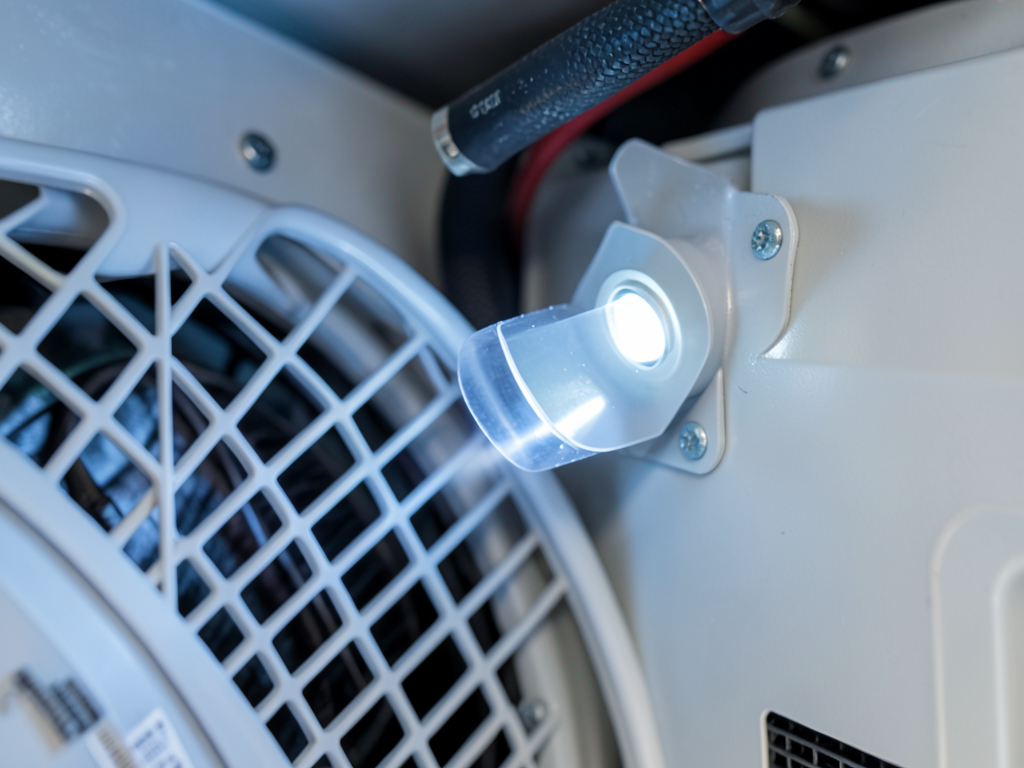
UV-C light penetrates the cell walls of microorganisms and disrupts their DNA structure. This process, called thymine dimer formation, makes it impossible for bacteria, viruses, and mold spores to reproduce. The lights operate continuously inside your air handler or ductwork, creating a sterile zone that prevents biological buildup.
Two main installation types exist for Quincy homes. Coil-sanitizing units mount near the evaporator coil to prevent mold growth on the cooling surfaces. Air-sanitizing systems install in the ductwork to treat air as it passes through. Coil units work best in older Quincy homes where the evaporator is easily accessible and moisture accumulation is highest. The Most Reliable Heat Pump Installation Teams in Cambridge.
The effectiveness depends on several factors specific to your system. UV intensity decreases with distance from the bulb, so placement matters. Air velocity affects exposure time – faster-moving air receives less treatment. The presence of dust or other particles can shield microorganisms from the light. Professional installation accounts for these variables to maximize performance.
Top 5 Benefits of UV Lights for Quincy Homeowners
Installing UV lights in your Quincy HVAC system delivers multiple advantages beyond basic air purification. The technology addresses problems specific to coastal New England homes where humidity and older construction create ideal conditions for biological growth.
1. Mold and bacteria elimination on evaporator coils reduces the musty odors common in Quincy basements and older homes. The UV light prevents the slimy buildup that occurs when condensation mixes with airborne spores.
2. Improved airflow results from keeping coil surfaces clean. When mold and biofilm accumulate, they restrict air movement through the system. Clean coils maintain designed airflow rates, improving both cooling efficiency and heating performance.
3. Energy efficiency increases when your system operates without the extra load of dirty components. A clean evaporator coil can improve system efficiency by 15-25%, translating to lower utility bills during Quincy’s long cooling season.
4. Odor reduction goes beyond just eliminating musty smells. UV lights break down volatile organic compounds that cause other household odors. This includes cooking smells, pet odors, and chemical fumes that linger in sealed homes.
5. Extended equipment lifespan results from preventing the corrosive effects of biological growth. Mold and bacteria produce acids that can damage metal components over time. Keeping these organisms away from your system protects your investment.. Read more about Why a Whole-House Air Scrubber Is the Best Investment for Allergy Relief in Waltham.
Why Quincy’s Climate Makes UV Lights Essential
Quincy’s location along Boston’s South Shore creates specific environmental conditions that accelerate biological growth in HVAC systems. The combination of high summer humidity, proximity to salt water, and many older homes with original ductwork creates perfect conditions for mold and bacteria.
During July and August, Quincy experiences average relative humidity levels between 75-85%. This moisture condenses on cold evaporator coils during cooling cycles, creating the damp environment where mold thrives. The problem compounds in homes near Quincy Shore Drive where salt air accelerates corrosion and provides additional nutrients for biological growth.
Many Quincy homes built before 1980 have original ductwork that accumulates dust and debris over decades. This organic material becomes food for mold when moisture is present. UV lights prevent this cycle by keeping both the coil and surrounding areas sterile. The technology is particularly valuable in Quincy’s historic districts where replacing ductwork is impractical or prohibited. Upgrading Historic Back Bay Homes with Central Air (Without Ruining the Interior Walls).
The long heating season in Quincy also creates unique challenges. When heating systems run for months, dust accumulates in ductwork. When switching to cooling in spring, this dust mixes with condensation, creating immediate mold growth opportunities. UV lights prevent this seasonal transition problem.
Installation Process: What to Expect When Adding UV Lights
Professional installation of UV lights in Quincy homes follows a specific process that ensures optimal performance and safety. The procedure varies slightly depending on whether you choose coil-sanitizing or air-sanitizing technology.
Step 1: System assessment begins with evaluating your current HVAC configuration. Technicians measure coil size, check electrical availability, and identify the best mounting location. For Quincy’s older homes, this may include checking for asbestos in ductwork before proceeding.
Step 2: Mounting bracket installation secures the UV light assembly near the target area. Coil-sanitizing units typically mount above or beside the evaporator coil. Air-sanitizing systems install in the return or supply ductwork where they treat moving air.
Step 3: Electrical connection requires tapping into the HVAC system’s power supply. This ensures the UV light operates only when the system runs, maximizing bulb life and minimizing electricity use. All connections must meet NEC Article 410 requirements for lighting equipment.
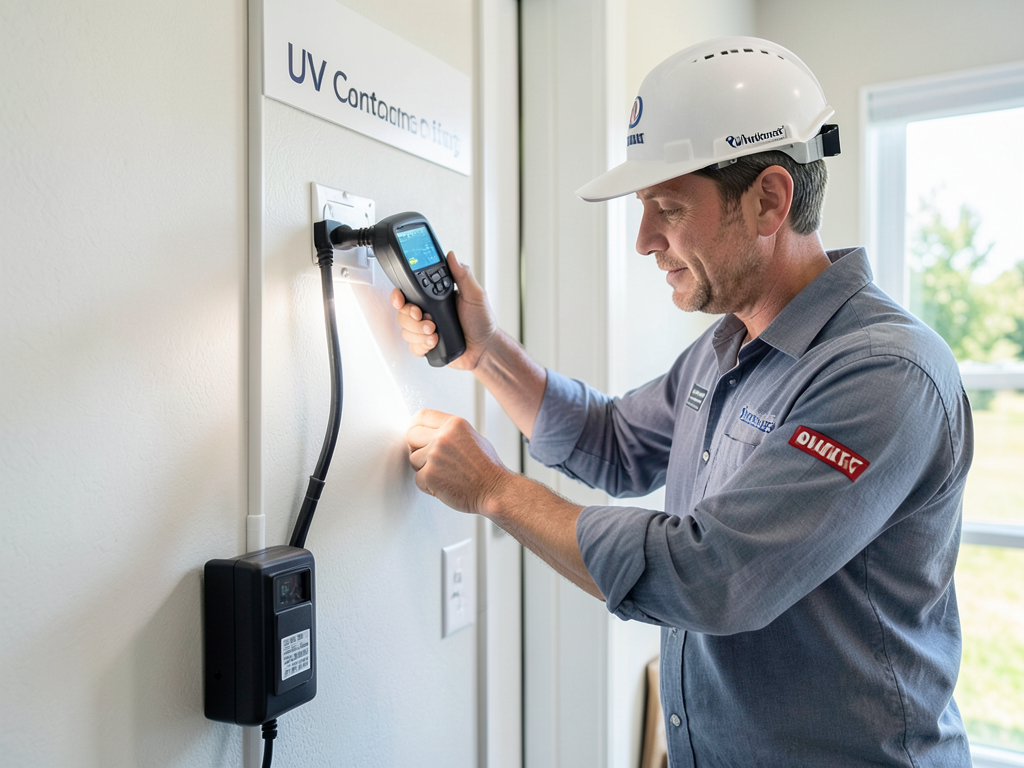
Step 4: Safety testing verifies that UV light cannot escape the enclosed area where it’s installed. The bulbs emit harmful UV-C radiation that can damage eyes and skin, so proper shielding is critical. Technicians use UV meters to confirm containment.
Step 5: System calibration adjusts the light intensity and exposure time for your specific setup. This may include installing a ballast to control power delivery or adding a timer for optimal cycling.
Cost vs. ROI: How UV Lights Pay for Themselves
The investment in UV lights for Quincy homes typically ranges from $400 to $800 for professional installation, depending on system configuration and light type. This cost includes the equipment, labor, and initial bulb. While this represents a significant upfront expense, the return on investment manifests through several mechanisms.
Energy savings provide the most immediate return. A clean evaporator coil improves system efficiency by 15-25%, reducing electricity consumption during Quincy’s hot summers. For a typical home using 1,500 kWh per month for cooling, this translates to $15-30 monthly savings during peak season.
Reduced maintenance costs accumulate over time. UV lights prevent the need for chemical coil cleaning, which typically costs $150-300 per service. They also reduce wear on system components, potentially extending the life of expensive parts like compressors and fan motors.
Health benefits, while harder to quantify, represent significant value for families with allergies or respiratory issues. UV lights can reduce airborne bacteria and mold spores by 90% or more, decreasing the need for medications and doctor visits during allergy season. Benefits of Inverter Technology.
The bulb replacement schedule affects long-term costs. Most UV-C bulbs last 9-12 months before losing effectiveness. Annual replacement costs $50-100, but this remains far less expensive than the problems the system prevents.
Choosing Between Coil-Sanitizing and Air-Sanitizing UV Systems
Quincy homeowners must decide between two primary UV light configurations based on their specific needs and system setup. Each type addresses different problems and offers distinct advantages.
Coil-sanitizing systems mount directly next to the evaporator coil. These units prevent mold and bacteria from growing on the coil surfaces where condensation creates ideal growth conditions. They work continuously to keep the coil clean, maintaining system efficiency and preventing odors. These systems work best in Quincy homes with accessible coils and high humidity problems.
Air-sanitizing systems install in the ductwork and treat air as it passes through. These units have higher power ratings and treat a larger volume of air. They address airborne pathogens throughout the entire home rather than just at the coil. These systems suit Quincy homes with duct contamination issues or families with severe allergies.
The decision factors include your specific problems, system accessibility, and budget. Coil-sanitizing units cost less and install more easily in most systems. Air-sanitizing systems provide broader coverage but require more complex installation and higher power consumption.
Many Quincy homes benefit from both types working together. The coil unit prevents growth at the source while the air unit treats any pathogens that bypass the first stage. This combination provides maximum protection for sensitive individuals or homes with severe air quality issues. What to Do When Your Back Bay AC Unit Stops Working in July.
Maintenance Requirements and Safety Considerations
UV lights require specific maintenance to maintain effectiveness and ensure safety. The bulbs lose intensity over time, even if they still produce visible light. Annual replacement during your system’s off-season ensures optimal performance when you need it most.
Cleaning the bulb surface every six months removes dust and debris that block UV transmission. A soft cloth with isopropyl alcohol works best for this task. Never touch the bulb with bare hands, as skin oils can create hot spots that reduce bulb life.
Safety considerations are critical with UV-C technology. The light can cause severe eye damage and skin burns in seconds of exposure. Professional installation includes proper shielding to prevent accidental exposure. Never attempt to inspect or clean the bulb without first disconnecting power and allowing it to cool.
Monitoring system performance helps verify the UV lights work correctly. Reduced odors, improved airflow, and lower energy bills indicate proper operation. Some systems include indicator lights or alarms that signal when bulbs need replacement.
Environmental factors in Quincy affect maintenance schedules. Homes near the coast may need more frequent cleaning due to salt air deposits. Older homes with original ductwork might benefit from quarterly inspections to ensure optimal performance.
Frequently Asked Questions
Are UV lights safe for my family and pets?
Yes, when properly installed. The UV-C light is completely contained within your HVAC system and cannot escape into living spaces. The radiation poses no risk to people or animals in your home. The system only activates when your HVAC runs, providing additional safety.
How long do UV light bulbs last?
Most UV-C bulbs maintain effective germicidal properties for 9-12 months. After this period, they continue producing visible light but lose the specific wavelength needed to kill microorganisms. Annual replacement ensures consistent performance. Some systems include UV intensity meters that alert you when replacement is needed.
Will UV lights increase my electricity bill?
The power consumption is minimal, typically 15-30 watts, similar to a small light bulb. This costs approximately $10-20 per year in electricity. The energy savings from improved system efficiency usually offset this cost within the first year of operation.
Can I install UV lights myself?
Professional installation is strongly recommended. UV lights require proper electrical connections, secure mounting, and most importantly, safety shielding to prevent harmful UV exposure. Improper installation can damage your HVAC system, void warranties, or create safety hazards. Licensed technicians ensure code compliance and optimal performance.
Do UV lights work against COVID-19 and other viruses?
Yes, UV-C light effectively neutralizes many viruses, including various coronaviruses. The technology damages viral RNA, preventing reproduction. However, effectiveness depends on exposure time and intensity. Air-sanitizing systems provide the best virus protection by treating all circulating air. UV lights should be part of a comprehensive indoor air quality strategy.
Take Control of Your Home’s Air Quality Today
Quincy’s coastal climate creates unique challenges for indoor air quality that UV lights are specifically designed to address. The combination of high humidity, salt air, and many older homes creates perfect conditions for mold and bacteria growth in HVAC systems. These microorganisms not only affect your health but also reduce system efficiency and increase energy costs.
Professional UV light installation provides immediate benefits including cleaner air, reduced odors, and lower utility bills. The technology works continuously to prevent the biological growth that plagues many Quincy homes, especially those near the coast or in historic districts where ductwork replacement is difficult.
Don’t wait for mold problems to develop or allergies to worsen. UV lights offer a proven solution that protects your family’s health while extending your HVAC system’s life. The investment pays for itself through energy savings, reduced maintenance, and improved comfort.
Call (617) 758-1599 today to schedule your UV light consultation. Our NATE-certified technicians will evaluate your system and recommend the best solution for your Quincy home’s specific needs. Take the first step toward cleaner air and a more efficient HVAC system before the next humid season arrives. For more information, visit EPA Indoor Air Quality Guidelines. For more information, visit ASHRAE HVAC Standards.
{
“@context”: “https://schema.org”,
“@type”: “BlogPosting”,
“headline”: “Does Your HVAC System Need UV Lights to Kill Bacteria and Mold in Quincy?”,
“description”: “UV lights in Quincy HVAC systems fight mold, bacteria, and allergens in Boston’s humid climate. Learn how germicidal irradiation improves air quality and system efficiency.”,
“wordCount”: 2096,
“datePublished”: “2026-04-17T07:03:00.000Z”,
“dateModified”: “2026-04-17T07:03:00.000Z”,
“inLanguage”: “en-US”,
“mainEntityOfPage”: {
“@type”: “WebPage”,
“@id”: “https://titanhvacboston.com”
},
“publisher”: {
“@type”: “LocalBusiness”,
“name”: “Titan HVAC Boston”,
“url”: “https://titanhvacboston.com”
},
“author”: {
“@type”: “Organization”,
“name”: “Titan HVAC Boston”,
“url”: “https://titanhvacboston.com”
},
“image”: {
“@type”: “ImageObject”,
“url”: “https://titanhvacboston.com/wp-content/uploads/2026/03/does-your-hvac-system-need-uv-lights-to-kill-bacte-1.png”
}
}
{
“@context”: “https://schema.org”,
“@type”: “HVACBusiness”,
“name”: “Titan HVAC Boston”,
“url”: “https://titanhvacboston.com”,
“address”: {
“@type”: “PostalAddress”,
“addressLocality”: “Boston”
},
“areaServed”: {
“@type”: “City”,
“name”: “Boston”
}
}
{
“@context”: “https://schema.org”,
“@type”: “FAQPage”,
“mainEntity”: [
{
“@type”: “Question”,
“name”: “Are UV lights safe for my family and pets?”,
“acceptedAnswer”: {
“@type”: “Answer”,
“text”: “Yes, when properly installed. The UV-C light is completely contained within your HVAC system and cannot escape into living spaces. The radiation poses no risk to people or animals in your home. The system only activates when your HVAC runs, providing additional safety.”
}
},
{
“@type”: “Question”,
“name”: “How long do UV light bulbs last?”,
“acceptedAnswer”: {
“@type”: “Answer”,
“text”: “Most UV-C bulbs maintain effective germicidal properties for 9-12 months. After this period, they continue producing visible light but lose the specific wavelength needed to kill microorganisms. Annual replacement ensures consistent performance. Some systems include UV intensity meters that alert you when replacement is needed.”
}
},
{
“@type”: “Question”,
“name”: “Will UV lights increase my electricity bill?”,
“acceptedAnswer”: {
“@type”: “Answer”,
“text”: “The power consumption is minimal, typically 15-30 watts, similar to a small light bulb. This costs approximately $10-20 per year in electricity. The energy savings from improved system efficiency usually offset this cost within the first year of operation.”
}
},
{
“@type”: “Question”,
“name”: “Can I install UV lights myself?”,
“acceptedAnswer”: {
“@type”: “Answer”,
“text”: “Professional installation is strongly recommended. UV lights require proper electrical connections, secure mounting, and most importantly, safety shielding to prevent harmful UV exposure. Improper installation can damage your HVAC system, void warranties, or create safety hazards. Licensed technicians ensure code compliance and optimal performance.”
}
},
{
“@type”: “Question”,
“name”: “Do UV lights work against COVID-19 and other viruses?”,
“acceptedAnswer”: {
“@type”: “Answer”,
“text”: “Yes, UV-C light effectively neutralizes many viruses, including various coronaviruses. The technology damages viral RNA, preventing reproduction. However, effectiveness depends on exposure time and intensity. Air-sanitizing systems provide the best virus protection by treating all circulating air. UV lights should be part of a comprehensive indoor air quality strategy.”
}
}
]
}
{
“@context”: “https://schema.org”,
“@type”: “BreadcrumbList”,
“itemListElement”: [
{
“@type”: “ListItem”,
“position”: 1,
“name”: “Home”,
“item”: “https://titanhvacboston.com”
},
{
“@type”: “ListItem”,
“position”: 2,
“name”: “Blog”,
“item”: “https://titanhvacboston.com/blog”
},
{
“@type”: “ListItem”,
“position”: 3,
“name”: “Does Your HVAC System Need UV Lights to Kill Bacteria and Mold in Quincy?”
}
]
}
{
“@context”: “https://schema.org”,
“@type”: “Service”,
“serviceType”: “HVAC”,
“provider”: {
“@type”: “LocalBusiness”,
“name”: “Titan HVAC Boston”,
“url”: “https://titanhvacboston.com”
},
“areaServed”: {
“@type”: “City”,
“name”: “Boston”
},
“description”: “UV lights in Quincy HVAC systems fight mold, bacteria, and allergens in Boston’s humid climate. Learn how germicidal irradiation improves air quality and system efficiency.”
}