
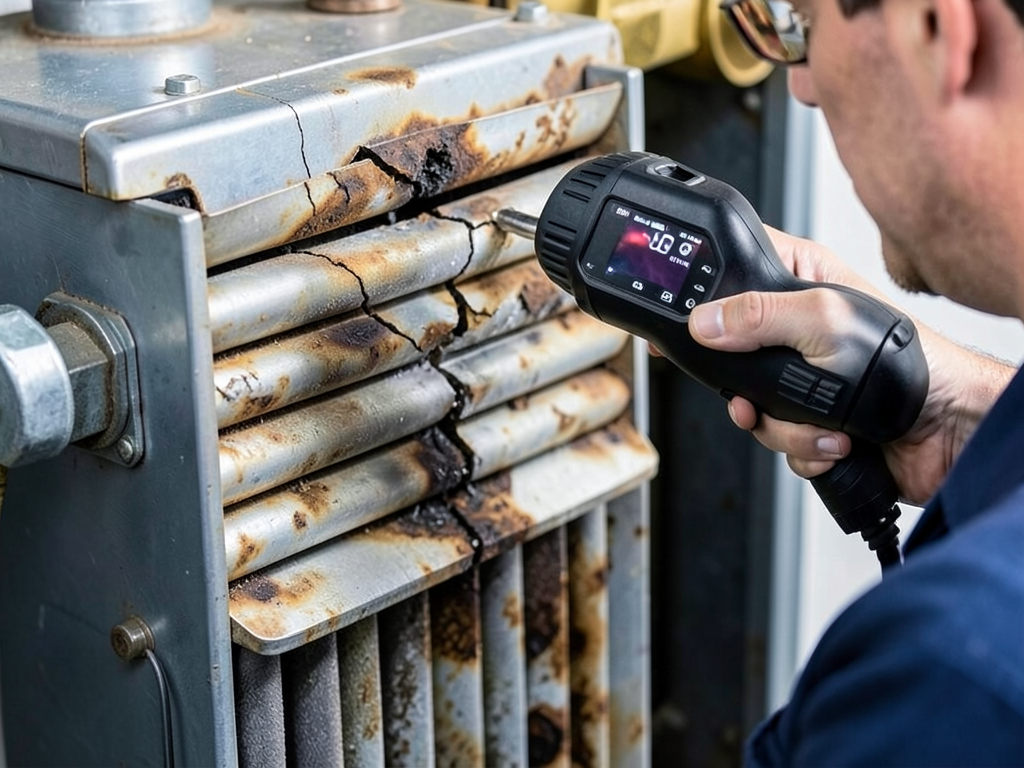
Is Your Old Furnace Still Safe? (How to Check for a Cracked Heat Exchanger in Your Newton Home)
Your furnace works hard all winter keeping your Newton home warm but what happens when that hardworking heart develops a dangerous crack? A damaged heat exchanger can silently leak carbon monoxide into your living space putting your family at risk. Before you dismiss those strange furnace noises or odd smells this guide will help you understand the warning signs and know exactly when to call a professional. How to Get Fast Emergency Furnace Repair in Dorchester This Winter.
The heat exchanger is the metal chamber where combustion gases heat the air before it circulates through your home. When this component cracks toxic gases like carbon monoxide can escape into your indoor air. These cracks often start small but grow worse over time especially in older Newton homes where furnaces have endured decades of harsh Massachusetts winters. Massachusetts carbon monoxide detector requirements.
6 Warning Signs Your Heat Exchanger Might Be Cracked
Recognizing these symptoms early can prevent a dangerous situation from becoming an emergency. Here are the most common warning signs to watch for in your Newton home.
1. Unusual Flame Behavior
A healthy furnace flame should burn steady and blue. If you notice the flame flickering dancing or turning yellow this indicates incomplete combustion. The flame may also appear to lift away from the burner ports or move erratically when the blower fan turns on. This happens because air is being drawn through cracks in the heat exchanger disrupting the normal flame pattern.
2. Strange Noises During Operation
Cracked heat exchangers often create distinctive sounds as the metal expands and contracts with temperature changes. Listen for popping rattling or banging noises especially when the furnace first starts up or shuts down. These sounds occur because the cracks widen slightly with heat causing metal panels to shift against each other.
3. Soot or Carbon Buildup
Examine the area around your furnace for black soot or dark carbon deposits. These appear when combustion becomes incomplete due to air leaks from cracks. You might notice soot on the furnace exterior around vent connections or on nearby walls and ceilings. This buildup indicates your system is not burning fuel efficiently and could be releasing harmful gases.. Read more about Why a Hybrid Heating System Might Be the Best Choice for Your Winchester Colonial.
4. Water Around the Furnace Base
Cracks in the heat exchanger can cause condensation issues. If you notice water pooling around the base of your furnace this could indicate a crack allowing moisture to escape from the combustion chamber. While other issues can cause leaks any water near your furnace warrants immediate professional inspection.
5. Carbon Monoxide Detector Alerts
Your carbon monoxide detectors serve as your first line of defense. If any detector in your Newton home goes off evacuate immediately and call emergency services. Even if the alarm stops do not ignore it. Multiple detectors triggering simultaneously strongly suggests your furnace is the source of carbon monoxide. What to Do When Your Back Bay AC Unit Stops Working in July.
6. Unusual Odors
A cracked heat exchanger may produce strange smells. You might notice a formaldehyde-like odor or a sharp chemical smell that wasnt present before. These odors result from combustion gases mixing with household air. Never ignore unusual smells coming from your heating system.. Read more about Is Geothermal Heating and Cooling a Practical Option for Your Weston Estate?.
The Hidden Danger: Carbon Monoxide in Your Newton Home
Carbon monoxide is called the silent killer for good reason. This odorless colorless gas can cause serious health problems before you even realize there is a problem. In Newton older homes with aging heating systems face particular risks especially those built before modern safety standards were in place.
According to the Consumer Product Safety Commission carbon monoxide poisoning sends over 20000 Americans to emergency rooms each year. Symptoms often mimic the flu including headaches dizziness nausea and confusion. The danger increases during Massachusetts winters when homes are sealed tight against the cold trapping any leaked gases inside. Consumer Product Safety Commission carbon monoxide information.
Massachusetts law requires carbon monoxide detectors on every habitable level of residential buildings. In Newton this means you should have detectors installed near bedrooms and living areas. Test these devices monthly and replace batteries twice yearly. If your detectors are more than five to seven years old replace the entire unit as sensors degrade over time.
Why Newton Homes Face Higher Risk
Newton features many homes built in the early to mid twentieth century when heating technology was less advanced. These older systems often have heat exchangers nearing or past their expected lifespan of fifteen to twenty years. The freeze-thaw cycles common in New England accelerate metal fatigue causing microscopic cracks to form and grow.
Many Newton homes also have converted oil furnaces now running on natural gas. These conversions can create additional stress on heat exchangers if not properly modified for the different combustion characteristics of natural gas versus oil. The historic architecture common in neighborhoods like Newton Centre and Newton Highlands often means tighter spaces making proper furnace maintenance more challenging. Upgrading Historic Back Bay Homes with Central Air (Without Ruining the Interior Walls).
The clay soil prevalent in parts of Newton can also affect foundation stability causing slight shifts that stress furnace connections over time. Homes near the Charles River may experience higher humidity levels accelerating corrosion of metal components including heat exchangers.
Professional Diagnosis Methods
While you can spot warning signs at home definitive diagnosis requires professional equipment and expertise. Certified HVAC technicians use several methods to detect heat exchanger cracks.
Visual inspection with specialized cameras allows technicians to examine the interior of the heat exchanger for cracks corrosion or holes. These high resolution cameras can spot hairline fractures invisible to the naked eye.
Combustion analysis measures the efficiency and safety of your furnace operation. Technicians use electronic analyzers to check for elevated carbon monoxide levels in the flue gases which indicate potential cracks or other combustion problems.
UV dye testing involves injecting a fluorescent dye into the heat exchanger then using ultraviolet light to reveal any leaks. This method can detect even microscopic cracks that other tests might miss.
Pressure testing isolates the heat exchanger and applies controlled pressure to identify leaks. This method provides quantitative data about the severity of any cracks found.
What to Do If You Suspect a Problem
If you notice any warning signs or your carbon monoxide detector sounds immediate action is crucial. Follow these steps to protect your family.
- Evacuate immediately if carbon monoxide levels are high or anyone shows symptoms of poisoning. Call 911 from outside your home.
- Turn off your furnace at the thermostat and the emergency power switch near the unit. Do not attempt to inspect the furnace yourself.
- Ventilate your home by opening windows and doors if it is safe to do so. This helps disperse any accumulated gases.
- Call a licensed HVAC professional who can perform proper testing and diagnosis. Do not operate your furnace until it has been inspected.
In Newton winters going without heat can be dangerous especially for elderly residents or those with health conditions. Professional HVAC companies offer emergency services and can often provide temporary heating solutions while repairs are completed.
Repair vs. Replacement: Making the Right Choice
Once a crack is confirmed you will need to decide between repair and replacement. Several factors influence this decision.
Heat exchanger replacement is expensive often costing between $800 and $2500 depending on the furnace model and labor requirements. For older units the cost may approach that of a new furnace installation. Additionally many manufacturers do not warranty heat exchangers beyond ten to fifteen years. The Most Reliable Heat Pump Installation Teams in Cambridge.
Age matters significantly. If your furnace is over fifteen years old replacement often makes more financial sense. New high efficiency furnaces can reduce heating costs by twenty to thirty percent providing long term savings that offset the initial investment.
Modern furnaces include advanced safety features like blocked vent shutoff switches and improved heat exchanger designs that resist cracking. These features provide peace of mind beyond just fixing the immediate problem.
Consider your home’s future plans. If you plan to stay in your Newton home for many years investing in a new efficient system pays dividends. If you plan to move soon repair might be the more economical choice.
Prevention and Maintenance Strategies
Regular maintenance significantly extends heat exchanger life and prevents dangerous failures. Professional tune ups should occur annually before heating season begins.. Read more about How Smart Vents Can Fix Hot and Cold Spots in Large Multi-Story Newton Homes.
During maintenance technicians clean burners adjust gas pressure and inspect the heat exchanger for early signs of wear. They also check safety controls and test carbon monoxide levels ensuring your system operates safely.
Airflow problems stress heat exchangers causing them to overheat and crack prematurely. Change your furnace filter every one to three months depending on your home and filter type. Restricted airflow forces the system to work harder increasing stress on all components.
Keep vents and returns clear of furniture and debris. Blocked vents create pressure imbalances that can damage your furnace over time. Ensure your home has adequate return air pathways for proper circulation.
Consider installing a whole house humidifier if your home experiences very dry air. Proper humidity levels between thirty and fifty percent reduce static electricity and help maintain comfortable temperatures allowing you to lower your thermostat setting.
Local Building Codes and Safety Standards
Massachusetts follows strict building codes for heating equipment installation and maintenance. The Massachusetts State Building Code Chapter 142 requires all fuel burning appliances to be installed according to manufacturer specifications and local amendments.
The Commonwealth mandates carbon monoxide detectors in all residential buildings with fossil fuel burning equipment. Detectors must be installed on every habitable level and within ten feet of bedrooms. Failure to comply can result in fines and more importantly puts your family at risk.
Newton adheres to these state requirements while adding local inspection protocols. The city requires permits for furnace replacements and major repairs ensuring work meets current safety standards. Licensed HVAC contractors must pull permits and schedule inspections protecting homeowners from substandard work.
The International Fuel Gas Code which Massachusetts adopts requires proper venting materials and clearances for all combustion equipment. This includes specific requirements for vent pipe materials support spacing and termination locations to prevent dangerous backdrafting.
Cost Factors for Newton Homeowners
Repair and replacement costs vary based on several factors specific to Newton homes. The age and accessibility of your furnace significantly impact labor costs. Older units in tight basement spaces require more time to service increasing overall expenses.
Historic districts like Newton Corner and Newton Highlands may have additional requirements for exterior modifications. While furnace replacements typically occur inside these regulations can affect venting and exhaust configurations.
Mass Save the state energy efficiency program offers rebates for high efficiency furnace installations. These rebates can reduce replacement costs by several hundred dollars making upgrades more affordable for Newton residents.
Emergency service calls during winter storms or holidays often include premium charges. Planning maintenance during off peak times can save money while ensuring your system is ready for winter.
Consider the long term energy savings when evaluating replacement costs. A new high efficiency furnace might cost $4000 to $7000 installed but could save $300 to $500 annually on heating bills depending on your home size and usage patterns.
Frequently Asked Questions
How long does a typical heat exchanger last?
Most heat exchangers last between fifteen and twenty years under normal conditions. Harsh New England winters and poor maintenance can reduce this lifespan significantly. Regular professional maintenance helps maximize longevity.
Can a cracked heat exchanger be repaired?
While welding can sometimes repair small cracks most HVAC professionals recommend replacement. Repairs often fail again and may void any remaining warranty. The cost of repair frequently approaches replacement cost making new installation the better long term solution.. Read more about Why Your Saugus Home Needs Better Attic Insulation Before You Replace the Furnace.
How much does heat exchanger replacement cost in Newton?
Replacement costs range from $800 to $2500 depending on the furnace model and labor requirements. For older units replacement often makes more sense than repair. New high efficiency furnaces cost $4000 to $7000 installed but include full system warranties.
What causes heat exchangers to crack?
Several factors contribute to cracking including metal fatigue from repeated heating and cooling cycles corrosion from condensation or chemical exposure and stress from airflow restrictions. Poor maintenance overheating and manufacturing defects also play roles.
How can I prevent heat exchanger problems?
Annual professional maintenance changing filters regularly and ensuring proper airflow prevent most heat exchanger issues. Install carbon monoxide detectors test them monthly and address any warning signs immediately. Consider replacing units over fifteen years old before problems develop.
Take Action Today
Your family’s safety depends on a properly functioning heating system. If you notice any warning signs or your furnace is over fifteen years old do not wait for a complete failure. Strange noises unusual odors or carbon monoxide detector alerts require immediate professional attention.
Newton homeowners trust local HVAC professionals who understand the unique challenges of New England heating systems. Professional inspection can identify problems early saving money and preventing dangerous situations. Many companies offer free estimates and emergency services for urgent situations.
Call (617) 758-1599 today to schedule your furnace inspection before the next cold snap hits. Do not risk your family’s safety with an aging heating system. Professional technicians can evaluate your current unit recommend appropriate repairs or replacements and ensure your home stays warm and safe all winter long.
Pick up the phone and call (617) 758-1599 before the next storm hits. Your peace of mind is worth the call. Do not wait until your furnace fails on the coldest night of the year. Schedule your inspection now and sleep better knowing your heating system is safe and reliable.
{
“@context”: “https://schema.org”,
“@type”: “BlogPosting”,
“headline”: “Is Your Old Furnace Still Safe? (How to Check for a Cracked Heat Exchanger in Your Newton Home)”,
“description”: “Worried about carbon monoxide from your aging furnace? Learn the 6 warning signs of a cracked heat exchanger and when to call a Newton HVAC expert for emergency inspection.”,
“wordCount”: 2285,
“datePublished”: “2026-05-31T10:50:00.000Z”,
“dateModified”: “2026-05-31T10:50:00.000Z”,
“inLanguage”: “en-US”,
“mainEntityOfPage”: {
“@type”: “WebPage”,
“@id”: “https://titanhvacboston.com”
},
“publisher”: {
“@type”: “LocalBusiness”,
“name”: “Titan HVAC Boston”,
“url”: “https://titanhvacboston.com”
},
“author”: {
“@type”: “Organization”,
“name”: “Titan HVAC Boston”,
“url”: “https://titanhvacboston.com”
},
“image”: {
“@type”: “ImageObject”,
“url”: “https://titanhvacboston.com/wp-content/uploads/2026/03/is-your-old-furnace-still-safe-how-to-check-for-a-1.png”
}
}
{
“@context”: “https://schema.org”,
“@type”: “HVACBusiness”,
“name”: “Titan HVAC Boston”,
“url”: “https://titanhvacboston.com”,
“address”: {
“@type”: “PostalAddress”,
“addressLocality”: “Boston”
},
“areaServed”: {
“@type”: “City”,
“name”: “Boston”
}
}
{
“@context”: “https://schema.org”,
“@type”: “FAQPage”,
“mainEntity”: [
{
“@type”: “Question”,
“name”: “How long does a typical heat exchanger last?”,
“acceptedAnswer”: {
“@type”: “Answer”,
“text”: “Most heat exchangers last between fifteen and twenty years under normal conditions. Harsh New England winters and poor maintenance can reduce this lifespan significantly. Regular professional maintenance helps maximize longevity.”
}
},
{
“@type”: “Question”,
“name”: “Can a cracked heat exchanger be repaired?”,
“acceptedAnswer”: {
“@type”: “Answer”,
“text”: “While welding can sometimes repair small cracks most HVAC professionals recommend replacement. Repairs often fail again and may void any remaining warranty. The cost of repair frequently approaches replacement cost making new installation the better long term solution.”
}
},
{
“@type”: “Question”,
“name”: “How much does heat exchanger replacement cost in Newton?”,
“acceptedAnswer”: {
“@type”: “Answer”,
“text”: “Replacement costs range from $800 to $2500 depending on the furnace model and labor requirements. For older units replacement often makes more sense than repair. New high efficiency furnaces cost $4000 to $7000 installed but include full system warranties.”
}
},
{
“@type”: “Question”,
“name”: “What causes heat exchangers to crack?”,
“acceptedAnswer”: {
“@type”: “Answer”,
“text”: “Several factors contribute to cracking including metal fatigue from repeated heating and cooling cycles corrosion from condensation or chemical exposure and stress from airflow restrictions. Poor maintenance overheating and manufacturing defects also play roles.”
}
},
{
“@type”: “Question”,
“name”: “How can I prevent heat exchanger problems?”,
“acceptedAnswer”: {
“@type”: “Answer”,
“text”: “Annual professional maintenance changing filters regularly and ensuring proper airflow prevent most heat exchanger issues. Install carbon monoxide detectors test them monthly and address any warning signs immediately. Consider replacing units over fifteen years old before problems develop.”
}
}
]
}
{
“@context”: “https://schema.org”,
“@type”: “BreadcrumbList”,
“itemListElement”: [
{
“@type”: “ListItem”,
“position”: 1,
“name”: “Home”,
“item”: “https://titanhvacboston.com”
},
{
“@type”: “ListItem”,
“position”: 2,
“name”: “Blog”,
“item”: “https://titanhvacboston.com/blog”
},
{
“@type”: “ListItem”,
“position”: 3,
“name”: “Is Your Old Furnace Still Safe? (How to Check for a Cracked Heat Exchanger in Your Newton Home)”
}
]
}
{
“@context”: “https://schema.org”,
“@type”: “Service”,
“serviceType”: “HVAC”,
“provider”: {
“@type”: “LocalBusiness”,
“name”: “Titan HVAC Boston”,
“url”: “https://titanhvacboston.com”
},
“areaServed”: {
“@type”: “City”,
“name”: “Boston”
},
“description”: “Worried about carbon monoxide from your aging furnace? Learn the 6 warning signs of a cracked heat exchanger and when to call a Newton HVAC expert for emergency inspection.”
}