
Preparing Your Milton HVAC System for a Long Summer Without Breaking the Bank
Spring in Milton means warmer days are coming and your air conditioning system needs attention before the first heatwave hits. A well-maintained HVAC system runs more efficiently, prevents costly breakdowns, and keeps your home comfortable when temperatures climb into the 80s and 90s. This guide walks you through the essential steps to get your system ready for summer while saving money on energy bills.
Why Spring Maintenance Matters in Milton
Milton’s location near Boston means your HVAC system faces unique challenges. The humid coastal air from Quincy Bay can cause condensation issues, while spring pollen counts often reach their peak in May. These factors combine to create the perfect conditions for system strain if you don’t prepare properly. EPA Section 608 certification.
According to recent data from the Massachusetts Department of Energy Resources, homes in Norfolk County that perform seasonal HVAC maintenance see an average of 15% reduction in cooling costs compared to those that skip it. That translates to real savings when you’re running your AC through July and August. Mass Save energy assessments.
5 DIY Steps to Prepare Your AC System
Before calling a professional, there are several tasks you can handle yourself to improve system performance and catch potential problems early.
- Replace Your Air Filter
Start with a clean filter rated MERV 8-11 for Milton homes. The spring pollen season means your filter works harder than usual. A clogged filter forces your system to run longer, increasing energy use by up to 15%.
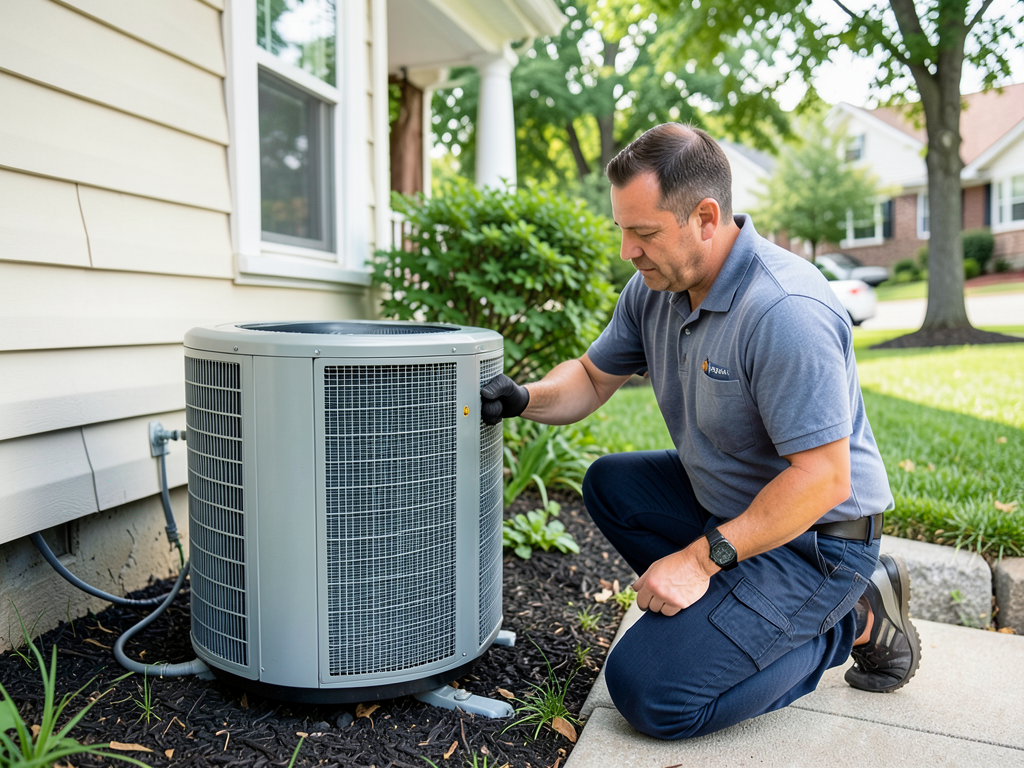
- Clear Debris Around the Condenser
Remove leaves, twigs, and grass clippings from around your outdoor unit. Milton’s many oak and maple trees drop debris that can block airflow. Keep at least two feet of clearance on all sides of the condenser.
- Check Refrigerant Lines
Inspect the insulation on refrigerant lines for cracks or missing sections. Damaged insulation causes the system to work harder and can lead to ice buildup on the evaporator coil during peak summer heat.
- Clean Vents and Registers
Dust and pet hair accumulate in vents over winter. Remove vent covers and vacuum inside the ducts near the openings. This improves airflow and reduces strain on your blower motor.
- Test Your Thermostat
Set your thermostat to cooling mode and verify it responds correctly. Many Milton homes have older mercury thermostats that need calibration. Consider upgrading to a programmable model for better energy management. Upgrading Historic Back Bay Homes with Central Air (Without Ruining the Interior Walls).
Professional AC Tune-Up: What the Experts Check
While DIY maintenance helps, certain tasks require professional tools and expertise. A comprehensive tune-up by a licensed HVAC technician addresses issues that aren’t visible to the untrained eye.
During a professional service visit, technicians use specialized gauges to measure refrigerant pressure and check for leaks. They also test electrical components, measure amperage draw on motors, and inspect the heat exchanger for cracks. These checks prevent the 2 AM emergency calls that spike during July heat waves. How to Get Fast Emergency Furnace Repair in Dorchester This Winter.
The EPA mandates that all refrigerant handling be performed by certified technicians under Section 608 of the Clean Air Act. This protects both the environment and your system’s warranty, which often requires professional maintenance to remain valid.
Boston-Area Considerations for Your HVAC System
Milton’s proximity to Boston means your system faces specific regional challenges. The area’s high humidity levels, often exceeding 70% in July, put extra stress on air conditioners. This moisture can cause condensate drain lines to clog more frequently than in drier climates.
Older homes in Milton, many built before 1950, often have undersized ductwork that struggles with modern cooling loads. If your home has original ductwork, consider having it inspected for leaks. The Massachusetts Stretch Energy Code requires new HVAC installations to meet specific efficiency standards, which can affect repair decisions. The Most Reliable Heat Pump Installation Teams in Cambridge.
Salt air from Quincy Bay can corrode outdoor condenser coils over time. If you live within a mile of the coast, your system may need more frequent coil cleaning to maintain efficiency. The corrosive effects are particularly noticeable on aluminum fins, which can deteriorate in as little as five years in coastal environments.. Read more about What the New SEER2 Efficiency Standards Mean for Your Next Boston AC Upgrade.
Energy Savings and Available Rebates
Massachusetts offers several programs to help homeowners reduce cooling costs. The Mass Save program provides free home energy assessments that can identify HVAC inefficiencies. Many Milton residents qualify for rebates when upgrading to high-efficiency systems.. Read more about Choosing the Best High-Efficiency AC for a Flat Roof Townhome in South Boston.
Current incentives include up to $300 for installing a programmable thermostat and rebates ranging from $150 to $1,600 for high-efficiency air conditioners depending on the SEER rating. These programs are funded through a small charge on your utility bill, so you’re already paying for them whether you use them or not.
The federal ENERGY STAR program estimates that replacing a 10-year-old air conditioner with a new ENERGY STAR certified model can save you up to 20% on cooling costs. In Milton, where summer temperatures are rising, this upgrade often pays for itself within five years through energy savings alone.
Common Summer HVAC Problems and Prevention
Understanding what typically goes wrong helps you prevent issues before they start. The most common summer failures include frozen evaporator coils, capacitor failures, and condensate drain clogs.
Frozen coils often result from dirty filters or low refrigerant levels. When you notice reduced airflow or warm air from vents, check your filter first. If the problem persists, it’s time to call a professional. Continuing to run a system with frozen coils can destroy the compressor, a repair that often costs more than a new system.
Capacitors fail more frequently in summer due to heat stress. These components provide the electrical jolt needed to start motors. A failing capacitor often causes a humming noise without the fan starting. This is a relatively inexpensive repair if caught early, but waiting can damage other components.
Condensate drain clogs cause water damage and system shutdowns. The drain line should be checked and cleaned annually, especially in Milton where high humidity accelerates algae growth inside the pipes.
Seasonal Timeline for Milton Homeowners
Timing your maintenance correctly maximizes effectiveness. Late April through early May is ideal for most Milton homes. This window allows you to address winter damage before summer heat arrives.
Start with DIY tasks in early April. By mid-April, schedule professional maintenance if you haven’t already. Most HVAC companies experience their highest demand in May, so booking early ensures you get a convenient appointment time.
Test your system in late May by running it for a full day. This allows you to identify any issues before you actually need cooling. If you hear unusual noises or notice reduced performance, address them immediately rather than waiting for a breakdown.
Cost-Benefit Analysis of Professional Maintenance
Professional maintenance typically costs between $150 and $300 in the Milton area. When you consider that emergency repairs during summer can cost $200 to $500 more than scheduled service, the investment makes financial sense.
Beyond direct cost savings, regular maintenance extends equipment life. A well-maintained system lasts 15-20 years, while neglected units often fail after 10-12 years. This means you could delay a $5,000 to $10,000 replacement by several years through proper care.
Energy savings provide another return on investment. A system operating at peak efficiency uses 10-30% less electricity than a neglected one. In Milton, where electricity rates average 22 cents per kilowatt-hour, these savings add up quickly during the cooling season.
When to Replace vs. Repair
Sometimes maintenance reveals that replacement makes more sense than repair. If your system is over 12 years old, requires frequent repairs, or uses R-22 refrigerant (phased out in 2020), replacement may be the better long-term choice.
Modern systems offer features that weren’t available a decade ago. Variable-speed compressors adjust output to match demand, reducing energy use and improving comfort. Smart thermostats learn your schedule and optimize cooling automatically.
The decision becomes clearer when you consider that repairing a major component on an old system often costs 40-60% of a new unit’s price. New systems also come with warranties, while repaired components typically carry only 90-day guarantees.
Indoor Air Quality Considerations
Summer maintenance isn’t just about cooling efficiency. Your HVAC system also affects indoor air quality, which becomes crucial when windows stay closed for months.
UV light systems installed in ductwork kill mold and bacteria that thrive in humid conditions. HEPA filters remove pollen and other allergens that peak in Milton during late spring and early summer. These additions cost $200 to $800 but can significantly improve comfort for allergy sufferers.
Humidity control is another important factor. While your AC removes some moisture, extremely humid days may require a whole-house dehumidifier. This prevents mold growth and makes your home feel cooler at higher temperatures, reducing AC runtime.
Emergency Preparation Tips
Even with perfect maintenance, systems can fail during extreme heat. Prepare for this possibility by knowing basic troubleshooting steps and having emergency contacts ready.
Check your circuit breaker first if the system won’t start. Many summer failures are simply tripped breakers caused by power surges. Also verify that your thermostat batteries are fresh and that the display is working. What to Do When Your Back Bay AC Unit Stops Working in July.
Keep your system’s model and serial numbers handy for service calls. This information helps technicians bring the right parts and provides accurate warranty information. Most manufacturers require proof of annual maintenance to honor warranty claims. Finding the Right Ductless Mini Split for a Beacon Hill Brownstone.
Consider a backup cooling plan for vulnerable household members. Window units or portable ACs can provide emergency cooling for a few rooms if your main system fails during a heatwave.
Environmental Impact of Your HVAC Choices
Your cooling decisions affect more than just your utility bill. Older systems using R-22 refrigerant have a global warming potential 1,810 times that of carbon dioxide. Newer systems use R-410A or R-32, which are significantly less harmful to the atmosphere.
High-efficiency systems also reduce your carbon footprint by using less electricity. In Massachusetts, where about 30% of electricity still comes from fossil fuels, every kilowatt-hour saved translates to reduced emissions.
Proper disposal of old equipment matters too. The EPA requires that refrigerants be recovered and recycled rather than released into the atmosphere. Choose a contractor who follows these regulations to ensure your old system doesn’t harm the environment.
Smart Technology Integration
Modern HVAC systems offer smart features that improve efficiency and convenience. Smart thermostats learn your schedule and adjust temperatures automatically, often saving 10-15% on cooling costs without sacrificing comfort.
Many systems now offer remote monitoring through smartphone apps. These can alert you to problems before they cause failures, track energy usage, and even allow technicians to diagnose issues remotely.
Zoned cooling systems let you cool only occupied areas of your home. This is particularly useful in Milton’s many multi-story homes where upstairs bedrooms need cooling at night while downstairs areas don’t.
Long-Term Maintenance Schedule
Beyond spring preparation, establish a year-round maintenance routine. Monthly filter checks prevent the most common cause of system failures. Quarterly outdoor unit cleaning removes debris that accumulates between professional visits.
Annual professional maintenance should include checking refrigerant levels, testing electrical components, cleaning coils, and inspecting ductwork. Biannual maintenance (spring and fall) is ideal for systems that provide both heating and cooling.
Keep a maintenance log with dates of service, repairs performed, and any recommendations from technicians. This information helps track system health and can be valuable if you sell your home.
Conclusion
Preparing your Milton HVAC system for summer doesn’t have to be expensive or complicated. By combining DIY maintenance with professional service, you can ensure reliable cooling when you need it most while keeping energy costs under control.
Start your preparations now rather than waiting for the first hot day. The peace of mind that comes from knowing your system is ready for summer heat is worth the modest investment of time and money required.
Remember that your HVAC system is one of your home’s most important and expensive components. Treat it with the care it deserves, and it will provide years of reliable service while keeping your Milton home comfortable through even the hottest New England summers.
Frequently Asked Questions
How often should I replace my HVAC air filter?
Replace standard 1-inch filters every 30-60 days during cooling season. If you have pets or live near pollen-heavy areas like the Blue Hills Reservation, check them monthly and replace as needed.
What’s the ideal thermostat setting for summer in Milton?
Set your thermostat to 78°F when home and awake. Each degree below 78°F increases energy use by 3-5%. Use ceiling fans to feel cooler at higher temperatures.
How can I tell if my AC needs refrigerant?
Signs include reduced cooling capacity, ice on refrigerant lines, and hissing sounds. However, only a licensed technician can legally check and add refrigerant due to EPA regulations.
Is it worth upgrading to a high-efficiency AC system?
If your current system is over 10 years old or has a SEER rating below 13, upgrading can save 20-40% on cooling costs. Factor in available Mass Save rebates when making your decision.
What should I do if my AC stops working during a heatwave?
First check your circuit breaker and thermostat. If those are fine, call for emergency service. Many companies offer priority service for existing maintenance customers during peak demand periods.
Call (617) 758-1599 today to schedule your professional HVAC maintenance and ensure your system is ready for whatever summer brings to Milton.
{
“@context”: “https://schema.org”,
“@type”: “BlogPosting”,
“headline”: “Preparing Your Milton HVAC System for a Long Summer Without Breaking the Bank”,
“description”: “Get your Milton HVAC ready for summer with proven maintenance tips that save energy and prevent breakdowns. Local expert advice for Boston-area homes.”,
“wordCount”: 2261,
“datePublished”: “2026-05-29T12:11:00.000Z”,
“dateModified”: “2026-05-29T12:11:00.000Z”,
“inLanguage”: “en-US”,
“mainEntityOfPage”: {
“@type”: “WebPage”,
“@id”: “https://titanhvacboston.com”
},
“publisher”: {
“@type”: “LocalBusiness”,
“name”: “Titan HVAC Boston”,
“url”: “https://titanhvacboston.com”
},
“author”: {
“@type”: “Organization”,
“name”: “Titan HVAC Boston”,
“url”: “https://titanhvacboston.com”
},
“image”: {
“@type”: “ImageObject”,
“url”: “https://titanhvacboston.com/wp-content/uploads/2026/03/preparing-your-milton-hvac-system-for-a-long-summe-1.png”
}
}
{
“@context”: “https://schema.org”,
“@type”: “HVACBusiness”,
“name”: “Titan HVAC Boston”,
“url”: “https://titanhvacboston.com”,
“address”: {
“@type”: “PostalAddress”,
“addressLocality”: “Boston”
},
“areaServed”: {
“@type”: “City”,
“name”: “Boston”
}
}
{
“@context”: “https://schema.org”,
“@type”: “FAQPage”,
“mainEntity”: [
{
“@type”: “Question”,
“name”: “How often should I replace my HVAC air filter?”,
“acceptedAnswer”: {
“@type”: “Answer”,
“text”: “Replace standard 1-inch filters every 30-60 days during cooling season. If you have pets or live near pollen-heavy areas like the Blue Hills Reservation, check them monthly and replace as needed.”
}
},
{
“@type”: “Question”,
“name”: “What’s the ideal thermostat setting for summer in Milton?”,
“acceptedAnswer”: {
“@type”: “Answer”,
“text”: “Set your thermostat to 78°F when home and awake. Each degree below 78°F increases energy use by 3-5%. Use ceiling fans to feel cooler at higher temperatures.”
}
},
{
“@type”: “Question”,
“name”: “How can I tell if my AC needs refrigerant?”,
“acceptedAnswer”: {
“@type”: “Answer”,
“text”: “Signs include reduced cooling capacity, ice on refrigerant lines, and hissing sounds. However, only a licensed technician can legally check and add refrigerant due to EPA regulations.”
}
},
{
“@type”: “Question”,
“name”: “Is it worth upgrading to a high-efficiency AC system?”,
“acceptedAnswer”: {
“@type”: “Answer”,
“text”: “If your current system is over 10 years old or has a SEER rating below 13, upgrading can save 20-40% on cooling costs. Factor in available Mass Save rebates when making your decision.”
}
},
{
“@type”: “Question”,
“name”: “What should I do if my AC stops working during a heatwave?”,
“acceptedAnswer”: {
“@type”: “Answer”,
“text”: “First check your circuit breaker and thermostat. If those are fine, call for emergency service. Many companies offer priority service for existing maintenance customers during peak demand periods.”
}
}
]
}
{
“@context”: “https://schema.org”,
“@type”: “HowTo”,
“name”: “DIY AC Maintenance Steps”,
“step”: [
{
“@type”: “HowToStep”,
“position”: 1,
“name”: “Replace Your Air Filter”,
“text”: “Start with a clean filter rated MERV 8-11 for Milton homes. The spring pollen season means your filter works harder than usual. A clogged filter forces your system to run longer, increasing energy use by up to 15%.”
},
{
“@type”: “HowToStep”,
“position”: 2,
“name”: “Clear Debris Around the Condenser”,
“text”: “Remove leaves, twigs, and grass clippings from around your outdoor unit. Milton’s many oak and maple trees drop debris that can block airflow. Keep at least two feet of clearance on all sides of the condenser.”
},
{
“@type”: “HowToStep”,
“position”: 3,
“name”: “Check Refrigerant Lines”,
“text”: “Inspect the insulation on refrigerant lines for cracks or missing sections. Damaged insulation causes the system to work harder and can lead to ice buildup on the evaporator coil during peak summer heat.”
},
{
“@type”: “HowToStep”,
“position”: 4,
“name”: “Clean Vents and Registers”,
“text”: “Dust and pet hair accumulate in vents over winter. Remove vent covers and vacuum inside the ducts near the openings. This improves airflow and reduces strain on your blower motor.”
},
{
“@type”: “HowToStep”,
“position”: 5,
“name”: “Test Your Thermostat”,
“text”: “Set your thermostat to cooling mode and verify it responds correctly. Many Milton homes have older mercury thermostats that need calibration. Consider upgrading to a programmable model for better energy management. Upgrading Historic Back Bay Homes with Central Air (Without Ruining the Interior Walls).”
}
],
“image”: “https://titanhvacboston.com/wp-content/uploads/2026/03/preparing-your-milton-hvac-system-for-a-long-summe-1.png”
}
{
“@context”: “https://schema.org”,
“@type”: “BreadcrumbList”,
“itemListElement”: [
{
“@type”: “ListItem”,
“position”: 1,
“name”: “Home”,
“item”: “https://titanhvacboston.com”
},
{
“@type”: “ListItem”,
“position”: 2,
“name”: “Blog”,
“item”: “https://titanhvacboston.com/blog”
},
{
“@type”: “ListItem”,
“position”: 3,
“name”: “Preparing Your Milton HVAC System for a Long Summer Without Breaking the Bank”
}
]
}
{
“@context”: “https://schema.org”,
“@type”: “Service”,
“serviceType”: “HVAC”,
“provider”: {
“@type”: “LocalBusiness”,
“name”: “Titan HVAC Boston”,
“url”: “https://titanhvacboston.com”
},
“areaServed”: {
“@type”: “City”,
“name”: “Boston”
},
“description”: “Get your Milton HVAC ready for summer with proven maintenance tips that save energy and prevent breakdowns. Local expert advice for Boston-area homes.”
}