
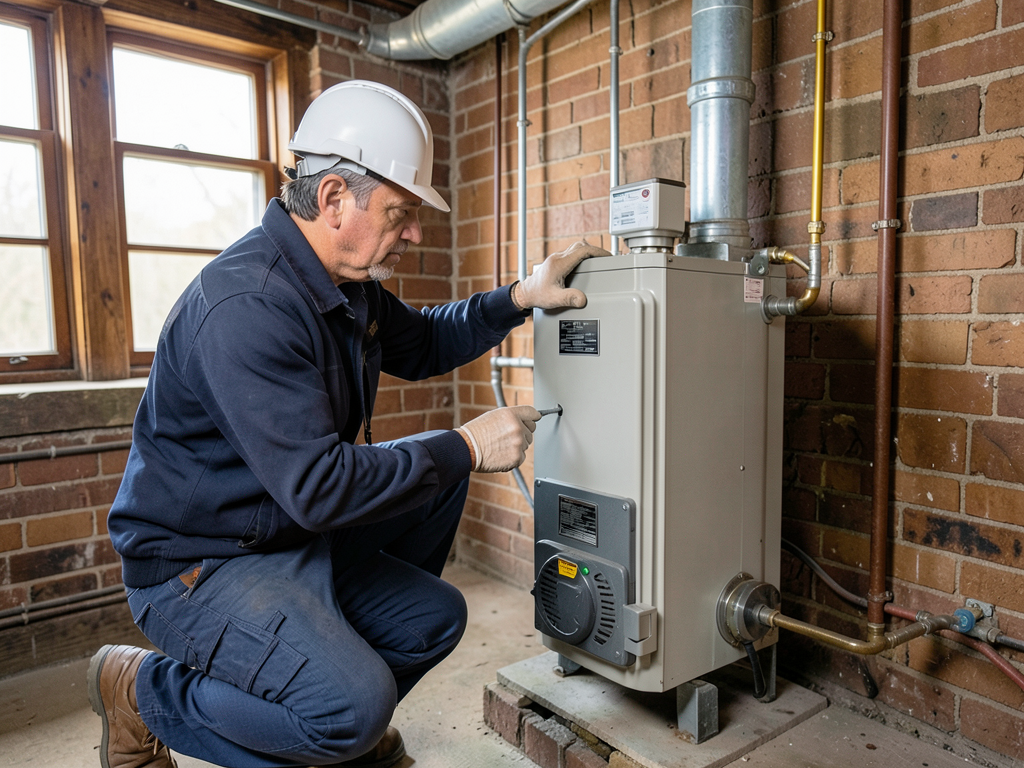
What Boston Tenants Need to Know About Legal Heating Requirements and Landlord Responsibilities
Living in Boston means dealing with harsh winters where indoor temperatures can mean the difference between comfort and a dangerous situation. If you’re renting in the city understanding your rights regarding heat is essential. Boston landlords must provide adequate heating from September 15 through June 15 each year with specific minimum temperature requirements both day and night. This guide breaks down exactly what the law requires what your landlord must do and what steps you can take if your apartment is too cold. Boston Inspectional Services Department.
Understanding Boston’s Heating Season and Temperature Requirements
Boston’s heating requirements are among the strictest in the country because of our severe winters. The city mandates that landlords provide heat from September 15 through June 15 every year covering roughly nine months when temperatures can drop dangerously low.
During this heating season there are specific temperature requirements that landlords must meet:
- Between 7:00 AM and 11:00 PM: Minimum indoor temperature of 68°F
- Between 11:00 PM and 7:00 AM: Minimum indoor temperature of 64°F
These requirements apply to all habitable rooms in your apartment. If you’re experiencing temperatures below these thresholds during the heating season your landlord is violating city code.
Massachusetts State Sanitary Code vs. Boston Ordinances
Boston’s heating requirements come from two sources: the Massachusetts State Sanitary Code (105 CMR 410) and Boston’s additional local ordinances. The state code sets the baseline requirements but Boston often adds stricter local rules. Massachusetts State Sanitary Code 105 CMR 410.
Under the Massachusetts State Sanitary Code specifically 105 CMR 410.201 landlords must maintain safe and sanitary conditions which includes adequate heating. Boston’s Inspectional Services Department (ISD) enforces these requirements and can issue citations to non-compliant landlords.
The key difference is that while the state code provides general requirements Boston’s ISD has the authority to conduct inspections issue fines and require immediate repairs for heating violations. This means you have both state and local protections as a tenant.
Landlord Responsibilities for Heating System Maintenance
Providing heat isn’t just about turning on a boiler or furnace. Landlords have ongoing responsibilities to maintain their heating systems properly. This includes: How to Get Fast Emergency Furnace Repair in Dorchester This Winter.
- Annual professional inspection and maintenance of all heating equipment
- Prompt repairs when systems fail or malfunction
- Keeping heating equipment clean and free of obstructions
- Ensuring proper ventilation for all heating equipment
- Maintaining adequate fuel supply (oil gas or electricity)
Many heating failures in Boston apartments occur because landlords neglect routine maintenance. A well-maintained system should provide reliable heat throughout the season. Common issues we see include: The Most Reliable Heat Pump Installation Teams in Cambridge.
- Circulator Pump Failure
When the pump that moves hot water through radiators stops working some or all radiators stay cold even though the boiler is running. What to Do When Your Back Bay AC Unit Stops Working in July.
- Zone Valve Malfunction
In systems with multiple heating zones a stuck zone valve can leave entire sections of a building without heat.
- Thermostat Problems
A faulty thermostat may not signal the heating system to turn on or may cause it to cycle incorrectly.
What to Do if Your Apartment Is Too Cold
If your apartment isn’t meeting the minimum temperature requirements follow these steps:
- Document the Problem
Use a thermometer to record temperatures in different rooms throughout the day and night. Take photos of your thermostat and any visible heating equipment.
- Notify Your Landlord in Writing
Send a written notice (email or letter) describing the problem and requesting repairs. Keep copies of all communications.
- Give Reasonable Time for Repairs
Landlords typically have 24-48 hours to respond to heating emergencies though severe weather may require faster action.
- Contact Inspectional Services
If your landlord doesn’t respond call Boston’s 311 service to request an inspection from the ISD.
During extreme cold snaps the city may prioritize heating complaints and dispatch inspectors more quickly. The ISD can order immediate repairs and fine landlords who fail to comply.
Common Heating System Issues in Boston Brownstones
Boston’s historic housing stock presents unique heating challenges. Many brownstones and triple-deckers were built before modern heating systems existed leading to common problems: Upgrading Historic Back Bay Homes with Central Air (Without Ruining the Interior Walls).
Steam Radiator Issues
Older buildings often use steam heat which can cause banging noises uneven heating and cold spots. The system relies on proper pitch and venting to work correctly. A common issue is air trapped in radiators preventing steam from circulating properly.
Pipe Insulation Problems
In uninsulated basements or crawl spaces heating pipes can lose significant heat before reaching upper floors. This is especially common in Beacon Hill and Back Bay brownstones where pipes run through unheated areas.
Boiler Efficiency
Many Boston buildings still use boilers that are 20-30 years old. These units often operate at 70% efficiency or less meaning you’re paying for heat that’s lost through the chimney or flue.
Emergency HVAC Services: When to Call a Professional
Some heating problems require immediate professional attention. Call an HVAC professional if you notice:
- No heat at all when the system should be running
- Strange noises from your boiler or furnace
- Gas odors or signs of a gas leak
- Carbon monoxide detector activation
- Visible water leaks around heating equipment
Emergency heating repairs often cost more during nights and weekends but during a Boston winter the cost of waiting can be much higher. Frozen pipes burst radiators and health risks from extreme cold make timely repairs essential.
For emergency heating service in Boston call (617) 758-1599. Our technicians are available 24/7 for no-heat emergencies.
Space Heater Safety and Legal Restrictions
While waiting for repairs you might consider using a space heater. However Boston has specific regulations about space heater use in rental properties:
- Space heaters must be UL listed and have automatic shut-off features
- They cannot be the primary heat source in any room
- They must be plugged directly into wall outlets never into extension cords
- Keep at least three feet of clearance from flammable materials
Many Boston landlords prohibit space heaters entirely due to fire risks. Check your lease agreement before using one.
Utility Shut-off Protections and the Winter Moratorium
Massachusetts has a Winter Moratorium from November 15 to March 15 that prevents utility companies from shutting off heat for non-payment during this period. This protection applies to:
- Elderly residents (65+)
- Low-income households with infants
- Households where utility shut-off would create a serious health hazard
If your landlord fails to pay utility bills and your heat is shut off you may qualify for protection under the moratorium. Contact the state Department of Public Utilities for assistance.
Cost Analysis for Landlords: Repairing vs. Replacing Aging Systems
Many Boston landlords delay heating system upgrades due to cost concerns. However the economics often favor replacement over repeated repairs:
| System Age | Annual Repair Costs | Replacement Cost | Energy Savings |
|---|---|---|---|
| 15-20 years | $300-500 | $5,000-8,000 | 15-20% |
| 20-25 years | $500-800 | $6,000-9,000 | 20-25% |
| 25+ years | $800-1,200 | $7,000-10,000 | 25-30% |
Modern high-efficiency systems can pay for themselves through lower utility bills and reduced repair costs within 5-7 years.
Step-by-Step Troubleshooting Guide for Tenants
Before calling for service or filing complaints tenants can perform basic troubleshooting:
- Check your thermostat settings and batteries
- Verify that circuit breakers haven’t tripped
- Check if air filters need replacement (for forced-air systems)
- Ensure all radiator valves are fully open
- Check for obvious leaks or water around heating equipment
If these steps don’t resolve the issue it’s time to contact your landlord or a professional HVAC service.
Understanding BTU Requirements for Boston Housing
Heating systems must be properly sized for the space they serve. In Boston the general rule is 30-40 BTUs per square foot for well-insulated spaces but older buildings often need 40-50 BTUs per square foot due to poor insulation.
A 1,000 square foot apartment in a typical Boston triple-decker might need 35,000-45,000 BTUs to maintain comfortable temperatures during extreme cold. Undersized systems struggle to keep up especially in the coldest weather.
Frequently Asked Questions
What temperature is considered too cold for an apartment in Boston?
During heating season (September 15 – June 15) apartments must maintain at least 68°F from 7 AM to 11 PM and 64°F from 11 PM to 7 AM. Temperatures below these thresholds violate city code.
How quickly must a landlord fix no-heat problems?
Emergency heating repairs should be addressed within 24 hours. During extreme weather the city may require immediate action. Document all communications with your landlord.
Can I withhold rent if my apartment has no heat?
Withholding rent is risky and may violate your lease. Instead document the problem notify your landlord in writing and contact Inspectional Services if the issue isn’t resolved promptly.
Are landlords required to provide air conditioning in Boston?
No. Unlike heating air conditioning is not legally required in Boston rental properties. However some leases may include AC provisions.
What should I do if my landlord ignores heating complaints?
Document the problem with temperature readings and photos then contact Boston’s 311 service to request an inspection from the Inspectional Services Department.
Remember you have rights as a tenant in Boston. If you’re experiencing heating problems don’t wait until the situation becomes dangerous. Document everything communicate in writing and know that help is available through city services. Finding the Right Ductless Mini Split for a Beacon Hill Brownstone.
For emergency heating service or to schedule a maintenance inspection call (617) 758-1599 today. Don’t let another cold night pass without reliable heat in your home.
Disclaimer: This information is for educational purposes and should not be considered legal advice. Heating requirements and landlord-tenant laws may change. Always verify current regulations with official sources.
{
“@context”: “https://schema.org”,
“@type”: “BlogPosting”,
“headline”: “What Boston Tenants Need to Know About Legal Heating Requirements and Landlord Responsibilities”,
“description”: “Learn Boston’s heating laws, landlord obligations, and tenant rights for the 2024-2025 heating season. What to do when your apartment is too cold.”,
“wordCount”: 1618,
“datePublished”: “2026-05-16T12:54:00.000Z”,
“dateModified”: “2026-05-16T12:54:00.000Z”,
“inLanguage”: “en-US”,
“mainEntityOfPage”: {
“@type”: “WebPage”,
“@id”: “https://titanhvacboston.com”
},
“publisher”: {
“@type”: “LocalBusiness”,
“name”: “Titan HVAC Boston”,
“url”: “https://titanhvacboston.com”
},
“author”: {
“@type”: “Organization”,
“name”: “Titan HVAC Boston”,
“url”: “https://titanhvacboston.com”
},
“image”: {
“@type”: “ImageObject”,
“url”: “https://titanhvacboston.com/wp-content/uploads/2026/03/what-boston-tenants-need-to-know-about-legal-heati-1.png”
}
}
{
“@context”: “https://schema.org”,
“@type”: “HVACBusiness”,
“name”: “Titan HVAC Boston”,
“url”: “https://titanhvacboston.com”,
“address”: {
“@type”: “PostalAddress”,
“addressLocality”: “Boston”
},
“areaServed”: {
“@type”: “City”,
“name”: “Boston”
}
}
{
“@context”: “https://schema.org”,
“@type”: “FAQPage”,
“mainEntity”: [
{
“@type”: “Question”,
“name”: “What temperature is considered too cold for an apartment in Boston?”,
“acceptedAnswer”: {
“@type”: “Answer”,
“text”: “During heating season (September 15 – June 15) apartments must maintain at least 68°F from 7 AM to 11 PM and 64°F from 11 PM to 7 AM. Temperatures below these thresholds violate city code.”
}
},
{
“@type”: “Question”,
“name”: “How quickly must a landlord fix no-heat problems?”,
“acceptedAnswer”: {
“@type”: “Answer”,
“text”: “Emergency heating repairs should be addressed within 24 hours. During extreme weather the city may require immediate action. Document all communications with your landlord.”
}
},
{
“@type”: “Question”,
“name”: “Can I withhold rent if my apartment has no heat?”,
“acceptedAnswer”: {
“@type”: “Answer”,
“text”: “Withholding rent is risky and may violate your lease. Instead document the problem notify your landlord in writing and contact Inspectional Services if the issue isn’t resolved promptly.”
}
},
{
“@type”: “Question”,
“name”: “Are landlords required to provide air conditioning in Boston?”,
“acceptedAnswer”: {
“@type”: “Answer”,
“text”: “No. Unlike heating air conditioning is not legally required in Boston rental properties. However some leases may include AC provisions.”
}
},
{
“@type”: “Question”,
“name”: “What should I do if my landlord ignores heating complaints?”,
“acceptedAnswer”: {
“@type”: “Answer”,
“text”: “Document the problem with temperature readings and photos then contact Boston’s 311 service to request an inspection from the Inspectional Services Department.”
}
}
]
}
{
“@context”: “https://schema.org”,
“@type”: “HowTo”,
“name”: “Common Heating System Issues”,
“step”: [
{
“@type”: “HowToStep”,
“position”: 1,
“name”: “Circulator Pump Failure”,
“text”: “When the pump that moves hot water through radiators stops working some or all radiators stay cold even though the boiler is running. What to Do When Your Back Bay AC Unit Stops Working in July.”
},
{
“@type”: “HowToStep”,
“position”: 2,
“name”: “Zone Valve Malfunction”,
“text”: “In systems with multiple heating zones a stuck zone valve can leave entire sections of a building without heat.”
},
{
“@type”: “HowToStep”,
“position”: 3,
“name”: “Thermostat Problems”,
“text”: “A faulty thermostat may not signal the heating system to turn on or may cause it to cycle incorrectly.”
}
],
“image”: “https://titanhvacboston.com/wp-content/uploads/2026/03/what-boston-tenants-need-to-know-about-legal-heati-1.png”
}
{
“@context”: “https://schema.org”,
“@type”: “BreadcrumbList”,
“itemListElement”: [
{
“@type”: “ListItem”,
“position”: 1,
“name”: “Home”,
“item”: “https://titanhvacboston.com”
},
{
“@type”: “ListItem”,
“position”: 2,
“name”: “Blog”,
“item”: “https://titanhvacboston.com/blog”
},
{
“@type”: “ListItem”,
“position”: 3,
“name”: “What Boston Tenants Need to Know About Legal Heating Requirements and Landlord Responsibilities”
}
]
}
{
“@context”: “https://schema.org”,
“@type”: “Service”,
“serviceType”: “HVAC”,
“provider”: {
“@type”: “LocalBusiness”,
“name”: “Titan HVAC Boston”,
“url”: “https://titanhvacboston.com”
},
“areaServed”: {
“@type”: “City”,
“name”: “Boston”
},
“description”: “Learn Boston’s heating laws, landlord obligations, and tenant rights for the 2024-2025 heating season. What to do when your apartment is too cold.”
}