
Expert Central Air Conditioning Installation in Back Bay, Boston
Back Bay’s iconic brownstones and historic row houses weren’t built with central air conditioning in mind. But in 2026’s sweltering Boston summers, window units and portable ACs just don’t cut it anymore. The good news? You can enjoy modern cooling comfort without destroying the historic character of your Back Bay home. Back Bay Architectural Commission.
Installing central air in a 19th-century building requires specialized knowledge of historic preservation guidelines, space constraints, and the Back Bay Architectural Commission (BBAC) regulations. Most Back Bay homeowners assume they need to tear open walls or sacrifice their crown molding to get central AC. That’s simply not true anymore.. Read more about Specialized Boiler Repair for Historic Homes in the South End.
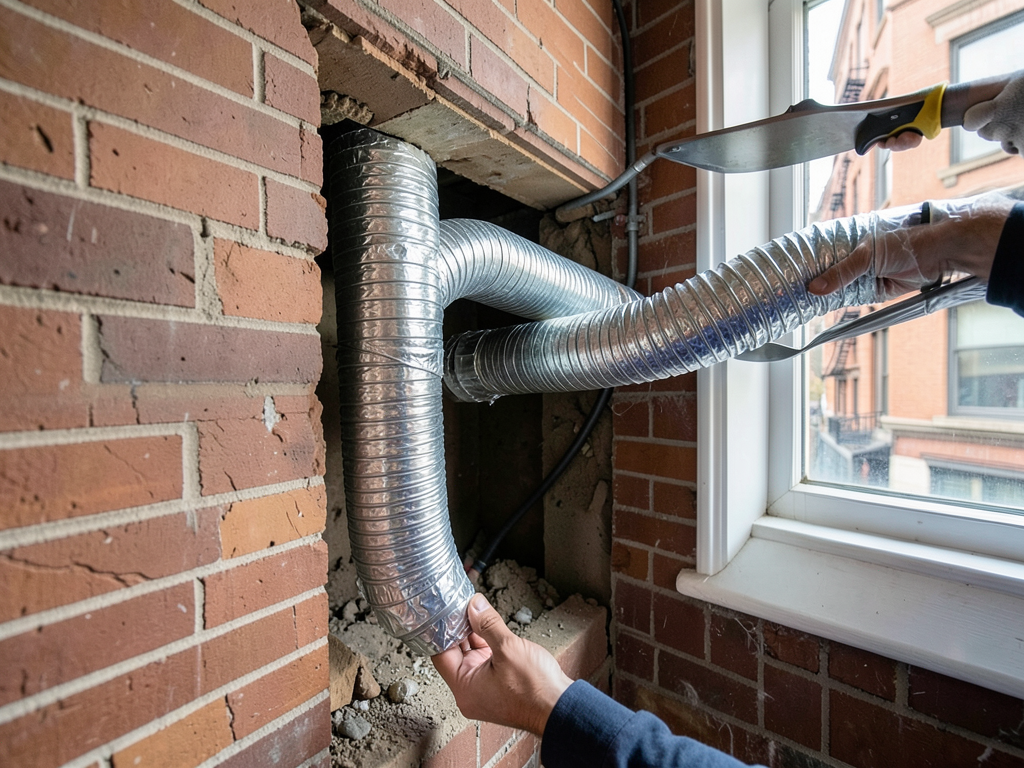
Modern high-velocity systems like Unico and SpacePak can snake flexible ducts through existing wall cavities, while ductless mini-splits eliminate the need for ductwork entirely. Both options preserve your home’s historic integrity while delivering whisper-quiet cooling that’s invisible to the eye. The key is working with technicians who understand both HVAC engineering and Back Bay’s strict preservation rules.. Read more about Modern Cooling Solutions for Older Houses in Jamaica Plain.
Specialized Cooling Solutions for Historic Back Bay Brownstones
Back Bay’s architectural heritage presents unique challenges for HVAC installation. These buildings feature thick masonry walls, limited attic space, and often share party walls with neighbors. Traditional central AC installation would require extensive demolition and rebuilding—something the BBAC simply won’t approve.
High-velocity HVAC systems offer the perfect solution. These systems use 2-inch flexible tubing that can be threaded through existing wall cavities, floor joists, and ceiling spaces without major demolition. The small supply outlets blend seamlessly with your existing trim work, and the whisper-quiet operation won’t disturb your neighbors in these densely packed brownstones.
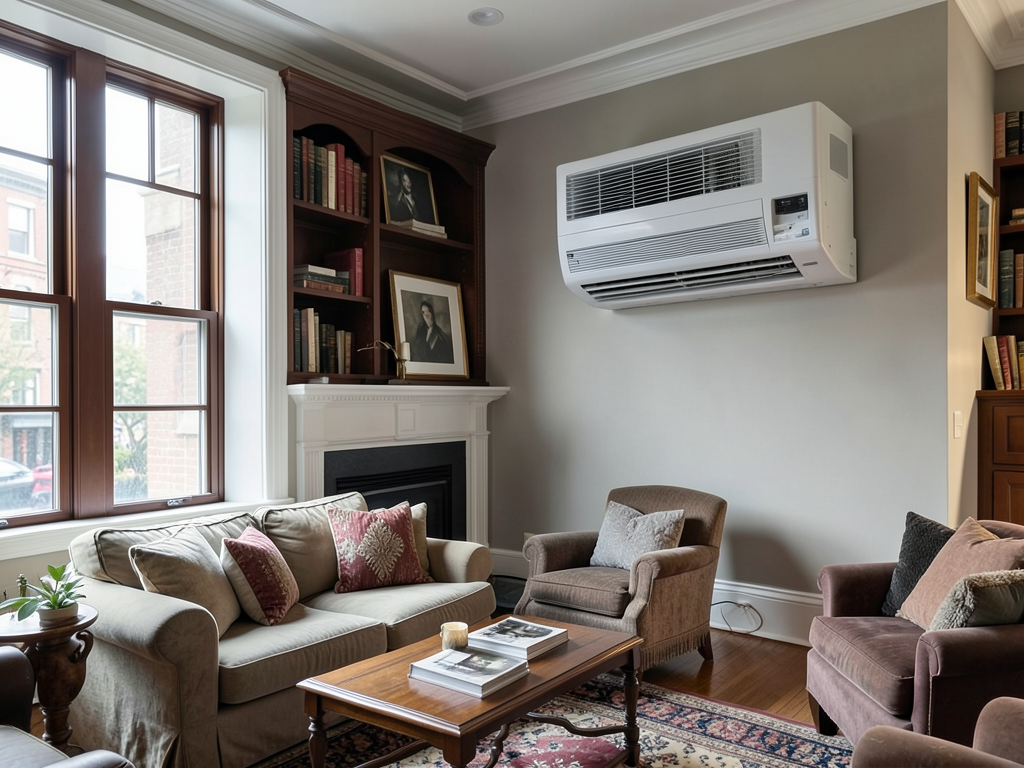
Ductless mini-split systems represent another excellent option for Back Bay homes. These systems mount the indoor air handlers high on walls or in ceiling cassettes, eliminating the need for any ductwork. Multiple indoor units connect to a single outdoor condenser through small refrigerant lines that can be run through walls with minimal intrusion. The result is complete cooling coverage without any visible modifications to your historic interior.
For Back Bay’s many carriage houses and smaller brownstone units, compact ductless systems often make the most sense. These units can cool individual rooms or zones independently, allowing you to save energy by only conditioning occupied spaces. The outdoor condensers can be mounted on rear decks or in small courtyards, keeping them hidden from street view to satisfy BBAC requirements.. Read more about Keeping Your Seaport Condo Cool When Those Floor-to-Ceiling Windows Get Too Hot.
Back Bay Architectural Commission (BBAC) Compliance
The Back Bay Architectural Commission enforces some of Boston’s strictest historic preservation guidelines. Any exterior modifications, including HVAC condenser placement, require BBAC approval. Understanding these regulations before starting your project can save you months of delays and potential fines.. Read more about A Local Guide to Getting Central Air in Your Somerville Triple-Decker.
BBAC guidelines prohibit visible HVAC equipment from the public right-of-way. This means condensers cannot be mounted on the front facade of your brownstone or in visible locations on side streets. The commission typically approves installations on rear decks, in private courtyards, or on flat roof areas that aren’t visible from major thoroughfares like Commonwealth Avenue or Beacon Street. Finding the Right Ductless Mini Split for a Beacon Hill Brownstone.
Noise considerations are equally important in Back Bay’s dense urban environment. The BBAC requires that outdoor equipment meet specific decibel ratings to avoid disturbing neighbors. Modern high-efficiency condensers typically operate at 55-65 dB, which satisfies most BBAC requirements. However, units must be positioned to minimize noise transmission to adjacent properties.
Electrical service upgrades often become necessary when installing central air in historic homes. Many Back Bay brownstones still have 60-100 amp service, insufficient for modern HVAC loads. Upgrading to 200-amp service requires coordination with Boston Inspectional Services and may trigger additional code compliance requirements for your home’s electrical system.
Mass Save rebates can offset up to 30% of your installation costs when you choose high-efficiency equipment. These rebates require installation by a Mass Save partner and typically mandate SEER2 ratings of 18 or higher. The application process adds paperwork but can save thousands on your project while reducing your annual cooling costs. Mass Save rebates.
Our Installation Options: High-Velocity vs. Ductless Mini-Splits
Choosing between high-velocity and ductless mini-split systems depends on your home’s specific layout, your budget, and your cooling preferences. Both options excel at preserving historic interiors while providing modern comfort.
| Feature | High-Velocity Systems | Ductless Mini-Splits |
|---|---|---|
| Installation Intrusiveness | Minimal wall openings | No ductwork required |
| Noise Level | 25-30 dB (whisper quiet) | 19-26 dB (ultra quiet) |
| Energy Efficiency | SEER2 15-19 | SEER2 20-25+ |
| Best For | Whole-house cooling | Room-by-room control |
| Cost Range | $12,000-$25,000 | $8,000-$18,000 |
High-velocity systems excel at whole-house cooling with even temperature distribution. The small ducts can be routed through existing cavities, making them ideal for Back Bay’s narrow wall spaces. These systems work particularly well in homes with steam or hot water heating, as they can share the same thermostat and provide year-round climate control.
Ductless mini-splits offer superior energy efficiency and zoning capabilities. Each indoor unit operates independently, allowing you to cool only occupied rooms. This zoned approach can reduce energy consumption by 20-30% compared to traditional central systems. The indoor units come in various styles, including wall-mounted, ceiling cassette, and concealed duct options to match your interior design.
Installation timeline varies by system type. High-velocity installations typically require 3-5 days, including electrical work and commissioning. Ductless mini-splits can often be completed in 1-2 days since they don’t require ductwork. Both systems need electrical service upgrades in most Back Bay homes, adding 1-2 days to the project timeline.
Maintenance requirements differ between systems. High-velocity units need annual cleaning of the small ducts to maintain efficiency, while ductless systems require cleaning filters every 3 months and professional servicing every 2 years. Both systems benefit from regular maintenance to ensure optimal performance and longevity. Furnace Maintenance Checklist.
The Installation Process: What to Expect
Understanding the installation process helps you prepare your Back Bay home for the transformation. A typical project follows a specific sequence that minimizes disruption to your daily life while ensuring code compliance and historic preservation.
- Initial Assessment
Our technicians conduct a Manual J load calculation to determine your home’s cooling requirements. We evaluate your electrical service, existing ductwork (if any), and potential installation routes through walls and ceilings. This assessment typically takes 2-3 hours.
- System Design
Based on the load calculation, we design a system that meets your cooling needs while preserving your home’s historic character. We create detailed drawings showing equipment placement, ductwork routing (if applicable), and electrical requirements. This phase takes 1-2 weeks.
- BBAC Permitting
We submit applications to the Back Bay Architectural Commission for exterior modifications. The approval process typically takes 30-45 days, though complex projects may require additional review. We handle all permitting to ensure compliance with historic guidelines.
- Installation Phase
Our team installs the equipment, runs electrical service (if needed), and completes all interior modifications. We use dust containment systems and work to minimize disruption to your living space. Most installations require 3-5 days for high-velocity systems or 1-2 days for ductless.
- Commissioning and Testing
We test the system thoroughly, verify proper airflow, and calibrate thermostats for optimal performance. We also conduct a final inspection with Boston Inspectional Services to ensure code compliance.
During installation, you’ll need to prepare for temporary disruptions. Electrical service may need to be shut off for several hours during upgrades. Dust containment barriers protect your living spaces, but some fine dust is inevitable when working in older homes with plaster walls.
Communication remains critical throughout the process. We provide daily progress updates and address any concerns immediately. Our team works efficiently to minimize the time your home is under construction, understanding that Back Bay residents value their privacy and historic surroundings.
Post-installation support includes system orientation training, warranty registration, and scheduled maintenance planning. We also assist with Mass Save rebate applications and provide documentation for your records. Our goal is ensuring your new system provides reliable comfort for decades to come.
Why Back Bay Homeowners Trust Our Expertise
Back Bay’s unique architectural character demands specialized HVAC knowledge. Our team has completed dozens of successful installations in the neighborhood, from Commonwealth Avenue mansions to Marlborough Street brownstones. We understand the delicate balance between modern comfort and historic preservation.
Our technicians hold NATE certification and maintain current Massachusetts HVAC licenses. We’re familiar with BBAC requirements and have established relationships with the commission, streamlining the approval process for our clients. Our experience means we can anticipate challenges before they arise and propose solutions that satisfy both your comfort needs and historic preservation guidelines.
We’ve worked on homes along Beacon Street, Newbury Street, and throughout the Back Bay Historic District. Each project presents unique challenges—from navigating shared party walls to finding creative solutions for condenser placement in tight urban courtyards. Our portfolio demonstrates our ability to deliver modern HVAC comfort while respecting Back Bay’s architectural heritage.
Energy efficiency matters in Back Bay’s high-cost utility environment. Our systems typically achieve 20-30% energy savings compared to older equipment or window units. We design systems that qualify for Mass Save rebates and provide detailed energy modeling to show you the long-term cost benefits of your investment. Benefits of Inverter Technology.
Emergency service availability sets us apart from competitors. When your system fails during a summer heatwave, you need rapid response. We maintain fully stocked service vehicles and offer 24/7 emergency support to Back Bay residents. Our local presence means we can typically respond within 2 hours of your call.
Customer satisfaction drives our business. We provide detailed proposals with transparent pricing, no hidden fees, and clear timelines. Our work comes with comprehensive warranties, and we stand behind every installation with ongoing support and maintenance services.
Ready to Transform Your Back Bay Home’s Comfort?
Don’t let another Boston summer pass with inadequate cooling. Modern HVAC technology makes it possible to enjoy central air conditioning without compromising your home’s historic character. Whether you choose high-velocity systems or ductless mini-splits, the right solution exists for your specific Back Bay brownstone.
The installation process requires careful planning, proper permitting, and experienced technicians who understand both HVAC systems and historic preservation. We handle every aspect of your project, from initial assessment through final commissioning and ongoing maintenance.
Call (617) 758-1599 today to schedule your free consultation. Our Back Bay HVAC specialists will evaluate your home, discuss your cooling needs, and create a customized plan that preserves your home’s historic integrity while delivering modern comfort. Don’t wait until the next heatwave—take the first step toward year-round comfort now.
Pick up the phone and call (617) 758-1599 before the next summer heat wave hits. Your historic Back Bay home deserves modern comfort without sacrificing its irreplaceable character. We’re ready to show you how.
Frequently Asked Questions
Will installing central air damage my historic plaster walls?
Modern installation techniques minimize wall damage significantly. High-velocity systems use 2-inch flexible ducts that can be threaded through existing cavities. Ductless systems require only small holes for refrigerant lines. Our technicians use dust containment and repair any minor damage, leaving your walls intact.
How long does the BBAC approval process take?
BBAC approval typically takes 30-45 days for standard HVAC installations. Complex projects requiring multiple exterior modifications may take 60-90 days. We handle all permitting and can often expedite the process through our established relationships with the commission.
Are there energy rebates available for Back Bay installations?
Yes, Mass Save offers rebates up to $2,500 for high-efficiency HVAC installations. Additional federal tax credits may be available for Energy Star certified equipment. We handle all rebate paperwork and ensure your system qualifies for maximum incentives.
Can I install central air in a landmark-designated Back Bay home?
Landmark designation doesn’t prohibit HVAC installation, but it does require additional BBAC review. We have experience working with landmark properties and can navigate the approval process while ensuring compliance with all preservation guidelines.